How To Pick Binoculars For Bird Watching?
Binoculars are an essential tool for birders, but with so many models on the market, it can be daunting to find the perfect pair. While choosing a pair of binoculars ultimately comes down to personal preference, understanding a few key specs and features will help you shop with confidence and focus on what really matters: getting outside and enjoying birds.
Understanding the Numbers on Binoculars
Most binoculars are labeled with two numbers, such as 8×42 or 10×42. Here's what they tell you:
- First number (e.g., 8x or 10x)
- This is the magnification. An 8x binocular makes the bird appear eight times closer than with the naked eye.
- Second number (e.g., 42)
- This is the diameter of the front (objective) lenses in millimeters. Larger lenses let in more light, which means a brighter image—especially helpful in shady forests or on cloudy days.
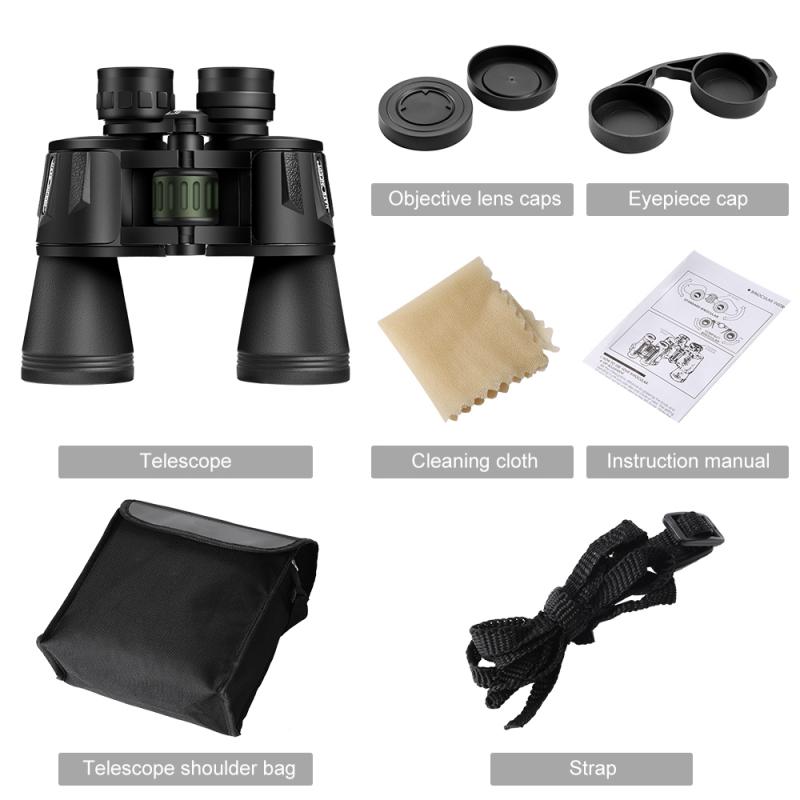
In 8x42 binoculars, for example, "8" is the magnification power and "42" is the diameter (in millimeters) of the objective lenses—the lenses closest to the object you're viewing. Objective lens size gives you an understanding of how physically big the binoculars are and how much light they can gather. When you understand what these numbers mean and how they affect your viewing, you'll know if you're choosing binoculars that will be good for birding.
Choosing the Right Magnification
Most birding binoculars come in 8x and 10x versions. Personal preferences vary, but many find 8x binoculars are in a sweet spot: good magnification and a steady, wide field of view for finding and following birds.
- An 8x binocular has a wider field of view, is easier to hold steady, and works well in lower-lit forests and for birds on the move—think all those little brown forest birds.
- A 10x binocular has more magnification for wildlife that is farther away, a slightly narrower field of view, and is better for more open and well-lit areas like fields, shorelines, and wetlands.
- Higher magnification (10x) also means a narrower field of view and will exaggerate any unsteadiness from shaking or jostling.
- For beginners, 8x zoom is great. Anything higher will be somewhat hard to handle without shaking while watching, and will typically have less eye relief.
- When you get used to binoculars and handling them, you can go up to 10x or 10.5x. It's very rare to see people use 12x free-handed.
If your birding involves long-distance viewing—think shorebirds, raptors, seabirds—then you might prefer 10x. Most birders prefer 7- or 8-power binoculars because they're bright and have a wide field of view, making it easier to find birds and to follow them in flight.
Objective Lens Size and Light Gathering
Optics with objective lenses larger than 42mm are heavier, and those smaller than 30mm, while lightweight, aren't bright enough to show detail in poor light. For aperture, 42mm is a great compromise, as it will allow for a nice eye relief. It's still a bit cumbersome, so if you don't plan on birdwatching in low light and are young enough, you can get a much smaller aperture.
Our pupil's ability to adapt its diameter goes severely down with age, so a 42mm aperture is especially worthwhile for older birders. If you'd still like to have 10x or more magnification, go for a 50mm aperture—but that's heavy. An 8x42 or 8x40 combination will give you the best results for birding, generally speaking: field of view, bright picture, and ease of use are all critical for following fast-moving birds.
Binocular Size, Weight, and Comfort
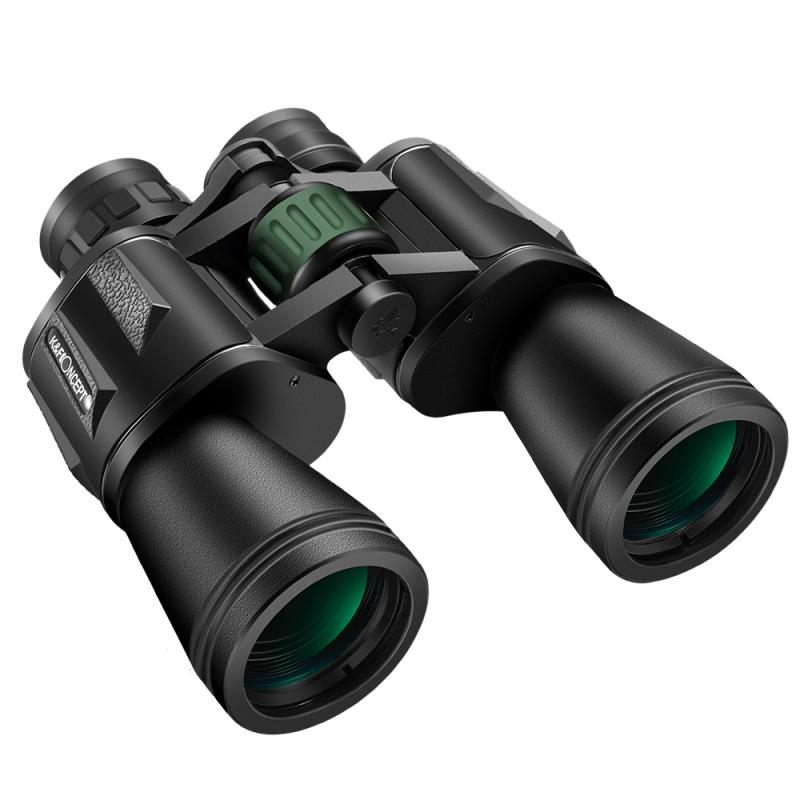
Binoculars don't feel heavy when you first pick them up—but after an hour on a trail or bird walk, weight makes a big difference. Investing in a lighter weight binocular might be worth it if you tend to go on longer outings, or if you are prone to arm or neck fatigue.
- While there are some adjustments you can make if you have a heavier pair—like using a binocular harness rather than a neck strap—if binoculars are uncomfortable, you're less likely to bring them along.
- The best binoculars for you are the ones you actually use.
- No two people are exactly the same, and binoculars should fit you. Pay close attention to how they grip and feel in your hands, how easily you can turn the focus wheel, and how the eyecups fit your face (with and without glasses).
- Trying binoculars in person can make all the difference, especially for a first-time buyer.
Close Focus and Additional Features
Close focus is the nearest distance your binoculars can focus clearly. This feature is most helpful if you watch birds at a feeder or in close proximity. Many people are surprised by how often they use this feature and the many applications—it can be particularly helpful for observing insects and flowers in addition to birds.
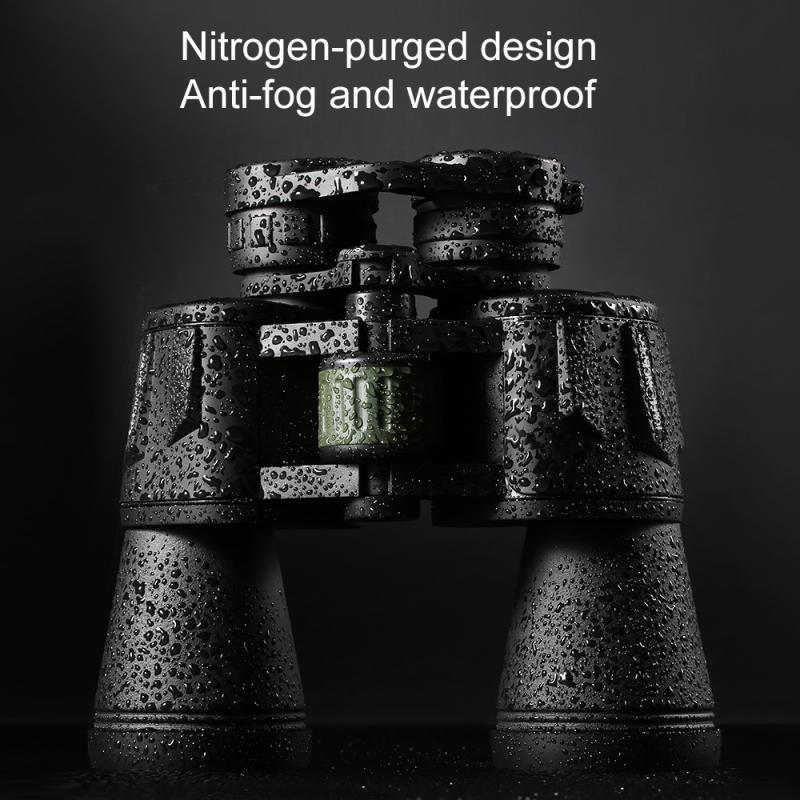
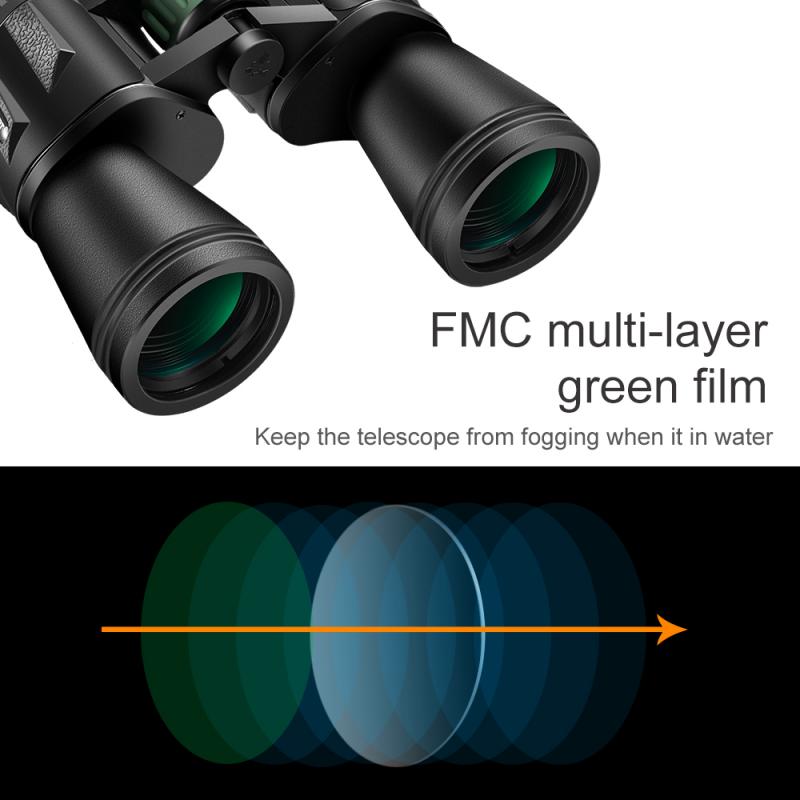
Water resistance is also a good feature for birding, as are models that won't fog up when they go from a warm vehicle to cooler temperatures outside. Waterproof and fog-proof construction factor into price, and depending on your intended usage, may be well worth the upgrade. Why are binoculars with similar specs pricier than others? It's what's inside that counts, and advanced optics are a big reason why the price of similar binoculars can differ by hundreds of dollars.
Binoculars by Use Case
If you want binoculars for a specific primary purpose, the following guidelines can help narrow down your choices. Magnification and size are the starting point, but optics and features should also factor into your decision.
- Birding: Assuming you're less concerned about size and weight, you can look at midsize and full-size models. 8x32 and 8x42 binoculars are popular with birders. While 10-power magnification might seem helpful for looking at a small animal, an otherwise identical pair of binoculars with a magnification of 8 will have a wider field of view, which is key to locating birds.
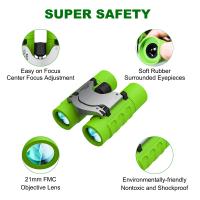
- Backpacking and hiking: Because size and weight in a pack are key concerns, you'll want compact binoculars with magnification of 8 or 10 and an objective lens diameter less than about 28 (8x25, 10x25, 8x28 and 10x28 are all fine choices). A pair with a rubber coating will be more durable, and models that are water resistant or waterproof will help with exposure to the elements.
- Whale watching, wildlife viewing, and safaris: Popular models include 8x32, 8x42, 10x32 and 10x42. Go with a higher magnification (10 rather than 8) when you're likely to be far from the animals. Choose midsize (32mm objective lens) rather than full-size (42mm objective lens) if you want something a little more compact.
- Paddling: If you're going to be out on the water on a canoe, kayak, SUP or whale-watching boat, you may want to stick with a lower magnification such as 8 or less, because a higher (10-power) magnification can make steady viewing challenging. Choosing a waterproof model is a good idea. 8x32 is a popular size.
- Stargazing: Here's where you want to maximize magnification as well as the light-gathering ability of full-size binoculars. 10x42 or 10x50 are options to consider; if you go with higher magnification, you'll need a tripod to hold the binoculars steady.
Price Ranges and Brand Options
For brands, it doesn't matter at all at the entry level—go for whatever you can afford. There is a huge difference in quality between $100 binoculars and $3,000 binoculars, but you'll still be able to go birdwatching with all of them. You can always upgrade later. If you never look through high-end glass, you'll be content with the lower price range—but once you get hooked on high-end glass, it's hard to go back.
- Top of the range: Swarovski NL Pure 8x42 (best money could buy); Zeiss SFL 8x40 (close second best—several used options in $1,300–$1,500 range)
- Mid-range: Zeiss Terra 8x42 or Nikon M7 8x42 (decent for lower mid-range, $250–$400)
- Budget-friendly: Celestron Nature ED (glass every bit as good as Terras and M7s for half the price); Nikon Prostaff 3S 8x42
If you get to try binoculars before buying, make sure to check for chromatic aberrations and to have a sharp image even on the far sides of the field of view. The best way to evaluate the optical performance and ease of use for a pair of binoculars is to go to a store and look through several before you make a final choice. Choosing binoculars is part science, part personal preference—talking with knowledgeable staff, trying different models, and asking questions can save you time, money, and frustration.