Ipad Microphone Usb Audio Which?
2026-07-10 00:47:27
0 Comments
Using a USB Microphone with Your iPad, iPhone or Other Mobile Device
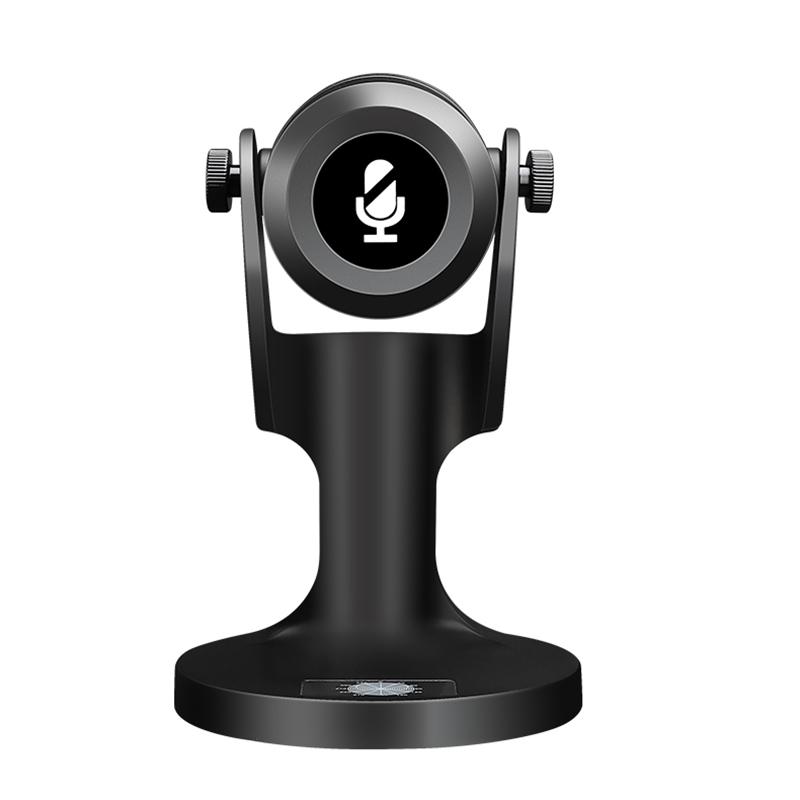
if you're seeking a portable podcast recording solution, a video call setup on the go, a pocket-sized music studio or even a super-compact filmmaking rig, then pairing a usb microphone with a smartphone or tablet is an incredibly versatile and powerful option.
in this article, we’ll take a look at why you’d want to use a usb microphone with your mobile device, how to choose the right usb mic and how to connect it to your iphone, ipad or android mobile device.
Why to Use a USB Mic with Your Smartphone or Tablet
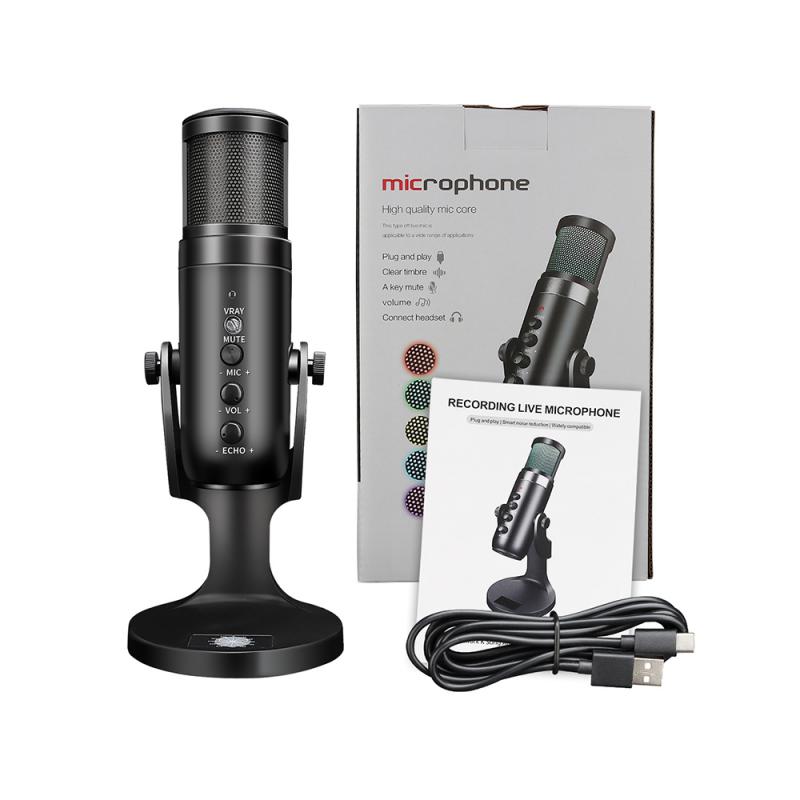
- broadly speaking, any situation in which you’d normally use your phone or tablet’s on-board microphone can be drastically improved by using a usb microphone, as built-in mics in mobile devices are typically low quality.
- most noticeably, a usb mic will make your voice sound significantly more full, rich and detailed than when using your phone or tablet’s microphone, and it will better isolate your voice, boosting its clarity and reducing unwanted background noise.
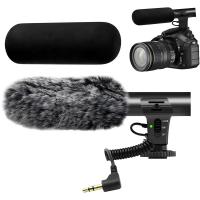
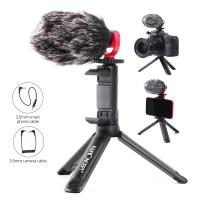
- shotgun mics are highly directional, meaning they’re even better than other types of microphones at isolating your voice and rejecting background noise from the sides and rear of the mic.
- with the vast array of music-making apps available for phones and tablets today, pairing your device with a high-quality usb mic turns it into a super versatile and powerful music recording and editing suite.
- tablets are generally better suited here, as you have more screen real estate (and generally more power) for handling your multitrack recordings and using processing and effects.
Choosing a USB Microphone
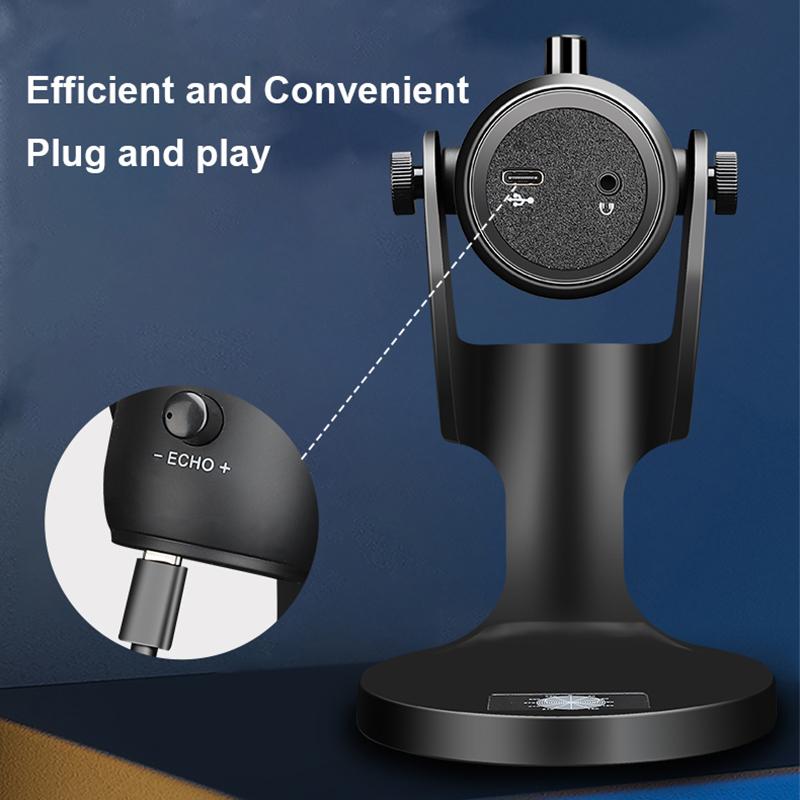
any usb microphone is going to offer a massive step up in audio fidelity over the in-built microphone on your phone or tablet, but while you’re upgrading, you may as well choose a top-quality usb mic, ideally with a few specific features to help you out.
- without this feature, your microphone signal will be sent into your mobile device, through your audio or video app, and then back out, creating a delay that’s not only irritating when recording, but can also mess with speech patterns and music performances.
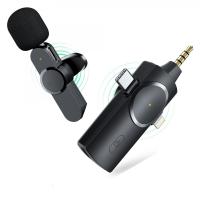
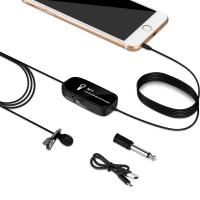
- there are a few different standards of connection available in usb mics, but we’d recommend you opt for a usb-c microphone.
- this is the latest standard and will give you the greatest flexibility when connecting your mic to a mobile device, often allowing for a single cable.
- note: some usb mics may require more power than your phone or tablet can provide, in which case you’ll see a relevant error message display on your device when hooking up your mic.
- if this is the case, you may be able to provide your microphone power using something like apple’s lighting to usb 3 camera adapter (if you’re using an iphone or ipad) and providing extra power via the second usb port on the adapter.
Connecting Your USB Microphone to an iOS Phone or Tablet
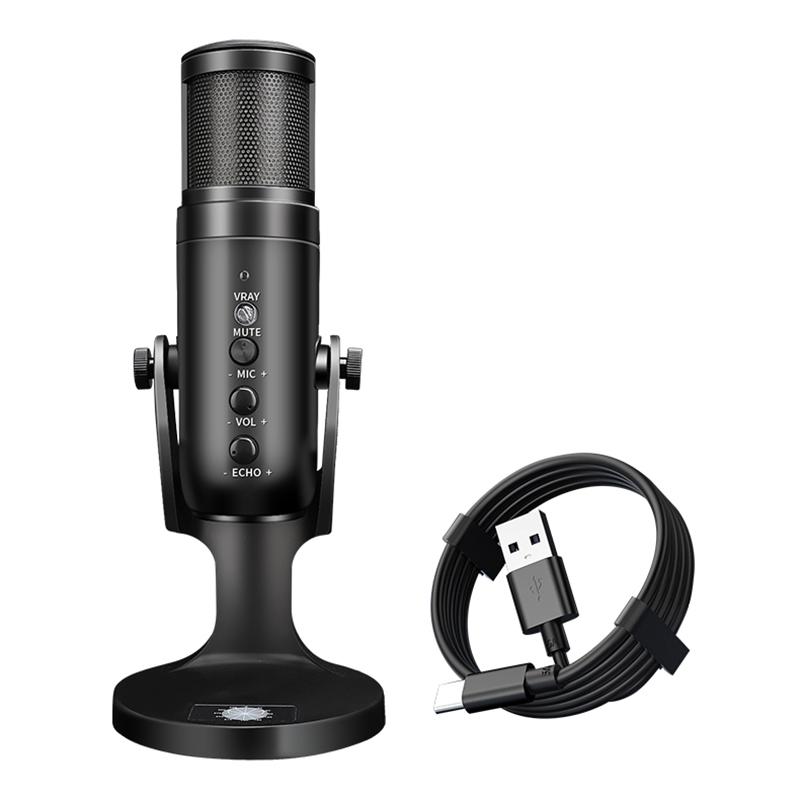
- these cables directly bridge usb-c and lightning ports and are all that’s needed to set up your usb mic with your iphone or ipad, granted your device can provide enough power.
- if you’re using a usb microphone with a different port, you’ll need to use an adapter like apple’s lighting to usb camera adapter, which provides a usb type-a port to plug in the cable that came with your usb mic.
- once connected, your iphone or ipad should automatically recognise your usb mic and set it as the input and output device, but you may need to check input settings in the media app you’re working with.
- if you’re using a mic with a headphone volume control, you can turn up your phone or tablet’s volume to maximum and use your microphone’s volume control to adjust levels to taste.
iPad USB Audio Interfaces
- ipad supports usb audio interfaces.
- i plugged a usb mike into it and got garageband to see the external source and record.
- okay i can report the flysba usb type c hub adapter port mentioned above does allow you to get external audio into garageband on a 2020 ipad pro (i have the 11 inch)
- i plugged an xls mike into my mixer and the usb cable from the mixer into the flysba usb c adapter.
- the only thing to remember is that if an app like garage band is external usb audio as in input, it assumes you will be listening on that same source as it sends the audio back out the usb, you will not hear it from the ipad speaker.
- again i had to use the earphone jack on the sure adapter to hear my recorded audio.
- so i suppose if you had a usb mike that did not have audio monitor function, you would not hear your recorded audio without unplugging the adapter.
- there are probably other usb type c adapters that will work, this one just happens to be the one i purchased.
- i would recommend you be very careful when using something like this plugged into your ipad.
- mount every thing tied down so there is not way a sideways force could yank on the adapter, otherwise you could damage your ipad port.
USB-C iPhones & iPads
- easily capture high-quality audio by connecting a usb cable.
- we have completed testing and confirmed that zoom products supporting ios and ipados work seamlessly with iphones and ipads equipped with usb-c connectors.
- by connecting them directly using a usb cable, you can use these products as usb microphones for iphones and ipads or as usb audio interfaces capable of inputting multiple instruments—without the need for a lightning to usb 3 camera adapter.
- this enables creators who use iphones and ipads to achieve even higher audio quality with less hassle.
Recording Apps and Audio Settings
- once your usb mic is hooked up to your phone or tablet, there’s a massive range of both ios and android apps you can make use of, including filmmaking apps, video and conference call apps like zoom and even fully-featured music production workstations.
- for a simple yet capable option for recording audio, check out the røde reporter app.
- it features a microphone input level control, audio meter, media library and the option to record your audio as a hi-res wav file for the highest quality or a compressed mp3 file with a number of different quality options to save on storage space.
- i have a friend that uses garageband to record audio files when he’s at gaming/anime conventions for his podcast and it seems to work for him!
- when using it with either voice memos or the camera in video mode, the audio track is captured at a very low level.
- i have not found any gain-controls for these apps either.
- luckily, i do have ferrite, and here the audio level is way closer to what i’m expecting and needing.
- i guess i could boost the voice track it in post, but the result will be noisier than just getting the capture correct from the get-go.
External Recording and Input Levels
- i have a zoom h5 field recorder that i can connect as an audio interface, and here i have much better control over input levels.
- it’s a dial, right there on top of the mic capsule.
- as i won’t be doing live streaming, recording the audio separately isn’t a lot of extra work, and for many voice-overs, it’s the preferred workflow too.
- adding it later in a quiet and controlled environment.
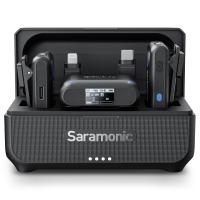
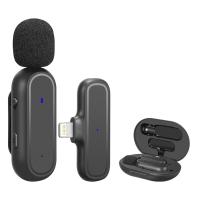
- the receiver plugs directly into most gear using either usb-c, lightning, or analog and most product include all the cables too.
- these receivers have gain control so you can boost the levels going into the final device, iphone, computer, etc. easily.
- i just use the internal mic on the device (ipad, iphone, camera) as the “scratch audio” track and the audio sync in post is never an issue.
Leave your comment
Note: HTML is not translated!