Can Binoculars Be Used For Stargazing?
2026-07-09 00:47:17
0 Comments
Can binoculars be used for stargazing?
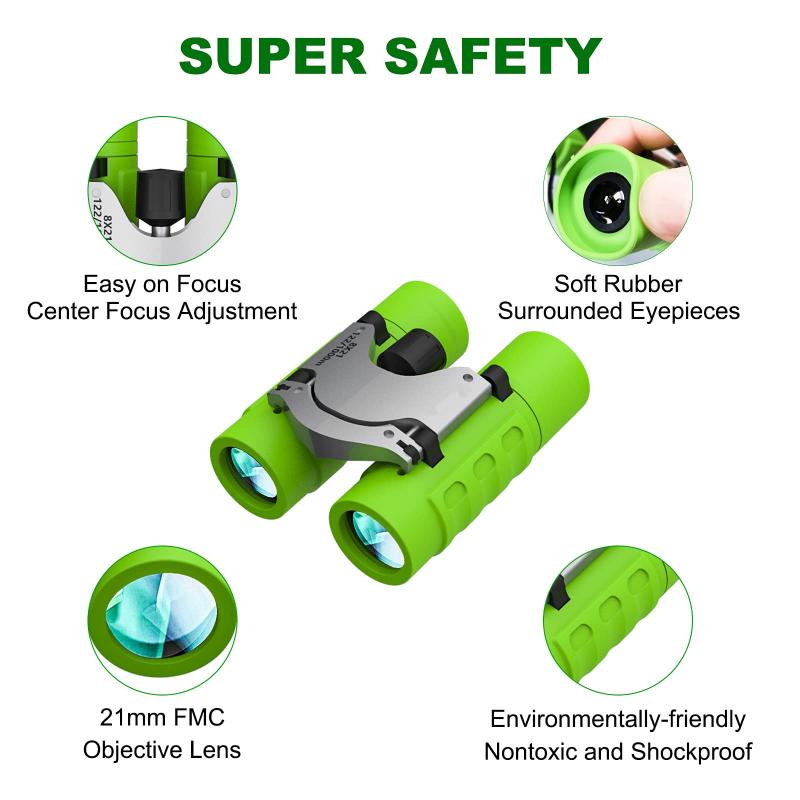
- one can find so many more stars in the starry heavens when viewing the night sky through binoculars.
- with binoculars, you should be able to view distant galaxies and star clusters that appear as no more than barely visible specks of light to the naked eye.
- binoculars are often the best piece of equipment for astronomy beginners or those who enjoy a spot of stargazing, offering great views of the moon and stars among other celestial objects.
- all you have to do is step out into your garden on a clear night, grab a pair of good quality binoculars and enjoy the view.
- i think a binocular is a good investment, even later you buy a telescope, the binoculars are still a good tool to have to scan through the sky with your two eyes.
- besides, you can use the binoculars in many other situations, such as bird watching, etc.
- binoculars are not a replacement for one but a complementary tool.
What binoculars can show in the night sky
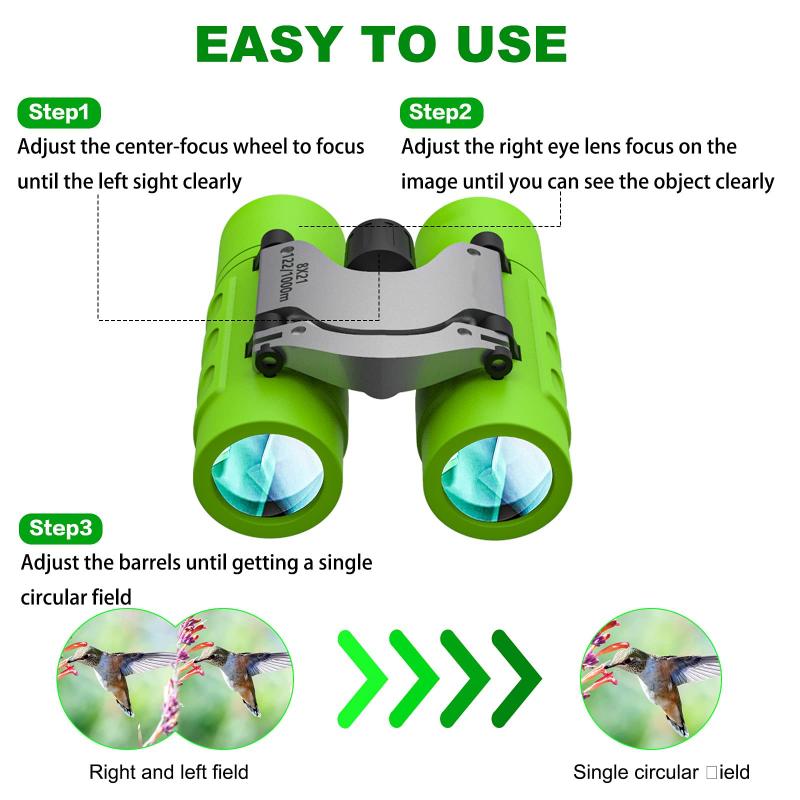
- 10x50s are great for large open clusters, andromeda, and wide fields.
- but can also be used to see smaller dsos like globular clusters, bright nebula (like m8), and small open clusters.
- the views of these smaller objects won’t be as nice as they are in a telescope, but they are still great to look at.
- plus you can find every planet (besides pluto) and the moons of jupiter.
- the planets will just look like big stars though.
- so far i have viewed over 60 dsos with 10x50s in the past 2 years.
- i've seen a galaxy with binoculars. no lite pollution. decent binoculars. i couldn't believe you can see something so far away.
- the andromeda galaxy covered a good proportion of our view, and we could see both components of the double cluster easily.
- and putting the binoculars on a tripod, we were able to observe four of jupiter’s moons and a definite oval shape to saturn.
Magnification and aperture
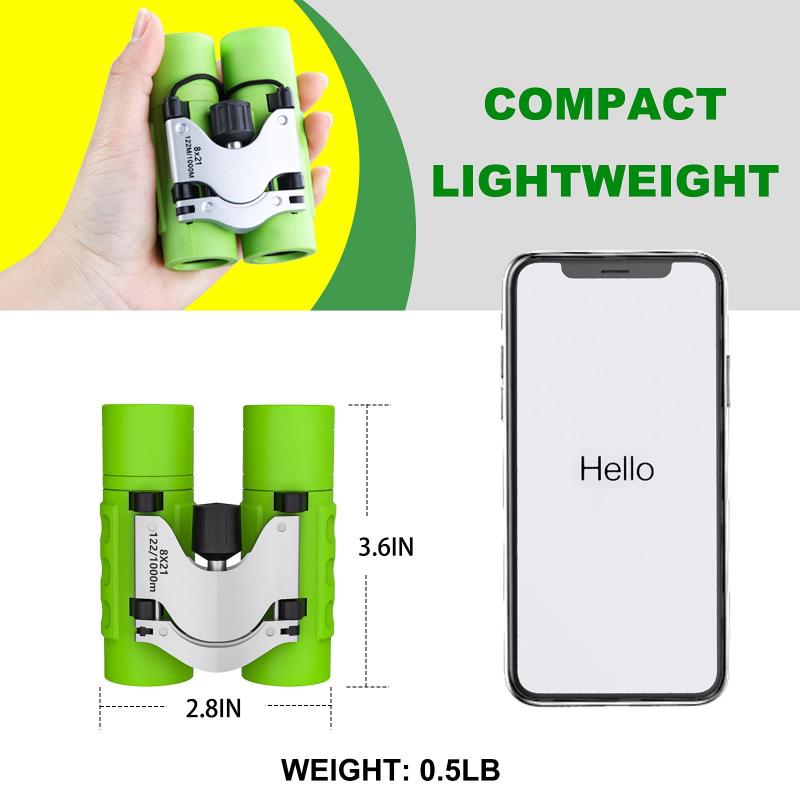
- magnification
- therefore, usually people just get a 10x or 8x for hand holdnig purposes.
- at a magnification around 7x to 10x, position yourself so that you can hold the binoculars firmly in place while viewing.
- binoculars with overly high magnification may cause unstable image and uncomfortable viewing due to shaking by hand movement.
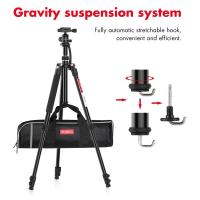
- when using high-magnification binoculars, you can fix the binoculars in place using a tripod to steady your field of vision for extended viewing without any worries.
- aperture
- the 2nd number is aperture, means how much light can get through, the larger this number, the more light you will get from the objects, which means you can see slightly more fainter objects, and all objects will be brighter than smaller apertures.
- so, a 50 mm is a good start.
- large effective diameter of the objective lens we recommend an effective diameter of about 40mm to 50mm.
- with larger diameter, we recommend the use of a tripod to stabilize binoculars as larger diameter of the objective lens may cause unstable image and uncomfortable viewing due to shaking by hand movement.
10x50 binoculars for beginners
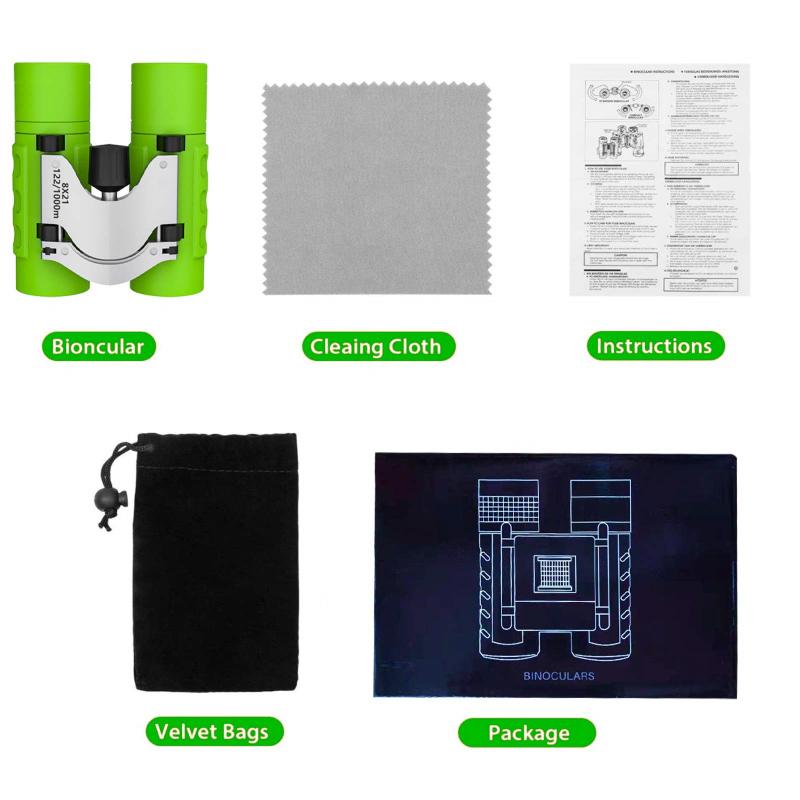
- yup i agree with everyone saying go for 10x50 binoculars.
- anything bigger will require a tripod in order to use them.
- an inexpensive pair of 10×50 binoculars can serve as an ideal entry-level instrument, being the maximum aperture and magnification that you can easily hold by hand.
- if you're after an inexpensive pair, these are definitely worth a look, and are definitely among the best binoculars for astronomy and stargazing for those on a budget.
High magnification binoculars and tripods
- it's a common mistake for beginners to think "oh but i want to see more!" and get something like 20x70s or whatever.
- those binoculars are impossible to hold steady using just your hands, so you'll need to use them with a tripod.
- and that magnification is still not high enough to see details on planets or things like that.
- you'll need a telescope for that.
- for high magnification binoculars and those with an effective objective lens diameter over 50mm, we recommend the use of a tripod to stabilize the binoculars for viewing, as they may cause unstable image and uncomfortable viewing due to shaking by hand movement.
- this is also a convenient method for steadying your field of vision for extended viewing.
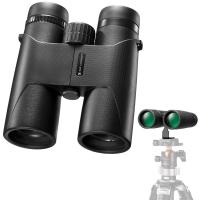
- ※a tripod adapter is necessary to attach binoculars to a tripod.
Exit pupil and optical performance
- larger exit pupil binoculars with a 5mm or larger exit pupil are ideal.
- we cannot recommend binoculars with an exit pupil below 3mm for stargazing.
- because you are viewing stars, which are point light sources, it is essential to have binoculars with high resolution capabilities.
- choose binoculars with high lens performance that produce a sharp image even in the periphery of their field of vision.
- waterproof there is no need to worry about your binoculars in night dew or when there is sudden rainfall.
- choose binoculars that fit your stargazing style, considering whether you plan to hold the binoculars in your hands or attach them to a tripod and so on.
- in addition, it is important that you try holding the binoculars in your hands, look through the lenses and choose what works best for you.
Best time and place for stargazing with binoculars
- when is the best time?
- colder days with crisp, dry air are ideal for stargazing, as the atmosphere is clearer under these conditions.
- the moon is brighter than one might think, so you can find more stars in the sky when the moon isn’t out.
- where is the best place?
- the best place will give you an unobstructed view of the sky in every direction.
- the fewer streetlights and other bright lights around you, the more stars you will be able to see.
- at home?
- you can also view the stars from the window or porch of your home.
- if there are streetlights nearby, you can view the stars more easily by blocking out the light with your hand.
- even in the city, the number of stars you can see will increase if you wait until the middle of the night.
How to find objects with binoculars
- the area of space that you can see through binoculars is smaller than expected when compared with what can be seen with the naked eye.
- for this reason, it is better to find the stars (or constellations) that you want to view with your naked eye first.
- keeping your gaze fixed on the same spot, swiftly bring the binoculars up to the level of your eyes and peer through them.
- another way is to find a bright star and, using that star as a reference point, gradually move your binoculars’ field of vision in the direction of the galaxy or star cluster that you wish to view.
How to hold binoculars steady
- when viewing with your body upright, you may lean against a wall or pillar to reduce possibility of unstable image and uncomfortable viewing due to shaking by hand movement.
- another easy way to reduce possibility of them is resting your elbows or placing your binoculars on a handrail.
- some of the best binoculars for astronomy and stargazing are image stablisation binoculars, which are designed to hold steady during use.
Useful items for stargazing
- star chart or planisphere
- a planisphere is a disc with a picture of the night sky for an entire year printed on it.
- by aligning the date and time, you can check which stars you will be able to see in the night sky on that day and at that time.
- flashlight
- you will need a flashlight when moving and when looking at your planisphere.
- so as not to overstimulate your eyes after taking the time to get used to the darkness, you can reduce the light level by draping red cellophane or a red handkerchief over the light to lessen the glare.
- compass
- this is useful for determining direction.
- a compass is especially handy for determining the names of stars and constellations by comparing the night sky printed on the planisphere with the positions of the stars relative to direction in the actual night sky.
- book on constellations
- you can learn all sorts of information about the stars that you are viewing right then and there.
- cold weather gear
- be sure to dress warm for winter.
- you should take adequate measures to protect yourself from the cold, using items such as a blanket or pocket warmer.
- even in summer, it’s best to wear long-sleeved shirts.
- also be sure to bring insect repellant.
Leave your comment
Note: HTML is not translated!