Can You Use Binoculars At Night?
2026-06-29 00:50:02
0 Comments
Using binoculars at night
- one can find so many more stars in the starry heavens when viewing the night sky through binoculars.
- with binoculars, you should be able to view distant galaxies and star clusters that appear as no more than barely visible specks of light to the naked eye.
- why not take the next opportunity to gaze at the night sky at a leisurely pace?
- using binoculars for astronomy and stargazing is becoming increasingly popular as users realise their benefits over a bulky telescope.
- binoculars make astronomy more convenient, more accessible and more spontaneous.
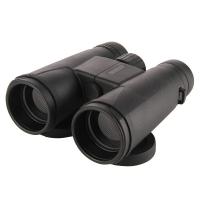
Regular binoculars in low light
- binoculars magnify an image. they don't "enlarge your pupil."
- they don't actively brighten the image in the sense that a night vision device would brighten it.
- you lose light when you put anything between your eyes and the object.
- but bins concentrate all the light hitting your objective lens into your tiny focal lens and things can actually light up, especially with highend bins.
- generally light is lost when you make something bigger with a lens.
- binoculars can be rated according to rle. (relative light effeciency), and some companies will list it.
- the higher the rle the better they will perform in low light conditions.
- generally the larger the objective, (and lower power), will have a high rle.
- so, yes, some binoculars will allow you to see more in low light conditions.
Night sky conditions
- when is the best time?
- colder days with crisp, dry air are ideal for stargazing, as the atmosphere is clearer under these conditions.
- the moon is brighter than one might think, so you can find more stars in the sky when the moon isn’t out.
- where is the best place?
- the best place will give you an unobstructed view of the sky in every direction.
- the fewer streetlights and other bright lights around you, the more stars you will be able to see.
- at home?
- you can also view the stars from the window or porch of your home.
- if there are streetlights nearby, you can view the stars more easily by blocking out the light with your hand.
- even in the city, the number of stars you can see will increase if you wait until the middle of the night.
Binocular specifications for night sky viewing
- large effective diameter of the objective lens we recommend an effective diameter of about 40mm to 50mm.
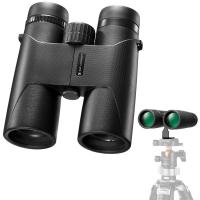
- with larger diameter, we recommend the use of a tripod to stabilize binoculars as larger diameter of the objective lens may cause unstable image and uncomfortable viewing due to shaking by hand movement.
- larger exit pupil binoculars with a 5mm or larger exit pupil are ideal.
- we cannot recommend binoculars with an exit pupil below 3mm for stargazing.
- magnification at a magnification around 7x to 10x, position yourself so that you can hold the binoculars firmly in place while viewing.
- binoculars with overly high magnification may cause unstable image and uncomfortable viewing due to shaking by hand movement.
- when using high-magnification binoculars, you can fix the binoculars in place using a tripod to steady your field of vision for extended viewing without any worries.
- ※a tripod adapter is necessary to attach binoculars to a tripod.
- high optical performance because you are viewing stars, which are point light sources, it is essential to have binoculars with high resolution capabilities.
- choose binoculars with high lens performance that produce a sharp image even in the periphery of their field of vision.
- waterproof there is no need to worry about your binoculars in night dew or when there is sudden rainfall.
- binoculars that fit your stargazing style choose binoculars that fit your stargazing style, considering whether you plan to hold the binoculars in your hands or attach them to a tripod and so on.
- in addition, it is important that you try holding the binoculars in your hands, look through the lenses and choose what works best for you.
Magnification and lens diameter
- binoculars are often advertised with two numbers separated by an "x."
- for example, you may see them labeled as "8x42" or "10x50."
- these numbers represent the magnification and lens diameter of the binoculars, respectively.
- the magnification number shows how many times closer an object will appear through the binoculars and the lens diameter determines how much light enters the binoculars.
- the best magnification for binoculars for travel is typically 8x to 10x, which offers a good balance between clarity and stability.
- an 8x magnification offers a wider field of view and is less prone to shaking while you’re on the move.
- a 10x magnification is a little trickier to keep steady, but offers a more detailed view and is great for getting a clearer image.
How to find stars with binoculars
- the area of space that you can see through binoculars is smaller than expected when compared with what can be seen with the naked eye.
- for this reason, it is better to find the stars (or constellations) that you want to view with your naked eye first.
- keeping your gaze fixed on the same spot, swiftly bring the binoculars up to the level of your eyes and peer through them.
- another way is to find a bright star and, using that star as a reference point, gradually move your binoculars’ field of vision in the direction of the galaxy or star cluster that you wish to view.
Preventing unstable image and uncomfortable viewing
- for high magnification binoculars and those with an effective objective lens diameter over 50mm, we recommend the use of a tripod to stabilize the binoculars for viewing, as they may cause unstable image and uncomfortable viewing due to shaking by hand movement.
- this is also a convenient method for steadying your field of vision for extended viewing.
- ※a tripod adapter is necessary to attach binoculars to a tripod.
- when viewing with your body upright, you may lean against a wall or pillar to reduce possibility of unstable image and uncomfortable viewing due to shaking by hand movement.
- another easy way to reduce possibility of them is resting your elbows or placing your binoculars on a handrail.
Night vision binoculars
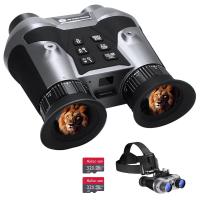
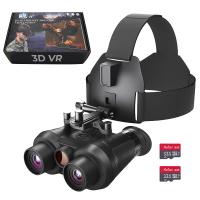
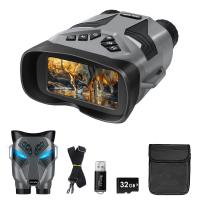
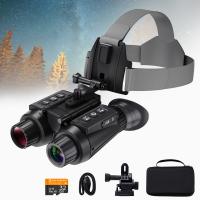
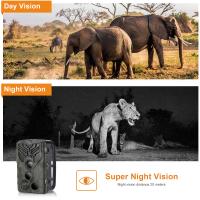
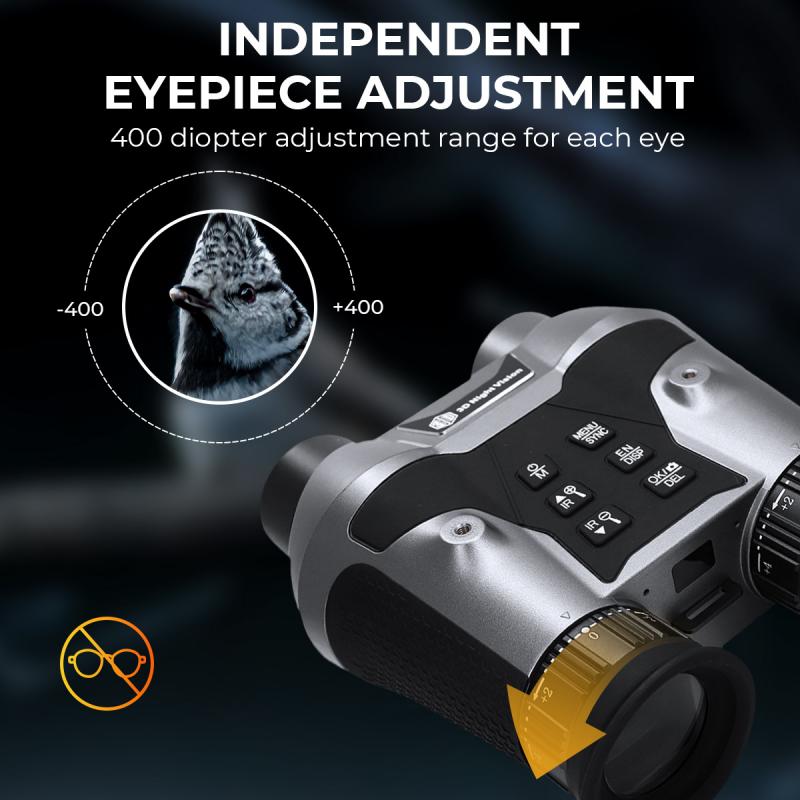
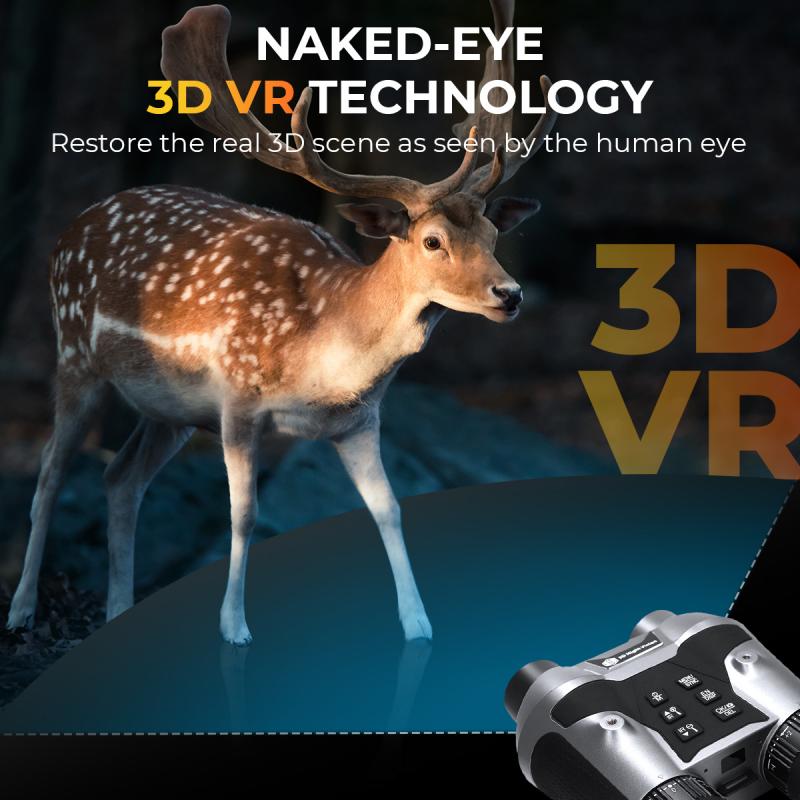
- night vision binoculars enhance available light to help users see in low-light or dark conditions.
- they work by converting visible light into an electronic signal and amplifying it, allowing users to observe in the dark.
- unlike regular binoculars, which rely solely on ambient light, night vision binoculars provide clear visibility even in near-total darkness, making them ideal for stargazing or observing in environments where traditional optics would fail.
- portable, user-friendly, designed for low-light conditions, they offer real-time views of the night sky, letting you easily immerse yourself in its beauty.
Benefits of using night vision binoculars for stargazing
- portability: compared to bulky telescopes, night vision binoculars are generally more lightweight and easier to carry and operate, making them suitable for outdoor use.
- real-time observation: unlike photographic equipment that requires long exposure times, night vision binoculars provide a real-time viewing experience, ideal for dynamic observation of celestial objects.
- ease of use: night vision binoculars can be used handheld, with simple operation and no need for complex setups such as a stable platform or tripod.
Choosing night vision binoculars for night sky observation
- to ensure the best experience for stargazing, it’s important to pick night vision binoculars that align with your specific requirements.
- different generations, each offering varying levels of clarity and sensitivity.
- the higher the generation, the better the image quality, allowing for clearer observation of dim celestial objects.
- luminance gain and resolution: high-quality night vision goggles provide better effectiveness in dark environments, which is important for seeing fainter stars and celestial objects.
- higher resolution means a clearer, more detailed image—an important factor for observing distant objects.
- weather resistance: waterproof binoculars protect against moisture, rain, or dew.
- if you stargaze in humid or unpredictable weather conditions, choosing a waterproof model ensures your equipment lasts longer and performs better in tough environments.
Tips for using night vision binoculars for astronomy
- weather conditions: opt for clear, cloudless nights and avoid foggy conditions, which can affect observation quality.
- locations: bright lights from streetlamps and buildings can significantly reduce observation quality.
- therefore, choosing suburban or rural areas with minimal light pollution is ideal for a clearer night sky view.
- time: the best time to use night vision binoculars for stargazing is during the new moon phase, when the sky is darkest, allowing for clearer visibility of celestial objects.
- use star charts or apps: consider utilizing astronomy apps or star charts to enhance your night sky exploration.
- these tools are invaluable for identifying stars, constellations, planets, and other captivating celestial objects.
- begin with bright celestial targets: initiate your stargazing session by identifying a luminous object in the night sky, such as a planet or a well-known star.
- these objects are more visible in night sky and serve as excellent reference points for adjusting and focusing your binoculars.
Useful items for stargazing
- star chart or planisphere a planisphere is a disc with a picture of the night sky for an entire year printed on it.
- by aligning the date and time, you can check which stars you will be able to see in the night sky on that day and at that time.
- there are many different types of planispheres available, so find the one that works best for you.
- flashlight you will need a flashlight when moving and when looking at your planisphere.
- so as not to overstimulate your eyes after taking the time to get used to the darkness, you can reduce the light level by draping red cellophane or a red handkerchief over the light to lessen the glare.
- compass this is useful for determining direction.
- a compass is especially handy for determining the names of stars and constellations by comparing the night sky printed on the planisphere with the positions of the stars relative to direction in the actual night sky.
- book on constellations you can learn all sorts of information about the stars that you are viewing right then and there.
- cold weather gear be sure to dress warm for winter.
- you should take adequate measures to protect yourself from the cold, using items such as a blanket or pocket warmer.
- even in summer, it’s best to wear long-sleeved shirts.
- also be sure to bring insect repellant.
- ※it’s also a good idea to prepare and bring something warm to drink, a snack and rain gear.
Safety when using binoculars at night
- stargazing on the road, edge of water, cliff or unstable ground should definitely be avoided.
- if you are going to a place where others are already viewing the stars, it is necessary that you be careful not to interrupt their viewing by thoughtlessly shining your flashlight around.
- make sure that your eyes have thoroughly adjusted before moving about.
- you should also reduce the light level by draping red cellophane or a red handkerchief over the light to lessen the glare.
- if you are watching the stars too intently while alone, you may not notice somebody approaching you.
- not all places are safe, so be sure to pay attention to safety and bring a friend when possible.
- be careful not to enter private property or point your binoculars at people or private dwellings.
- especially at night, many people will feel uncomfortable just having binoculars pointed in their general direction.
- be sure to point your binoculars up at the sky only.
Leave your comment
Note: HTML is not translated!