What Camera Does Not Need Wifi?
Not all home security cameras require wifi. Some cameras, like the Arlo Go and the Reolink Go, can use LTE plans instead of wifi. Other home security cameras aren't connected to the internet at all but rather record onto local storage like hard drives. Security cameras without wifi are ideal for private, local storage or remote areas without internet. They reduce hacking risk and avoid subscription fees.
How Security Cameras Work Without WiFi
Security cameras without wifi can work in several ways depending on your needs. The most common options include:
- 4G LTE security cameras: Use a cellular network instead of wifi, making them ideal for farms, remote properties, and areas without internet access.
- Local storage security cameras: Record footage directly to a microSD card, DVR, or NVR without requiring cloud access.
- Wired security camera systems: POE cameras connect directly to an NVR for reliable recording without depending on wifi.
No-wifi cameras that offer live surveillance and real-time alerts require cellular connectivity, which comes at an ongoing cost. You can avoid paying for it by investing in a local storage option, like an NVR. These devices save videos, but can't stream live video and send alerts.
Where No-WiFi Cameras Are Used
In areas where wifi is unreliable or unavailable, outdoor security cameras without wifi are invaluable. They ensure continuous surveillance without depending on internet connectivity, making them perfect for remote locations like farms, rural properties, and large industrial areas where maintaining security is crucial but internet services are limited.
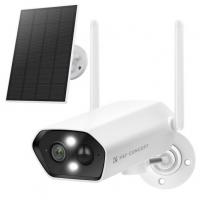
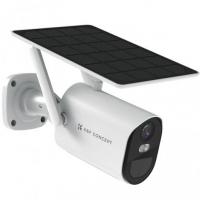
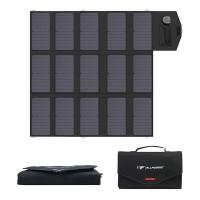
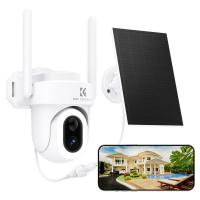
4G LTE and battery-powered models are ideal for farms, cabins, construction sites, and vacation homes, providing reliable surveillance wherever you need it. Solar-powered cameras provide continuous protection with renewable energy. Pairing solar charging with security cameras that work without wifi reduces maintenance and keeps remote monitoring running year-round.

Choosing the Right Camera for Your Needs
The best security cameras without wifi depend on your location and monitoring needs:
- For remote areas
- Choose a 4G LTE camera that works with cellular networks.
- For 24/7 recording
- Choose a POE camera system with an NVR.
- For flexible outdoor monitoring
- Choose battery-powered or solar-powered cameras with local storage.
Defender PhoenixM2 Non-WiFi Security System
The PhoenixM2 is a plug-in power security system with 4 metal cameras that does not require an internet connection. This is a stand-alone security system with no internet connection — the Phoenix cannot transmit footage to an app or mobile device.
Key specifications include:
- GigaXtreme™ wireless technology, allows for up to 450ft. of secure range to the included 7" LCD screen
- Twelve specially engineered IR LEDs, automatically shifts to night vision at sundown to give a clear view of property up to 40ft. away
- Camera operating temperature: -40°C ~ 40°C (-40°F ~ 104°F)
- IP65 water and dust resistance
- SD card support up to 256 GB
- 2.4 GHz wireless connection
- 64° diagonal field-of-view (FOV)
- Two-way audio support
With flexible recording options right to the local SD card, you'll never be burdened with contracts or subscription fees. Storage capacity at VGA (640×480) resolution recording at 30fps:
- 8 GB SD = 88 hours average recording time
- 16 GB micro SD = 176 hours average recording time
- 32 GB micro SD = 352 hours average recording time
- 128 GB micro SD card = 1,408 hours average recording time
- 256 GB micro SD card = 2,816 hours average recording time

Eufy Outdoor Security Cameras Without WiFi
Eufy outdoor security cameras without wifi feature up to 2K resolution, making sure even the tiniest detail of what is happening in the surroundings of your home is recorded with impressive clarity. The powerful night vision feature enables detailed night vision, resulting in superior footage quality in low-light conditions.
AI-enabled human detection technology makes a clear distinction between humans and animals, effectively reducing the number of false alerts. Eufy outdoor security cameras without wifi can store up to 3 months of footage locally thanks to the 16GB eMMC, and the AES-128 advanced data encryption technology guarantees the privacy of recorded data.
The Eufy 4G LTE Cam S330, in particular, extends functionality to the most remote areas using cellular networks, providing 360-degree coverage and 4K resolution, ensuring that no detail is missed.
Reolink Security Cameras Without WiFi
Reolink security cameras without wifi support local storage options, including microSD cards and NVRs. Unlike cloud-dependent systems, recordings remain private, accessible, and under your control without paying recurring subscription fees.
Key models include:
- Reolink TrackMix LTE: Uses 4G LTE connectivity to send alerts and enable remote viewing without relying on a home wifi network — ideal for areas with unstable internet coverage.
- Reolink Go PT Ultra: Offers 4K resolution with pan-and-tilt functionality, helping you monitor wider areas with fewer blind spots.
WiFi vs. No-WiFi Cameras: Pros and Cons
Both have pros and cons. Wireless cameras are easier to install but their connection is less dependable. Completely wireless cameras are battery-powered, which has its own set of issues. Wired cameras are harder to install, but provide a more dependable signal. If a wired camera needs to be plugged in or hardwired to your electrical system, it can limit where you can place the camera.
Pros of wifi cameras include:
- No data plans required: Since you probably already have wifi in your home, you won't have to pay for any additional data plans.
- Live streaming: You'll be able to see what's going on at home through your mobile app.
- Remote control: Most cameras also allow for remote control, including arming and disarming, zooming in optically, and speaking through two-way audio.
- Notifications: Modern cameras with AI can now distinguish between a delivery person, your neighbor's cat, and an actual intruder, with the most advanced offering facial recognition. This dramatically reduces false alarms compared to older motion-only detection.
Cons of no-wifi cameras include:
- They may require a data plan. Expect to pay $10 to $30 monthly per camera for cellular connectivity, which adds up fast. Four cameras could cost you $160 monthly just for data.
- They're bulky. DVR-based systems require dedicated storage space. A typical 16-channel NVR is about the size of a desktop PC and needs proper ventilation to prevent overheating.
- They're expensive. Professional-grade CCTV systems start around $1,000 for a basic 4-camera setup, compared to $200 to $400 for comparable wifi systems.
Security cameras that work without wifi or internet can record footage locally and continue monitoring even when there is no network connection. However, internet access is usually needed for features like remote viewing, push notifications, or cloud storage. If you need remote access without wifi, a 4G LTE security camera, like the Reolink Go series, is a practical choice.