How To Choose A Lens For Your Camera?
Buying a new lens is one of those camera decisions that looks simple until you start comparing focal lengths, apertures, mounts, stabilization, autofocus motors, and prices that make no emotional sense at midnight.
The best way to choose a lens is not to start with “What is the sharpest lens?” or “What lens do professionals use?” Start with a more boring question:
What do you actually photograph, and what frustrates you about your current lens?
That answer usually points you in the right direction faster than any spec sheet.
Start with what your current lens cannot do
Most people shopping for a lens already have one, often an 18-55mm kit lens, a 24-70mm zoom, or a basic phone-camera-style setup on a mirrorless body. Before buying anything, look at the photos you already take.
Are you always zoomed all the way in and still not close enough? You probably need a telephoto lens.
Are you backing into walls trying to fit people or buildings into the frame? You need something wider.
Are your indoor photos blurry or noisy? A lens with a wider maximum aperture may help more than a new camera body.
Are your portraits sharp but the background still looks distracting? You may want a longer focal length or a brighter prime.
Are you tired of carrying a heavy camera and leaving it at home? A smaller lens might improve your photography more than a technically superior one.
This is the part people skip. They buy a lens because someone online called it “essential,” then discover it does not match how they shoot.
Focal length matters more than most specs
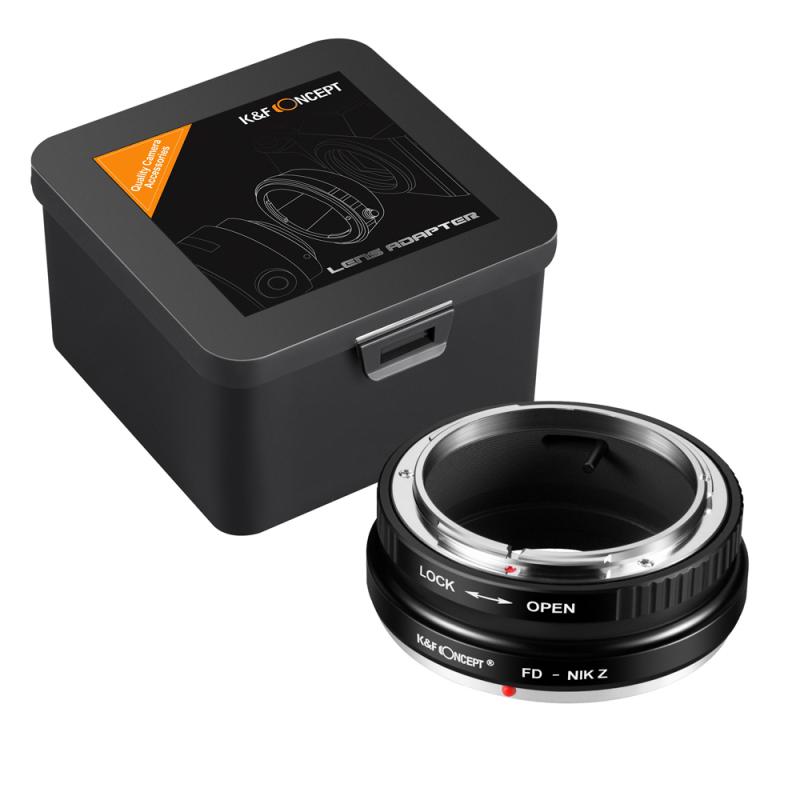
Focal length controls how much of the scene fits in the frame and how the image feels. It is usually shown in millimeters: 16mm, 35mm, 50mm, 85mm, 200mm, and so on.
A wide-angle lens, such as 16mm, 20mm, or 24mm, fits more into the photo. These are useful for landscapes, interiors, travel streets, architecture, and tight spaces. The trade-off is that wide lenses can make faces look stretched if you get too close. They also include more background clutter, which beginners often underestimate.
A normal lens, around 35mm to 50mm on a full-frame camera, feels natural for everyday scenes. These are good walk-around focal lengths. A 35mm lens gives a little more environment, while a 50mm lens feels tighter and simpler. Many photographers learn composition faster with a 35mm or 50mm prime because it forces them to move instead of twisting a zoom ring without thinking.
A short telephoto lens, like 85mm or 105mm, is popular for portraits because it gives flattering perspective and helps separate the subject from the background. You do need space to use it. An 85mm lens indoors can feel cramped in a small apartment.
Long telephoto lenses, such as 200mm, 300mm, 400mm, and beyond, are for sports, wildlife, birds, distant details, stage performances, and compressed landscapes. They are satisfying when you need reach, but they become heavier, more expensive, and harder to hold steady.
One detail trips up many buyers: sensor size changes the field of view. A 50mm lens on a crop-sensor camera often behaves more like a 75mm or 80mm lens in framing. It is still physically a 50mm lens, but it looks tighter in use. If you own an APS-C camera, check how the focal length translates before buying.
Prime or zoom: choose based on how you work
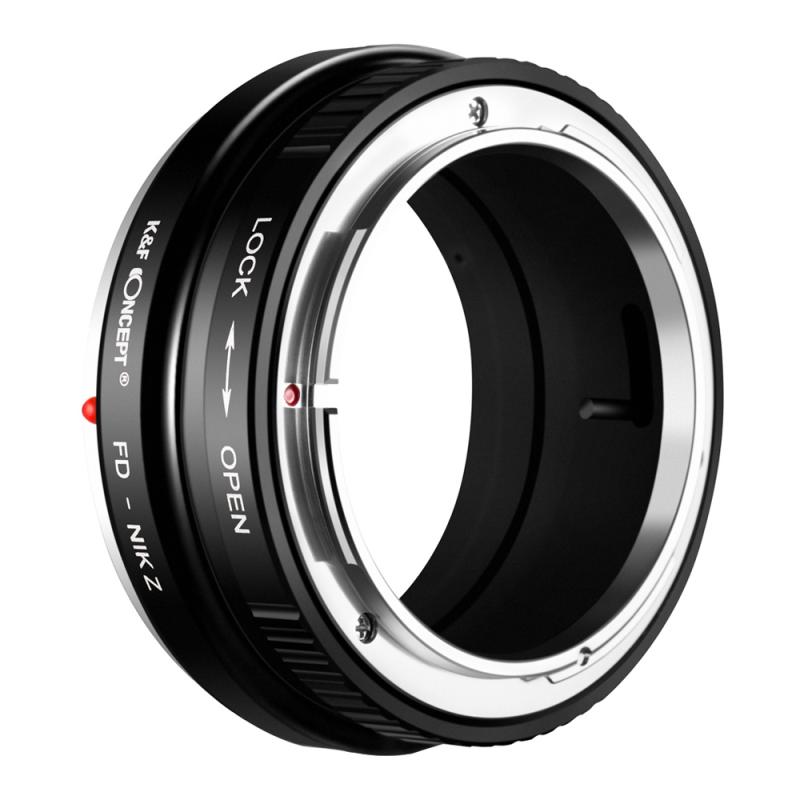
A prime lens has one focal length, like 35mm or 85mm. A zoom lens covers a range, like 24-70mm or 70-200mm.
Prime lenses are usually smaller, brighter, and often sharper for the money. They are great if you like a simple setup or want better low-light performance without spending a fortune. A 50mm f/1.8 is still one of the smartest first lens upgrades for many camera systems. It is inexpensive, light, and capable of portraits and everyday photos that look noticeably different from a kit zoom.
The downside is obvious: you cannot zoom. At an event, with kids, during travel, or in fast-changing situations, changing position is not always possible.
Zoom lenses are more flexible. A 24-70mm lens can handle travel, family gatherings, events, portraits, food, and general documentary work. A 70-200mm can cover portraits, sports, ceremonies, and stage work. A superzoom, such as 18-135mm or 24-200mm, gives huge range in one lens, which is convenient for trips where you do not want to swap lenses.
The trade-off is that zooms are often larger, slower in aperture, or more expensive if they are bright and high quality.
If you mostly photograph planned subjects — portraits, products, still life, landscapes — primes can be wonderful. If life moves quickly in front of your camera, a zoom often saves the shot.
Aperture affects low light and background blur
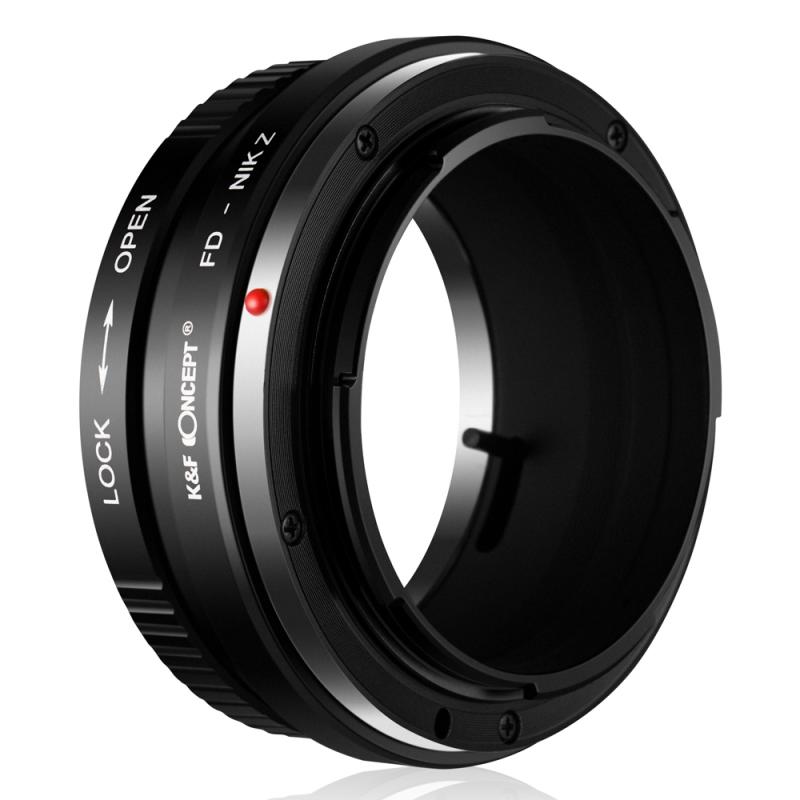
Lens names usually include an f-number: f/1.4, f/1.8, f/2.8, f/4, f/5.6. This tells you the maximum aperture, or how wide the lens can open.
A smaller f-number lets in more light. An f/1.8 lens can shoot in darker conditions than an f/4 lens at the same ISO and shutter speed. It can also create stronger background blur.
This matters in real life. If you photograph kids indoors, restaurants, weddings, concerts, pets, or evening street scenes, a brighter lens can make the camera feel completely different. You get faster shutter speeds and cleaner files.
But wide aperture is not magic. At f/1.4, focus becomes very thin. If you photograph two people at slightly different distances, one may be sharp and the other soft. Many beginners buy a very bright lens, shoot everything wide open, then wonder why half their photos miss focus. Bright lenses are powerful, but they reward careful technique.
For general use, f/2.8 zooms are popular because they balance low-light ability, subject separation, and flexibility. For travel and landscapes, f/4 is often fine, especially if the lens is lighter and you usually stop down anyway.
Match the lens to your camera mount
This sounds dull, but it prevents expensive mistakes. A lens must physically and electronically fit your camera.
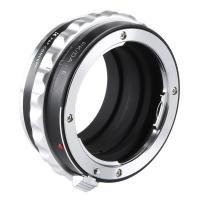
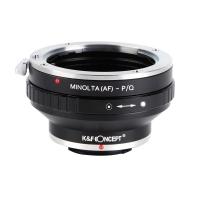
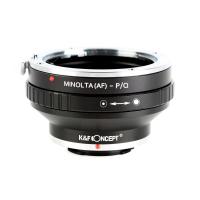
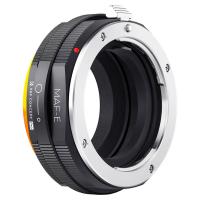
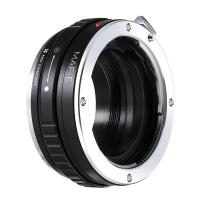
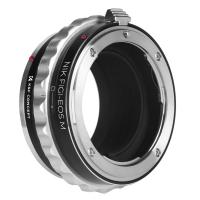
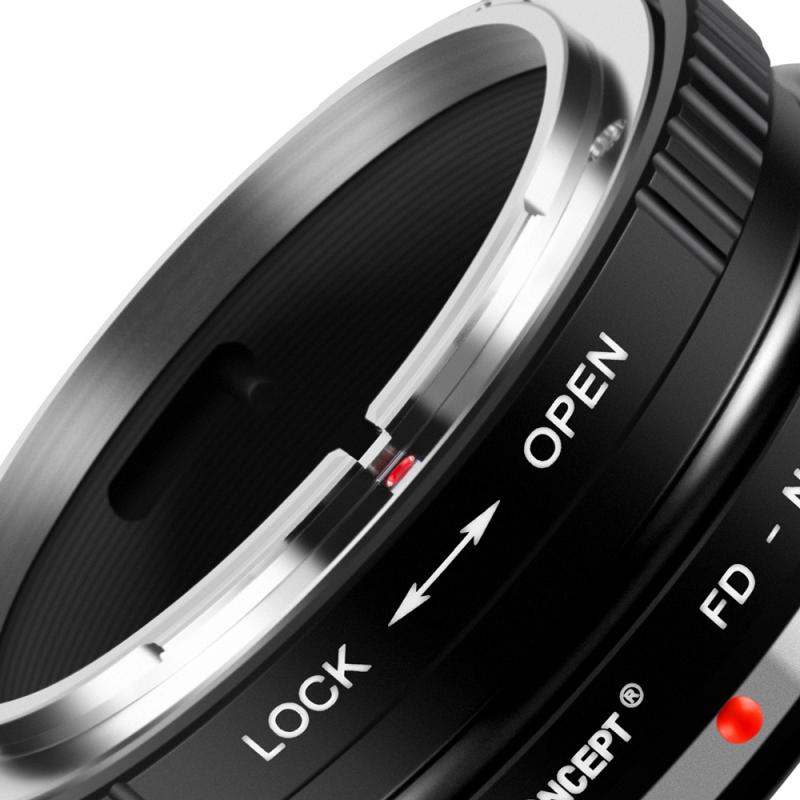
Canon RF lenses fit Canon RF mirrorless bodies. Nikon Z lenses fit Nikon Z cameras. Sony E lenses fit Sony mirrorless cameras. Fujifilm X lenses fit Fuji APS-C bodies. Micro Four Thirds has its own ecosystem. Older DSLR lenses may work with adapters, but autofocus speed, stabilization, size, and handling can vary.
Before buying, check:
- The lens mount
- Whether it covers your sensor size
- Autofocus compatibility
- Stabilization behavior
- Whether an adapter is required
Full-frame lenses can often be used on crop-sensor bodies from the same mount, but they may be larger and more expensive than needed. Crop-sensor lenses usually do not fully cover full-frame sensors, or the camera will crop the image.
Used lenses are worth considering, but inspect them carefully. Check for fungus, haze, scratches, grinding zoom rings, sticky aperture blades, and unreliable autofocus. A little dust inside a lens is normal and rarely matters. Haze or fungus is a different story.
Think about autofocus if you shoot movement
For landscapes, food, products, and posed portraits, almost any modern autofocus lens can cope.
For sports, birds, pets, toddlers, dance, or weddings, autofocus performance becomes much more noticeable. Some lenses focus faster, track better, and make less noise. Others hunt back and forth, especially in dim light.
Video shooters should also pay attention to focus breathing, motor noise, and smoothness. Some excellent photo lenses are annoying for video because the framing changes visibly during focus pulls or the autofocus steps in an ugly way.
If your subjects move unpredictably, read owner feedback from people shooting the same thing you shoot. A lens can be optically sharp and still frustrating if it cannot keep up.
Stabilization helps, but not in every situation
Lens stabilization, often called IS, VR, OSS, OIS, or VC depending on the brand, helps reduce blur from your hands shaking. It is useful for handheld photos at slower shutter speeds, especially with longer lenses.
It does not freeze subject movement. If your child is running indoors, stabilization will not stop motion blur. You still need a fast enough shutter speed. This is a common misunderstanding.
Stabilization is excellent for travel, static subjects, museums, evening city scenes, handheld video, and telephoto work. If your camera body already has in-body stabilization, lens stabilization may still help, but the benefit depends on the system and focal length.
Size and weight are not small details
A lens that looks impressive on paper can become a lens you rarely carry. Big f/2.8 zooms and fast telephotos are fantastic tools, but they change the whole experience of using a camera.
For travel, street photography, hiking, and family days out, a compact lens often wins. A small 35mm or 40mm prime can make a mirrorless camera feel casual and enjoyable. You may take more photos simply because the camera is with you.
For paid work, wildlife, sports, or controlled shoots, weight may be worth accepting. For everyday personal photography, be honest. If a lens makes your camera feel like a burden, it is probably not the right first choice.
What to buy for common situations
For portraits, look at 50mm, 85mm, or 70-200mm lenses, depending on your space and budget. On crop-sensor cameras, a 35mm or 56mm lens often makes more sense than copying full-frame recommendations blindly.
For travel, a good standard zoom is hard to beat. Something like 18-135mm on APS-C, 24-105mm on full frame, or a compact 24-70mm-style lens covers most real travel scenes. Add a small bright prime if you like evening shots or portraits.
For landscapes, wide lenses are useful, but do not assume wider is always better. Many strong landscape photos are made at 24mm, 35mm, 70mm, or longer. A sharp standard zoom and a tripod may serve you better than an ultra-wide lens you only use occasionally.
For wildlife and birds, reach matters. Start looking at 300mm, 400mm, 500mm, or zooms that extend into that range. Autofocus and stabilization become more important here. Cheap long lenses can be fun, but they often struggle in low light or with fast subjects.
For video, prioritize quiet autofocus, stabilization, manageable weight, and smooth handling. A lens that is great for stills may not be pleasant on a gimbal or handheld rig.
For everyday family photography, a bright 35mm or 50mm prime is often more useful than people expect. It handles indoor light better and gives photos a cleaner look without making the camera huge.
Rent, borrow, or buy used if you are unsure
Some lenses only make sense after you try them. An 85mm prime might sound perfect until you discover you do not have enough room at home. An ultra-wide lens might seem exciting until you realize you dislike managing distorted edges and busy compositions.
Renting for a weekend can save hundreds. Buying used from a reputable shop is also a sensible route, especially for popular lenses that hold value. If you choose carefully, you can often resell a lens later with a modest loss instead of being stuck with an expensive mistake.
The simplest way to decide
Pick the lens that removes your biggest current limitation.
If you cannot shoot indoors without blur, get a brighter lens.
If you cannot get close enough, get more reach.
If your camera stays home because it is too bulky, get something smaller.
If you keep missing moments while changing lenses, get a better zoom.
If your portraits look flat and cluttered, try a longer or wider-aperture lens.
Sharpness charts and sample galleries have their place, but they do not know your habits. A great lens is not just the one with the best lab results. It is the one that fits your camera, your subjects, your patience, and the way you actually like to shoot.