How To Clean Uv Lens Filter?
A dirty camera lens filter can become the reason for blurry or hazy photos, ruining all your hard work. Keeping your lens filters clean is essential for good image quality and lifespan of your equipment.
Tools for Effective Camera Lens Filter Cleaning
To clean your lens filters properly, you'll need the right tools. Using a t-shirt to clean them looks easy and appealing, but we would not recommend that. If you care that your filters won't get scratched and serve you for a long time, getting the appropriate tools for cleaning is a must. Here's what you need to have in your cleaning kit:
- Air Blower
- An air blower, also known as a dust blower or air bulb, is used for removing loose dust and debris from camera lenses, filters, and other sensitive equipment. It has a rubber bulb that, when squeezed, expels a burst of clean, filtered air to dislodge particles without touching the lens surface. Air blowers are an essential tool for pre-cleaning lenses before using other cleaning methods, as they help minimise the risk of scratching or damaging the lens coating.
- Microfiber Cloth
- A microfiber cloth effectively cleans dirt, fingerprints, and smudges without scratching or leaving behind residue. It is specifically designed for cleaning camera lens filters, as it is super soft and doesn't leave pieces of fabric after cleaning. Microfiber cloths are reusable and washable, making them an eco-friendly and cost-effective choice for lens cleaning. If you are using a microfiber cloth to clean fingerprints, we recommend washing it before the next use.
- Lens Cleaning Solution
- This is a specially formulated liquid designed to safely and effectively remove stubborn dirt and oils from camera lenses and filters. It is typically alcohol-free and ph-balanced to prevent damage to lens coatings. When using a lens cleaning solution, apply a small amount to a microfiber cloth and gently wipe the lens surface in circular motions for thorough cleaning.
- Lens Pen
- It is a portable and convenient tool for cleaning camera lens filters on the go. It consists of a retractable brush on one end and a soft, non-abrasive cleaning tip on the other. The brush is used to remove loose dust and debris, while the cleaning tip effectively removes fingerprints and smudges without scratching the lens surface. You can use it in combination with a microfiber cloth or instead of it, but keep in mind that you should never use a cleaning solution along with a lens pen.
- Lens Cleaning Tissues (Optional)
- These wipes are pre-moistened with a cleaning solution and are convenient for quick and easy lens cleaning. They are handy for on-the-go cleaning or situations where a thorough cleaning is needed. If you are a fan of cleaning your lens filters with wipes, make sure to choose only those that are specifically designed for camera lenses to avoid damaging sensitive coatings. And remember: one tissue is for one use only.
How to Clean Lens Filters by Scenario
Not every situation is the same. Here is how to approach each common cleaning scenario:
- Greasy fingerprint smudge or dried water/rain: Wipe down with a microfiber cloth with some lens cleaner applied to the cloth. Wipe in circles until it's clean and shiny.
- Simple dust: A rocket blower is usually enough for dust. Maybe follow with a microfiber cloth.
- Sand: A rocket blower is your best friend here. Use the blower first (a lot), then a brush (like the one found on a lens pen), then blower again. That will usually be enough to get sand off of the glass. Be very careful — you don't want to go at it right away with a cloth. You'll trap the sand between the cloth and glass and risk scratching as you wipe.
- Wet/moist/sticky sand or dirt: Same as the sand scenario. Once you get the sand/dirt off you can use a microfiber cloth with some lens cleaner applied to finish off any residue from whatever was wet/moist/sticky.
Using Water and Soap for Heavily Soiled Filters
For all scenarios, use a blower a lot before you try anything else. If the filter is particularly grimy — covered in bugs, mud, salt, or bird poop — place it in a small ultrasonic cleaner filled with mild soapy water. Cycle the cleaner a few times, rinsing the filter under the tap in between each cycle. Eventually the big debris just falls off. If there's salt spray on the filter, let it sit for a few minutes in salt-off and then rinse it in a small amount of demineralised water.
Some users also clean filters by washing them under a running tap with dish washing liquid, which is great for removing oil and grease. Rinse it thoroughly and then dry with a microfiber cloth. A diluted solution of liquid dish soap and water with a cotton cloth has been found to work effectively on stubborn smudges, particularly on coated filters that resist standard cleaning methods.
Cleaning Coated UV Filters
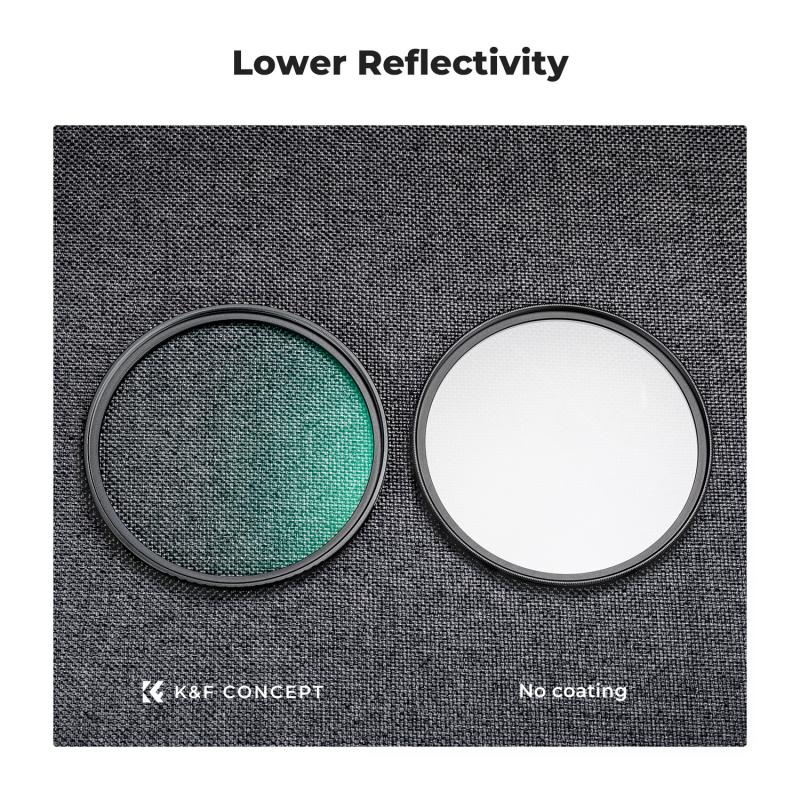
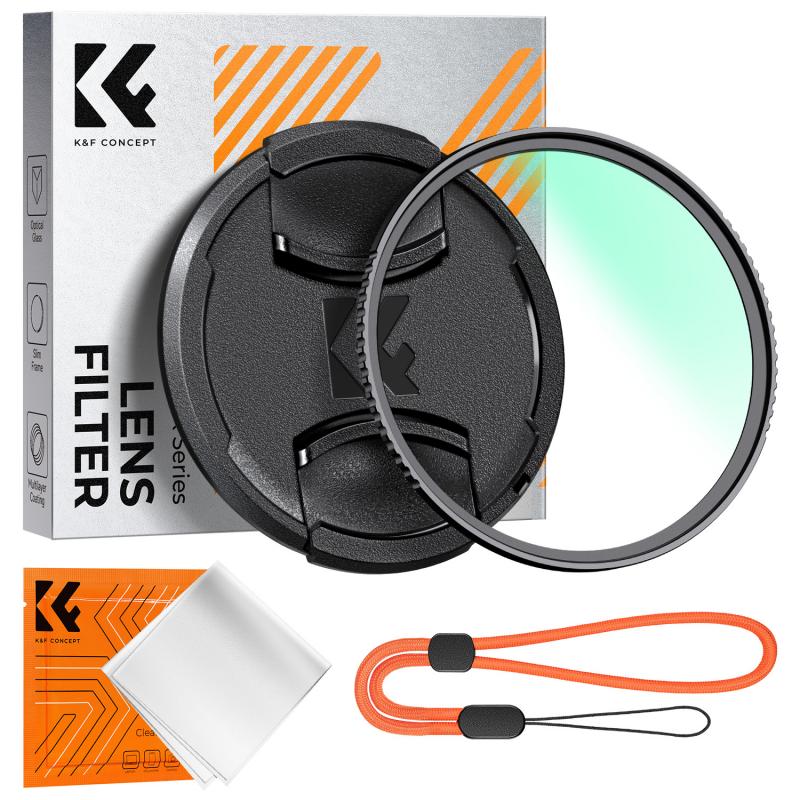
Coated filters can sometimes be very difficult to get completely clean. For heavily smudged coated filters, ditch the lens tissues — they are a complete waste and will smudge the filter more and more. Micro-fiber cloths do a much better job of getting the oil coatings and smudges off lenses and filters. You might also want to try cleaning your filter using a mild non-abrasive detergent and water, rinsing it thoroughly and then drying with the micro-fiber cloth.
If blue-green smudges appear when turning the filter at a certain angle to the light, give it time to dry — when it's still a bit wet from fluid it will leave these streaks. If you are in a humid environment they will remain for a while, but if you just let it sit in a dry place for a while it will clear out on its own. The streaks don't affect the image in a noticeable way.
Breathing on the filter has no chemicals in it and works almost all of the time for light smudges. On the odd occasion you need to really clean it, a little lens cleaning fluid and a soft cloth works well. Just make sure that you clean the fluid off properly.
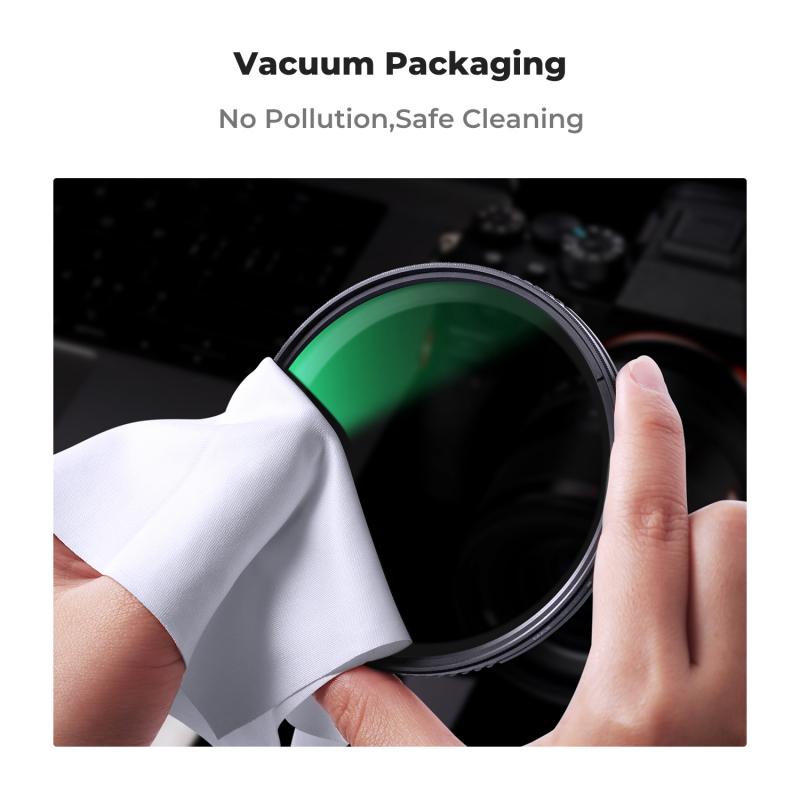
Do's and Don'ts of Cleaning
- Always use a blower before attempting any physical cleaning to remove loose particles and avoid scratching.
- Replace microfiber cloths often, as they will clog eventually.
- Never use a cleaning solution along with a lens pen.
- Make sure to choose only lens cleaning wipes that are specifically designed for camera lenses to avoid damaging sensitive coatings.
- Never go at a sandy or gritty filter right away with a cloth — you'll trap the particles and risk scratching.
- Always apply lens cleaning solution to the cloth, not directly onto the filter surface.
- One lens cleaning tissue is for one use only.
- If a filter is irreparably damaged, replace it — that's why filters exist, to protect the lens element underneath.
How Often to Clean Lens Filters
Clean your lens filters only when they need it. Dirty optics can and will affect your image quality, but glass is relatively hard and durable. However, when advanced coatings and other chemicals are added to the filter, it becomes a surface that's more vulnerable to scratches and damage from chemicals and contact. Because of this, avoid repeated physical interaction — including touching the filter and cleaning it unnecessarily. The front element has the least effect on picture quality; dust and smudges on the rear element will be more apparent in the final image.
Keep in mind that threaded filters tend to be on the relatively cheap side of equipment. If you wind up damaging the filter because you got too aggressive with cleaning, just buy a new one. If something totally horrid gets on the filter — bird poop for example — you can simply take it off and put on a new clear filter.