How Do Metal Detectors Work? A Complete Guide for Beginners and Pros
 If you've ever wandered along a beach, park, or old field and imagined uncovering hidden treasures, you may have wondered: how do metal detectors work? Metal detectors are fascinating tools that can detect metallic objects hidden underground or underwater, from coins and jewelry to gold nuggets and relics. In this guide, we’ll dive deep into the workings of metal detectors, how to use them effectively, what the best metal detectors are, and where you can buy them.
What is a Metal Detector?
A metal detector is an electronic device designed to detect the presence of metallic objects nearby. They are widely used for hobbyist treasure hunting, archaeological digs, security screening, and even industrial applications.
Modern metal detectors combine advanced technologies to provide precise detection, depth indication, and metal identification. Whether you’re searching for gold, coins, jewelry, or lost personal items, a metal detector can make the task significantly easier.
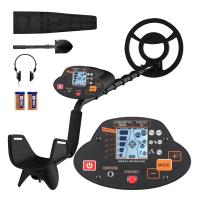
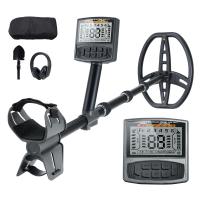
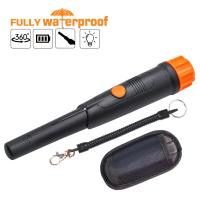
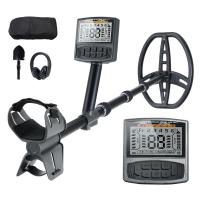
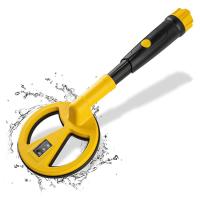
For beginners or professionals, having a reliable and high-performance metal detector is key. For example, the K&F Concept Professional Metal Detector offers high sensitivity, identification mode, and waterproof features, making it perfect for gold detection and general treasure hunting

How Do Metal Detectors Work?
Understanding how metal detectors work can help you use them more effectively and appreciate their technology. At the core, metal detectors use electromagnetic fields to identify metals. Here’s a breakdown:
1. Transmitter Coil:
When you switch on a metal detector, the transmitter coil generates an electromagnetic field. This field penetrates the ground or water surface and interacts with metallic objects.
2. Detection of Metals:
When the electromagnetic field encounters metal, it induces an electric current in the object. This current generates its own electromagnetic field, which the detector’s receiver coil picks up.
3. Signal Processing:
The metal detector then analyzes the signal to determine the type of metal. Some detectors can differentiate between iron, aluminum, silver, gold, and other metals.
4. Audio or Visual Alerts:
The device alerts the user through beeps, tones, or visual indicators on the display. Advanced detectors, like the K&F Concept Professional Metal Detector, even provide identification modes that indicate the type of metal detected.
By understanding the science behind metal detection, users can adjust sensitivity, discrimination settings, and search techniques to maximize success.

How to Use a Metal Detector?
Using a metal detector effectively is about combining the right settings with proper technique. Here’s a step-by-step guide:
1. Choose the Right Location:
Start with places where metal objects are likely to be buried—beaches, parks, old playgrounds, or historical sites. Always ensure you have permission to search.
2. Adjust Settings:
Learn to adjust sensitivity and discrimination. Sensitivity controls how deep your detector can search, while discrimination helps ignore unwanted metals, like iron nails.
3. Sweep Properly:
Sweep the detector slowly and steadily over the ground, keeping the coil close but not touching the surface. Overlapping passes ensure you don’t miss any hidden metals.
4. Listen and Identify:
Pay attention to audio signals or visual cues. Practice identifying metals based on tone and signal strength. High-quality detectors, like the K&F Concept Professional Metal Detector, simplify this process with advanced identification modes.
5. Dig Carefully:
Once a signal is detected, dig carefully to avoid damaging the object. Use a small digging tool or sand scoop if searching on the beach.
By mastering these steps, you can efficiently find treasures and enjoy the hobby to its fullest.

What is the Best Metal Detector?
Choosing the best metal detector depends on your experience, purpose, and budget. Here are some key considerations:
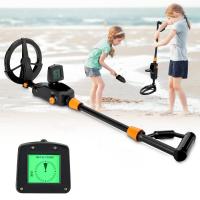
l For Beginners: Lightweight and easy-to-use detectors are ideal. Look for adjustable settings and clear audio feedback.
l For Gold Hunting: High sensitivity and deep detection are essential. Gold is often small and hard to detect.
l For General Treasure Hunting: Detectors with metal identification modes, waterproof coils, and adjustable discrimination are recommended.
For anyone serious about treasure hunting, the K&F Concept Professional Metal Detector stands out. It features:
l High Sensitivity for gold, coins, and jewelry
l Identification Mode to differentiate metals
l Waterproof Coil for beach and shallow water searches
l Adjustable Settings for beginners and pros alike
Other well-known options include Garrett Ace, Nokta Makro Mini Hoard, and White’s XVenture series, but for a balance of performance and price, K&F Concept offers one of the most versatile metal detectors on the market.
How Much is a Metal Detector?
The price of a metal detector varies widely depending on features, brand, and purpose:
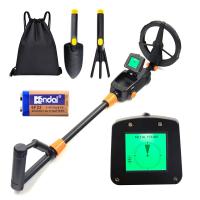
l Beginner Models: $50–$150, lightweight and easy to use
l Mid-Range Models: $150–$400, with better sensitivity, depth, and discrimination
l Professional Models: $400–$1,000+, advanced detection technology, waterproof capabilities, and metal identification modes
The K&F Concept Professional Metal Detector falls into the mid-to-high range, offering excellent value considering its advanced features, durability, and versatility for serious treasure hunters.
Where to Buy Metal Detectors
When searching for where to buy metal detectors, you have multiple options:
1. Official Brand Websites: Purchasing directly from the brand ensures authenticity and warranty support. For example, K&F Concept Metal Detectors are available directly from Kentfaith.
2. Online Retailers: Platforms like Amazon, eBay, and specialty stores offer a wide selection and customer reviews.
3. Local Stores: Outdoor, sporting goods, and electronics stores sometimes stock beginner and mid-range detectors.
4. Second-Hand Options: Consider carefully when buying used detectors; check condition and included accessories.
For the most reliable experience, buying from a reputable online source or official site is recommended. This guarantees you get the genuine product, support, and warranty.
Tips for Getting the Most Out of Your Metal Detector
1. Practice Regularly: The more you use your detector, the better you become at reading signals.
2. Research Sites: Historical areas often yield more finds.
3. Adjust Settings: Don’t use default settings—tailor them to your environment
4. Use the Right Accessories: Pouches, digging tools, and headphones can improve your experience
5. Stay Safe and Legal: Always get permission before searching private land and follow local laws.
By combining the right equipment, knowledge, and technique, metal detecting can be a rewarding hobby, uncovering hidden treasures and making outdoor adventures even more exciting.
Conclusion
Metal detectors are incredible tools that turn the ordinary act of walking into a treasure hunt. By understanding how metal detectors work, learning how to use them, and investing in the best metal detector, like the K&F Concept Professional Metal Detector, you can maximize your success.
Whether you are a hobbyist, a gold hunter, or a professional treasure seeker, knowing the science, techniques, and proper tools ensures that every outing is productive and fun. Remember, the thrill of finding hidden treasures isn’t just about the gold or coins—it’s about the adventure and learning along the way.
So gear up, pick your location, and start your treasure hunting journey today!
Shop the K&F Concept Professional Metal Detector here: https://www.kentfaith.com/GW50.0082_professional-metal-detector-gold-detection-high-sensitivity-with-identification-mode-waterproof