How Do Cellular Trail Cameras Work? – The Complete Guide for Hunters and Wildlife Enthusiasts
In recent years, cellular trail cameras have transformed the way outdoor enthusiasts, hunters, and wildlife photographers monitor the great outdoors. Whether you’re tracking deer movement, guarding property, or exploring remote landscapes, these smart devices let you see what’s happening — even when you’re miles away.
But how do cellular trail cameras work exactly? What makes them different from standard trail cameras? And what is the best cellular trail camera for your needs?
In this detailed guide, we’ll explain everything you need to know — from setup to data plans — so you can choose the best cellular trail camera for your adventures.
What Is a Cellular Trail Camera?
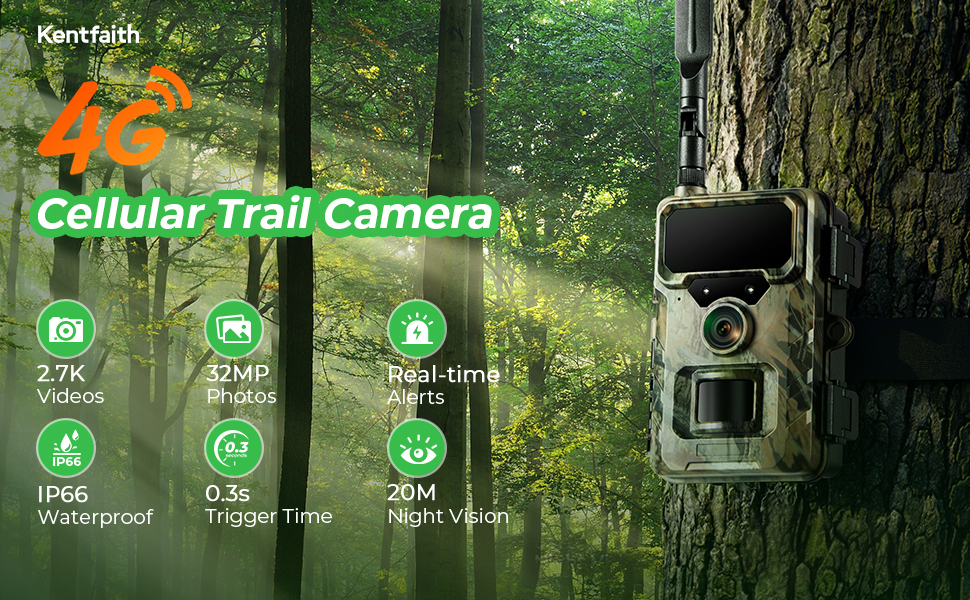
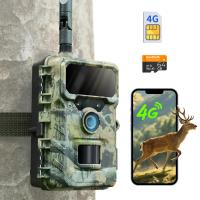
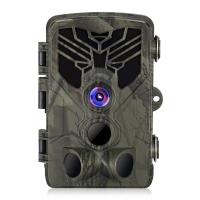
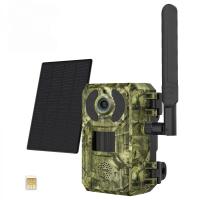
A cellular trail camera is a type of remote wildlife or security camera that uses a cellular network (like 4G LTE) to transmit photos and videos directly to your phone or email. Unlike traditional trail cameras that store footage on an SD card, cellular trail cameras send captured images instantly via a SIM card and data connection.
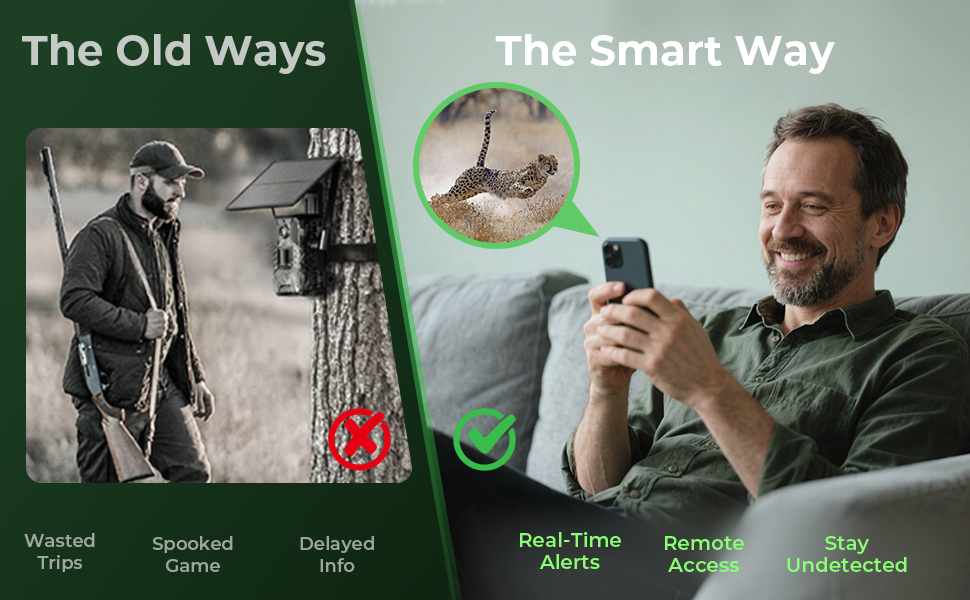
So, instead of physically checking your camera in the field, you can view all your wildlife activity in real time — saving hours of travel and minimizing disturbance to your hunting area.
In simple terms, what is a cellular trail camera?
It’s a motion-activated camera that connects to a mobile network to send you images and videos remotely.
Key Features of Cellular Trail Cameras
n Wireless image transmission via a mobile carrier
n Real-time alerts through mobile apps
n Cloud or SD card storage options
n Weather-resistant design for outdoor use
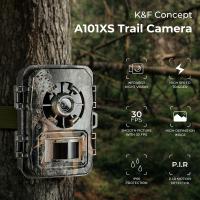
n Advanced detection sensors and infrared LEDs for night shots
This smart technology bridges convenience and performance, making trail camera cellular models the top choice for serious wildlife observers.
2. How Do Cellular Trail Cameras Work?
Here’s the big question: how do cellular trail cameras work?
Understanding how they function helps you make the most of this smart outdoor tool.
Let’s break it down step by step.
Step 1: Motion Detection
Every cellular trail camera has built-in PIR (Passive Infrared) sensors that detect movement and heat. When an animal or person moves within range, the camera activates automatically.
This ensures your trail camera cellular system only captures relevant moments, conserving power and storage space.
Step 2: Image Capture
Once triggered, the camera snaps a high-resolution photo or records a video. Some of the best cellular trail cameras offer 20–30MP photo quality and 1080p or 4K video recording for sharp, detailed results.
Step 3: Data Compression
To make transmission faster, the image or video is compressed into a smaller file. This allows your cellular trail camera to send the data quickly even in areas with weak signal.
Step 4: Transmission via Cellular Network
Now comes the magic — the transmission.
A cellular trail camera uses a SIM card (like your smartphone) to connect to a mobile network such as AT&T, Verizon, or T-Mobile. Once connected, it uploads the image or video to the cloud or sends it to your mobile app or email.
That’s how it delivers real-time data directly to your phone, even from miles away.
If you’re asking, how does a cellular trail camera work, this step is the core — it’s where the camera transforms from a traditional recorder into a live data device.
Step 5: Viewing and Managing Data
You can view and manage your images through an app. Depending on your model, you might even adjust settings remotely — like changing trigger sensitivity, image resolution, or upload frequency.
Step 6: Subscription and Data Plans
At this point, many users wonder: do cellular trail cameras require a subscription?
The answer is yes. Because cellular trail cameras use mobile networks to send data, they need an active data plan.
So, how much is a cellular plan for a trail camera?
Ø Entry-level plans start around $5–$10/month for a few hundred images.
Ø Heavy usage or multiple camera setups may cost $15–$20/month.
Some brands, like K&F Concept, offer flexible plans or let you use your own SIM card, giving you more control over costs.
In summary, how do cellular trail cameras work?
They detect motion, capture an image, and send it instantly via a mobile network — providing 24/7 insight from wherever you are.

The Benefits of Cellular Trail Cameras
Now that you understand how does a cellular trail camera work, let’s explore the key benefits that make them essential tools for both outdoor enthusiasts and professionals.
1. Real-Time Access
The biggest advantage of a cellular trail camera is instant data transmission. Instead of waiting days or weeks to check SD cards, you get notifications and photos directly on your phone.
2. Convenience and Time-Saving
No need to disturb your hunting grounds or drive long distances to check your camera. A trail camera cellular sends all activity updates automatically, saving countless hours and reducing scent contamination in wildlife areas.
3. Enhanced Security
Many property owners use cellular trail cameras for surveillance. When motion is detected, the camera instantly alerts you with a photo — making it a powerful, wireless security system.
4. Reliable Monitoring in Remote Areas
Even in areas without Wi-Fi, a cellular trail camera can transmit data as long as there’s cell coverage. This makes it ideal for remote locations, farms, or forests.
5. Easy Management and Cloud Storage
Most modern cellular trail cameras offer cloud storage, ensuring your footage is safe even if the camera is stolen or damaged.
For hunters and wildlife researchers, this also simplifies data organization and long-term analysis.
When considering how much is a cellular plan for a trail camera, remember that the small monthly fee unlocks convenience, safety, and accessibility that traditional cameras can’t match.
3.How to Choose the Best Cellular Trail Camera
Selecting the best cellular trail camera involves balancing image quality, speed, and reliability. Here are the key factors to consider before making your purchase:
1. Network Compatibility
Ensure the cellular trail camera supports the network carrier available in your area. A weak signal can lead to delayed or failed uploads.
2. Image Resolution
Look for a trail camera cellular with high photo and video resolution. The K&F Concept cellular trail camera, for example, delivers clear, crisp images that make identifying animals or intruders easy.
3. Trigger Speed and Detection Range
Fast trigger speed ensures no movement goes uncaptured. The best cellular trail cameras have trigger speeds under 0.3 seconds and a wide detection range of up to 100 feet.
4. Battery Life and Power Options
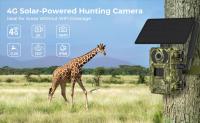
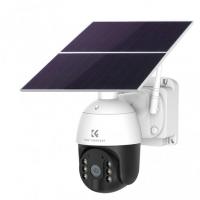
Outdoor cameras must withstand long standby periods. Choose a cellular trail camera that offers solar panel compatibility or extended battery packs for continuous use.
5. App Integration
Modern cellular trail cameras are controlled via dedicated apps. The K&F Concept app is user-friendly and packed with remote control, notification, and cloud storage features.
6. Subscription and Data Plans
Remember: do cellular trail cameras require a subscription? Yes — and the best option depends on your activity level. Check each manufacturer’s data plan details and evaluate how much is a cellular plan for a trail camera to choose the most economical package.
Ø Explore the latest K&F Concept Cellular Trail Cameras designed for hunters, researchers, and security professionals.
What Is the Best Cellular Trail Camera (K&F Concept)?
So, what is the best cellular trail camera on the market?
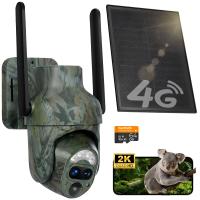
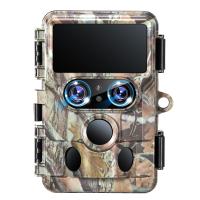
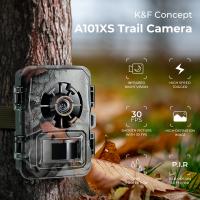
For outdoor professionals and enthusiasts seeking reliability, clarity, and value, K&F Concept cellular trail cameras are a top choice. Built with advanced imaging sensors, 4G connectivity, and durable, weatherproof housing, these cameras combine innovation and practicality.
Why Choose K&F Concept Cellular Trail Camera?
Ultra-Fast Trigger Speed: Capture every movement with near-instant response time.
Superior Image Quality: High-definition day and night imaging powered by infrared sensors.
Efficient Power Management: Long-lasting batteries and solar compatibility for extended field use.
Smart Control App: Manage, preview, and share your captures instantly.
Durability: Designed to withstand harsh weather and rough terrain.
If you’ve been searching for what is the best cellular trail camera, the K&F Concept cellular trail camera lineup delivers performance, ease of use, and affordability all in one package.
Ø Shop the best cellular trail cameras from K&F Concept today and take your outdoor monitoring to the next level.
Do cellular trail cameras require a subscription?
The short answer: yes. Most cellular trail cameras require a data plan from carriers like Verizon, AT&T, or specialized IoT service providers. These subscriptions are what enable the camera to send data over the cellular network.
How much is a cellular plan for a trail camera?
The cost typically ranges from $5 to $15 per month, depending on the plan size and provider. Considering the convenience and real-time access, this investment is small compared to the benefits.
Conclusion
Understanding how do cellular trail cameras work helps you make smarter purchasing decisions. These devices combine smart technology and reliable performance to provide real-time monitoring for wildlife, hunting, and security.
Whether you’re wondering do cellular trail cameras require a subscription, comparing models, or evaluating how much is a cellular plan for a trail camera, investing in a high-quality cellular trail camera will save you time and enhance your experience.
When it comes to what is the best cellular trail camera, K&F Concept stands out for its innovation, image quality, and durability.






-200x200.jpg "Can You Point Phone Camera At Solar Eclipse?")