How Do Trail Cameras Work? The Ultimate Guide to Trail Cameras
If you love wildlife photography, hunting, or home security, you’ve probably heard about trail cameras. These powerful devices let you capture photos and videos of animals or monitor remote areas without being there in person. But how do trail cameras work, and which one is right for you?
In this guide, we’ll explore what is a trail camera, how to set up a trail camera, how to use a trail camera, what is the best trail camera, and even how much does a trail camera cost — so you can make a smart, informed choice.
What Is a Trail Camera?
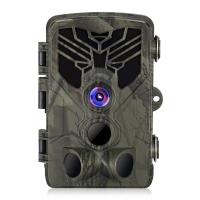
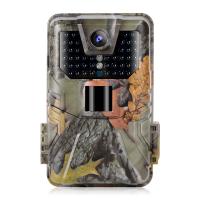
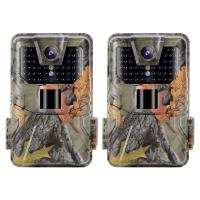
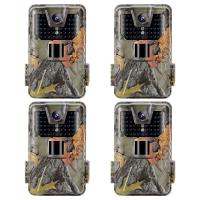
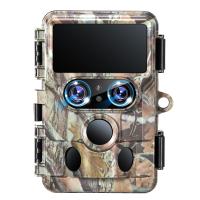
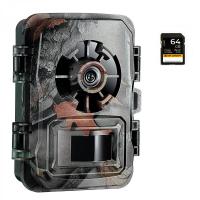
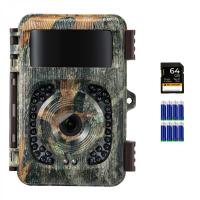
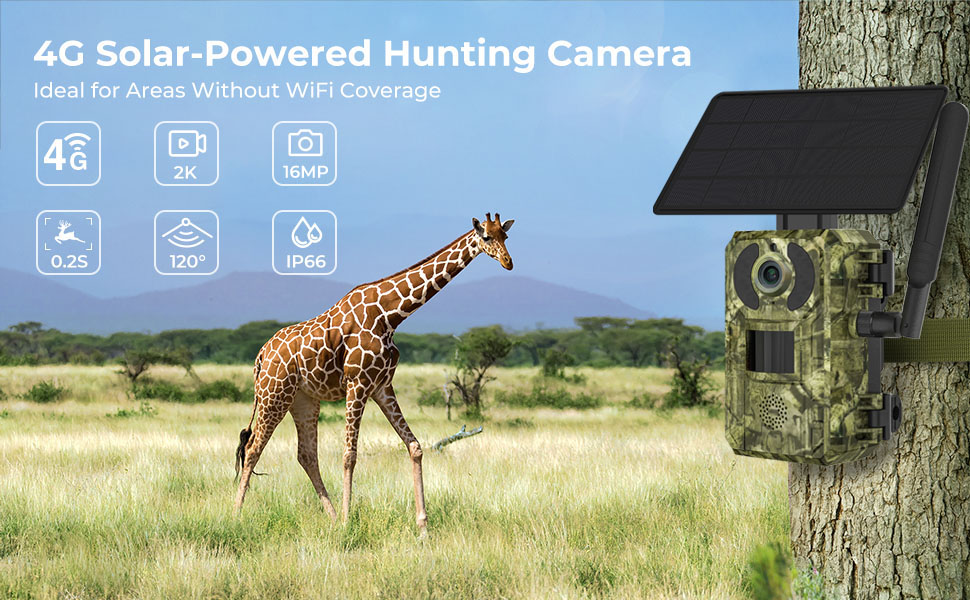
A trail camera, also known as a game camera, is a motion-activated device designed to capture images or videos of wildlife, property, or any outdoor activity. Unlike regular cameras, a trail camera operates automatically — it’s your silent observer in the wild.
Most trail cameras are equipped with:
l Motion sensors (PIR sensors) that detect heat and movement.
l Infrared or LED flash for night vision.
l Weatherproof housings to endure outdoor conditions.
l Memory storage or cloud backup for your images and videos.
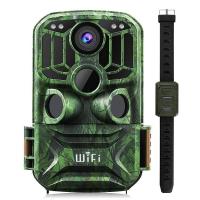
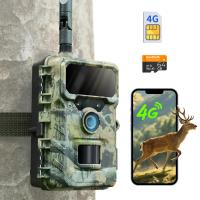
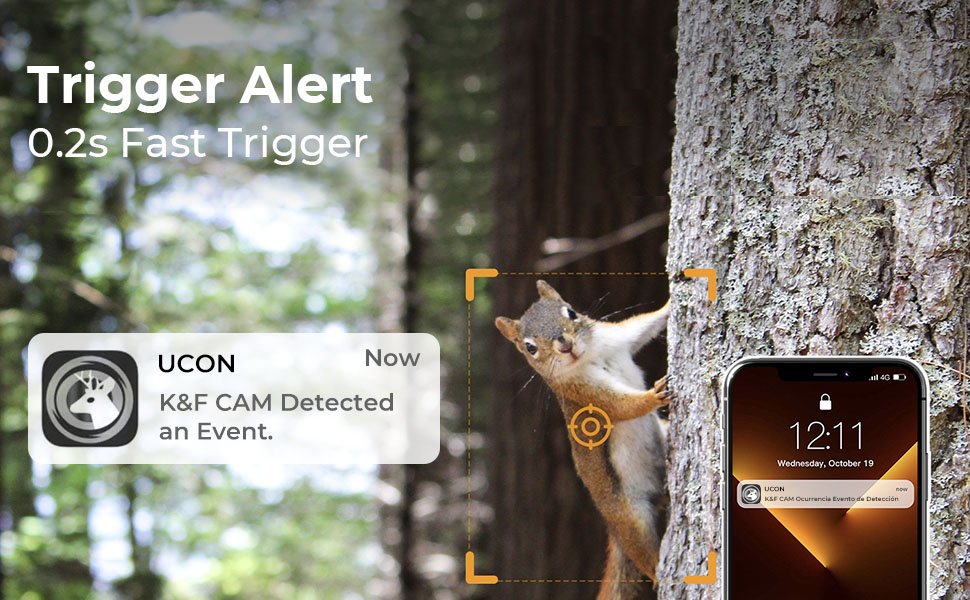
Modern WiFi trail cameras go a step further — they connect to your phone or cloud storage so you can view live footage or get alerts instantly. Whether you’re tracking deer in the forest or monitoring your backyard, a trail camera makes observation effortless and exciting.
How Do Trail Cameras Work?
So, how do trail cameras work exactly? These cameras combine sensors, optics, and smart technology to capture motion-triggered images or videos. Let’s break it down:
1. Motion Detection
When an animal (or intruder) moves within the camera’s range, the PIR sensor detects heat and movement. This triggers the camera to start recording or taking photos automatically — no need to press a button.
2. Image Capture
The lens and sensor work together to produce sharp, high-resolution photos. Depending on your model, a trail camera can capture anything from HD to 4K images — even in complete darkness.
3. Storage or Transmission
Captured files are saved to an SD card or uploaded via WiFi or 4G connection (in the case of WiFi trail cameras or cellular models). This allows remote viewing from your smartphone, ideal for long-term monitoring.
4. Power Supply
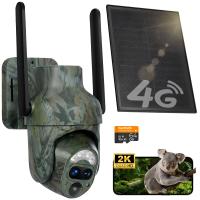
Trail cameras usually run on AA batteries, rechargeable lithium batteries, or solar panels. For continuous outdoor use, solar-powered WiFi trail cameras are a top choice — eco-friendly and maintenance-free.
5. Stealth Mode
Modern best trail cameras use infrared (IR) LEDs to take photos in the dark without visible flash, keeping animals unaware of the camera’s presence.
In short, trail cameras combine sensors, optics, and automation — giving you eyes in the wild, 24/7.

How to Set Up a Trail Camera?
If you’re new to this, setting up your first trail camera might feel intimidating — but it’s actually quite simple. Here’s a step-by-step guide on how to set up a trail camera correctly.
Step 1: Choose the Right Location
Find a spot where animals frequently pass, such as trails, feeding areas, or water sources. For security use, choose entry points or driveways. The location is key to getting the most from your trail camera.
Step 2: Mount Your Camera
Attach your trail camera securely to a tree, post, or tripod at about chest height. Make sure it’s stable and facing the right direction — preferably north or south to avoid direct sunlight glare.
Step 3: Adjust Settings
Set your trail camera’s sensitivity, trigger speed, and photo resolution. For WiFi trail cameras, connect to your mobile app and test the signal strength.
Step 4: Power and Test
Insert fully charged batteries or connect the solar panel. Walk in front of the camera to test motion detection and image capture.
Step 5: Check Regularly
Review your SD card or mobile app to ensure your trail camera is working properly. Adjust angles or settings if needed.
Knowing how to set up a trail camera the right way ensures clear, consistent footage — whether for wildlife monitoring or home protection.
How to Use a Trail Camera?
Learning how to use a trail camera effectively can make the difference between blurry photos and stunning captures.
1. Use Proper Settings
Experiment with trigger speed, delay intervals, and burst mode. Faster triggers are great for fast-moving animals, while slower intervals conserve battery life.
2. Go Stealth
Use camouflage housing or hide your trail camera in dense foliage. Many best trail cameras come in camo designs to blend into surroundings.
3. Check the Angle
Position the trail camera slightly downward and avoid facing it directly toward the rising or setting sun.
4. Manage Your Data
If your camera doesn’t have WiFi, check the SD card every few weeks. For WiFi trail cameras, monitor remotely through your app.
5. Maintain Regularly
Clean the lens, replace batteries, and ensure no water or debris interferes with the sensors.
Once you understand how to use a trail camera, you’ll capture more valuable data and beautiful wildlife shots effortlessly.
What Is the Best Trail Camera?
When choosing what is the best trail camera, it depends on your purpose — wildlife, hunting, or security. However, some features are universally important:
l High Resolution (1080p–4K) for detailed images
l Fast Trigger Speed (<0.3s) to avoid missing moments
l Long Detection Range (up to 100 ft)
l Infrared Night Vision for 24/7 recording
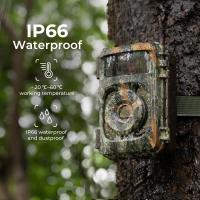
l Weatherproof Design (IP66 or higher)
l Long Battery Life or Solar Power
l WiFi Connectivity for instant updates
Top Recommendation: K&F Concept Trail Cameras
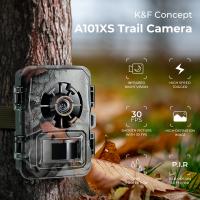
K&F Concept Trail Cameras stand out among the best trail cameras for their innovation and reliability. The K&F Concept WiFi trail camera models combine:
l 2K or 4K resolution for crisp detail
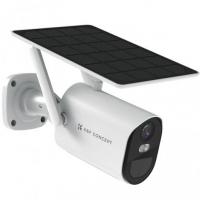
l Built-in solar panels for endless power
l 360° view coverage
l Instant alerts via mobile app
Whether you’re tracking wildlife or enhancing your home security, K&F Concept offers one of the best trail camera solutions for any outdoor enthusiast.
How Much Does a Trail Camera Cost?
The cost of a trail camera varies widely depending on its features. Here’s a quick breakdown:
Type of Trail Camera | Average Price Range (USD) | Features |
Basic Trail Cameras | $50–$100 | Standard motion sensor, SD storage, battery-powered |
Mid-Range Trail Cameras | $100–$200 | Higher resolution, better night vision, faster trigger |
WiFi Trail Cameras | $150–$300 | Wireless image transfer, app control |
Cellular Trail Cameras | $200–$400+ | Real-time alerts via SIM card or 4G connection |
Premium Solar Trail Cameras | $300–$500+ | Built-in solar charging, AI motion detection, 4K video |
So, how much does a trail camera cost really depends on what you need. For example, a WiFi trail camera like the K&F Concept Solar 2K model gives you advanced features and long-term savings — no need for battery replacement.
Investing in the best trail camera means you’ll save time, energy, and money while getting professional-grade performance.
Trail Cameras on Sale — Where to Find the Best Deals
Looking for trail cameras on sale? Kentfaith.com frequently offers discounts on its best trail cameras and WiFi trail camera models. You can often find bundles that include solar panels, SD cards, or mounts — perfect for first-time users or professionals upgrading their gear.
When buying trail cameras on sale, always check for:
l Warranty coverage
l Sensor and lens quality
l Battery or solar options
l Waterproof certification
Buying from a trusted brand like K&F Concept ensures durability and image clarity — even in extreme environments.
Conclusion: Choosing the Best Trail Camera for You
Now that you know how do trail cameras work, how to set up a trail camera, and how to use a trail camera, you’re ready to start exploring the outdoors like never before.
A trail camera is more than just a gadget — it’s your window into the hidden world of wildlife, and a reliable security partner at home. Whether you’re a hunter, researcher, or nature lover, choosing the best trail camera will elevate your outdoor experience.
If you’re ready to capture every moment in crystal clarity, explore K&F Concept’s Trail Camera Collection today. From WiFi trail cameras to solar-powered models, we offer the innovation, reliability, and quality that professionals trust.