How To Store Camera Photos On Sd Card?
2026-07-15 00:56:29
0 Comments
to save camera photos and videos on the memory card
- if you have inserted a memory card (sd™ card) in your xperia™ device, the camera setting data storage appears.
- using this setting, you can select where you want to save photos and videos that you take and record.
android 11 or higher
- activate the camera.
- tap thesettings icon(the gear icon)or tap [menu]
- tap data storage, then tap sd card.
android™ 6.0, 7.0, 7.1, 8.0, 9.0, or 10
- activate the camera.
- tap thesettings icon(the gear icon)→more.
- tap data storage, then tap sd card.
android™ 4.2, 4.3, 4.4, 5.0 or 5.1
- activate the camera.
- tap the menu (three vertical dots), then tap the settings icon.
- tap data storage → sd card.
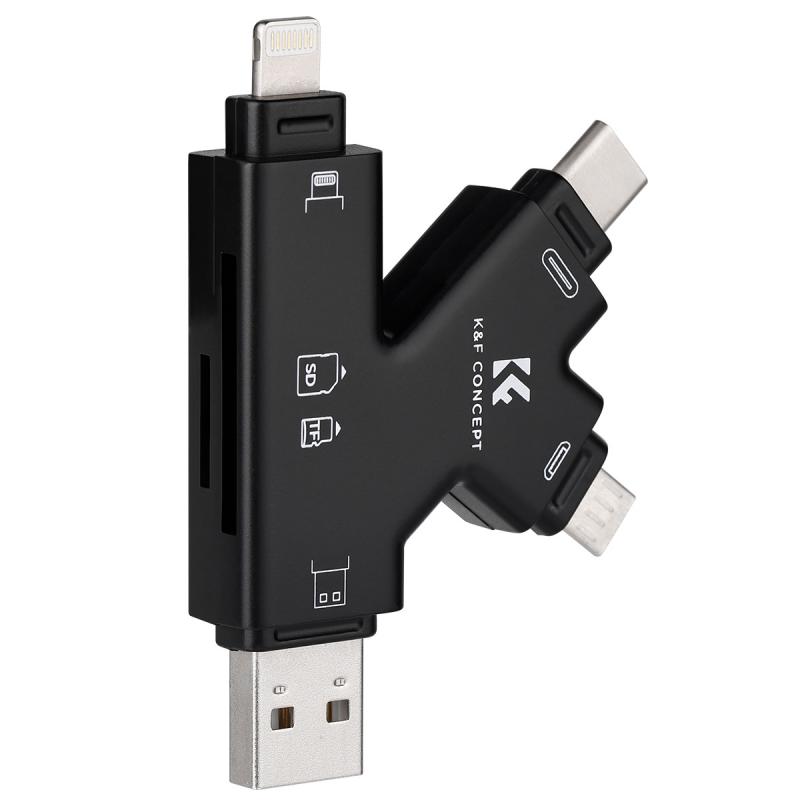
photo pro photos on the memory card
- activate photo pro.
- tap menu
- tap setup → data storage, then select sd card
- note: cinema pro (cinematography pro) in xperia 1, xperia 5, xperia 1 ii, and xperia 5 ii doesn't support sd card storage.
- note: some features in photo pro (photography pro) in xperia 1 ii & xperia 5 ii don't support sd card storage, i.e. 20fps burst mode, raw file format
copy from the camera storage to the sd card
- the copy option is found when you go into look at your pictures and then hit the "menu" button.
- the "copy" option is then found in there and you will be prompted to choose weather you want so copy from the camera storage to the sd card or vise versa.
- i would try to insert a memory card into the camera, then go to camera menu.
- there should be an option copy, select copy and transfer images from the internal memory to the memory card.
- for anyone who can’t find a “copy” option, i worked out how to do this on my olympus tg2 last night, the option i was looking for was “backup” from the review screen.
- it then copies all pics on internal to the sd card.
- when in doubt, use a card you can risk getting erased inadvertently.
sd cards as temporary storage
- right now i am just keeping the photos on sd cards i took them on but i think that might not be the best after one failed on me.
- sd cards do not store data long-term.
- some estimates are that the data could start to degrade in as soon as 6 months.
- no form of digital storage is forever, sd cards are not intended to be long term storage.
- sd cards are less reliable than computer storages when it comes to keeping data for long term.
- keeping them on an sd card is a bad idea all around.
- sd cards should only be a temporary storage solution.
- sd cards are not long-term storage devices.
- sd cards are a bridge between you camera and editing, not a storage.
- don't store anything you want to keep on sd cards. ever.
copy files from the cards
- for one, you can move the data to the computer, you know.
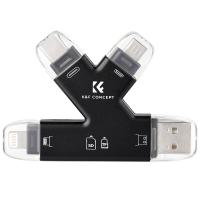
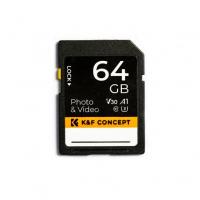
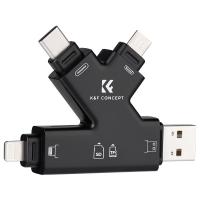
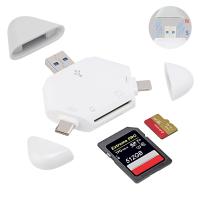
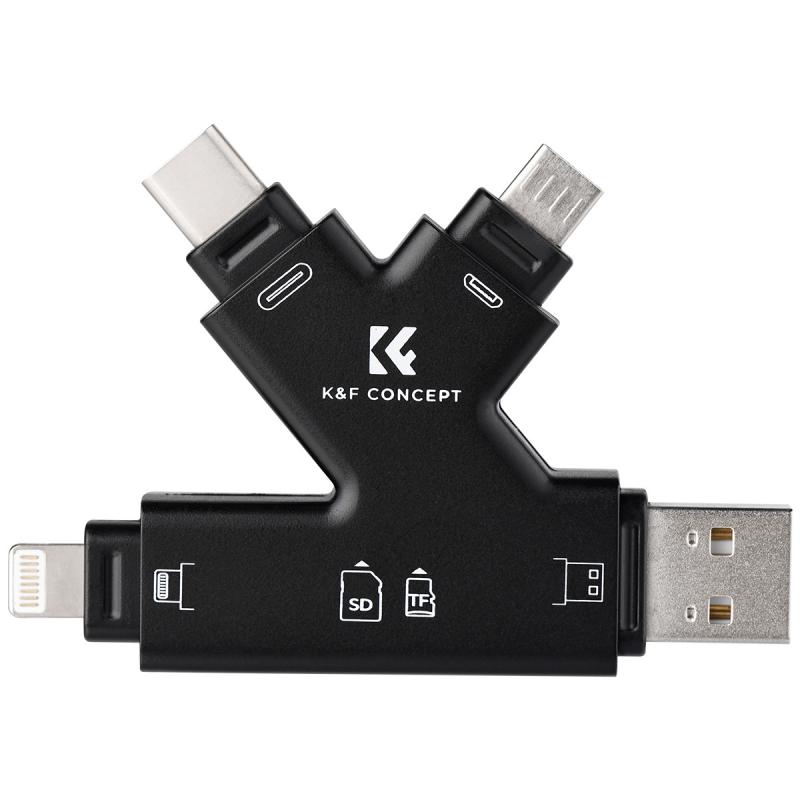
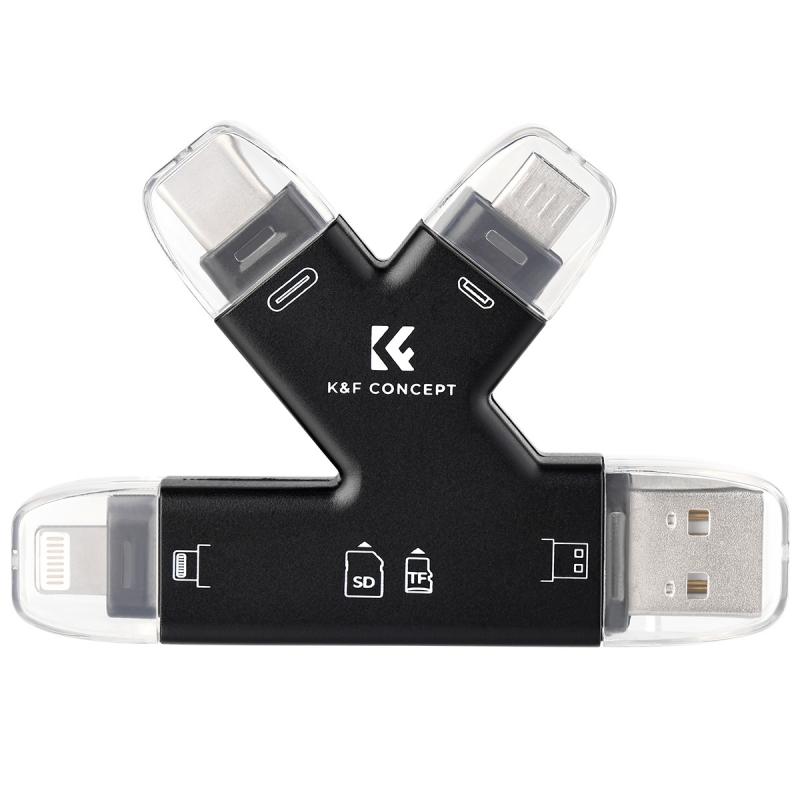
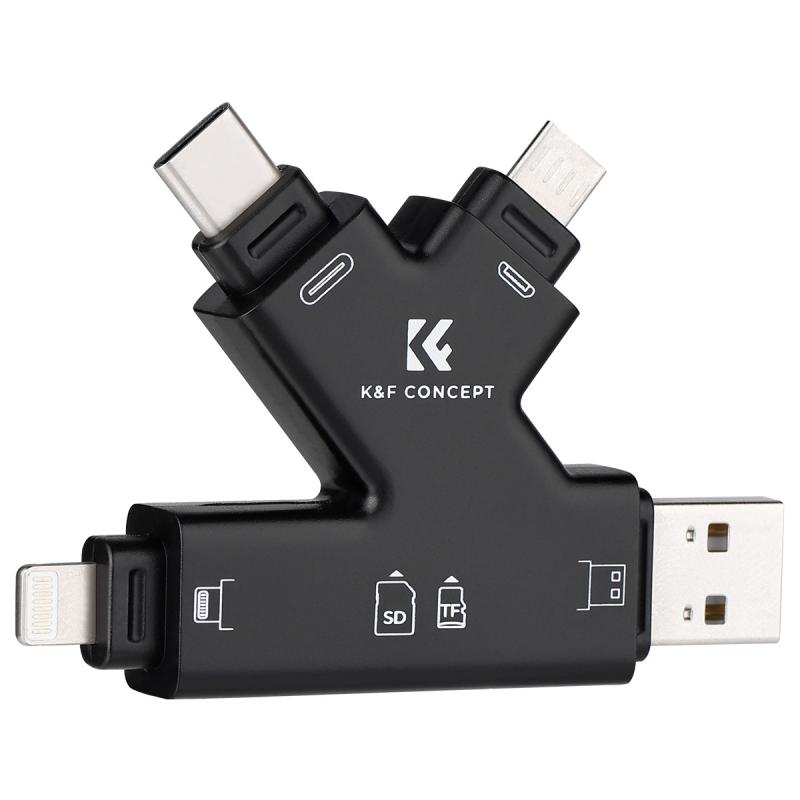
- just use an sd card reader.
- whatever your computer comes with, just copy* the files from the cards to the computer.
- then delete the files on the sd card by formatting it on the camera.
- *i said copy, not move, to avoid the risk of a drive failure when copying/moving data and corrupting the files.
- ideally you would plug the sd card into the reader as soon as you can after a shoot, copy the files to their permanent home, and back them up immediately.
- once you have those copies safe and secure, you would reformat the card in the camera for reuse.
- you do not need to buy a new card every time you fill one up.
- once all that is complete, you can format all your sd cards and use them again.
- export to those photos off every sd card and make sure to set up a good filing system to stay organized.
- once you are complete, format and reuse.
external drive and multiple copies
- you need to use a computer.
- you need to copy the data from your sd cards to at least 2 external hard disks.
- (3 copies is better but 2 is the minimum)
- and you need to plug those drives in every couple years minimum.
- and you need to move the data from those drives to new drives at least every 10 years.
- you would transfer the sd cards to magnetic media, such as a spinning hard drive.
- or you could burn them to disc.
- or you could upload them to the cloud.
- that's step one.
- step 2a, buy an external storage drive, preferably the one that isn't the same type of storage that's in your computer.
- step 2b, copy those photos on the computer into the external storage.
- then you have two copies.
- so when one drive is failed, you still have another copy on your hand.
- but what about disaster that might've happened to your house and destroying those two storage drives?
- that's where the 3rd copy comes in.
- upload them to a cloud storage service.
3-2-1 backup strategy
- this is what's called as 3-2-1 backup strategy.
- the 3-2-1 backup strategy is a standard in i.t. that calls for at least 3 copies; 2 on different types of media, 1 offsite*.*
- if there's a fire, you have an offsite backup.
- if two drives fail, you have a third.
- your data is safe from most scenarios with this strategy.
- as the old saying goes, if you don't have three copies of your data then you have no copies.
master copy, backup, cloud copy
- keep all your photos on one drive (internal or external) as your master copy.
- keep a backup of those photos on another drive (you can use software to automatically backup).
- use a backup service like backblaze to make a cloud copy of everything.
- you can also purchase and external hard drive and copy them onto that.
- then you’ll have multiple different places where you have copies, ensuring that no single accident could destroy them all.
- really, saving to a single hard drive isn't going to guarantee your pictures are secure.
- you need to be backing up that hard drive because they will fail eventually.
- ideally you'd be backing those photos up to an online location if you really want to be sure.
- or you could cut out the local storage and go straight to online storage.
device, card reader, and hard drive
- the first item you must have is a device with a proper file system.
- a computer with windows or macos is the easiest one to work with, but if all you have is a smartphone, that should be fine, too.
- then you need two items that can connect to this device:
- an sd card reader
- a hard drive
- if you have a computer with a large hard drive built-in, you may not need #2.
- but you should probably buy one regardless.
- if you add up the capacities of your cards (assuming they are full or nearly full), you'll find the minimal storage capacity you need.
- i reckon a 2tb drive will do for now.
- once you have that, you can connect the drive to your device, create a folder within it for the first card, connect that card and copy its contents.
- repeat for all cards in succession.
format the card in the camera
- once you have downloaded the files from the memory card to the computer for further processing, it is reasonable to format the card right before using it again.
- often, the card is formatted immediately after transferring photos to your computer.
- we do not recommend this.
- instead, format the memory card in a camera that you are about to use.
- each camera stores photos differently and the formatting processes are different as well.
- once you have downloaded and backed up the photos, it is a good idea to format the memory card.
- it is easier for you and it also keeps the memory card systems simple – the easier it is, the better.
memory card use
- as the main use of memory cards is saving photos in cameras, we mainly focus on photography.
- cameras are excellent devices when it comes to taking photos but perform relatively poor when it comes to processing information.
- even though there is an option to individually delete photos from a camera, it is one of the easiest and most definite ways to mess up the fat.
- selecting and deleting photos should take place after downloading them to the computer.
- after that, format the memory card and you can continue using it.
protect your data and extend the lifespan
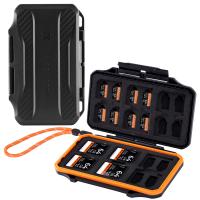
- memory cards have become so capacious and affordable that when going to a photoshoot it is useful to carry an extra one with you that can be used when the first card is full.
- it is even better to have several memory cards with smaller capacity that can be switched – if you have only one 128gb memory card and it fails, you can lose thousands of photos.
- although memory cards are high-quality and relatively intelligent, it is never a good idea to use their full capacity.
- the performance of any storage device suffers when fully filled with data, that includes hard drives.
- it is a good idea to fill the card up to 90% and then change it to a new one.
do not remove the memory card while data is being transferred
- do not remove the memory card from the camera or memory card reader while data is being transferred or read
- if the device is in the middle of storing or processing data, removing the memory card may result in partial or even complete loss of data.
- even if the device gives a signal of processing data with a flashing light, it is reasonable to wait a few seconds after it has stopped to be sure that the process is completed.
- if you are using a memory card in your computer, it is reasonable to use the “safely remove hardware" option in the windows operating system and the “eject" function in osx.
- in the case of a camera, it is always recommended to turn off the camera before removing the memory card.
camera battery and software updates
- every now and then camera manufacturers release software updates.
- do the updates because some of them can resolve issues that affect the communication between the camera and the memory card.
- charge the camera battery or replace the batteries before they are fully drained
- keep an eye on the camera’s battery level so that it does not run out in the middle of data processing or storing process.
- this helps to prevent both, the loss of the last photo taken and problems that may occur on the card due to a partially stored file.
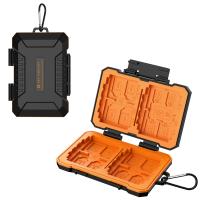
memory card storage and maintenance
- keep the memory cards dry and clean, protected from extreme temperatures.
- try not to drop, bend or break them and keep them away from electromagnetic fields – flash memory data can be lost due to a magnet.
- use a memory card only to store data from the camera or other devices and leave data processing to the computer.
- remember to format the memory card regularly and do it with a device that you will use to store new data.
Leave your comment
Note: HTML is not translated!