What Is A Tripod Stand Used For?
what is a tripod?
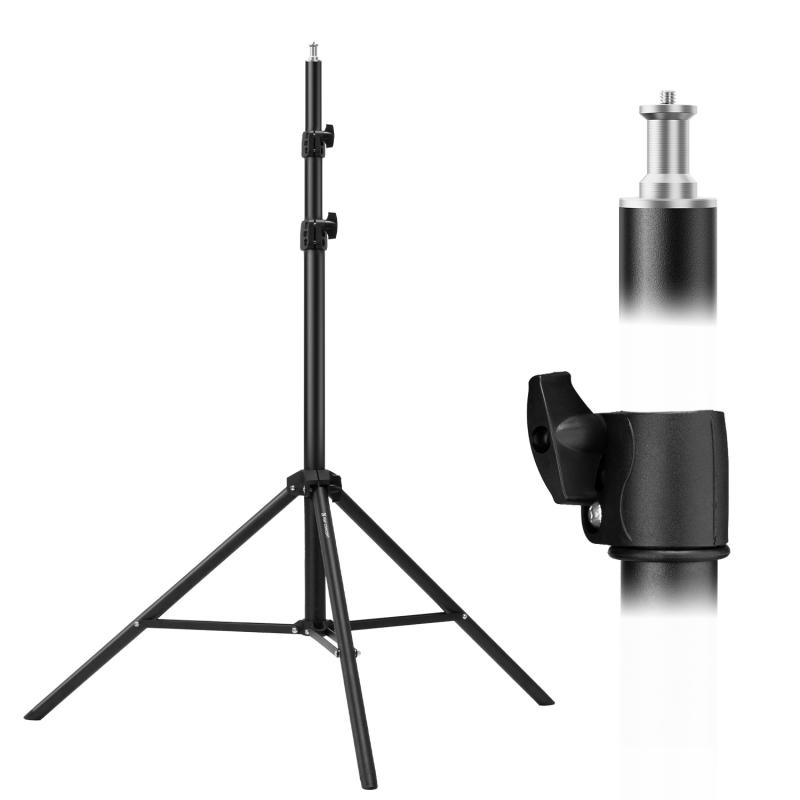
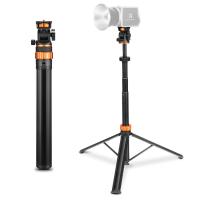
in short, a tripod is a camera stand. particularly, a tripod is a three-legged stand, consisting of three extendable legs, a central column, and a camera mount on top, that provides a stable platform for your camera to sit on.
tripods come in various sizes, materials, and configurations, making them suitable for a wide range of photography styles and settings.
tripods all have three legs and a part where the camera attaches, but there are many brands, styles, variations, and price points. most modern tripods are made of aluminum or carbon fiber, although some are still made of wood. wood doesn’t fold to a compact size like the other materials, so it’s better suited for photo studios.
the name tripod comes from greek where "tri" means three and "pod" means foot.
what is a tripod stand used for?
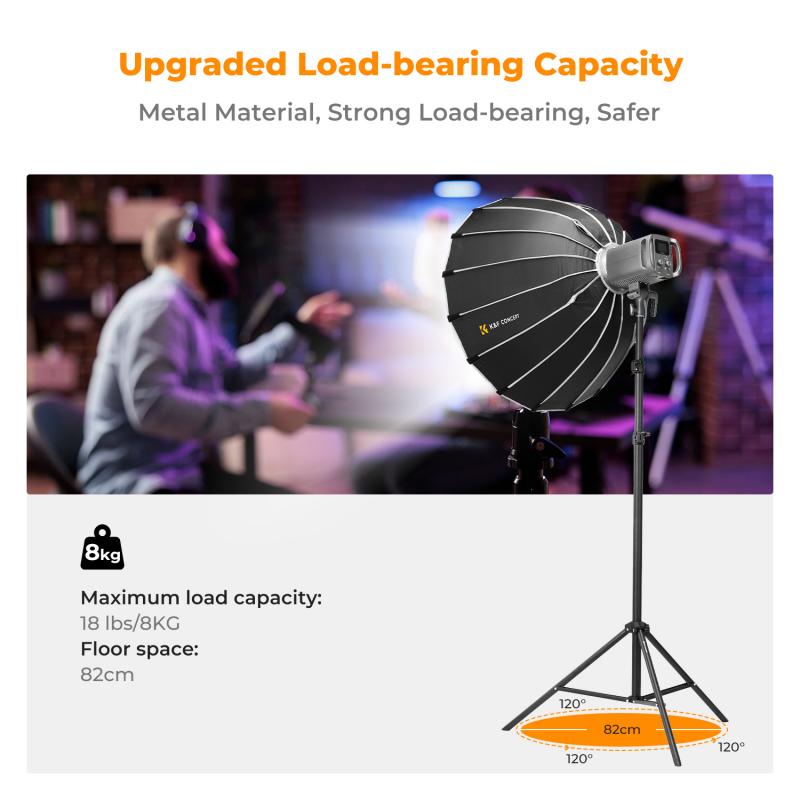
a tripod standis a versatile tool for both film and digital photography. three-legged tripods offer the necessary steadying effect for slow shutter speeds that human legs can’t provide.
whether you’re a professional or amateur photographer, tripods are an essential tool for improving the technical quality of your images. in low-light situations, it’s nearly impossible to prevent someblurrinesswith a handheld camera.
a good tripod can still spell the difference between a fuzzy image and a sharp, beautiful one.
- these three legs offer a steady base even in the shaky hands of the most unsteady.
- the legs on tripods adjust according to your shooting needs.
- you can also adjust the height and angle to get it as close to your vision as possible.
- there is a mount platform on top to support cameras, smartphones, microphones, and other attachments.
- standard screws are an option, or you can select quick-release plates.
the importance of a tripod stand
a tripod isn’t simply an accessory; it’s a must have for anyone doing photography or videography. a tripod secures your device with a strong grip. for long exposures or smooth video captures, stability matters.
shaky hands can lead to blurry images, but a tripod ensures clarity. here’s why this device is so important:
- precision: secure your camera and gain control. a tripod aids in framing your shots effectively. it especially helps with time-lapses and interviews, where each and every detail matters.
- flexibility: tripods come with adjustable legs. this feature lets you capture many different photos. try forgetting about the height you’re at – angles from high or low are great for landscapes, portraits, or small spaces.
- professionalism: work your technique better. eliminate shaky shots and makeshift supports. embrace polished results in your portfolio!
benefits of using a tripod
- to begin with, one of the most obvious benefits of using a tripod is improved stability. handholding your camera can result in shaky shots, especially in low light or when using telephoto lenses. a tripod eliminates these unwanted vibrations, resulting in sharper and clearer images as your camera won’t be wobbly when shots are being taken.
- achieving tack-sharp focus is a goal for every photographer. a tripod allows you to fine-tune your focus without the risk of your camera shaking. this is particularly important for macrolandscapearchitectural photography, where precision is paramount.
- long-exposure photography, such as capturing silky waterfalls or starry night skies, requires leaving the camera's shutter open for an extended period. without a tripod, it's nearly impossible to keep the camera steady during long exposures. a tripod ensures that your camera remains still, resulting in stunning long-exposure shots.
- in low-light conditions, like indoor photography or during the golden hour, using a tripod is a game-changer. you can lower your iso to reduce noise and use slower shutter speeds without worrying about blurriness. this enables you to capture well-exposed, noise-free images.
- a tripod helps you maintain consistency in your compositions. when shooting a series of photos, such as for a panorama or hdr bracketing, a tripod ensures that each frame aligns perfectly. this makes post-processing easier and leads to more cohesive final images.
- by enabling you to carefully compose your images, a tripod gives you more creative control. without having to worry about keeping the camera steady, you may play around with different views, angles, and compositions. your creative potential is enhanced by this freedom to experiment.
- sometimes, you need your hands free to make adjustments, interact with your subject, or handle props. a tripod provides a secure base for your camera, allowing you to step away momentarily while keeping your composition intact. it's particularly useful for studio and product photography.
- tripods aren't just for solo photographers. they are invaluable for taking self-portraits and group photos. with a tripod, you can set up your camera, frame the shot, and join your subjects in front of the lens.
10 reasons to use a tripod
- increase sharpness and depth of field
- support long telephoto lenses
- improve overall image quality
- enable better framing of the shot
- take nighttime shots
- shoot panoramic landscapes
- enable self-portraits with a camera timer
- take extreme close-ups (e.g. flowers, insects, etc.)
- capture difficult or impossible angles
- shoot vibration- and blurry-free photos and videos
photography uses
tripods are essential in photography. here’s how they enhance your craft:
- long exposure photography: a steady base is key for quality long exposures. tripods keep cameras steady. this helps photographers take clear night photos and smooth waterfall shots.
- landscape photography: capture nature with accuracy. using a tripod helps photographers frame shots better. it also lets them experiment creatively. they don't have to worry about camera shake.
- macro photography: capturing shots of subjects, in macro photography requires stability to prevent any blurriness from slight movements making a tripod essential for ensuring sharp images, with fine details intact.
- studio portraits: in controlled environments, a tripod maintains steadiness. studio portraits are usually taken in a controlled setting where a tripod is used to ensure the camera remains steady throughout the shoot.
videography uses
use a tripod to transform your recordings into professional-grade cinematic experiences. here’s how it improves your videos:
- smooth video capture: handheld footage can lead to instability. a tripod is key for stable shots in indie films and home videos.
- time-lapse: exceptional time-lapses require consistent framing. a tripod keeps your camera steady during long shoots. this helps you move smoothly between frames.
- recording clear footage in poorly lit conditions requires longer exposure durations. the tripod provides stability that turns difficult lighting situations into sharp images.
vlogging and live streaming uses
using a tripod is essential for vlogging and live streaming. it helps you get the best results. here’s why:
- steady shots: keep your camera steady with a tripod so you can concentrate on delivering top notch content to your audience.
- hands-free operation: viewers love the experience of engaging with content creators who set up their cameras or phones on surfaces, for hands free operation.
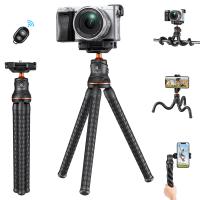
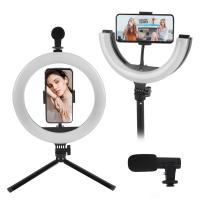
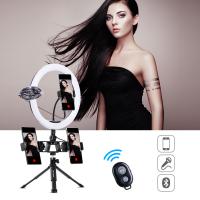
- mobile phones: tripods designed for smartphones enhance professionalism. when a small gadget is paired with a tripod it can capture images effectively.
- microphone mounting: a lot of tripods are also handy as stands for microphones. this is useful for recording audio in settings such as podcasts and interviews.
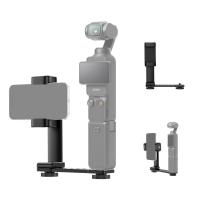
- holders for smartphones and tablets: tripods support mobile devices. they are great for video calls and making content on the go.
tripods for leveling instruments
a tripod is typically used with a leveling instrument, grade rod, laser pole and level detector. tripods are portable and provide support and stability along both the side-to-side and up-and-down axis of motion.
tripods help surveying instruments and devices in astronomy and geology get accurate measurements. their stability is key to reliable results.
different types of tripod stands
tripods exist in many shapes and sizes because each model serves specific functions. here are some common types:
- standard tripods: these tripods are versatile. they can hold cameras and extra equipment. the adjustable legs, along with a ball head make it easier to set up and adjust the position.
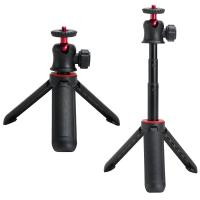
- small tripods: small tripods provide an easy to carry solution, for photography needs due to their compact nature. they support phone cameras and light devices well. this design gives creators flexible options.
- travel tripods: travel tripods are a choice for photographers looking for performance in a lightweight and compact design, without sacrificing quality or convenience.
there are two different kinds of tripods: adjustable-leg tripods and fixed-leg tripods.
- adjustable-leg tripods
- adjustable-leg tripods are the more common of the two in the construction world, especially outdoors because of generally uneven terrain. the adjustable-leg tripod is easier to set up on uneven ground because each leg can be adjusted to exactly the height needed to find level, even on a very steep slope. the adjustable-leg tripod is also easy to transport due to having retractable legs.
- fixed-leg tripods
- a fixed-leg tripod's legs remain the same length continuously. these tripods are being replaced more by the adjustable-leg tripod.
tripod components
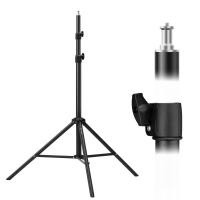
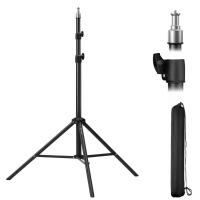
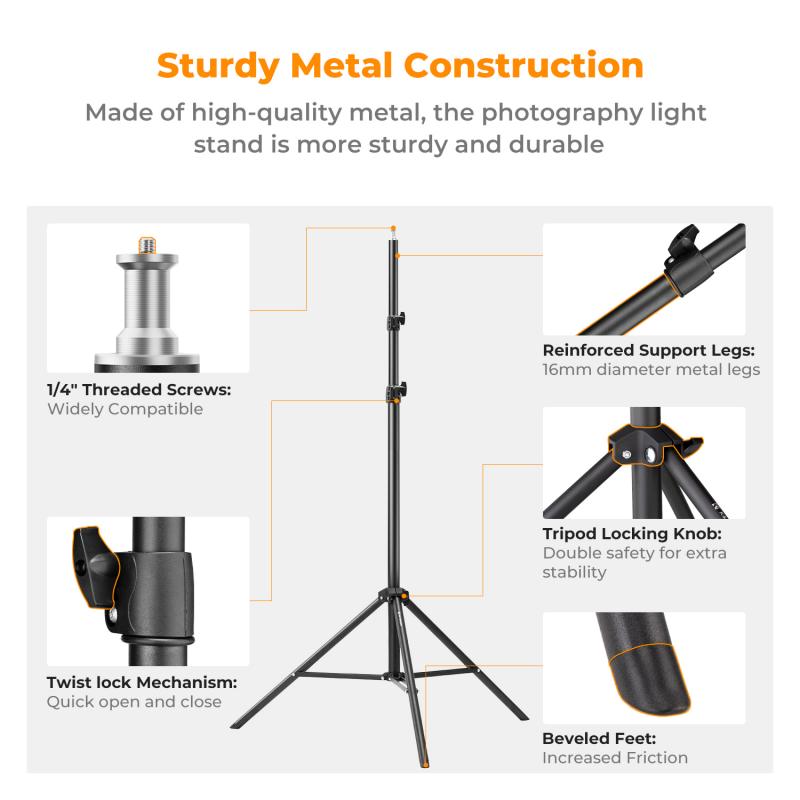
a tripod is made up of three legs, each with metal points called shoes; and a head, which the laser level or other leveling device attaches to.
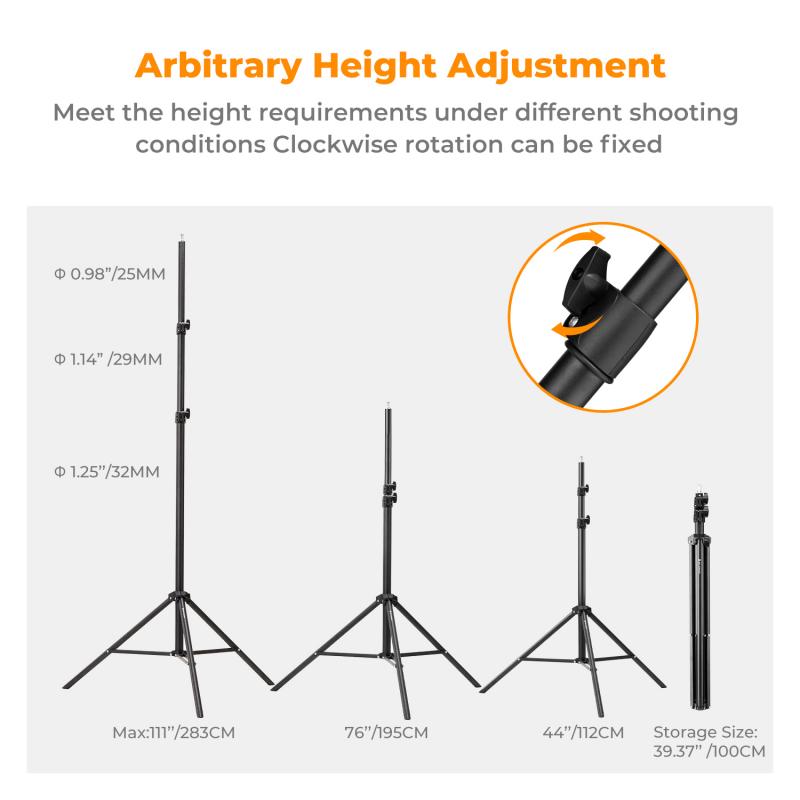
- the first step is to learn about the parts that make up a tripod. all models have a center column and three legs with some type of locking mechanism that enables lowering and raising the tripod to an appropriate height for your shot.
- most tripods also offer the ability to adjust the spread of the legs for varying situations that call for different heights (e.g. tight spaces).
- at the end of each leg is a foot for added stability, and on some models, this is interchangeable.
- the tripod head is where you attach the camera. this typically comes standard with three-way or pan-and-tilt capabilities.
- other models come with a ball-head, featuring one control that loosens or tightens the head to the desired angle.
choosing the tripod stand based on your needs
- invest in a tripod that suits your photography needs. consider factors, such as load capacity, height, weight, and build quality. for heavy cameras and telephoto lenses, opt for a sturdy tripod with good stability.
- carbon fiber tripods provide a combination of durability and lightweight properties at a cost compared to aluminum tripods which are heavier but more budget-friendly.
- weight capacity: ensure that your tripod can adequately handle the weight of your camera.
- height: think about your shooting height. various tripods offer heights to improve user flexibility.
- portability: if you travel often, choose a lightweight tripod. this helps keep your creativity flowing!