Can You Clean Camera Lens With Glasses Cloth?
glasses cloth
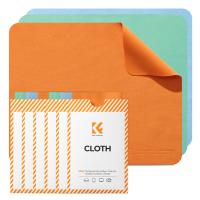
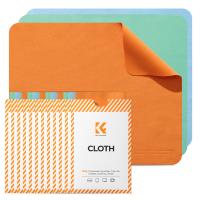
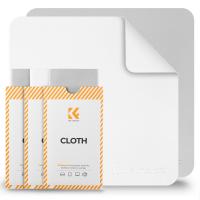
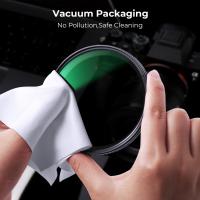
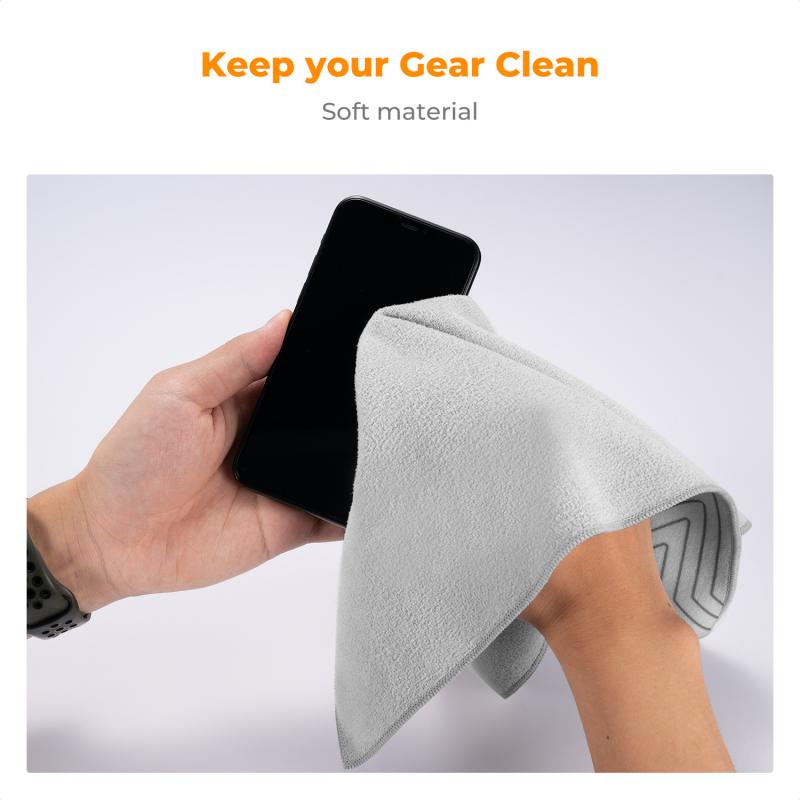
- if you wear glasses, then you already own a microfibre cloth. those handy little cloths which come free in your glasses case are the same ones used for cleaning camera lenses.
- although, this is another diy method that we're against. the less you use a microfibre cloth, the less wear and tear (as mentioned earlier). it's best to have a separate one for your camera.
- the lens sprays and microfiber cloths are fine. i use separate ones for my cameras and glasses (i only keep my glasses for 1 or 2 years, and my lenses might last a lifetime), so i only kept very clean ones in my camera bag.
- don't, just a cloth designed for that purpose and only used for that purpose - if you bought your camera lenses at the dollar store, you can clean them with dollar store stuff!
- they're probably ok, but lens manufacturers will tell you to only use those products designed for their coated photography lenses.
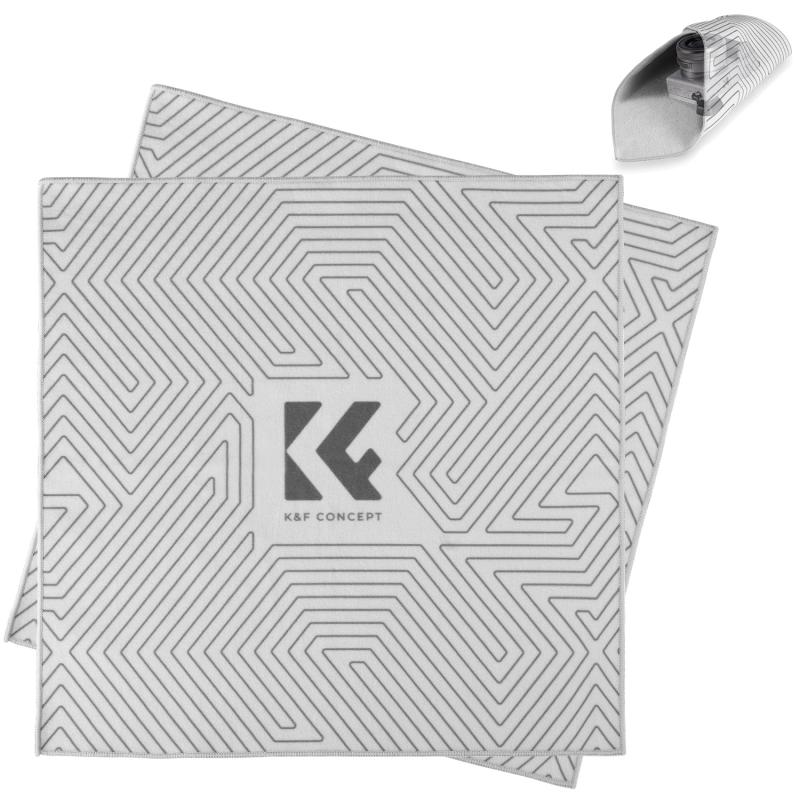
dry microfiber cloth
- the reality is that you should very rarely require any solution at all. a dry microfiber cloth is almost always enough, perhaps enhanced with breathing a little condensation onto the lens.
- all solutions and all wiping will affect the anti-reflection coatings eventually.
- and rubbing hard with a microfiber cloth is never a great idea, because you don't know what dirt may be trapped in it.
- the outer coatings on glasses lenses and camera lenses are hardened. they are designed for *gentle* contact, obviously, you shouldn't scrub them.
- if you were to take the lens apart, the inner elements might have more delicate coatings.
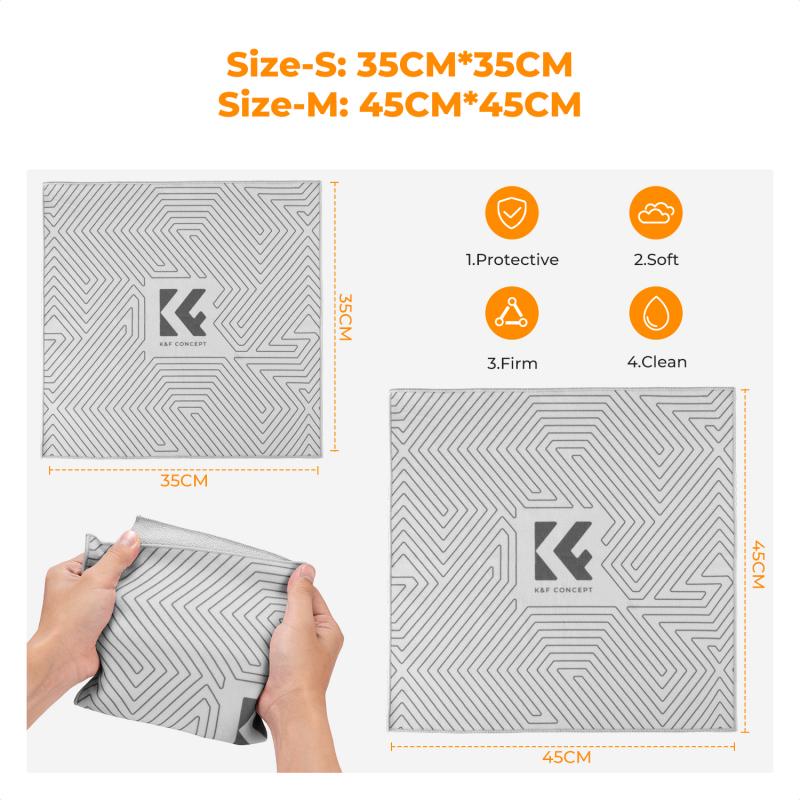
microfibre cloth or cleaning wipes
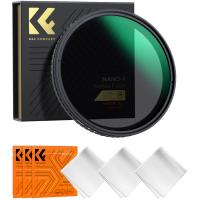
to wipe a camera lens, you can use either a microfibre lens cloth or lens cleaning wipes. both have pros and cons.
- lens cleaning wipes are cheap, have pre-applied cleaning fluid, and are disposable. although affordable, over time the cost of replacements will likely add up to more than a microfibre cloth.
- microfibre cloth is a one-off expense as it can be reused, but over time can become less effective with wear and tear. the cloth itself will need cleaning now and again, and make sure to give it a shake every time before you use it. this will help remove any potential dust and dirt.
- you'll also need lens cleaning fluid to use with your microfibre cloth. it comes in either spray or liquid form, and you should always apply it to the cloth to avoid damaging the lens.
- lens cleaning solution will leave no smears or smudges and can be used sparingly. apply a couple of sprays or drops and you're good to wipe.

inspect lenses
- the first thing you should do is inspect your lenses. lay them out on a table under good light. with a careful eye, check for any fingerprints, smudges, specs, smears, and dust.
- by inspecting, you'll see whether they actually need cleaning before you dive in. too much cleaning can damage lenses over the long run— so any cleanaholics read that again!
- if, upon inspection, you find any signs of dirt and/or dust, go to step two. otherwise, put the lens away, grab the next one, and repeat your inspection.
air blower / soft-bristle lens brush
- air blower.
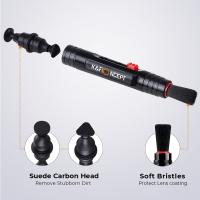
- soft-bristle lens brush if, after using the air blower, you can still see dust or particles on the lens.
- get your brush and gently wipe the lens surface and inside edge of the lens barrel.
- keep holding the lens at a downward angle and try not to touch the brush bristles.
be careful with any kind of wiping. never use physical wiping as the first way of removing dirt. that should be a gentle blowing or a soft lens brush. only then wipe. the reason for this is that if any hard particles are on the lens when wiping, they can scratch as they are being ground into the lens. wiping is for removing soft things stuck to the lens, like a fingerprint, the remnants of a dried water drop, etc.
wipe the lens
- the final step is to wipe the lens. this will clean it of any smears/smudges not removed by the blower and brush.
- start in the centre and move towards the edge in a circular motion.
- that way, if any dirt remains, it won't be in the middle of the lens.
lens glass with water
- water contains minerals such fluoride and chlorine which can be harmful to glass and may leave residues.
- hard water (water with a high mineral concentration) could even leave micro scratches on lenses.
- i like to use distilled water when wiping a lens, which should be safe with any lens.
- fortunately distilled water is usually handy and available.
- exhale gently on the lens to fog it. that will deposit essentially distilled water.
cleaning lenses with clothes
- avoid using clothes to clean camera lenses, there's a chance that the fibres can create micro-scratches.
- some say that if the item of clothing contains 100% cotton, then it's ok. we disagree. we say don't chance it.
- stick to microfibre cloths or tissues, their fibres are specifically designed for camera lenses.
glasses cleaner
can you clean camera lenses with glasses cleaner?
- this one comes down to personal preference. you can use glasses lens cleaner for camera lenses… but the question is, do you really want to?
- most camera lenses have an optical coating of magnesium fluoride and/or silicon monoxide to help with light transmission.
- these are scratch-resistant, but glasses cleaner isn't designed with them in mind.
- play it safe, damaging lens coating can have a big impact on images.
- stick to camera lens cleaner or high purity rubbing alcohol!
rubbing alcohol
- this question seems to split hair amongst photographers, but the answer is yes. rubbing alcohol, aka isopropyl-alcohol, can be used to clean your camera lenses.
- most camera lens cleaning solutions contain isopropyl-alcohol, so there's a low risk of causing damage by using it.
- to be extra safe, only use rubbing alcohol with a high percentage of purity.
- the purer the alcohol, the less additive ingredients which can contaminate lenses.
- 95% purity is a good benchmark.
spectacle cleaning wipes
can i use spectacle cleaning wipes (alcohol based) to clean camera lenses? i know it shouldn't be used on plastic (like lcd), but is it ok for lens?
- modern lenses have coatings on them that are pretty hard.
- while it's not impossible to scratch an lens with a modern costing, it is hard as long as you're taking precautions to make sure you don't have grit on your lens.
- i clear the lens of debris, and then huff with my breath, followed by gently wiping with cotton.
- you don't need fancy chemicals or expensive lens cloths.
- i don't know if alchohol is ok. certainly it's fine for bare glass, but the front of camera lenses aren't glass but some kind of coating. those may not like alchohol.
- the best answer would be in the directions that came with whatever lens you want to clean.
camera lens cleaning solution or clean water
- personally i do not allow anything other than a professional camera lens cleaning solution or clean water to clean my lenses.
- right now "eclipse lens cleaner" and pec pads are what i use when a lens is really dusty or a clean microfiber cloth with or without water very gently used when i do not have the eclipse and pec pads handy.
- my fear of other, any non-professional, cleaning solutions is that they will affect the various coatings on my canon "l" series lenses and filters.
- high-purity isopropanol (isopropyl alcohol) also works.
cleaning cloth care
- sometimes the cloth get so dirty you can see it. or it even re-greases your lenses.
- all the dirt, dust and fat rub off on the fabric. this is precisely what the cloth is made for.
- after a while, it is so dirty it will not clean your glasses properly anymore.
- good quality cleaning cloths are generally made of a micro-fibre, which is easy to keep clean.
- without water
- shake out the dust and dirt.
- wash by hand
- use cold water. add a few drops of mild soap that is bleach-free and which does not contain fabric softener. let the cloth soak in the soap for a few minutes and then rinse it clean in cold water.
- wash in a washing machine
- use bleach-free detergent, free from fabric softener. let the cloth air dry when finished.
washing the cloth regularly allows for reuse. if you have a high-quality cloth, it should not be a problem to wash and reuse it multiple times. washing opens the gaps between fibres to catch dust and dirt from your lenses again.