How To Make Lights For Photography At Home?
Creating your own photography lights at home can be an excellent and affordable way to improve your photography. Lighting plays a crucial role in capturing professional-grade images, and learning how to craft and control it can elevate your skills as a photographer. Most people assume that good lighting setups require expensive equipment, but with a bit of creativity and basic tools, you can create effective DIY lighting solutions. Here’s a detailed guide on how to make lights for photography at home, ensuring you achieve high-quality results without breaking the bank.
Understanding the Basics of Photography Lighting
Before diving into DIY solutions, it’s essential to understand the principles of photography lighting. Good lighting helps showcase the subject, eliminates unwanted shadows, and creates the mood you want for your image. There are three primary types of lighting used in photography:
1. Key Light: The main light source that illuminates your subject.
2. Fill Light: A supplementary light that reduces shadows and softens the scene.
3. Backlight: Positioned behind the subject to create depth and separation from the background.
Your DIY lighting setup should aim to replicate one or more of these lighting types.
Materials You’ll Need for DIY Photography Lights
Creating lights for photography doesn’t require complex tools. Here are some common materials and supplies you can use:
1. Light Sources:
- LED bulbs or strips
- Flashlights
- Desk lamps
- Floodlights (available at hardware stores)
2. Light Diffusers:
- White bedsheets
- Translucent plastic containers
- Baking parchment or tracing paper
3. Reflectors:
- Aluminum foil or reflective materials
- White foam boards or poster boards
- Mirrors
4. Supports:
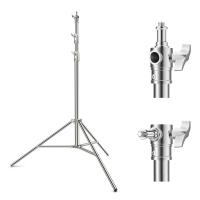
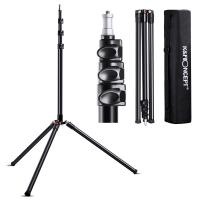
- Tripods (or makeshift ones like stacked books)
- Light stands made from PVC pipes
- Clamps to hold lights in place
5. Color Filters (Optional):
- Cellophane sheets or colored gels
- Transparent colored plastic
Step-by-Step Instructions to Make Photography Lights at Home
1. Fundamentals: Creating a Key Light
The key light is your primary source, and it should be bright enough to illuminate your subject effectively. To make a DIY key light:
Option 1: Desk Lamp Key Light
- Use a desk lamp with an LED bulb for consistent and natural lighting.
- Diffuse the light by draping a translucent white fabric, such as a bedsheet, over the lamp. Ensure the fabric doesn’t touch the hot bulb.
Option 2: Flashlight Key Light
- Convert a strong flashlight into a soft light source. Tape a sheet of parchment paper over the flashlight lens to scatter the beam.
Option 3: LED Strips
- Attach LED strips to a cardboard or foam board for a wide, bright light panel. To diffuse the light, cover the board with a layer of baking parchment.
2. Softening Shadows with a Fill Light
No photography setup is complete without a fill light to soften shadows. Here’s how to make one:
- Place a second desk lamp or flashlight opposite the key light to balance illumination. Ensure it emits softer light than the key light.
- Use a reflector to redirect light to shadowed areas (if you don’t have another light source). A piece of aluminum foil or white cardboard can be angled to bounce light back onto the subject.
3. Adding Depth with a Backlight
Creating depth is crucial for professional-looking photos. A simple backlight setup can emphasize the outline of your subject:
- Place an LED bulb or flashlight behind the subject, pointed at their back or the backdrop.
- Diffuse the backlight using a translucent plastic container to prevent harsh lighting.
- Try experimenting with colors to achieve creative effects using cellophane or colored gels on the backlight.
4. Crafting Reflectors
Reflectors help control natural or artificial light and are easy to make:
- Wrap a cardboard sheet with aluminum foil for a high-intensity reflector.
- Use a white foam board for a softer reflection.
- Mirrors can also redirect light strategically to your subject.
To make the reflector portable, attach it to a sturdy stand or stack it upright on books.
5. Using Natural Light Effectively
Natural light is another potential ally in photography. Position your subject near a window and use DIY reflectors or diffusers to control and soften sunlight. Draping thin curtains or placing translucent materials like tracing paper over the window can act as a natural diffuser.
Tips for Achieving Professional Results with DIY Lighting
1. Control Light Intensity:
Balance brightness levels to prevent overexposure or underexposure. Use dimmable LED bulbs wherever possible for flexible lighting control.
2. Avoid Harsh Shadows:
Harsh shadows can ruin the aesthetic of a photo. Always diffuse your light sources with translucent materials to create soft lighting.
3. Experiment with Angles:
Lighting placement has a significant impact on results. Practice positioning your DIY lights at various angles—side lighting, front lighting, or even lighting from below—to discover unique effects.
4. Color Temperature Matters:
Choose the right color temperature (measured in Kelvin) for your lights. Warmer tones (around 3000 K) create a cozy atmosphere, while cooler tones (around 5000 K) mimic daylight.
5. Combine DIY Lights with Other Tools:
Mixing natural light with your DIY setup can enhance images. Experiment with combining key lights, reflectors, and backlighting for dynamic results.
Budget-Friendly DIY Lighting Project Examples
Project 1: PVC Pipe Light Stands
Construct stable light stands using inexpensive PVC pipes and clamps. Cut the pipes to desired lengths, assemble a base, and mount your desk lamps or LED panels on top.
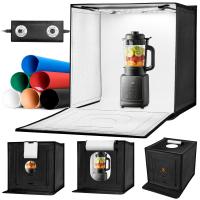
Project 2: Cardboard LED Light Box
Transform a large cardboard box into a light box for product photography. Attach white paper or fabric to the interior to ensure even light distribution. Place LED strips or desk lamps outside the box to shine inward through translucent sides.
Project 3: Creative Floor Lamps
Use floor lamps paired with diffusers or reflectors for portrait photography. Place colored gels over the lamps to create artistic lighting effects.
Frequently Asked Questions (FAQs)
1. Will DIY lights compromise photo quality?
Not necessarily. With proper planning and execution, DIY lighting can rival professional studio lighting, especially for small-scale photography projects.
2. What’s the best material for diffusers?
Thin white fabric, such as cotton bedsheets, and tracing paper are ideal for diffusing light gently.
3. Can I use phone flash as a DIY source?
Yes, a phone's flashlight can be used creatively in low-budget setups. However, combine it with diffusers and reflectors for optimal results.
4. How do I measure light intensity?
While professional photographers use light meters, you can rely on your camera’s exposure settings and review captured images to judge the brightness and consistency.
Creating photography lights at home is a rewarding and cost-effective way to improve your skills. With readily available materials like LED lights, desk lamps, and diffusers, you can design custom lighting setups tailored to your needs. Not only does DIY lighting eliminate high costs, but it also promotes creativity by giving you full control of your tools.
As you experiment with lighting configurations, you’ll develop a deeper understanding of how light shapes a photograph. Over time, your DIY setup may rival professional-grade equipment, proving that resourcefulness is just as powerful as a hefty budget. So, grab your materials, let your creativity flow, and take your photography to new heights!