How To Format Sd Card For Camera?
What Formatting Does
- Formatting an sd card prepares it properly for use.
- Formatting creates a file system that is compatible with your camera.
- The camera will then know where to store your images and how to find them later.
- Formatting an sd card also serves to prepare it specifically for your device.
- Even if the card has already been used elsewhere, formatting allows the camera to configure it according to its own settings.
- This limits compatibility issues.
- Finally, formatting helps prevent bugs and data corruption.
- A poorly recognised or poorly organised card can cause errors during recording.
- Formatting resets everything and provides a clean slate for your next shots.
If you have a high-quality camera, ensure your microsd card is formatted correctly to maximize storage capabilities and enable recording of high-resolution video content. A high-quality camera can provide you with fantastic quality. Still, if your microsd card isn't formatted to suit the camera's features, then it's not possible to get the most out of a top-quality device.
- This erases the data on the microsd card and creates a new file system for optimal performance.
- By doing so, you achieve more reliable high-resolution video recording and prevent corrupted files.
- Formatting a microsd card sounds like the thing only true nerds can accomplish after years of learning coding and the like.
- However, formatting is actually doable for both camera enthusiasts and non-camera enthusiasts alike.
When A Card May Need Formatting
- A new card may need to be formatted before use.
- It is not always ready to use straight out of the box.
- A card that has already been used in another device may also display this type of message.
- Since file systems are not always identical, the device prefers to start from its own base.
- Finally, this can happen after an update, a change in settings, or if the card has been ejected too quickly from a device.
- In most cases, this message is simply intended to ensure the future storage of your photos.
When it's a new card yes.
Nope.
I generally only format after it's nearly full
Every so often, you can reformat the card, preferably in whatever camera your using it in. How often you reformat the card is up to you and depends a lot on how heavily you use the cards. Maybe once a month, maybe less. But make sure you've backed up all the files from the card before you reformat it.
There's really no benefit to reformatting the card after every use.
- After that, I never format a card again, unless using it in another camera, or if there is some problem with it.
- No, Irene. When it is due to go back into a camera, I just erase all image files on the card.
- By that time, I have between 3 and 6 backups of the images on my computer and portable/external HDDs.
In-Camera Formatting
- I reformat in the camera.
- That's where you should always do it.
- I do format the card in the camera, this is how you should always do it.
- The camera sets up its own file structure.
- You should not let the computer mess with it by writing or reformatting; only use the computer to read (and copy) the files.
If you plan to use it in your camera, I think it is better to format it in your camera.
In-camera is always better, but if you are curious as to which format it uses just format in-camera then check what it used on the computer.
But seriously, I would also recommend formatting cards only in-camera. That way you can be sure it's formatted the way your camera prefers.
It is always advisable to format your cards in the camera in which you intend to use them
I always format in the camera so it will have what it wants. I also format it after importing to the computer to keep corruption from creeping into the file system.
I do agree you should always format the card in the camera it will be used with. I always do this after I've unloaded the pics as well. In the past I just erased them, which works fine but Sony uses index files on the card that then still think the image should be there during in-camera playback. So I format it.
Camera Menu Steps
- Turn on your camera with the sd card inserted.
- Go to the settings menu or the ‘settings’ menu.
- Look for the format or format card option. It is often found in the “tools” or ‘configuration’ section.
- Select it, then confirm.
- The device will ask you to confirm before starting the formatting process. Accept, and the process will begin.
In a few seconds, the card will be ready to use. This method is the safest, as it formats the card in your device's specific system. This avoids incompatibility errors.
It is advisable to reformat the card in the device that will use it, even if it has already been formatted elsewhere.
- Every time I put a card into my camera I format it.
- The option should be somewhere in the settings and be pretty clear, like “format card”.
- This also clears the card of any photos remaining on it from my last shoot (which have been saved on my external HD).
Before Formatting
- Reformatting an sd card will wipe all the photos from that card.
- Yes, formatting erases the files stored on the card.
- Unlike simply deleting files, it does not just remove the file names.
- It erases the entire organisation of the card, making the old data inaccessible.
- This does not mean that the photos disappear permanently, but they will no longer be visible or usable by your device.
- Software can sometimes recover them, but this is never guaranteed.
That is why it is always important to empty your memory card once the photos have been transferred and to check that no important files remain on it before formatting it.
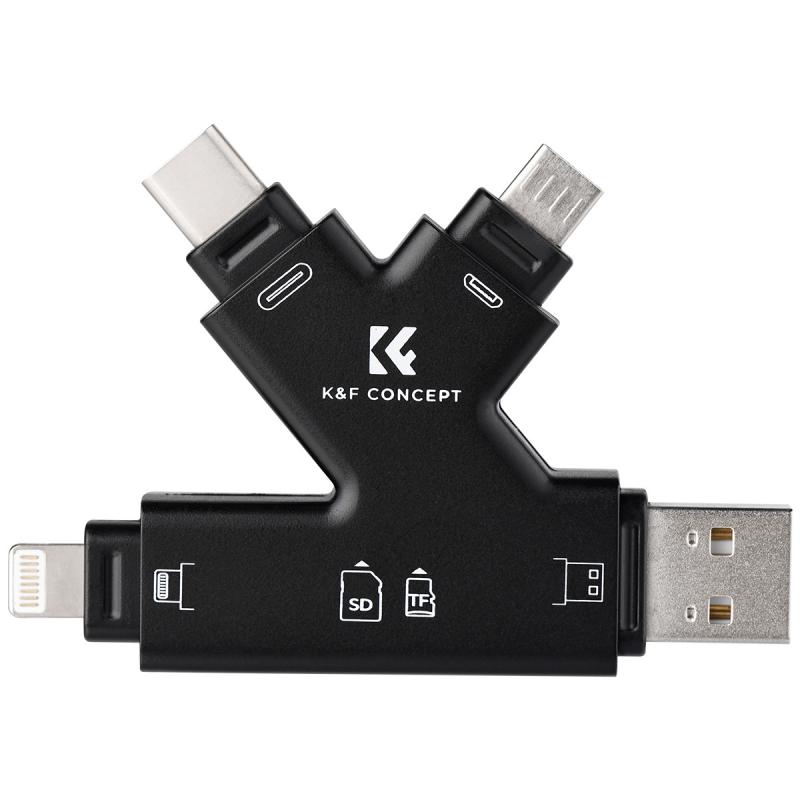
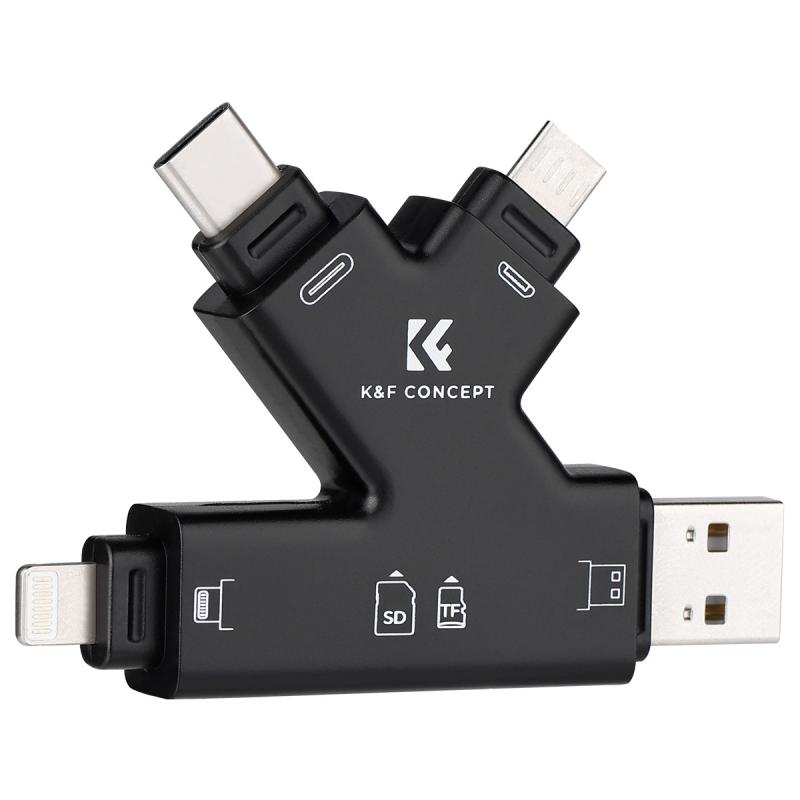
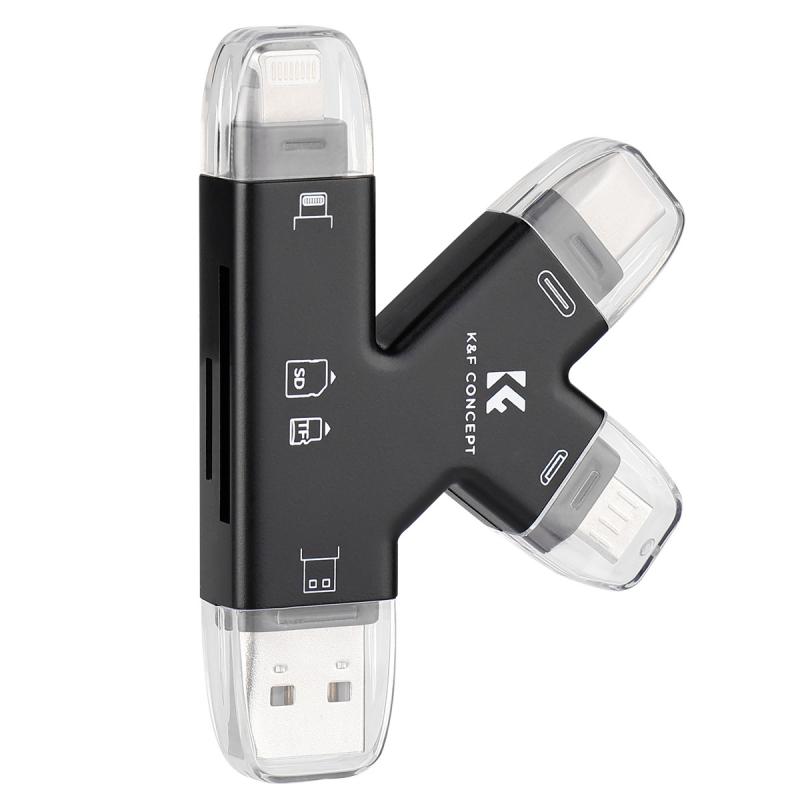
The best solution is to back up your photos without any hassle before doing anything else. To do this, connect the sd card to a computer or connect the camera directly via a usb cable.
Then, simply transfer your photos to your computer, into a dedicated folder. Remember to check that everything has been copied before removing the card or starting the formatting process. Once your images are safe, you can format the card with peace of mind.
- I reformat a card when its contents are safely backed up elsewhere, preferably in at least two locations.
- While traveling, for example, I routinely copy all files from the card to my computer's internal drive, and don't reformat the card.
- If my cards fill up (I carry two) and I'm still not done with the trip, I upload the files to my home NAS via a remote connection, and only then, when I have that second copy, do I reformat the card.
After you take photos, use a card reader to copy the images from your sd card to at least two places, either two external hard drives or to your computer's hard drive and to an external hard drive. Memory can go, so if it's only copied to one place, you rush losing that data more easily.
You can then delete the files from the sd card, even without reformatting the card. Or you can leave then on the card and delete them later when the card is full.
Using A Card Without Formatting
It is technically possible to use an sd card without formatting it. For example, if it has been used in the same device without any problems, or if it has already been prepared beforehand.
- But this choice comes with risks.
- An improperly formatted card can slow down performance, generate write errors, or cause conflicts if it already contains old system files.
- If you want to keep the data on the card, you can copy its contents elsewhere and use it as is.
- This may be a temporary solution, but it is not recommended for regular use.
- In any case, formatting remains the best way to start with a clean and stable base.
- Especially if you are changing devices or after a major clean-up of your files.
If you never format your sd card, it can continue to function. However, the risk of errors increases over time. Invisible files may accumulate. The system may become less stable. Some photos may take longer to save or may even fail.
In some cases, an improperly formatted card may produce unreadable photos. They will display on the device but will no longer open on the computer. Overall performance may also decrease, especially during burst shooting or video recording.
Formatting your sd card regularly can prevent these issues. It is a simple, quick, and very useful step to protect your memories.
Computer Formatting
If you are experiencing issues with your trail camera or other devices that use an sd card sometimes formatting the sd card in your computer can help fix the issue. We are often asked how to format sd cards using a PC. Here are the steps to format an sd card for use in your trail camera using a PC. This process for formatting camera sd cards is using Windows 11, so if you have a different operating system, these instructions may not work.
- In camera formatting and computer formatting is possible.
- With my chromebook computer I have 3 options to format:
- FAT32, exFAT, NTFS.
- My (fast) USB stick has been NTFS formatted.
- In camera formatting does not offer 3 options, right?
AFAIK cards 16G and smaller cards can be either FAT32 or exFAT. Any larger than 16G and it has to be exFAT. Older cameras may only support FAT32 (and thus only 16G or smaller cards). No camera I know of reads or writes NTFS.
During Formatting
- Format memory cards.
- To begin formatting, choose a memory card slot and select [Yes]
- Note that formatting permanently deletes all pictures and other data on the card.
- Do not turn the camera off or remove memory cards until the message [Formatting memory card.] clears from the display.
- If two memory cards are inserted, the flashing indicator will show the card selected for formatting.
- To select a different card, rotate the main command dial while the C indicator is flashing.
- Do not turn the camera off or remove the battery or memory card during formatting.
After Accidental Formatting
When you have formatted a card by mistake, all is not necessarily lost. There is recovery software that can recover some of the files, especially if you have not saved anything after formatting.
- Tools such as Recuva, Disk Drill, or PhotoRec are available in free versions.
- They scan the sd card for old deleted files.
- These programmes do not guarantee 100% recovery.
- But they often offer good results if you act quickly.
- To maximise your chances, avoid reusing the card immediately.
- The more new photos you save, the more likely the old ones are to be overwritten.
- Ideally, you should start the recovery process as soon as you notice the error.
Signs Of A Faulty Card
Some sd cards show signs of weakness before failing completely.
Knowing how to spot them can help you avoid data loss.
- Your device no longer recognises the card.
- Photos take a long time to save.
- Files disappear for no reason.
- Error messages appear repeatedly.
To check the condition of your card, you can use a memory tester on your computer. There are also mobile apps that can detect read or write errors.
If you still have doubts, it is best to replace the card. It is better to be safe than sorry when it comes to recovering data, especially when it involves precious memories.