How To Prevent Trail Camera Theft?
2026-07-13 00:56:05
0 Comments
how to prevent trail camera theft in the wild
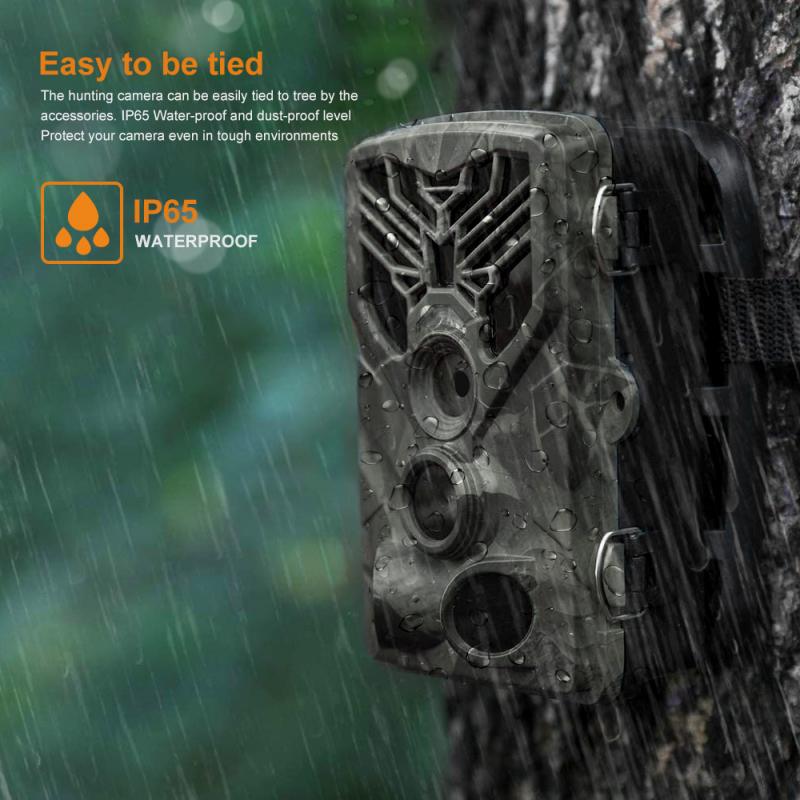
monitoring wildlife with camera traps unfortunately comes with the risk of theft, especially in publicly accessible areas.
although there is no 100% theft-proof solution, there are ways to greatly reduce the chances of a trail camera going missing.
conservation projects that use trail cameras to monitor and research wildlife. in many situations, it may not be practical or possible to utilise all of these measures, but if you can only use a few, that will go a long way towards keeping your equipment safe.
possibly the only thing that hurts worse than losing a trail camera to a thief is losing the information it contained. here are three ways to minimize your losses.
why do trail cameras get stolen?
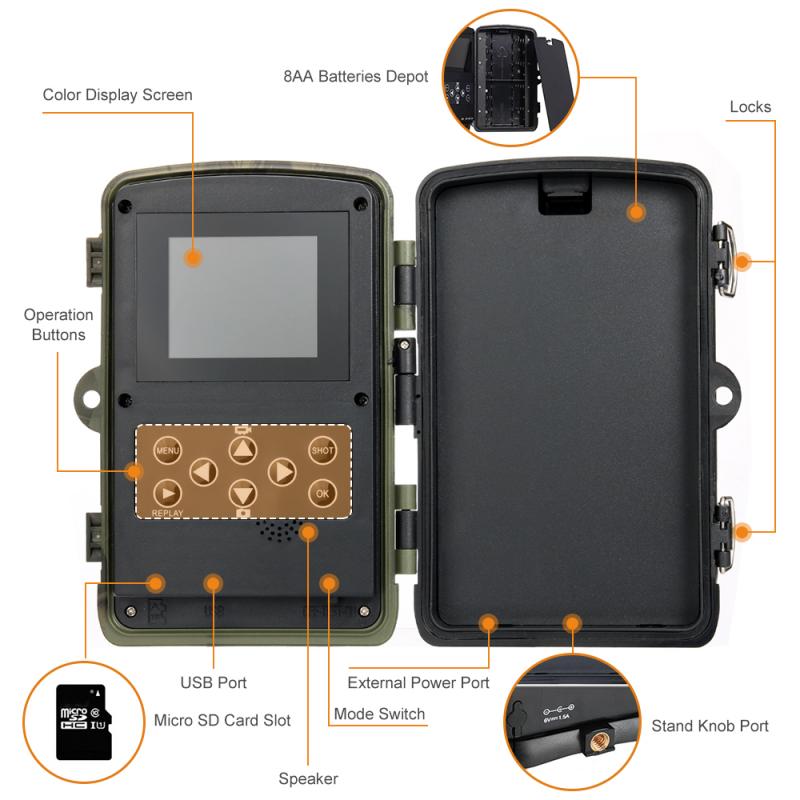
- high quality trail cameras, especially cellular and ai-enabled models, can cost anywhere between $100–$500. thieves know that these devices are both portable and resalable on secondary markets.
- trail cameras are often mounted on public land or remote areas without security or human presence. their isolated locations make them easy targets.
- believe it or not, some trail camera thefts stem from disputes between hunters or landowners. if your cam is placed near a public trail or borderland, someone might remove it simply out of resentment or territorial instinct.
- game camera at eye level, in plain sight, and with weak security attachments.
choose a hidden location
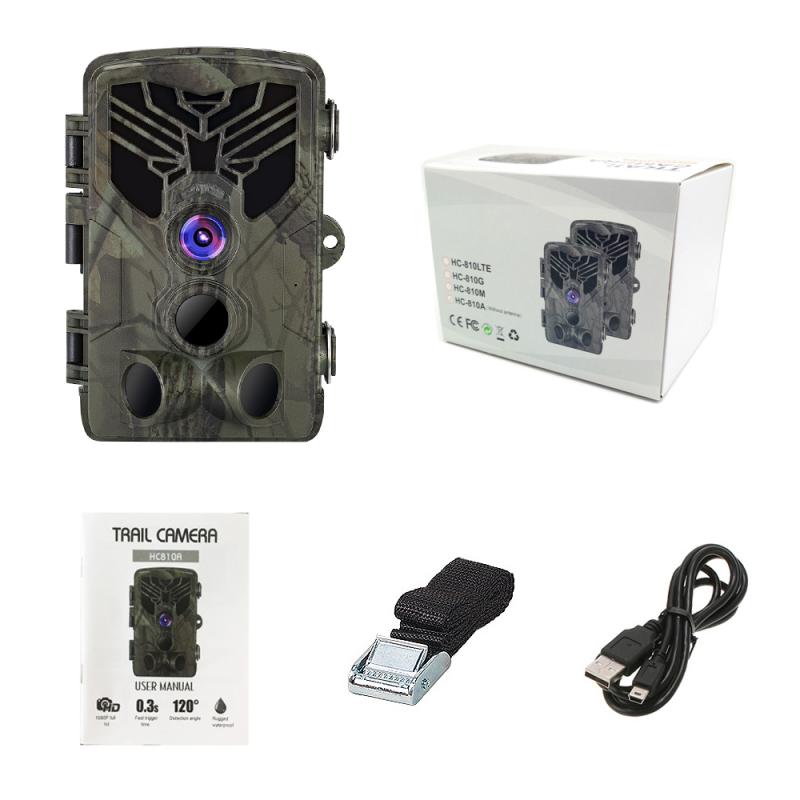
- where possible, keep trail camera setups out of sight. face the camera away from any nearby trails and lines of sight and install it at least 30 metres from the nearest track or trail.
- beware of sneaky trails! not all tracks and trails are detailed on maps. additional trails may get walked or ridden into the ground over time.
- in some areas, wildlife trails such as the routinely walked routes of deer may be apparent, and these can be great places to capture footage of a variety of wildlife - but give those trails a quick check for boot prints!
- once a potentially suitable location for a camera has been chosen, take a moment to scan the 10-20 metre radius around the camera location for trails that might have been missed.
- bike trails can be much narrower and harder to spot than trails walked on foot.
- first, avoid obvious places. field edges on public land, for instance.
- go in deep. no… deeper.
- i'm also not putting them near common areas
- i dont put them in easily accessed areas bout the best you can do.
mount cameras high and angle them downward
- mounting your trail camera 8–10 feet high and angling it downward greatly reduces its visibility. use a climbing stick or ladder, and make sure your camera has a wide-angle lens.
- this is how the author prefers to set most of his trail cameras these days: 15' up a tree and angled down.
- cell cameras have been perfect. nearly everyone avoids them. i had a card stolen from one, that’s it. my fault, though. i normally hang them atleast 10’.
- i do the same. 10' up and i use a snake lock. every trail cam generally has a small circular hole to accommodate a lock like this
- i hang mine 10-12ft in a tree due to having a few stolen. this still won’t prevent theft but keeps a few people honest in case they do happen to see my camera.
- i rarely ever get pix of someone looking up, not saying they didn’t see them and avoid the camera though
- the straps on a tree are an eye grabber from a distance and visible from 360*.
- like others have said hang those cameras higher using a single climbing stick.
- if you make them both harder to see and harder to get to i'm sure it will help.
- i put them high in the tree looking down, i dont put them in easily accessed areas bout the best you can do.
- hang them high, one stick up so maybe 10' or so
- hang em high and pick trees that have good cover……but it someone wants it they will get it
use discreet cameras and reduce night visibility
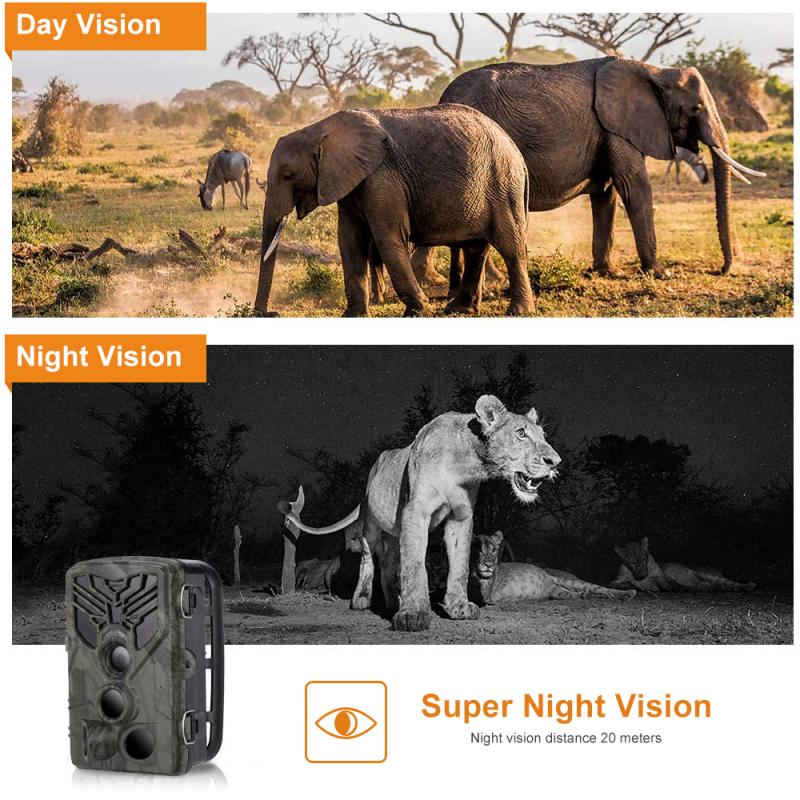
- trail cameras commonly use infrared leds that are discreet, as they do not produce bright, white flashes at night.
- this has two benefits: firstly, it reduces the chances of disturbing wildlife, and secondly, it doesn’t draw attention to the camera from afar.
- however, not all infrared (ir) leds are created equal.
- ir leds are split into two groups: low-glow and no-glow, each of which has pros and cons.
- no-glow leds are invisible to the naked eye but at the cost of a slight decrease in image quality compared to the low-glow equivalent, as the illumination of the area isn't as effective.
- low-glow leds produce a visible, dim red glow at night and generally illuminate an area more effectively than no-glow leds, producing clearer, sharper images.
- so, for the most discreet option, choose a camera that uses no-glow infrared leds.
- however, in situations where best image quality is the priority, low-glow leds may be a better choice.
lock the camera to a tree
- are you using the bear-proof boxes with locks? we use those boxes and wrap a bike cable around the tree and lock it through the lock as well.
- i use the master lock cables and having cell cams helps some of the newer cell cams have gps in them so you just send the police to the location of the camera
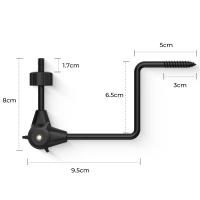
- mounting cables are also available, but those too are more of a deterrent just to keep honest people honest.
- also consider the tree that the camera is being attached to.
- thinner trees are easier to cut through for a determined thief.
- as a rule of thumb, lock cameras to trees that are approximately 15cm diameter or more.
- it’s also much easier to attach cameras to trees of at least this size, as they are less likely to move over time or be pushed around by the nose of a curious badger!
- don’t pull the cable lock too tight if the camera is to be left for more than 6 months, as tree growth can push on the lock and cause it to seize.
- lubricate the lock mechanism once every year with a water-repellent lubricant such as 3-in-one oil, this is especially important in areas that get a lot of rain and will keep a cable lock going for many years.
- locks are meant to keep honest people honest.
use a security box and lock the housing
- use a security box
- protected from large jaws, paws and hooves.
- the full works: a camera trap housed in a security box and locked to a tree.
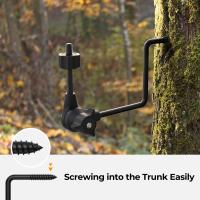
- in addition to using a cable lock to secure a camera to a tree, some cameras feature additional holes to lock the camera shut.
- this is a useful option to prevent tampering and sd card theft.
- use security box best is camlock box, bolt it to the tree 7' high using a python lock and pad lock
- i go cheap with a snake lock. make sure your camera allows you to lock the sd card too. have had cameras messed with, but nothing stolen thus far.
- i use heavy duty security boxes by custom 1 enterprises( the best ) and cam lock boxes. i lag bolt them to the tree.. and use python locks and padlocks with them.
- it would take a ton of work to get to the camera.
camouflage the camera, lock, strap, and chain
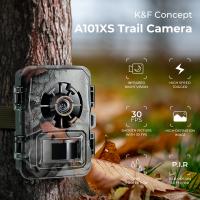
- gluing some plastic leaves and moss to the front of the camera does a good job of breaking up its outline and making it more difficult to distinguish from its surroundings.
- we also use camouflage-printed tape to cover the lock so that no person or animal can see its shiny reflection.
- i use a python lock or master lock and chain, also i try to find an "off the beaten path" area, which i have found also tends to be where some big bucks hide.
- i also will use some leaves from the ground or bring something natural to help camouflage the lock/strap/chain.
- use a diy adjustable mount (google: how to make a trail camera mount) or thin paracord or similar to hang your cameras to help eliminate that.
- i take into account the most likely travel path of people when setting the cameras 3-4 feet high and will sometimes place them behind light brush.
- i may not get the high quality pics others get but i see deer movement, which is why i set the cameras.
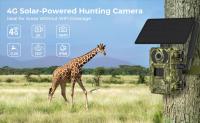
use cellular cameras and gps anti-theft
- i use cell cameras, but that doesn’t necessarily keep them from being stolen, although it can help with recovery and prosecution.
- but, to date, i have not had one stolen.
- i don’t buy expensive cameras, either. i don’t need a high def pic or video. the animal with a time and date stamp is really the purpose.
- some people put out fake decoy camera shells with no insides, and then set up a cellular cam so the pictures get sent to your phone.
- unfortunately, this may not work, but at least you'd have pictures/videos of the theft on your phone.
- gps
- most every cellular trail camera now incorporates a gps function which allows their app to show you where each of your cameras is located on a map.
- if you were to move a camera, it would automatically show up in its new position on the map the next time it communicated.
- gps anti-theft
- some cameras take gps capability a step further by using it to alert a user if a camera has been stolen or moved from its original location.
- several company’s apps can even track the stolen camera using gps functionality.
- some models have an internal (hidden) battery that will continue to power the gps even if a thief removes the batteries.
- i believe the new reveals have gps location on them. let the police go get them back for you
Leave your comment
Note: HTML is not translated!