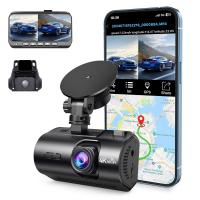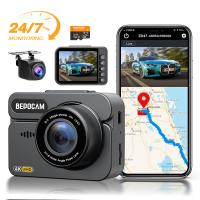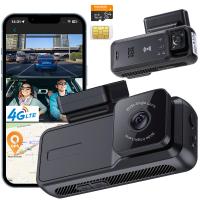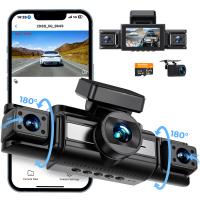
What Is Parking Mode On A Dash Cam?
When it comes to dash cameras, one of the standout features that many modern consumers are curious about is "Parking Mode." This functionality elevates the utility of a dash cam beyond simply recording videos while driving, enabling it to provide surveillance and security even when the car is parked. Whether you're a seasoned driver or new to dash cams, understanding parking mode can be pivotal in maximizing the usefulness of your device and ensuring the safety of your vehicle.
What Is Parking Mode on a Dash Cam?
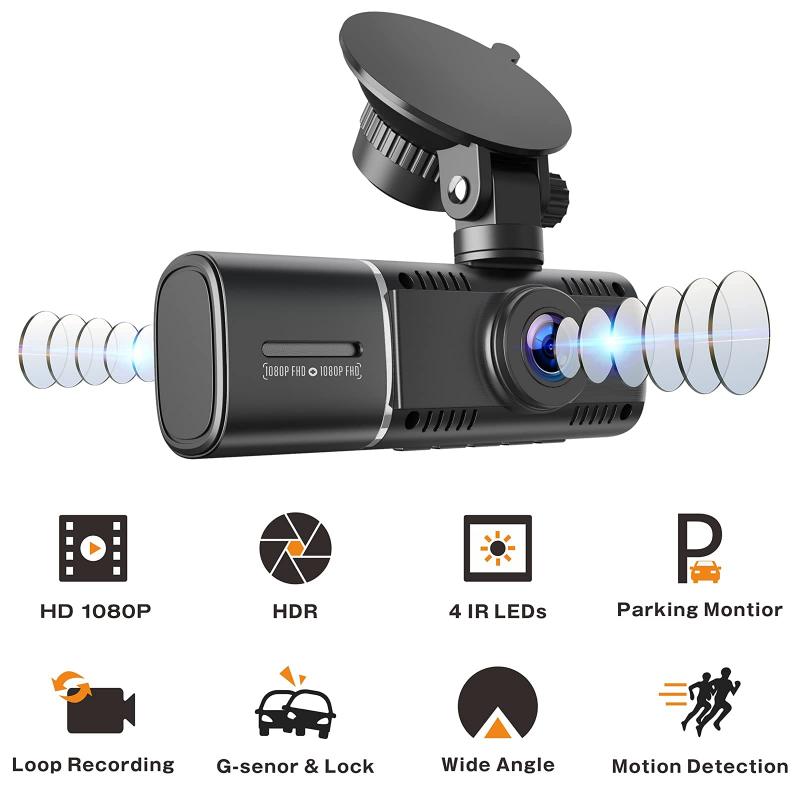
Parking mode is a feature available on many dash cams that provides surveillance for your vehicle when it is stationary or parked. While most dash cams are designed to record only when the car is in motion, parking mode keeps an eye on your car even when you've stepped away. Depending on the model and configuration, the dash cam automatically switches to this mode once it detects that the vehicle has been turned off or hasn’t moved for a certain period.
The overarching goal of parking mode is to capture events such as theft, hit-and-runs, or vandalism that may occur while the car is parked. This could range from someone accidentally scraping your car with a shopping cart to a more severe incident like attempted break-ins. Parking mode acts as an impartial witness, offering essential video evidence should any issues arise.
How Does Parking Mode Work?

Different dash cams have varied implementations of parking mode, but they all operate on the same basic premise of recording activity when the vehicle is not in use. Let’s explore the most common types of parking mode configurations:
1. Motion-Detection Parking Mode

Motion-detection parking mode uses the dash cam’s built-in sensors to detect movement around your car. If someone walks near or around your vehicle, the dash cam begins recording. This mode is particularly useful for monitoring foot traffic near your car, but it may lead to numerous videos triggered by harmless motion, such as pedestrians passing by.
2. Impact-Detection Parking Mode
In impact-detection parking mode, the dash cam is equipped with a G-sensor (gravity sensor) that triggers recording when it detects a physical impact to the vehicle. For example, if someone opens their car door and accidentally bumps into your car, or another vehicle taps yours during a parking maneuver, the impact-detection system will activate and start filming.
3. Time-Lapse Mode
Time-lapse mode involves the dash cam recording continuously at a lower frame rate or resolution. This way, the camera captures a stop-motion-like video over extended periods, taking up less storage space than regular video recording. Many people prefer time-lapse mode for capturing events that occur over longer intervals.
4. Buffered Parking Mode
Buffered parking mode works similarly to an event-triggered mode but goes one step further by keeping a continuous internal buffer of recordings. When an event like motion or an impact occurs, the dash cam saves a few seconds leading up to the event and a few seconds after, ensuring you don’t just capture the aftermath of an incident, but also its context.
5. Always-On Parking Mode
Some high-end dash cams offer a true "always-on" parking mode, continuously recording at full resolution. While this mode ensures nothing is missed, it can be extremely demanding on both your car’s battery and the camera’s storage capacity.
Why Is Parking Mode Important?
The significance of parking mode becomes evident when you consider its practical applications. Cars are left parked and unattended for extended periods in a variety of locations, from shopping malls to workplaces, making them potential targets for damage or theft. Here are some scenarios where parking mode can prove indispensable:
Hit-and-Runs in Parking Lots: A common occurrence, especially in busy lots, is when other vehicles accidentally scratch or dent your car and drive away.
Theft and Tampering: Thieves may attempt to break into your vehicle to steal valuables or even the car itself. A dash cam with parking mode can capture clear evidence of their actions.
Acts of Vandalism: Acts like keying, spray-painting, or damage inflicted in anger can be recorded, helping you with insurance claims and legal proceedings.
Surrounding Incidents: Sometimes your vehicle might not be directly involved, but nearby accidents or incidents could affect your car. Parking mode ensures that happenings in your car’s vicinity are captured.
How to Use Parking Mode
For parking mode to work effectively, you may need additional accessories or configurations depending on the dash cam you own. Below are the steps and requirements commonly associated with activating and using parking mode:
1. Power Source Configuration
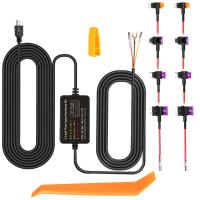
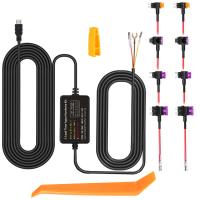
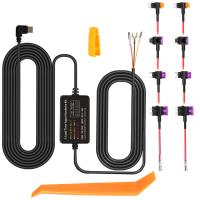
Hardwiring Kit: Many dash cams require a direct connection to your car's battery to use parking mode. A hardwiring kit connects the dash cam to the vehicle’s electrical system, ensuring it receives power even when the engine is turned off.
External Battery Packs: Some users opt for dedicated external battery packs to independently power the dash cam during parking mode. This prevents undue drainage from the car battery.
2. Enable Parking Mode
To activate parking mode, ensure that the feature is turned on in your dash cam’s settings. Depending on the camera, you may need to select the specific type of parking mode (e.g., motion detection, time-lapse, etc.) you want to use.
3. Camera Placement and Angles
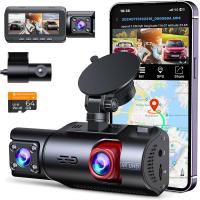
Proper positioning is crucial. The dash cam should be mounted securely and at an optimum angle to maximize its viewing field. Consider dual-channel cameras if you want coverage of both the front and rear of your vehicle.
4. Storage Management
Parking mode, particularly time-lapse or always-on configurations, can consume substantial storage space. Ensure your dash cam supports high-capacity microSD cards and features loop recording, where older files are overwritten by new ones.
Things to Consider When Choosing a Dash Cam with Parking Mode
Selecting the right dash cam for parking mode use can be overwhelming, given the array of options available. Here are key points to consider:
Sensor Quality and Resolution: A higher resolution (1080p or 4K) ensures better image quality, making it easier to identify faces, license plates, and other details.
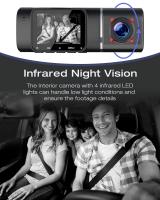
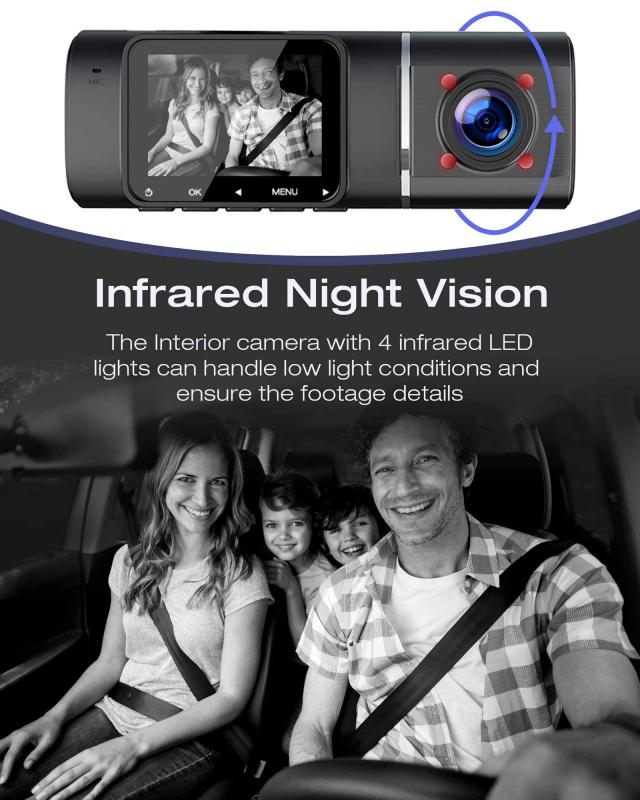
Low-Light Performance: Since parking incidents often occur at night or in low-light conditions, opt for a camera with excellent night vision capabilities.
Power Management Features: Look for dash cams with built-in voltage monitors that prevent your car battery from being drained entirely.
Wi-Fi and Smartphone Integration: Some models offer real-time alerts via smartphone apps, notifying you of detected impacts or motion.
Warranty and Durability: Since parking mode implies extended use, ensure your dash cam is built to last and comes with a robust warranty.
Addressing Potential Concerns
One of the common concerns with parking mode is its impact on the vehicle's battery life. Continuous power draw can potentially deplete the battery if precautions aren't taken. Many dash cams address this issue by including low-voltage cutoff systems. Additionally, using an external battery pack can alleviate strain on the vehicle's electrical system.
Another challenge is storage management. Videos recorded during parking mode may fill up your memory card quickly, so regular maintenance, including transferring files to external storage, is necessary for efficient operation.
Final Thoughts: Is Parking Mode Worth It?
Dash cams equipped with parking mode are no longer a luxury – they’ve become a practical and invaluable asset in today's world. With vehicular incidents growing more frequent and insurance claims becoming increasingly complex, having a security system for your car ensures you’re always prepared.
Whether you’re concerned about potential hit-and-runs in busy parking lots or just want peace of mind while your car is unattended, parking mode can act as your ever-watchful guardian. Choose a dash cam that aligns with your parking habits and preferences, and you’ll gain a layer of security that provides both immediate and long-term benefits.