What Is A Good Quality Dash Cam?
When embarking on the journey to choose a good quality dash cam, the plethora of options on the market can make the process feel overwhelming. However, focusing on specific parameters and functionalities can drastically simplify the decision-making process. A good quality dash cam is essential for documenting your travels, protecting you in case of accidents, and even providing crucial evidence in situations involving disputes or insurance claims. In this article, I will walk you through what makes a dash cam good quality, the key features to look for, and how to decide on the model that suits your specific needs.
Why You Need a Quality Dash Cam
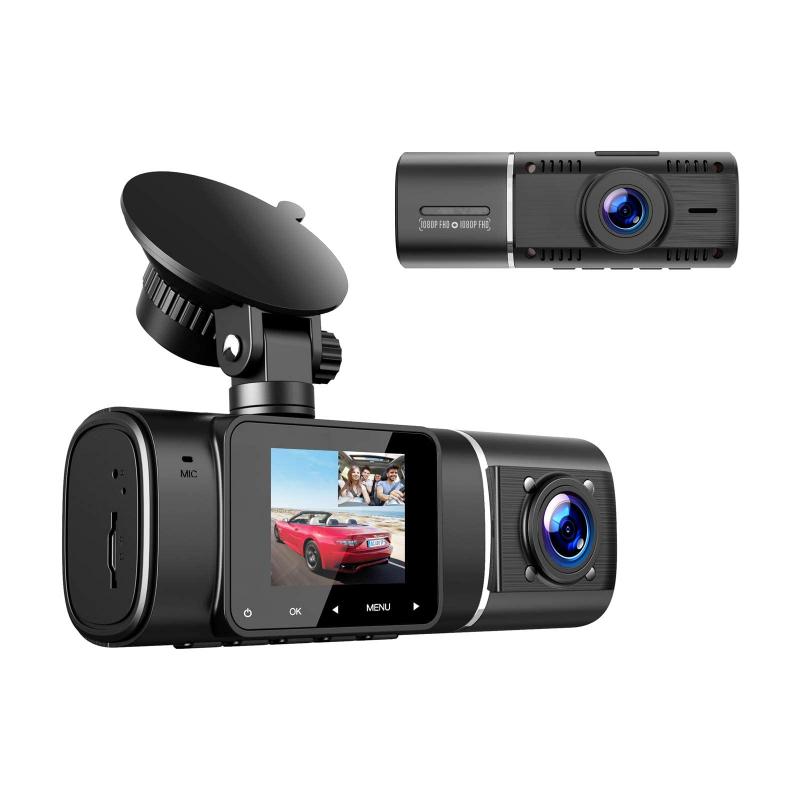
Dash cams have become increasingly popular over the years, particularly for ensuring road safety and accountability. A well-functioning dash cam has several practical benefits:
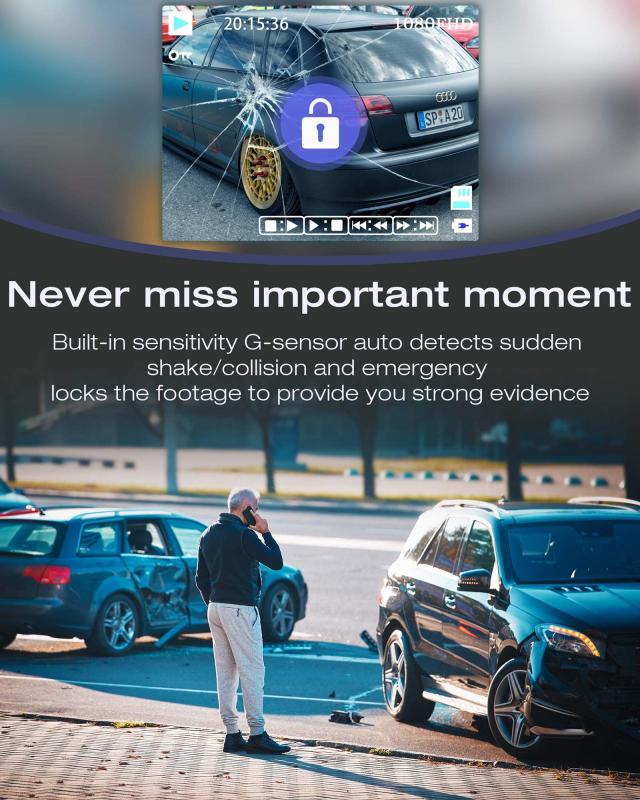
Accident Recording: They provide vital footage in case of collisions or disputes.
Insurance Claims: Video evidence can significantly simplify claims, removing ambiguity when determining fault.
Security: Some dash cams have motion detection, serving as surveillance to deter theft or vandalism.
Travel Memories: For road-trippers, dash cams can capture scenic routes and memorable drives.
However, not all dash cams are created equal. To ensure you’re spending wisely, it's important to understand what makes a dash cam "good quality" based on technical specifications, reliability, and adaptability.
Key Features of a Good Quality Dash Cam
When shopping for a dash cam, you need to focus on several aspects that collectively determine its performance and reliability. Below are the main criteria to weigh:
1. Video Quality
The resolution of the video is arguably one of the most important aspects of a dash cam. High-quality footage ensures that details such as license plates, pedestrian movements, and road signs are clearly visible. Here’s what to look for:
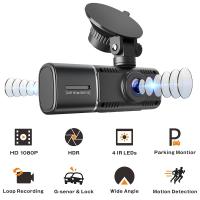
1080p Resolution (or Higher): Full HD (1080p) is the standard for good-quality recording. However, 2K or 4K Ultra HD cameras provide even more clarity.
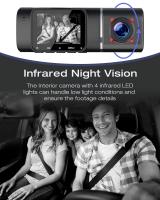
Night Vision: A dash cam needs to record clearly, regardless of lighting conditions. Models with advanced sensors or infrared adjustments for night vision are a must for nighttime driving.
Wide Dynamic Range (WDR): This feature helps balance exposure levels in situations like direct sunlight or shadowy roads.
2. Field of View
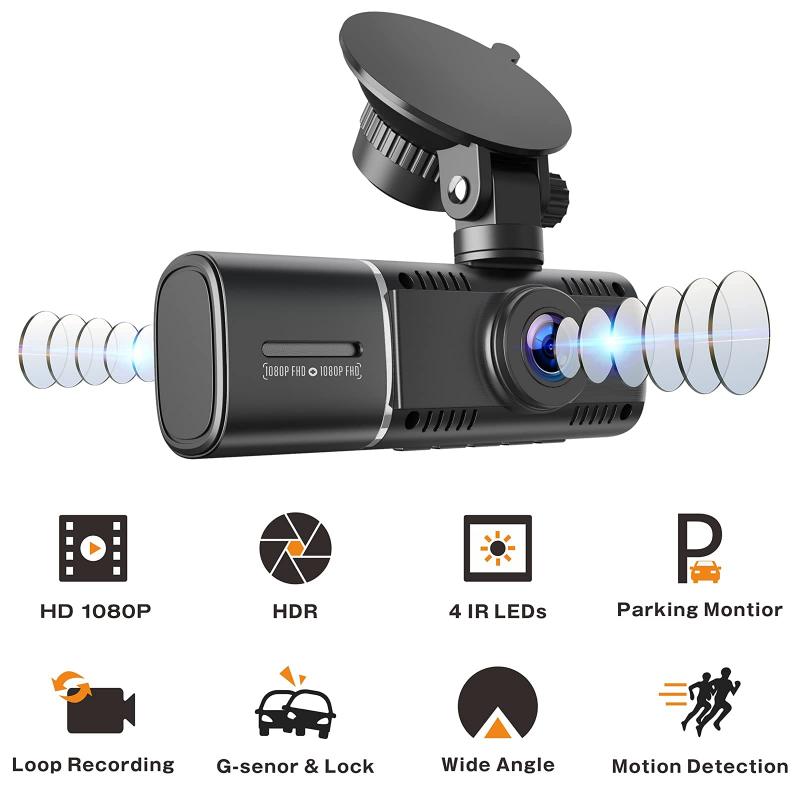
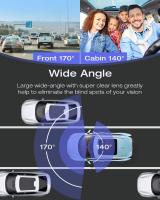
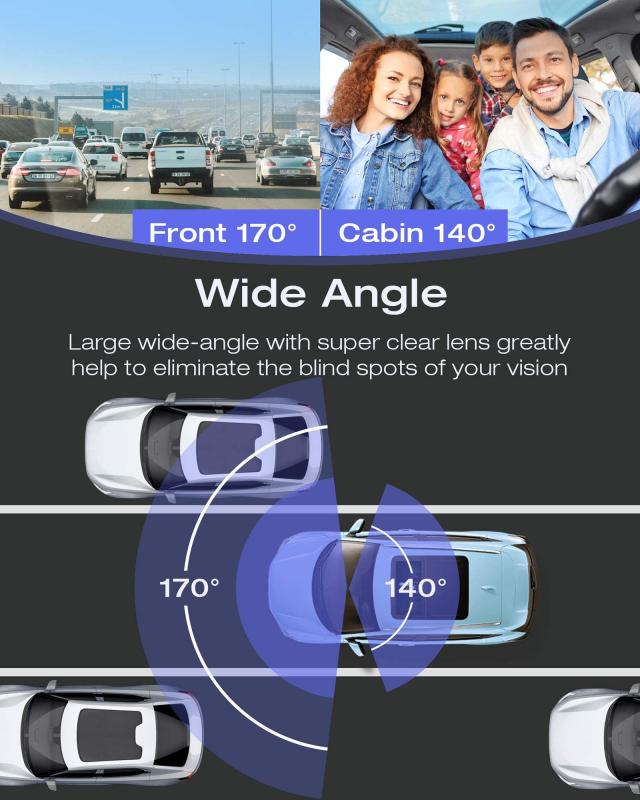
The field of view refers to how wide the dash cam can record footage. A wider field of view (FOV) ensures that more of the road is captured:
Optimal Range: 140° to 170°: While a wider angle captures more details, such as multiple lanes or sidewalks, angles wider than 170° can distort the video.
3. Storage Capacity
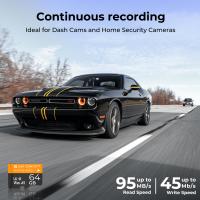
Quality dash cams typically record high-definition footage, which takes up significant storage space. Look for models with ample support for microSD cards or larger internal capacities:
Ring Buffer Recording: Ensure your device provides "loop recording," which overwrites old footage automatically when the storage is full.
4. Durability and Build Quality
A dash cam is constantly exposed to fluctuating temperatures, sunlight, and vibrations in the vehicle. Models made with durable materials (primarily heat-resistant plastics or metal casing) are built to last.
5. Ease of Installation and Operation
The utility of any product lies in user experience. You want a dash cam that:
- Installs quickly and securely via mounts or adhesives.
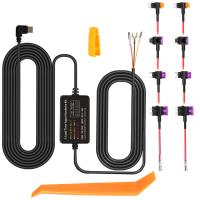
- Is easily powered via USB or your car’s cigarette lighter.
- Offers intuitive interfaces (touchscreen displays, user-friendly apps, etc.)
6. Advanced Features
A high-end dash cam may include advanced functionalities that add supplementary value, though they may slightly increase the cost. Some bonus features to look for:
ADAS (Advanced Driver Assist System): These systems can provide lane departure warnings or forward collision alerts.
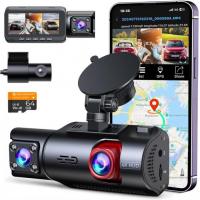
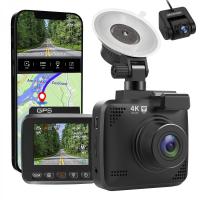
Wi-Fi or Bluetooth: The ability to connect to your phone or computer simplifies downloading and managing files.
GPS Tracking: Adds location data to your footage, useful for assessing routes or as evidence of your whereabouts.
Parking Mode: Monitors activity around the car and records incidents while parked.
7. Customer Support and Warranty
Always prioritize brands that offer responsive customer service and a reasonable warranty. A dash cam is an investment, and ensuring proper after-sales support prevents headaches down the road.
Top Recommendations for Dash Cam Brands
Several brands consistently produce reliable dash cams, blending performance, affordability, and innovative features. Here are some recommendations:
1. Thinkware
Known for premium features such as enhanced parking modes and GPS tracking, Thinkware offers excellent overall performance. Their dash cams often incorporate wide-angle lenses, high-resolution video, and superior night vision settings.
2. BlackVue
If you're looking for high-quality dash cams with cloud storage integration, BlackVue is a standout choice. The brand emphasizes sleek designs and reliable connectivity with your phone via Wi-Fi.
3. Garmin
Garmin focuses on simplicity and reliability, delivering crisp recording quality and intuitive interfaces. Their models often include GPS facilities and unique driver safety alerts.
4. Vantrue
Vantrue dash cams are a great mid-range option, bridging functionality with affordability. They provide 4K resolution models with optimal storage capacities.
5. Viofo
Viofo is well-regarded for providing pro-grade features at relatively budget-friendly prices, such as exceptional video quality and GPS tracking.
Explore these options based on the features that matter most to you, and compare customer reviews to ensure peace of mind.
Common Mistakes to Avoid When Buying a Dash Cam
Avoiding common pitfalls will save you time, effort, and money:
Ignoring Night Vision: A model without night vision will compromise performance during nighttime driving.
Choosing Cheap, Unknown Brands: While tempting to save money, low-quality dash cams are unreliable and often prone to technical hiccups.
Overlooking Power Source: Confirm whether the dash cam uses USB, battery, or external powering methods.
Not Considering File Sizes: Check the compression format (e.g., H.265 HEVC) to ensure that the dash cam doesn’t eat away at storage unnecessarily.
Failing to Test Setup: Proper installation and test runs will help rule out software or hardware issues.
Verdict: How to Choose the Right Dash Cam for You
The perfect dash cam is one that meets your specific requirements without exceeding your budget. To summarize:
- Start with the basic essentials: focus on video quality, field of view, storage capacity, and durability.
- Consider any extra features you might find useful, such as GPS tracking, parking mode, or apps for file management.
- Choose reliable brands to ensure long-term satisfaction and access to customer care.
If you're a casual driver looking for occasional recording, a 1080p dash cam with basic functions might be sufficient. However, if you're aiming for comprehensive coverage, travel documentation, or advanced driver assistance, investing in a model with additional features like 4K resolution, connected applications, and ADAS is worth considering.
Lastly, always take time to read reviews and compare specifications. For a product designed to promote security and confidence while on the road, compromising quality can defeat its purpose.
A good dash cam is truly a game changer in modern driving. With thoughtful selection, you’ll not only enhance road safety but also equip yourself with an indispensable tool for documentation, security, and peace of mind during any commute or adventure. Safe travels!