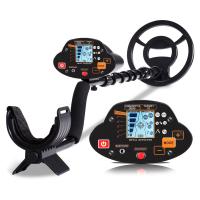
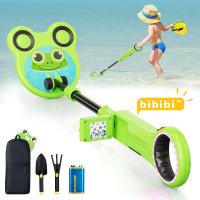
What Is The Best Metal Detector?
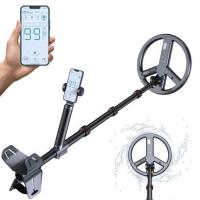
When it comes to finding the best metal detector, the answer largely depends on your specific needs, experience level, and the type of treasure hunting you plan to do. Metal detectors are versatile tools used for a variety of purposes, from hobbyist treasure hunting to professional archaeological exploration, and even security and industrial applications. With so many options on the market, it can be overwhelming to choose the right one. In this article, we’ll break down the key factors to consider when selecting a metal detector, highlight some of the top models available, and provide practical advice to help you make an informed decision.
Understanding Your Needs

Before diving into specific models, it’s important to identify your primary purpose for using a metal detector. Here are some common use cases:
1. Coin Shooting: Searching for coins in parks, beaches, or other public areas.
2. Relic Hunting: Looking for historical artifacts, such as old tools, weapons, or jewelry.
3. Gold Prospecting: Detecting small gold nuggets in mineral-rich areas.
4. Beach and Underwater Hunting: Searching for treasures in wet sand, shallow water, or even underwater.
5. General Purpose: A mix of all the above, for hobbyists who want versatility.
Each of these activities requires different features and capabilities in a metal detector. For example, gold prospecting often requires a detector with high sensitivity to small objects, while beach hunting demands a waterproof or water-resistant model.
Key Features to Consider
When evaluating metal detectors, pay attention to the following features:
1. Operating Frequency: Metal detectors operate at different frequencies, which affect their sensitivity and depth. Low-frequency detectors are better for detecting larger, deeper objects, while high-frequency detectors excel at finding small, shallow targets like gold nuggets.
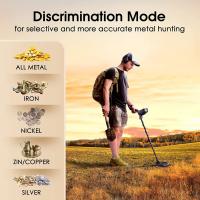
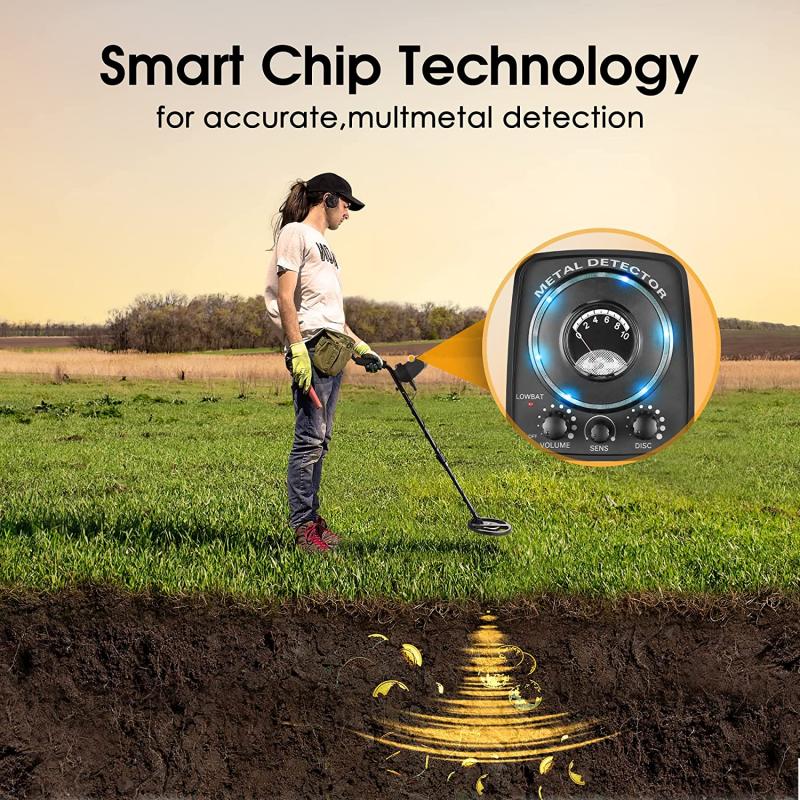
2. Discrimination: This feature allows the detector to differentiate between valuable metals (like gold and silver) and less desirable materials (like iron or aluminum). Advanced discrimination settings can save you time by filtering out junk.
3. Ground Balance: Ground mineralization can interfere with a detector’s performance. Ground balance settings help the detector ignore mineralized soil and focus on actual targets.
4. Depth Detection: Some detectors are better at detecting objects buried deeper underground. If you’re searching for relics or larger items, depth detection is crucial.
5. Waterproofing: For beach or underwater hunting, a waterproof detector is essential. Some models are fully submersible, while others are only water-resistant.
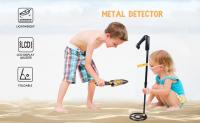
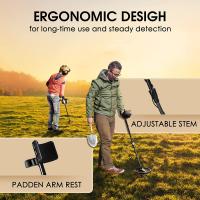
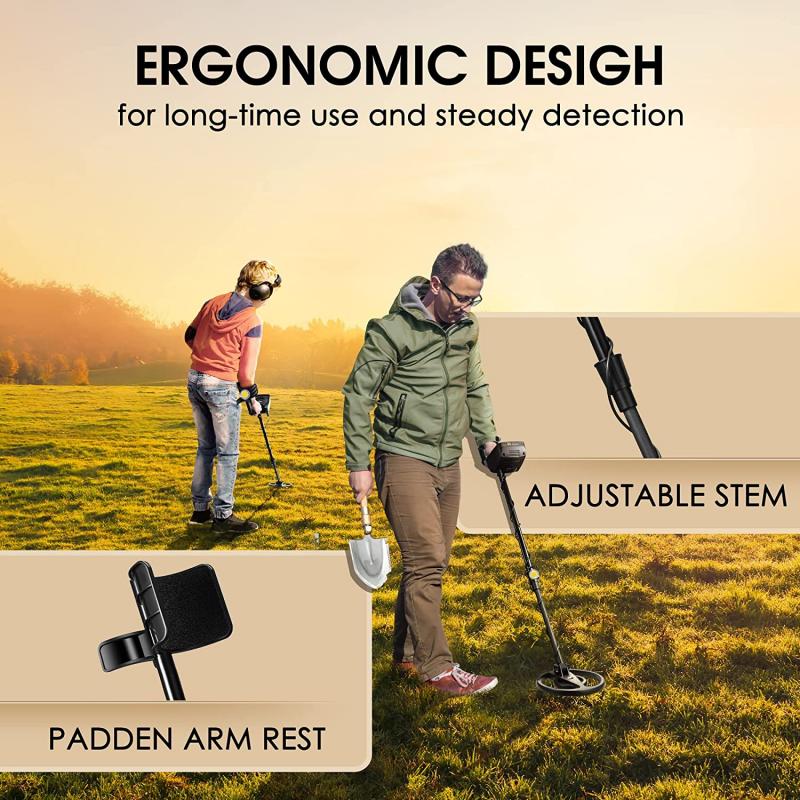
6. Weight and Ergonomics: Metal detecting can be a physically demanding activity, so a lightweight and well-balanced detector is important for comfort during long sessions.
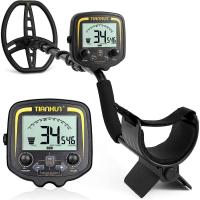
7. Display and Audio: A clear display and reliable audio signals make it easier to interpret what the detector is finding. Some models also offer visual target ID, which provides additional information about the detected object.
8. Price: Metal detectors range from budget-friendly models for beginners to high-end devices for professionals. Determine your budget and look for a detector that offers the best value for your money.
Top Metal Detectors for Different Needs
Here are some of the best metal detectors currently available, categorized by their primary use:
1. Best for Beginners: Garrett ACE 300

The Garrett ACE 300 is a user-friendly metal detector that offers excellent performance at an affordable price. It features adjustable discrimination, a digital target ID, and a lightweight design, making it ideal for beginners. It’s versatile enough for coin shooting, relic hunting, and general-purpose detecting.
2. Best for Gold Prospecting: Minelab Gold Monster 1000
The Minelab Gold Monster 1000 is specifically designed for gold prospecting. It operates at a high frequency of 45 kHz, making it highly sensitive to small gold nuggets. It also features automatic ground balance, which is essential for detecting in mineralized soil.
3. Best for Beach and Underwater Hunting: Garrett AT Pro
The Garrett AT Pro is a waterproof metal detector that performs well on both land and water. It’s submersible up to 10 feet, making it suitable for shallow water hunting. It also offers advanced features like Pro Audio Mode and iron discrimination, which are helpful for identifying valuable targets in challenging environments.
4. Best for Relic Hunting: Fisher F75
The Fisher F75 is a high-performance metal detector that excels at relic hunting. It offers excellent depth detection, advanced discrimination settings, and a fast recovery speed, which is crucial for finding targets in areas with heavy trash or iron contamination.
5. Best All-Around: Minelab Equinox 800
The Minelab Equinox 800 is a versatile metal detector that can handle a wide range of detecting scenarios. It features Multi-IQ technology, which allows it to operate on multiple frequencies simultaneously. This makes it effective for coin shooting, relic hunting, gold prospecting, and beach hunting. It’s also waterproof and has customizable settings for advanced users.
Tips for Choosing the Right Metal Detector
1. Define Your Goals: Be clear about what you want to achieve with your metal detector. This will help you narrow down your options and focus on models that meet your specific needs.
2. Consider Your Experience Level: Beginners should look for detectors with simple controls and user-friendly features, while experienced users may prefer models with advanced settings and customization options.
3. Test Before You Buy: If possible, try out different models to see which one feels most comfortable and intuitive to use. Many retailers and clubs offer demo sessions.
4. Read Reviews and Watch Videos: Online reviews and video demonstrations can provide valuable insights into a detector’s performance and features.
5. Join a Community: Metal detecting forums and social media groups are great places to ask for advice, share experiences, and learn from other enthusiasts.
Common Mistakes to Avoid
1. Overlooking Ground Balance: Ignoring ground balance settings can lead to false signals and frustration, especially in mineralized soil.
2. Ignoring Weight and Ergonomics: A heavy or poorly balanced detector can cause fatigue and make detecting less enjoyable.
3. Skipping Research: Buying the first detector you come across without researching its features and capabilities can lead to disappointment.
4. Not Setting a Budget: It’s easy to get carried away with high-end models, but there are plenty of affordable options that offer great performance.
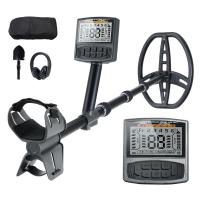
5. Neglecting Accessories: Don’t forget to invest in essential accessories like a digging tool, headphones, and a carrying case.
Choosing the best metal detector ultimately comes down to understanding your needs, setting a budget, and researching the available options. Whether you’re a beginner looking for a simple and affordable model or an experienced detectorist seeking advanced features, there’s a metal detector out there for you. By considering factors like operating frequency, discrimination, ground balance, and waterproofing, you can find a detector that matches your goals and enhances your treasure-hunting experience.
Remember, metal detecting is as much about the journey as it is about the finds. With the right equipment and a bit of patience, you’ll be well on your way to uncovering hidden treasures and enjoying a rewarding hobby. Happy hunting!