Where To Buy Microphone For Recording?
Microphones
Microphones are critical to making live sound and recording projects successful. They can be used for presentations, musical performances, interviews, vlogging, and many other applications. Determining which microphone is right for you depends on sensitivity, frequency response, directionality, and the ability to exclude unwanted sound and noise.
- Large diaphragm condensers
- Small diaphragm condensers
- Dynamic microphones
- Ribbon microphones
- USB microphones
- Shotgun microphones
- Voice over microphones
- Camera microphones
- Lavalier microphones
- Handheld interview microphones
Recording microphones, audio interfaces, studio monitors, studio mixers & control surfaces, preamps & channel strips, signal processing & 500 series audio recorders, headphones, patchbays, studio furniture, chairs & stools, acoustic treatment, audio engineering instructional books, podcasting, video creators, cameras & video, livestreaming.
Microphone accessories include microphone cables, microphone stands, mic mounts and clips, stereo bars & arrays, mic capsules & bodies, pop filters & wind screens, microphone cases, and misc. mic accessories.
Different Types of Microphones
- Dynamic
- A dynamic microphone is a great all-around solution for many recording and live sound applications. It's robust with a diaphragm connected to a coil inside a magnet. This vibrates to create an electrical current that captures loud sounds without distortion.
- Condenser
- Very popular for studio recording, a condenser mic has a vibrating capacitor, causing variation to an electrical current from a battery or power source. This type has a good frequency response and is sensitive to fine details.
- Ribbon
- Ribbon mics are versatile solutions for recording as well as live sound performances. One of these uses a small metal ribbon held in a magnetic field. As the ribbon vibrates, it generates a voltage. This model is very sensitive and produces good, clean sound.
- USB
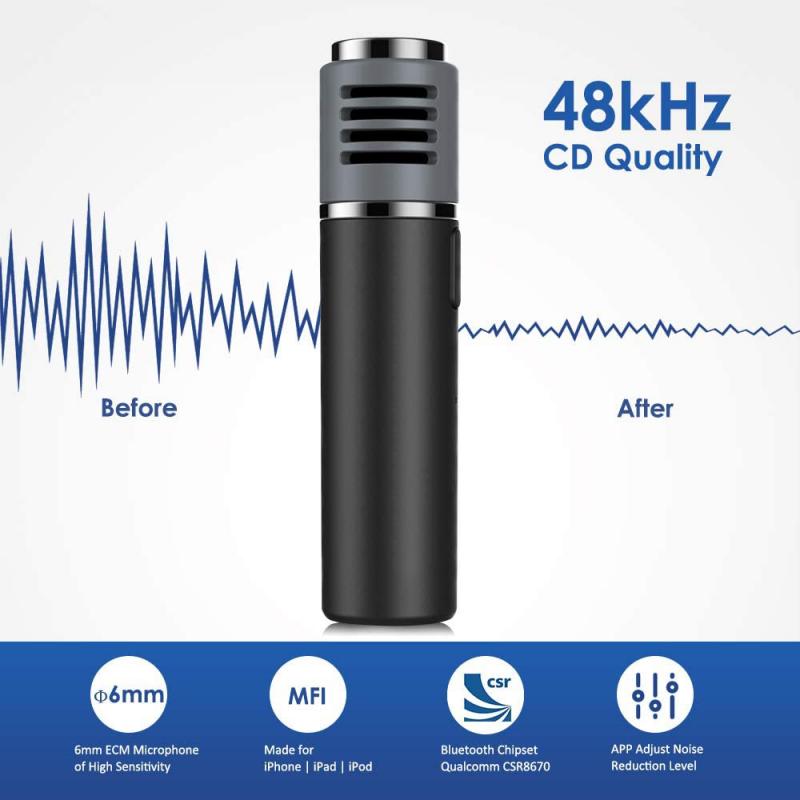
- USB microphones are convenient plug-and-play solutions for recording a variety of things, including musical vocals, podcasts, radio, and Skype. Although a USB microphone has a conventional design, it's different in that it converts an analog signal into a digital sound signal that computers recognize.
- Wireless
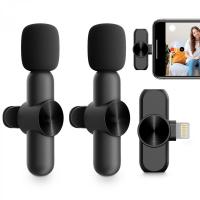
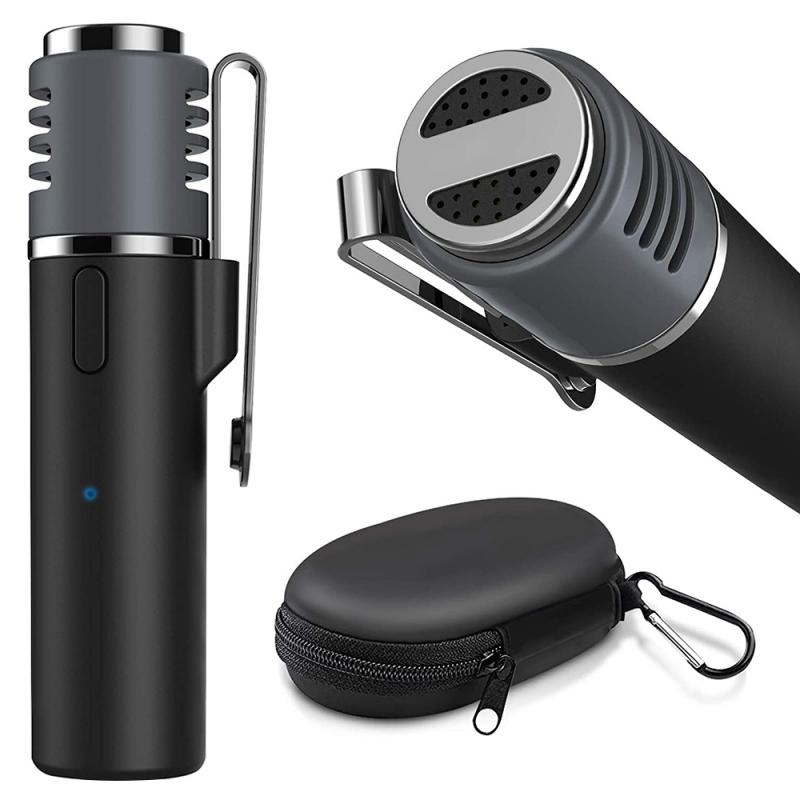
- In short, wireless microphones are convenient, easily transportable, and don't require cumbersome cables. This makes them easy to pass around, and allows performers to move freely about the stage.
Microphone Polar Patterns
A microphone's polar pattern determines its sensitivity to sound from different directions around its diaphragm. This ultimately affects its sonic characteristics and how much sound it picks up.
- Omnidirectional: The microphone picks up sound equally from all angles.
- Figure-8: The microphone picks up sound in a bidirectional pattern, rejecting sound from the sides.
- Cardioid: The microphone picks up sound mainly in the front, rejecting sound from the rear and sides.
Each mic has a unique polar pattern reflecting its sensitivity to sound from different directions. The most common polar patterns are:
- Omnidirectional: intended for studio work, this type detects sound equally from all directions.
- Cardioid: heart-shaped sensitivity pattern that's ideal for performing artists, with maximum sensitivity in the direction of the microphone, and less behind.
- Bidirectional: often used in interviews, they're equally sensitive in front and behind.
- Unidirectional: good for recording distant sound and very sensitive along its axis. Also called shotgun pattern.
Recording and Live Sound Applications
- Dynamic mics are often praised for handling loud sources in a live band setting: cranked guitar and bass cabs, thundering kick and snare drums, and high-intensity horns and singers.
- Used wisely, dynamics can be some of the most versatile mics in your locker, which is why you'll see them used in everything from orchestral spot miking to location field recording.
- Producers love the way dynamic mics home in on the action and reject what's happening in the room around them.
- A dynamic mic's proximity effect adds a full-bodied boost to broadcast and podcast narration.
- Condenser mics are highly sensitive active microphones that excel at translating nuanced audio sources such as vocal performances and percussion transients.
- A favorite among videographers and voice-over artists, a shotgun mic is a highly directional microphone that allows for capturing precise audio sources in outdoor or ever-changing environments.
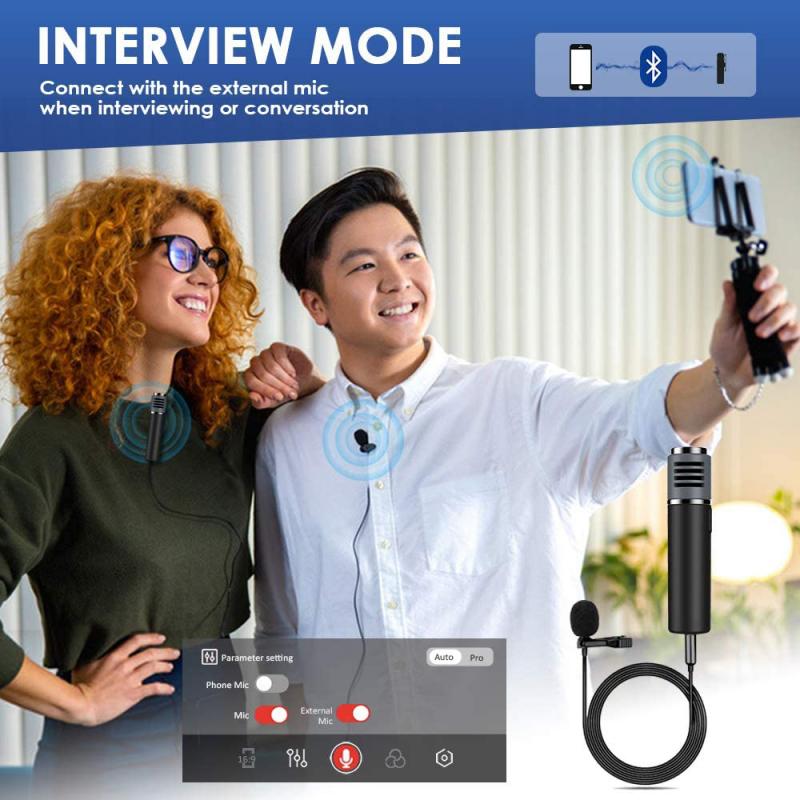
- Widely used in television and interviews, a lavalier mic is a clip-on option that's small enough to be hidden from view in on-camera while still providing a clean audio source.
Studio recording microphones. While a dynamic model is good for strong, loud sounds, a condenser mic has better high-frequency performance. The size of the condenser diaphragm affects its response to high frequencies, and smaller is better.
What to Consider When Choosing Your Next Microphone
Different microphone types serve different needs, and some may work better than others depending on your sound source and setting. For example, a recording microphone for vocals might prioritize clarity and detail, while a live guitar microphone might focus on midrange punch and dynamic control. Drum mics are often designed to handle high SPL and fast transients, making them perfect for snares, kicks, and toms.
- Application: Choosing the right vocal mic or instrument mic for your application can make a huge difference in the final result.
- Budget: Consider all other components that go into a recording setup, including your audio interface, preamp, and acoustic treatment.
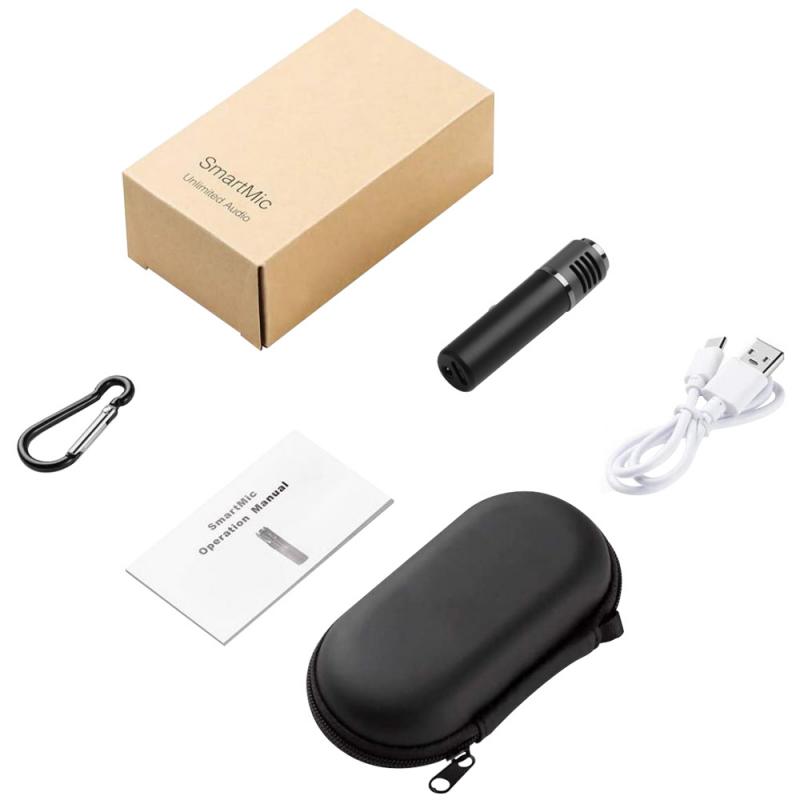
- Portability: Some microphones can be brought on the road for vlogging or on-the-go recording.
- Portable recording: Make sure to pick a microphone that's battery-powered or pack a portable recorder.
- Signal path: Every microphone shares the same core job of capturing sound and converting it into an electrical signal.
Passive ribbons demand lots of clean gain, but can reveal beautiful coloration when paired with the right preamp. Active ribbons use phantom power to drive internal circuitry, offering higher output and greater compatibility with mixers and interfaces.
USB microphones handle the duties of sound pickup and conversion to transform audio signals directly to digital. This technology eliminates the need for phantom power or an external audio interface, making USB mics a popular option for plug-and-play setups and a cost-effective microphone for podcast streams and voice-over work.