How To Choose Filter Size For Lens?
When it comes to photography, choosing the right filter size for your lens is an essential step in ensuring you achieve the desired effects and maintain the quality of your images. Filters are indispensable tools for photographers, offering creative control, protection for your lens, and the ability to adapt to challenging lighting conditions. However, selecting the correct filter size can be confusing, especially for beginners. In this article, we’ll break down everything you need to know about choosing the right filter size for your lens, along with practical tips to make the process easier.
Understanding Filter Sizes
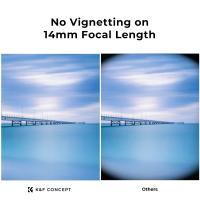
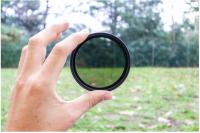
Filter size refers to the diameter of the filter that fits onto the front of your camera lens. It is measured in millimeters (mm) and corresponds to the diameter of the lens’s front thread. Filters come in various sizes, typically ranging from 37mm to 95mm or more, depending on the lens. Using the wrong filter size can result in improper attachment, vignetting (dark corners in your photos), or even damage to your lens.
Step-by-Step Guide to Choosing the Right Filter Size
1. Check Your Lens Specifications
The first step in determining the correct filter size is to check your lens specifications. Most lenses have their filter size printed on the front or side of the lens barrel. Look for a number followed by the "Ø" symbol (e.g., Ø67mm). This indicates the diameter of the lens thread and the size of the filter you need.
If you can’t find this information on the lens itself, refer to the lens manual or the manufacturer’s website. Alternatively, you can search for your lens model online, where the filter size is usually listed in the specifications.
2. Understand the Types of Filters
Before purchasing a filter, it’s important to understand the different types available and their purposes. Here are some common types of filters:
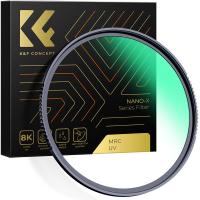
- UV Filters: Protect your lens from dust, scratches, and UV light. These are often used as a protective layer for the lens.
- Polarizing Filters: Reduce reflections, enhance colors, and improve contrast in outdoor photography.
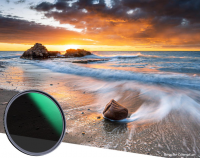
- Neutral Density (ND) Filters: Reduce the amount of light entering the lens, allowing for slower shutter speeds or wider apertures in bright conditions.
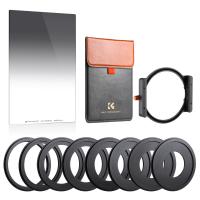
- Graduated ND Filters: Darken specific parts of the image, such as the sky, while leaving other areas unaffected.
- Color Filters: Adjust the color balance or add creative effects to your photos.
- Close-Up Filters: Act as magnifying glasses for macro photography.
Knowing the type of filter you need will help you narrow down your options and focus on finding the right size.
3. Consider Step-Up or Step-Down Rings
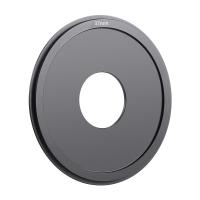
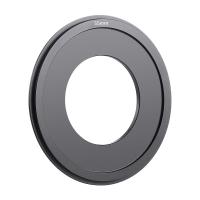
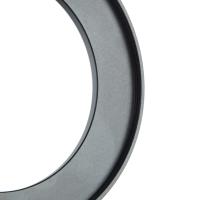
If you own multiple lenses with different filter sizes, buying separate filters for each lens can be expensive. Instead, you can use step-up or step-down rings to adapt filters to lenses with different thread sizes.
- Step-Up Rings: Allow you to use a larger filter on a smaller lens thread. For example, if your lens has a 58mm thread and your filter is 67mm, a step-up ring will bridge the gap.
- Step-Down Rings: Allow you to use a smaller filter on a larger lens thread. However, this may cause vignetting and is generally less recommended.
Step-up rings are a cost-effective solution, especially if you invest in high-quality filters that you want to use across multiple lenses.
4. Match the Filter to Your Lens Hood
If you use a lens hood, ensure that the filter size is compatible with it. Some lens hoods are designed to accommodate filters, while others may not fit properly if a filter is attached. Check the manufacturer’s guidelines to avoid compatibility issues.
5. Choose High-Quality Filters
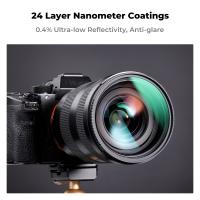
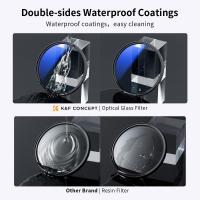
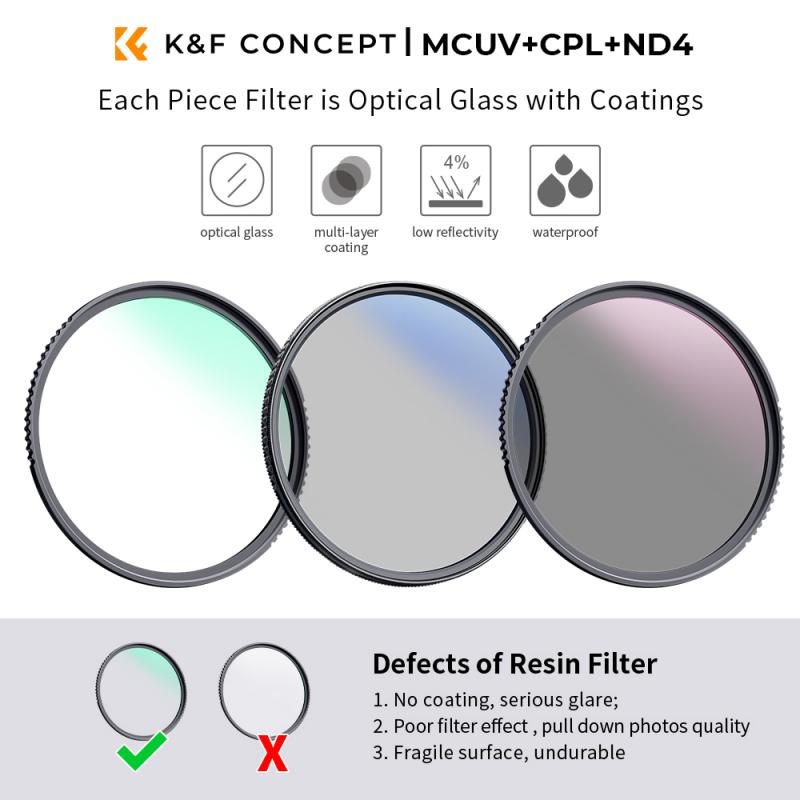
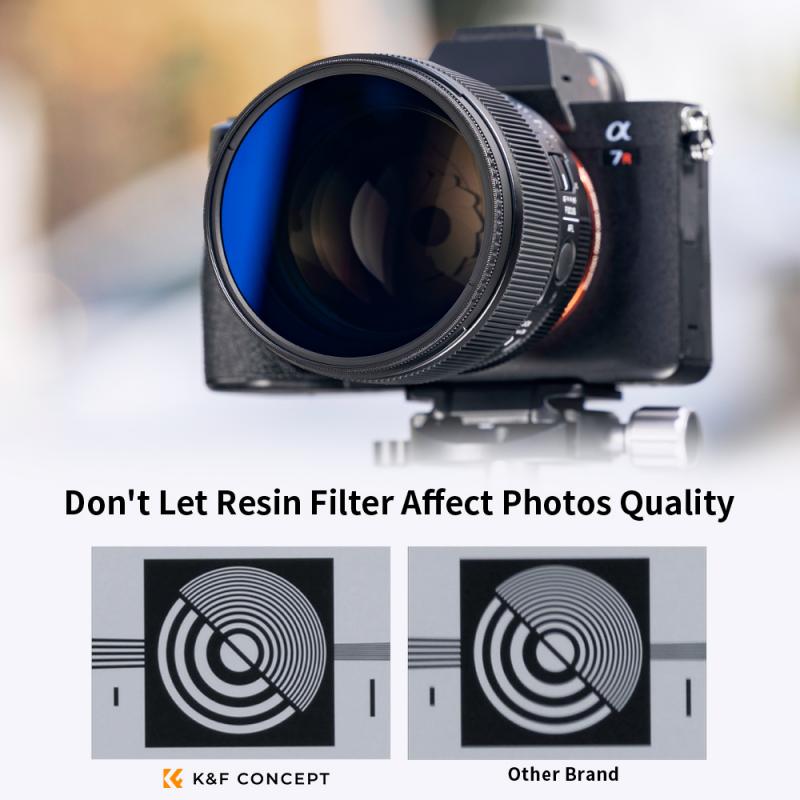
The quality of the filter is just as important as the size. Low-quality filters can degrade image quality by introducing unwanted reflections, color casts, or loss of sharpness. Look for filters made from high-quality optical glass with multi-coating to reduce glare and improve light transmission.
Trusted brands like B+W, Hoya, Tiffen, and Lee Filters are known for producing reliable filters. While these may be more expensive, they are worth the investment for serious photographers.
6. Plan for Future Lenses
If you plan to expand your lens collection in the future, consider buying filters in a larger size and using step-up rings for your current lenses. This approach can save you money in the long run and ensure compatibility with future gear.
Common Mistakes to Avoid
1. Ignoring the Filter Size
One of the most common mistakes is purchasing a filter without checking the lens’s thread size. Always double-check the specifications to avoid buying the wrong size.
2. Using Step-Down Rings Excessively
While step-down rings can be useful, they often lead to vignetting, especially on wide-angle lenses. Use them sparingly and only when absolutely necessary.
3. Compromising on Quality
Cheap filters may seem like a good deal, but they can negatively impact your photos. Always prioritize quality over cost, especially if you’re using high-end lenses.
4. Overlooking Compatibility with Lens Caps
Some filters may prevent your lens cap from fitting properly. Check whether the filter allows the lens cap to attach securely, or consider purchasing a compatible cap.
Practical Tips for Buying Filters
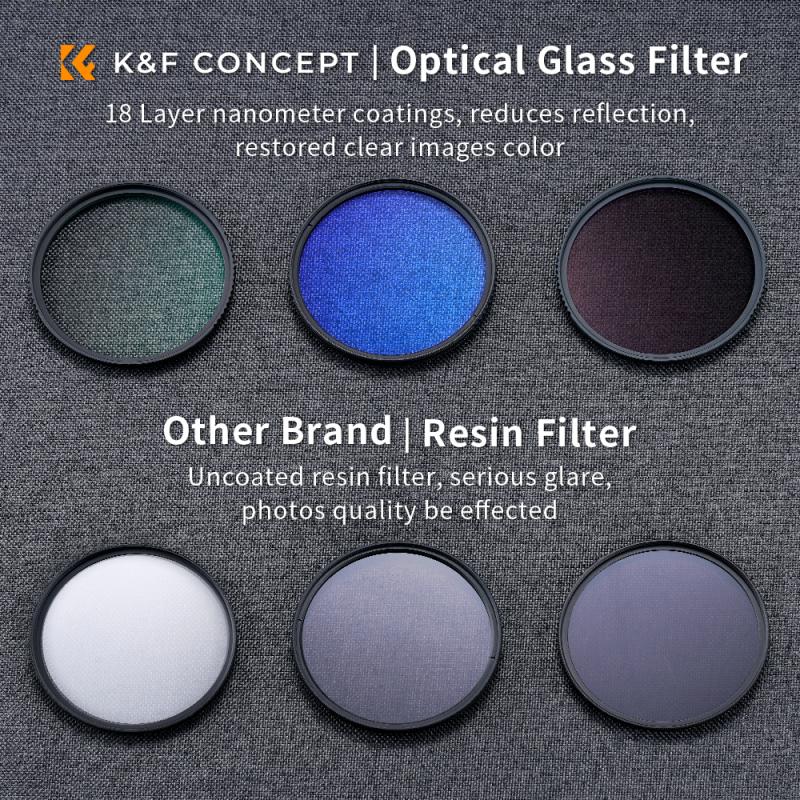
- Buy Filters in Sets: Some manufacturers offer filter kits that include multiple types of filters in the same size. This can be a cost-effective way to build your collection.
- Test Before You Buy: If possible, test the filter on your lens to ensure it fits properly and doesn’t cause vignetting or other issues.
- Read Reviews: Research online reviews and user feedback to find filters that offer the best performance and value for money.
- Consider Variable ND Filters: If you frequently use ND filters, a variable ND filter can save you the hassle of carrying multiple filters with different strengths.
Choosing the right filter size for your lens is a straightforward process once you understand the basics. Start by identifying your lens’s thread size, then select a filter that matches both the size and your specific needs. If you own multiple lenses, consider using step-up rings to save money and simplify your gear setup. Always prioritize quality when purchasing filters, as they can significantly impact the final image.
By following these guidelines, you’ll be well-equipped to make informed decisions and enhance your photography with the right filters. Whether you’re protecting your lens, reducing glare, or experimenting with creative effects, the right filter can make all the difference in achieving your artistic vision.