How Are Wireless Security Cameras Powered?
Wireless security cameras have become increasingly popular due to their ease of installation, flexibility, and ability to seamlessly integrate into home or business security systems. One of the most common questions users ask about these cameras is how they are powered, as they don’t rely on traditional wired connections. Understanding the various power solutions available for wireless security cameras is crucial for determining the best fit for your specific needs and ensuring continuous operation. In this article, we'll explore the common ways wireless security cameras are powered and provide answers to practical concerns regarding their usage.
1. Battery-Powered Wireless Security Cameras
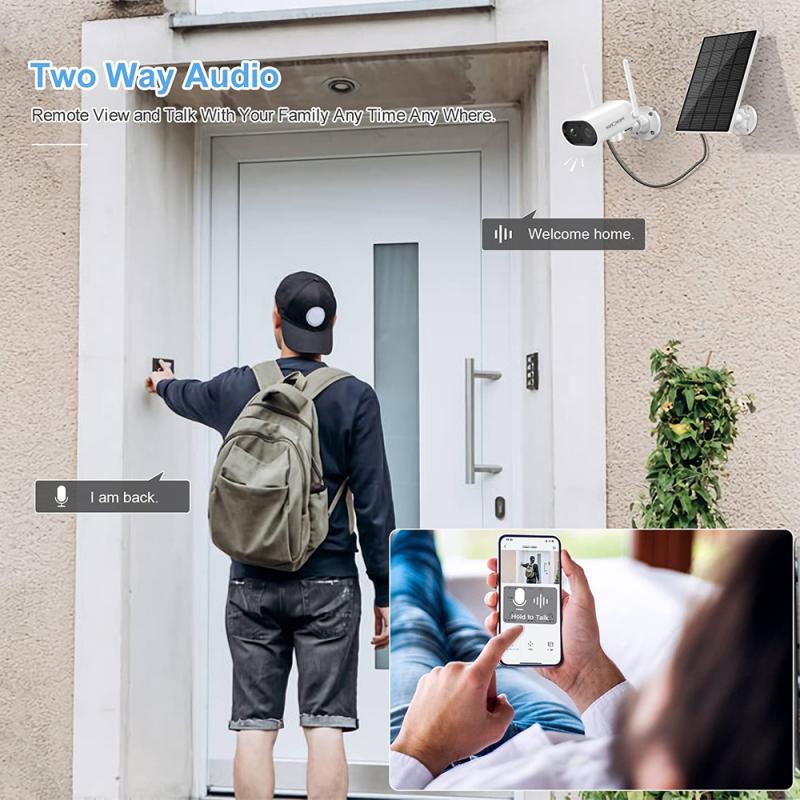
Battery-powered wireless security cameras rely solely on batteries for operation, which offers maximum flexibility in terms of placement. Because these cameras are completely wire-free, they can be installed virtually anywhere—whether indoors or outdoors—without worrying about proximity to power outlets. Here’s how battery-powered cameras work:
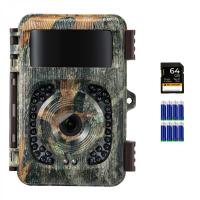
Rechargeable Batteries: Many wireless security cameras are equipped with rechargeable batteries that can last anywhere from a few weeks to several months, depending on usage, recording frequency, and features like live streaming or motion detection. Once the battery is depleted, users can remove it, recharge it, and reinstall it.
Replaceable Batteries: Some models use replaceable batteries, where users swap the old batteries for new ones when they run out of power. While rechargeable options are more environmentally friendly, replaceable batteries can offer convenience if you don't want to deal with downtime during charging.
Key Advantages:

- Flexibility to install cameras in remote or hard-to-reach areas.
- No reliance on electrical outlets or wiring.
- Easy mobility in case the camera needs to be repositioned.
Key Challenges:
- Regular monitoring of battery levels is required to avoid downtime.
- Power consumption can increase if the camera is used for continuous recording, live viewing, or frequent motion-detection alerts.
2. Solar-Powered Wireless Security Cameras
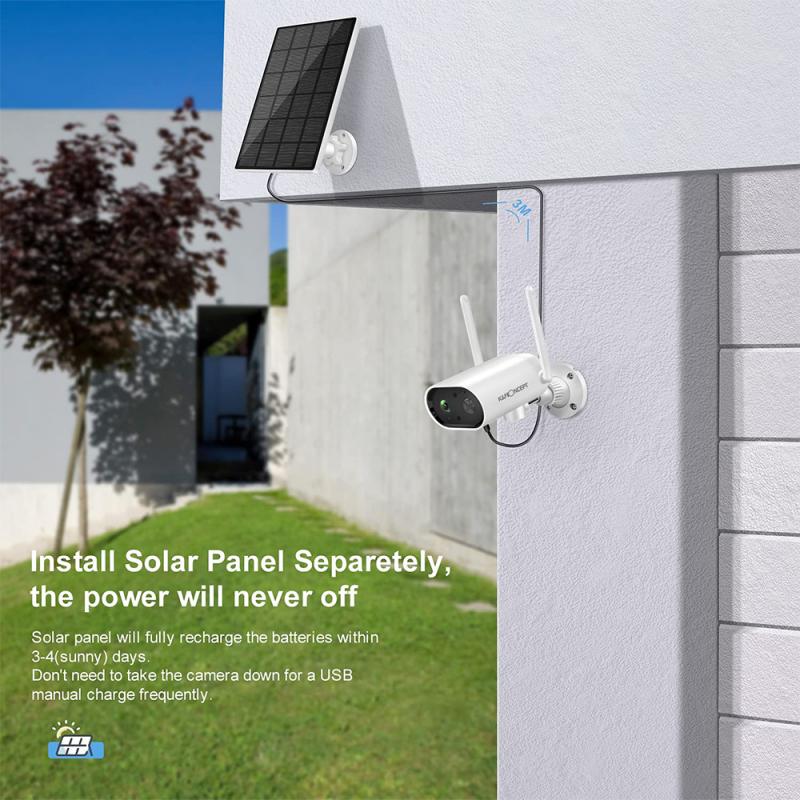
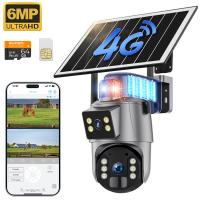
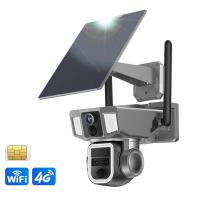
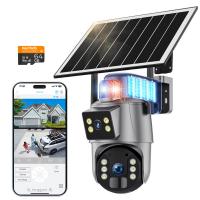
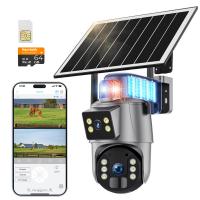
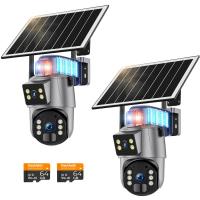
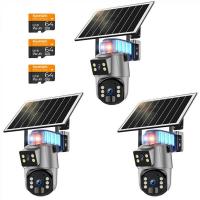
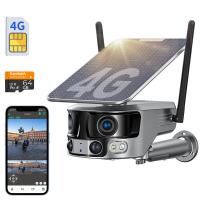
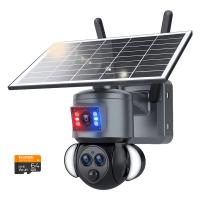
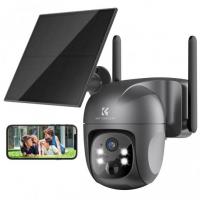
An increasingly popular option, particularly for outdoor wireless cameras, is solar power. These cameras typically feature built-in rechargeable batteries complemented by solar panels that absorb sunlight and provide a renewable power source. Solar-powered cameras are perfect for locations that receive consistent sunlight throughout the day.
Key Advantages:
- Eco-friendly and sustainable; reduces reliance on traditional power sources.
- Minimal maintenance after installation, as the camera is self-sufficient for power.
- Ideal for areas where electrical access is unavailable, such as farms, construction sites, or areas bordering wilderness.
Key Challenges:
- Requires adequate sunlight exposure, which may not be viable for areas with frequent cloud cover or heavily shaded spots.
- Solar panels and batteries may have a higher upfront cost compared to non-solar options.
3. Plug-In Wireless Security Cameras
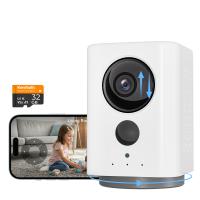
While wireless cameras are defined by their lack of data cables, they can still derive power directly from electrical outlets. These plug-in wireless cameras use a wall adapter and cable to connect to nearby power sources while transmitting data wirelessly via Wi-Fi or other protocols.
Key Advantages:
- Continuous power supply eliminates the need to worry about battery depletion.
- Suitable for use in areas with high activity and demand for continuous recording or live streaming.
- Ideal for indoor spaces with conveniently located outlets.
Key Challenges:
- Limited placement options due to the need to stay near an electrical outlet.
- Visible power cords can detract from aesthetics and may require management solutions to minimize clutter.
- Not as portable as battery-powered or solar-powered options.
4. Hybrid Power Systems
Some wireless security cameras use hybrid power systems, combining the advantages of multiple powering methods. For instance, a camera may come with both a rechargeable battery and the ability to plug into an outlet. Alternatively, a solar-powered wireless camera may also use backup batteries for nighttime or overcast conditions.
Key Advantages:
- Users can switch between power methods to suit their needs or environment.
- Reliable backup solutions ensure consistent operation during outages or battery depletion.
- Enhanced flexibility for varied use cases.
Key Challenges:
- Initial setup can involve higher costs.
- Maintenance may become more complex if both powering methods require attention (e.g., recharging batteries while maintaining solar panels).
Addressing Common Questions
Q: How long do wireless security camera batteries typically last?
Battery life varies depending on several factors, such as the camera model, the frequency of use, and whether the camera supports high-demand features like night vision, live streaming, or AI-driven motion detection. On average, most cameras last anywhere from 2 to 6 months per charge; however, some models offer extended battery life up to a year, thanks to power-saving functionality.
Q: What if the solar panel fails to provide enough power during cloudy days or nighttime?
Solar-powered cameras are typically equipped with backup batteries that charge during daylight hours. These batteries ensure that the camera continues to function when solar power is not available. For extended cloudy periods, you may have to manually swap or recharge the battery if it runs low.
Q: Can security cameras be hacked if they are wirelessly powered?
Wireless power does not directly affect the security of the data transmission between the camera and your devices. However, wireless cameras rely on Wi-Fi or other protocols, which must be secured properly. Ensure strong passwords, enable encryption, and use firewalls to reduce hacking attempts.
Q: Are there ways to remotely monitor power levels for battery-powered cameras?
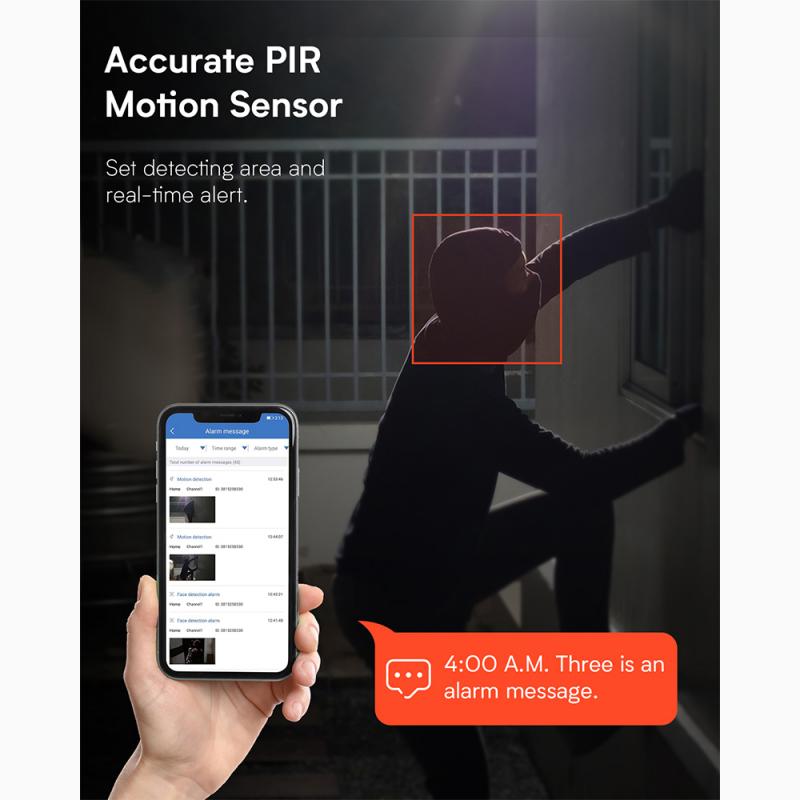
Yes, many wireless camera models come with companion apps or software that allow users to monitor battery levels remotely, sending notifications when the battery is low. This ensures users can recharge or replace batteries before they run out.
Choosing the Best Power Source for Your Camera
When deciding how to power your wireless security camera, consider the following factors:
Location: For hard-to-reach outdoor areas without electrical outlets, solar-powered cameras may be the best option. Indoors, plug-in models can offer unlimited power with minimal disruption.
Frequency of Use: If your camera will record continuously or needs constant live streaming functionality, a plug-in or hybrid power solution may be more reliable than standalone batteries.
Budget: Battery-powered and plug-in cameras typically have lower upfront costs than solar-powered models. However, solar power can provide long-term savings by eliminating electricity or battery replacement expenses.
Environmental Conditions: For areas with frequent sunlight, solar-powered cameras are highly effective. In shaded or indoor environments, plug-in or rechargeable battery options may be better.
Final Thoughts
The flexibility offered by wireless security cameras means they can be tailored to fit virtually any security scenario. Whether you choose battery-powered cameras for their portability, solar-powered options for their sustainability, or plug-in models for their reliability, understanding how these devices are powered helps you make informed decisions, avoid unexpected downtime, and achieve a safer, more secure environment.
By staying mindful of the limitations and advantages of each power solution, you can optimize the performance of your security setup while minimizing maintenance demands. As technology evolves, manufacturers continue to enhance their cameras’ energy efficiency, extending battery life and integrating smarter energy management systems that reduce the overall need for manual intervention.
Finding the right power solution ultimately depends on your unique needs, but armed with knowledge and foresight, you can ensure your wireless security cameras remain operational and effective for years to come.