How To Make Dome For Action Camera?
Crafting a Dome for Your Action Camera: A Comprehensive Guide
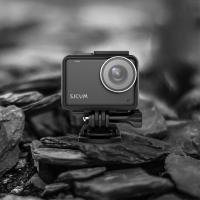
Action cameras are a fantastic tool for capturing stunning footage. Whether you're kayaking, snorkeling, or skiing, their compact size and rugged design make them perfect companions for adventure enthusiasts. However, for underwater photography enthusiasts or for anyone looking to create unique, distortion-free perspectives, domes can be game-changing accessories. Domes enhance clarity and widen the field of view, especially underwater, allowing you to capture seamless and striking split-shot images (half above water and half below). While commercial dome ports are widely available, creating your own is a budget-friendly and rewarding option. This guide will walk you through the process of constructing a dome for your action camera.
Why Build Your Own Dome?
You might wonder why you should go through the effort of making your own dome when prebuilt options exist. Here are a few valid reasons:
1. Cost Savings: Commercial domes can range from moderately to very expensive. Designing one yourself can significantly cut costs while achieving functionality comparable to store-bought options.
2. Customization: DIY allows you to tailor the dome to your specific needs, including size, material choice, and compatibility with your action camera model.
3. Creative Satisfaction: Successfully crafting your own dome is rewarding, especially when it helps you capture awe-inspiring footage later.
Supplies You'll Need
Before diving into the steps, gather the necessary materials. Depending on your access to resources and your camera brand, some options may vary slightly:
1. Half Sphere Acrylic Dome: A clear acrylic dome will form the main body of your accessory. Select one with a diameter appropriate for your camera size (usually between 6–12 inches).
2. Camera Housing Case: The dome will attach to your camera's waterproof housing. Ensure compatibility with your action camera model.
3. Adhesive or Sealant: Opt for a marine-grade adhesive or waterproof epoxy to provide strong, watertight bonding between components.
4. Base Adapter: Depending on your dome design, you may need small brackets or plates to secure your housing to the dome.
5. Tools:
- A drill and screwdriver
- Sandpaper or a file for smoothing edges
- Cutting tool for precise modifications
6. Optional Accessories:
- Plastic spacers or screws
- Paint or decals for aesthetics
Step-by-Step Construction Process
Step 1: Plan Your Dome Design
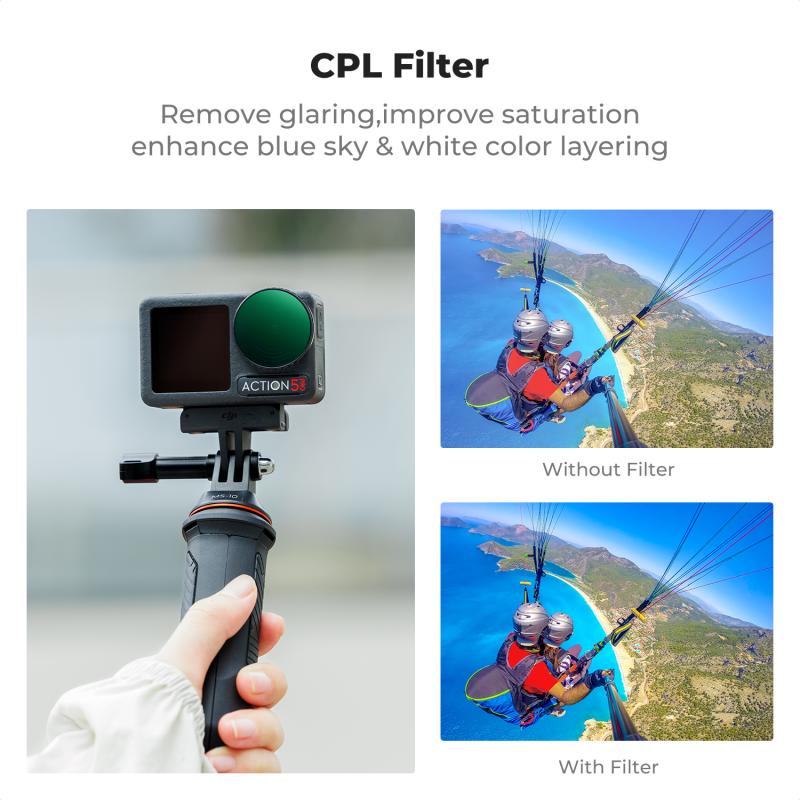
Before you begin the construction process, sketch your dome setup. Decide how your camera will fit securely inside the dome. The housing case should sit flush against the edge of the dome to prevent leaks or loose fits.
Step 2: Select and Prepare the Acrylic Dome
Choose a quality acrylic dome (or half-sphere) that offers optical clarity. Ensure it is free of scratches or imperfections, as these can distort your camera footage. If required, sand the edges of the dome to create a smooth seal spot for attachment to the waterproof housing.
Step 3: Attach the Camera Housing
Your action camera's waterproof housing needs to attach securely to the inside of the acrylic dome. To do this:
- Mark and drill holes for screws or adhesive application, ensuring a precise alignment.
- Apply waterproof epoxy or sealant along the joint to ensure no water can seep through.
- Tighten screws (if used) without over-tightening to prevent distorting materials.
Step 4: Waterproofing
The seal between the camera housing and dome is critical for underwater use. Generously apply your marine-grade adhesive or epoxy along all seams. Inspect seals thoroughly and consider performing an initial test outside before fully submerging.
Step 5: Test the Design
Once the dome is assembled, test it:
Dry Run: Place the camera inside the housing and ensure it fits snugly. Check for stability and view angles.
Water Test: Submerge the dome in shallow water (like a sink or tub) while checking for leaks. Spot any imperfections and reseal as necessary.
Video Test: Record underwater footage to ensure no visual distortions or interruptions in clarity.
Customizing Your Dome
Based on your preferences, you can add features or tweak the design further:
1. Additional Brackets: For added protection and convenience, integrate brackets to secure the dome to a tripod or handheld mount.
2. Anti-fog Inserts: Underwater footage can sometimes fall victim to lens fog. Placing anti-fog inserts inside the dome ensures crystal-clear results.
3. Aesthetic Improvements: Paint or decorate the dome with protective coatings to match the aesthetic of your gear.
Advantages of Using the Dome
By now, you’ve built a functional dome for your action camera—but what difference does it make? Here’s why domes are a powerful tool:
Underwater Clarity: Acrylic domes eliminate underwater distortions by creating an air pocket around the camera lens.
Split Shots: Capture stunning split-waterline shots seamlessly, thanks to the geometry of the dome.
Wide-Field Perspective: Enhance the peripheral field of view for dramatic footage.
Troubleshooting Common Issues
While a DIY dome is functional, certain issues can arise. Below are common problems and solutions:
1. Leakage: If water leaks into the dome, reapply epoxy to vulnerable joints. Ensure the dome and housing are flush and tightly sealed.
2. Fogging: Utilize anti-fog inserts or silica gel packs to prevent moisture accumulation inside the dome.
3. Visual Distortions: If footage appears blurred or warping occurs, inspect the acrylic dome for scratches or ensure the camera lens is aligned properly with the dome’s curvature.
Tips for Optimal Use
Maximize the use of your dome with the following suggestions:
Keep It Clean: Regularly clean the dome with a microfiber cloth and avoid abrasive cleaning tools.
Practice Split-Shots: Perfect your split-shot photography by submerging the bottom portion while keeping the top dry.
Use in Variety: Domes aren’t limited to water-based scenarios; they're equally effective for unique panoramic visuals on land.
Building a dome for your action camera might seem like a daunting project, but with the right materials and careful assembly, it’s a manageable and highly rewarding endeavor. Not only can it save you money, it also provides the satisfaction of creating a personalized accessory that elevates your photography and videography experience.
By following the steps above, you’ll be well-equipped to craft a dome that rivals commercial options in performance while meeting your specific needs. So dust off your tools, gather your materials, and dive headfirst into the creative process of building your own action camera dome. Whether you're exploring underwater worlds or experiencing exciting outdoor landscapes, your homemade dome promises to deliver stunning visuals every time. Happy filming!