Can Drones Fly At Night?
Drones have quickly gone from being a tool for hobbyists to becoming integral to industries ranging from filmmaking to agriculture to public safety. With their growing use, people often wonder whether drones can operate safely and effectively at night. This question isn't straightforward because nighttime drone usage is determined by technological capabilities, regulatory guidelines, and practical considerations.
To begin with, the short answer is: Yes, drones *can* fly at night, but this depends on certain conditions and specific regulations. Let's break this down into the practical, regulatory, and technological aspects to offer a comprehensive understanding.
The Practical Challenges of Flying Drones at Night
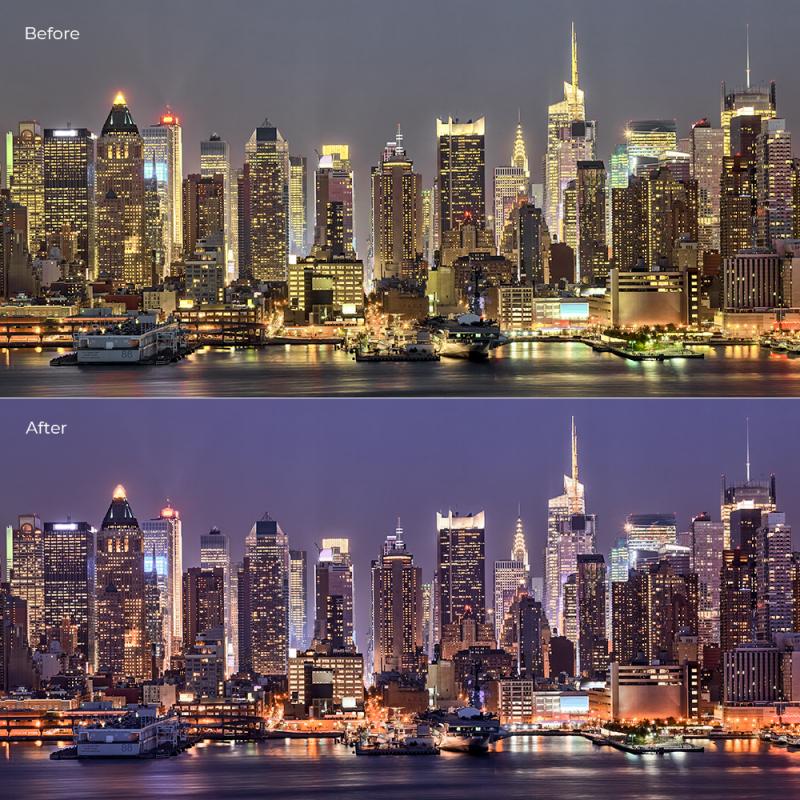
Flying drones at night introduces several technical and environmental challenges that aren't as significant during the day. Firstly, visibility is a critical issue. During the day, drone pilots rely on visual line-of-sight (VLOS) to keep track of their drones. The limited visibility at night makes it harder to see the drone and its surroundings, increasing the chances of collisions with obstacles like trees, buildings, or even power lines.
Additionally, lighting conditions can influence a drone’s ability to capture quality footage, especially in photography and videography applications. Without adequate lighting, cameras on board drones may struggle to produce useful or aesthetically pleasing content. While advanced cameras with enhanced low-light capabilities exist, they may still fall short in extremely dark or dynamic lighting environments.
Weather conditions at night present another complication. While it’s easier to detect changes in wind or approaching weather systems during the day, such cues may go unnoticed at night. Temperature variations can also cause dew or fog to form more readily, which might affect drone sensors and other systems.
The Role of Technology in Night Flights
To overcome the inherent challenges of flying at night, drones are increasingly equipped with advanced technologies. Many modern drones come with obstacle avoidance systems that use infrared or radar-based sensors, enabling them to "sense" their surroundings even when visual sight is limited.
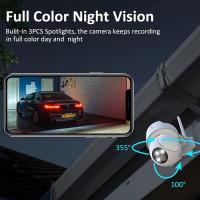
Another significant technological advancement is in lighting. Many drones intended for night use feature anti-collision lights and spotlights. Anti-collision lights are typically required under regulations for nighttime flights and help both the pilot and others in the vicinity identify the drone’s location. Spotlights, on the other hand, help illuminate the area beneath the drone, which can be useful for tasks like search-and-rescue operations or surveying at night.
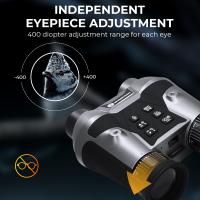
Some drones also come with night-vision cameras or thermal imaging systems, which enhance the pilot's ability to navigate and perform specific tasks, like detecting heat signatures in low-visibility conditions. These technologies are especially valuable in fields like security, wildlife monitoring, or emergency management.
Finally, software advancements in autopilot systems and geofencing provide additional safety measures for nighttime operations, helping drones stay on a pre-programmed path and avoid restricted areas or no-fly zones.
Regulatory Considerations for Flying Drones at Night
If you’re flying a drone recreationally or commercially, it’s important to first ensure that your activity complies with the rules established by aviation authorities. In many countries, aviation regulatory bodies impose restrictions on drones flying at night due to heightened safety concerns.
In the United States, for example, the FAA (Federal Aviation Administration) allows nighttime drone flights under specific conditions. Hobbyists must ensure their drones are visible with anti-collision lighting, and drones should not fly higher than 400 feet or beyond visual line-of-sight without proper waivers. For commercial pilots operating under Part 107 (the FAA's rules for commercial drone use), night operations were previously prohibited unless the pilot obtained a waiver. However, as of April 2021, the FAA updated its rules to permit nighttime operation for Part 107-certified pilots, provided they meet certain conditions, such as using anti-collision lights and undergoing specialized training.
In the European Union, EASA (the European Union Aviation Safety Agency) stipulates similar rules under its harmonized drone regulations. Pilots in the Open Category, for example, must ensure their drones are equipped with sufficient lighting if operating at night, and additional permissions may be required for more complex operations.
Canada, Australia, and other countries maintain their own sets of requirements, but the common theme is an emphasis on visibility, pilot training, and operational safety.
Before embarking on a nighttime flight, it is essential for drone operators to review the specific requirements that apply in their jurisdiction.
Applications of Night Flights
Despite the challenges and regulatory hurdles, flying drones at night offers unprecedented opportunities across various domains. Here are some of the most significant applications:
1. Emergency Response and Search-and-Rescue Operations: Drones equipped with thermal imaging can locate people or animals trapped in inaccessible areas during nighttime. They have proven invaluable for firefighters, police departments, and rescue teams during operations in darkness.
2. Filmmaking and Photography: Nighttime aerial shots can create breathtaking visuals that aren't achievable during the day. Capturing cityscapes illuminated at night or shooting outdoor events with drone-mounted cameras are prime examples of creative applications.
3. Security and Surveillance: Businesses, law enforcement, and private security firms frequently deploy drones for nighttime surveillance, monitoring large areas for intruders or unusual activities. With features like night vision and thermal imaging, drones can operate effectively even in low light conditions.
4. Wildlife Monitoring: Conservationists use drones to track nocturnal animal behaviors without disturbing them. Thermal imaging also allows them to study heat signatures to monitor populations or identify poaching activities.
5. Infrastructure Inspection: Utilities and construction firms use drones to inspect infrastructure, such as pipelines, towers, or bridges, at night. This can minimize disruption to operations that are active during the day.
6. Agriculture: Some drones survey large fields overnight using infrared and thermal cameras to detect heat stress or irrigation issues in crops.
Best Practices for Flying Drones at Night
If you intend to fly a drone at night, it’s crucial to follow some best practices to ensure safety and compliance with regulations:
1. Use Proper Lighting: Install anti-collision lights on your drone to make it visible from all directions. Ensure they meet luminosity requirements outlined by your local aviation authority.
2. Plan Ahead: Scout the area during daylight to familiarize yourself with potential obstacles or hazards. Pre-plan a flight path, and ensure that it avoids restricted zones or populated areas.
3. Maintain VLOS: Although it’s more challenging at night, try to keep the drone within your visual line-of-sight by relying on its lights or your monitoring system.
4. Monitor Weather: Nighttime weather can be unpredictable. Avoid flying in fog, heavy wind, or unstable conditions that may jeopardize the drone’s stability.
5. Leverage Technology: Invest in drones equipped with night-vision cameras, obstacle avoidance features, and GPS-assisted autopilot.
6. Monitor Battery Life: Flying at night may drain batteries faster due to additional lighting and potentially higher demands on sensors. Monitor battery usage closely to avoid running out of power mid-flight.
7. Undergo Training: If you’re new to nighttime operations, consider undergoing specialized training that focuses on flying under low-light conditions.
The Final Word
Drones can undoubtedly fly at night, but the decision to do so should not be taken lightly. It requires careful planning, an understanding of applicable laws, and investment in the right equipment. Whether you’re a hobbyist with creative aspirations or a professional with a specific task at hand, nighttime drone flights open up a plethora of possibilities—if executed safely and responsibly.
Ultimately, nighttime operations represent the next frontier for drone technology, allowing users to expand their creative and professional horizons. By understanding the challenges, leveraging advanced technologies, and adhering to relevant regulations, nighttime drone flight can be both an exciting and rewarding experience for operators everywhere.