Why Use A Tripod For Photography?
2026-07-07 00:46:55
0 Comments
why use a tripod for photography
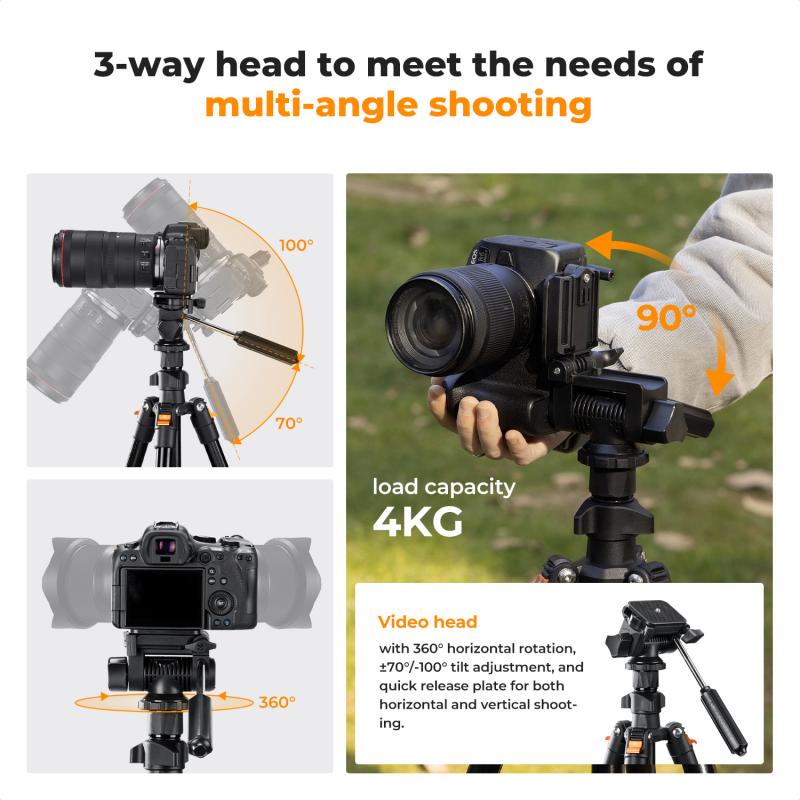
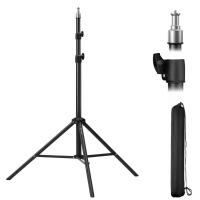
- while you don’t always need a tripod, having one gives photographers the flexibility to create the images they want to create.
- tripods make it possible to create better images using hdr, panoramas, and long exposures.
- setting the camera on a rock, or beanbag can keep the camera steady enough for long exposures, but it will rarely allow the photographer to create images using the best compositions.
- tripods make landscape photography much more enjoyable, because they allow you to create higher quality images in every scenario.
- a good tripod is a photographer’s most valuable piece of gear.
better stability
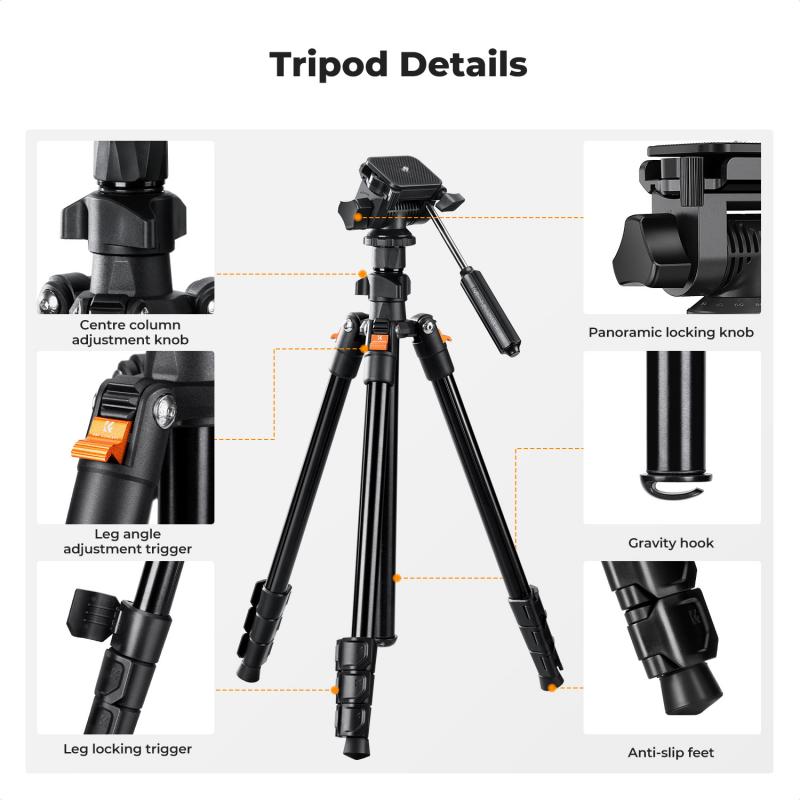
- to begin with, one of the most obvious benefits of using a tripod is improved stability.
- handholding your camera can result in shaky shots, especially in low light or when using telephoto lenses.
- a tripod eliminates these unwanted vibrations, resulting in sharper and clearer images as your camera won’t be wobbly when shots are being taken.
- this is one of the primary reasons tripods are widely used.
- they give you stability that other types of camera gear don’t.
- the three legs ensure that there is no camera shake and the equipment is stable.
- camera shake can lead to blurred, out-of-focus photos and the longer you hold the camera in your hand, the more chances of it being shaky.
sharpness
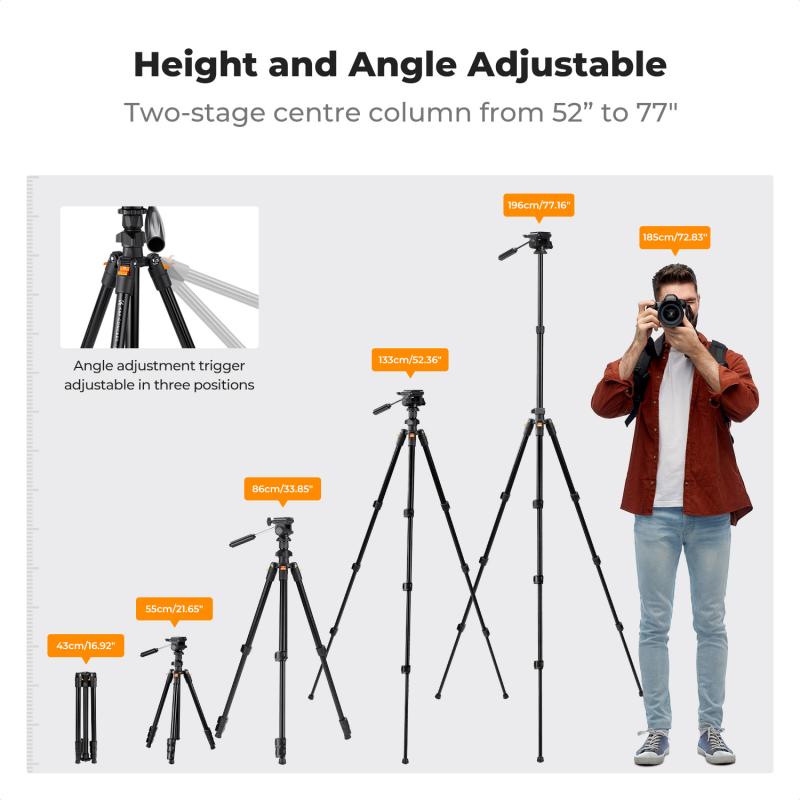
- achieving tack-sharp focus is a goal for every photographer.
- a tripod allows you to fine-tune your focus without the risk of your camera shaking.
- this is particularly important for macro landscape architectural photography, where precision is paramount.
- your pictures are guaranteed to come out much sharper if you use a tripod.
- other than the photographer’s own intent to show that the subject is moving, a blurred photo is almost always a flop.
- this occurs because of the lack of stability on the photographer's part.
- a tripod ensures comfort and stability, and the pictures you can take while using one turns out much better.
shutter speed
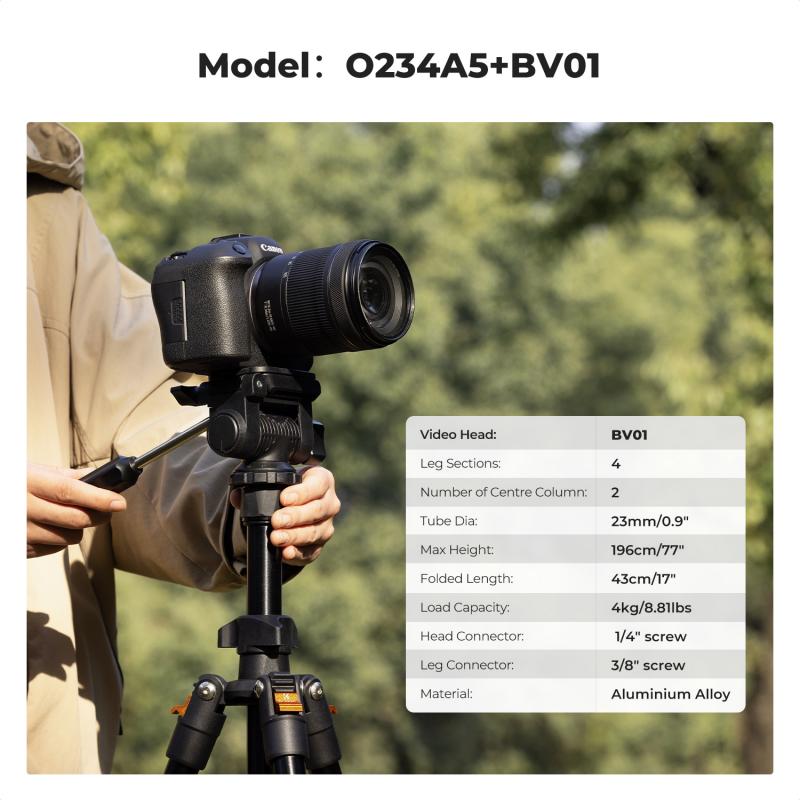
the determining factor for when you need to use a tripod comes down to shutter speed. the slower your shutter speed is, the more likely you need the tripod. but the shutter speed that determines when a tripod is required depends on the lens you are using.
- every lens is different.
- wider-angle lenses can get away with slower shutter speeds.
- but when it’s longer, you’re going to need to use a faster speed.
- as a general rule, the minimum shutter speed that i recommend is one that’s twice as fast as the focal length on your lens.
- that means if you’re shooting with a 35mm lens, you need a shutter speed faster than 1/70th of a second to get tack sharp photos handheld.
- if it’s a 400mm lens, then you need a 1/800 of a second.
- any slower, and it’s time to use a tripod.
long exposures
- long-exposure photography, such as capturing silky waterfalls or starry night skies, requires leaving the camera's shutter open for an extended period.
- without a tripod, it's nearly impossible to keep the camera steady during long exposures.
- a tripod ensures that your camera remains still, resulting in stunning long-exposure shots.
- making a photo where the water blurs just a little bit would be impossible without a tripod.
- not even a professional weightlifter would be able to keep the camera steady long enough to blur water, but keep the details in the rocks sharp.
- really the only time i’m ever using a tripod is doing long exposures.
- the tripod is a must have for when you have long-exposure shots.
- if you have a long-exposure shot and i mean more than even 2-3 seconds is a long exposure shot, especially if you have a dslr or mirrorless camera you have to have the camera perfectly still that entire time.
- even the slightest move can cause the shot to blur where you don’t want it to.
low-light photography
- in low-light conditions, like indoor photography or during the golden hour, using a tripod is a game-changer.
- you can lower your iso to reduce noise and use slower shutter speeds without worrying about blurriness.
- this enables you to capture well-exposed, noise-free images.
- i found it very useful for low light photos when i need steady shoot and also it is very handy for some indoor shots
- for most things low-light, you'll need a tripod.
- any long exposure, you'll require a tripod.
- landscapes and cityscapes look best typically during sunset / sunrise / blue hour.
- you have the most contrast / detail / dynamic range and overall image quality at your cameras lowest iso setting but in order to get a proper exposure of a landscape / cityscape at those time the shutter speed could be anywhere from a 1/2 second to 15 seconds.
panoramas and hdr
- another type of photography where you’ll need a tripod is when you’re shooting a panorama.
- it may be tempting to just take a bunch of photos from left to right handheld and hope lightroom and photoshop can make something out of it.
- sometimes that can work.
- but in most cases, the photos will be stitched together with a number of holes.
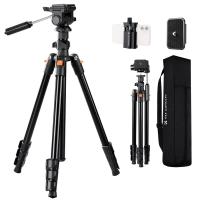
- that’s why i use a tripod with a pan and tilt head.
- that way, you can easily keep the camera in line while panning left to right.
- hdr photography also relies heavily on having a solid tripod.
- if there’s motion in the photo, you’ll end up with some weird patchy ghosting that lightroom and photoshop might not be able to remove.
- and if the details aren’t fully lined up, solid lines turn into an unsharp mess.
- a tripod helps you maintain consistency in your compositions.
- when shooting a series of photos, such as for a panorama or hdr bracketing, a tripod ensures that each frame aligns perfectly.
- this makes post-processing easier and leads to more cohesive final images.
creative control and composition
- by enabling you to carefully compose your images, a tripod gives you more creative control.
- without having to worry about keeping the camera steady, you may play around with different views, angles, and compositions.
- your creative potential is enhanced by this freedom to experiment.
- camera control is one of the backbones of good photography and anything that gives you better control over your camera is surely going to help you take better pictures.
- a tripod offers you control over your framing, control over perspective, and freedom of movement – all of which are the biggest advantages of using it.
- remember, tripods can also be a very convenient why to take photos from a composition aspect.
- making small changes in settings while not having to reframe or just not having to hand hold while waiting for certain elements to alter or moving the camera slightly.
- you can also take your time in composing a photograph, having made the basic composition waiting for the precise moment to take the shot.
hands-free shooting
- sometimes, you need your hands free to make adjustments, interact with your subject, or handle props.
- a tripod provides a secure base for your camera, allowing you to step away momentarily while keeping your composition intact.
- it's particularly useful for studio and product photography.
- perfect for portraits or groups, set it up, point it and focus it then you can step away from the camera and direct the model/subjects.
- if you are using a heavy lens, a tripod can stop you having to physically hold the lens for a long time
- when it comes to travel photography, you usually spend a lot of time holding your camera trying to take the perfect shot.
- carrying your camera for that long can be tiring.
- if you shoot mainly with heavy lenses, then it becomes even more straining.
- in such cases, a tripod provides the necessary relief so you don’t have to deal with exhaustion from holding the camera and hence you are always ready to take better pictures.
when a tripod may not be needed
- just because a tripod helps doesn’t mean that it’s always required for landscape photography.
- let’s be real, tripods can be clunky, heavy, and take forever to set up.
- tripods are also not convenient when i need to track moving subjects or be quick with changing compositions.
- if your subject is moving, either under it's own steam or because it's windy, and you want to stop motion blur, then using a tripod adds no technical benefit at all - because you'll need a fast shutter speed anyway.
- for run and gun photography you probably won't need tripod.
- for most things it’s not necessary.
- they are very helpful and necessary in some situations and completely useless in others.
- if you're shooting in the daytime, you'll be just fine.
using a tripod properly
- make sure the base plate is tight, and all the legs are locked firmly.
- frame your composition.
- choose your settings.
- use mirror lockup if you are shooting macro, and then use your cable release or self timer to fire the shutter.
- to properly use a tripod, you need to ensure it is firmly footed, so you don’t get in adverted movement.
- make sure the camera is firmly fixed to the tripod - this maybe with a screw that fits your camera, or using a quick release foot.
- to avoid any camera shake, turn image stabilisation off, and use a remote shutter release, or a 2 second delay.
camera shake on a tripod
- when you’re taking long exposures, even the smallest amount of camera shake can ruin an image
- the easiest change to fix the camera shake on a tripod is not to extend it to its maximum height.
- if you keep the tripod lower to the ground, you’re using only the sturdiest parts, which will better resist vibrations.
- some tripods also have a hook on the bottom for attaching a weight, or sandbag.
- even pressing the shutter while the camera is on the tripod will introduce camera shake.
- fix this by setting a timer.
- most cameras have a two second timer so you can press the shutter, stand back, and wait for the camera to finish before touching it again.
- anything loose dangling from the camera can introduce shake.
- if it’s too windy, try blocking the wind with your body, or find a small alcove to get out of it.
Leave your comment
Note: HTML is not translated!