How To Make Natural Light For Photography?
2026-06-28 00:49:56
0 Comments
Artificial daylight and window light look
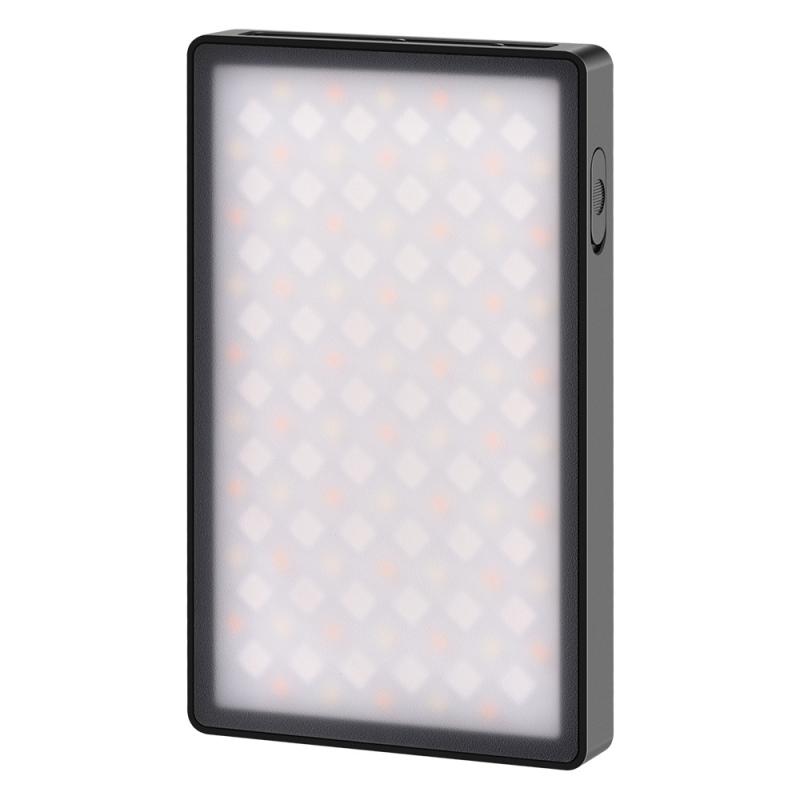
- the crucial thing to remember with creating artificial daylight is the inverse square law, softboxes with the same size and softness as a window will still have very harsh falloff depending on the distance from the subject, whereas with natural daylight there's virtually no falloff due to the distance from the light source, aka the sun or the blanket of clouds diffusing it's light
- fresnel lenses or screens on a light source help to "break" the inverse square law by getting a much more even throw of light, reducing the sharp fall off and creating a much more natural looking light.
- i once stayed in a capsule hotel, without windows.
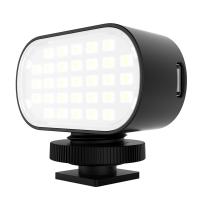
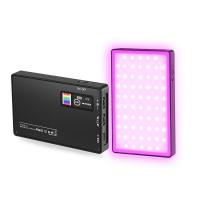
- they had led panels with window shapes, that mimicked the outside light.
- ctb gel on it to give a bluer daylight feel, or ctb for a warm golden hour feel. objects between the light and window can throw shadows and make some texture.
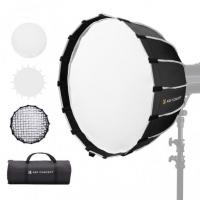
- light modifiers like gobos might offer "window" shapes if that's the desire; softboxes will help with a "window light" quality, possibly with a honeycomb if they want it more directional.
Soft light for clothing photography
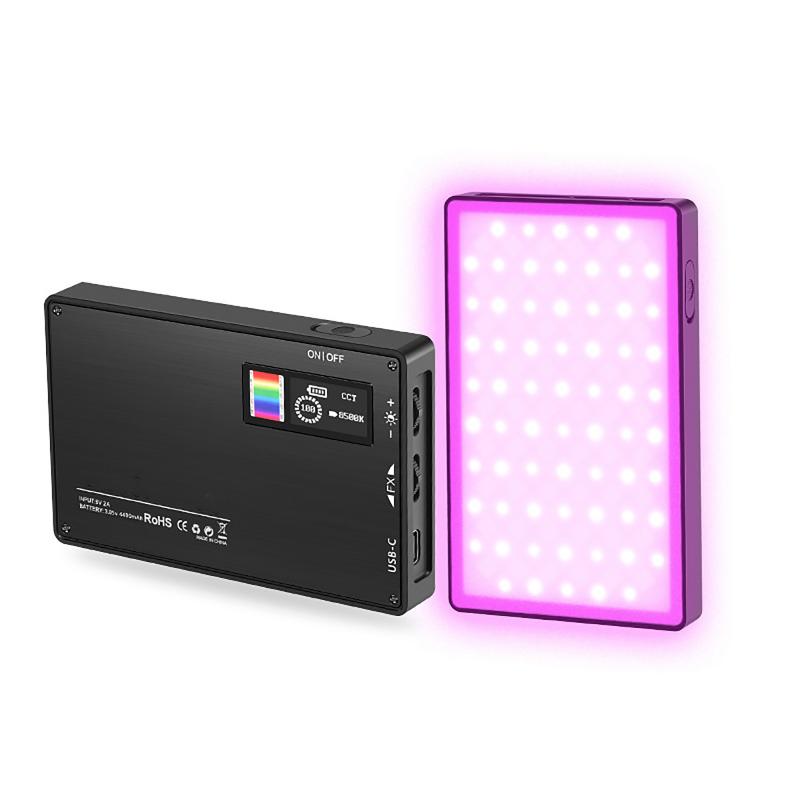
- for clothing, bouncing off the ceiling (assuming it is white/neutral) might be even better. you’ll get nice, even light.
- probably a soft box is your best bet. something to diffuse the light.
- softboxes or umbrellas with a backdrop would work as well.
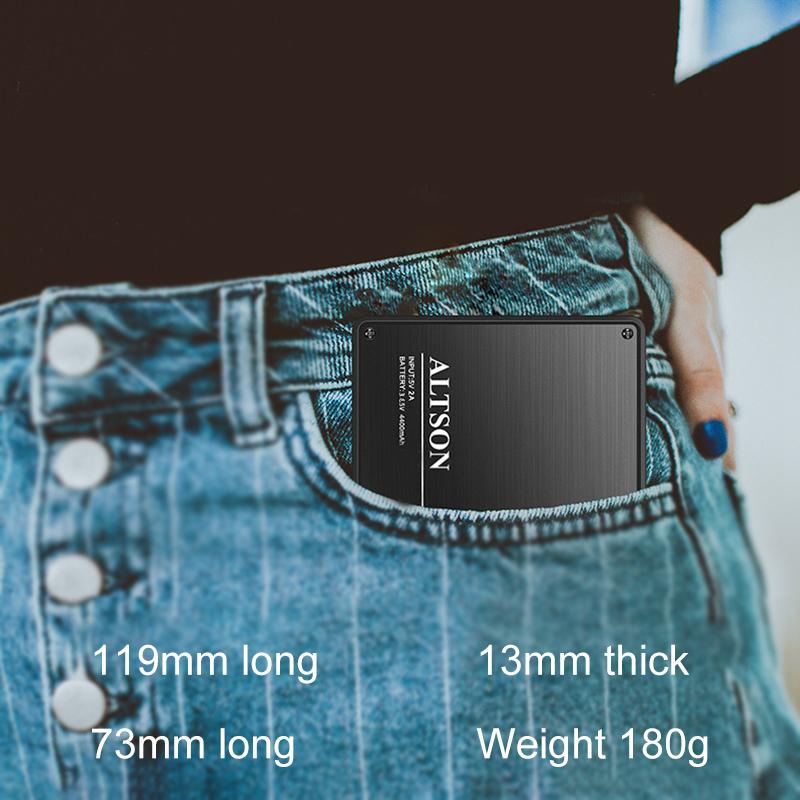
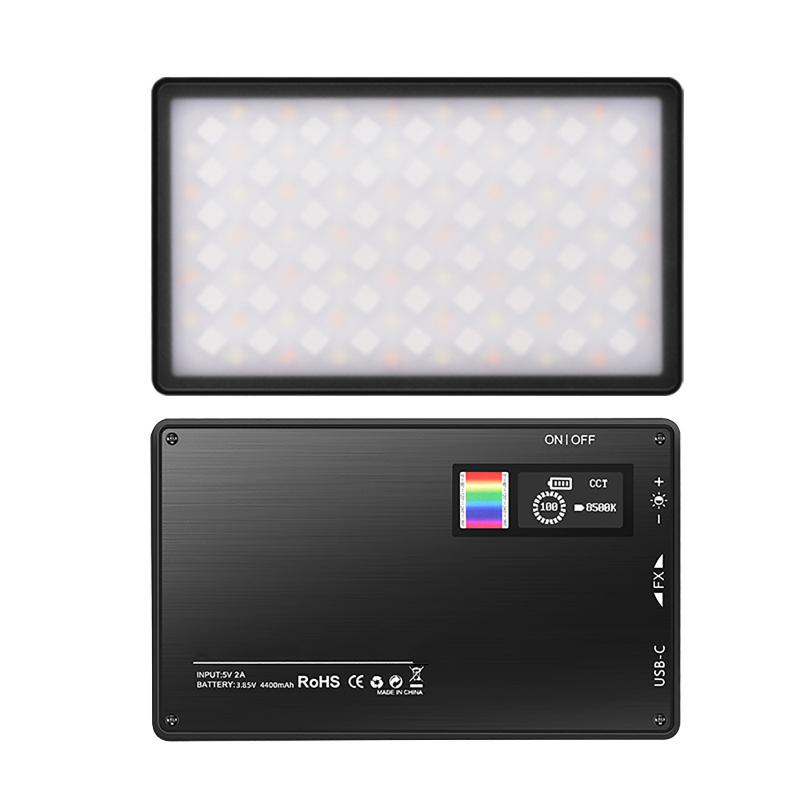
- two or three led dimmable ring lights and some umbrella softboxes
- with a large softbox and a flash or neutral light behind.
- bounce a flash off the ceiling at a slight angle. it'll give you nice, flat light across the entire scene.
- for about $100 you can get a godox ms200. buy a large softbox, or if possible point it at a white wall and bounce it. a trigger will run you another $50 or so. you'll need a stand, but you're talking about a couple hundred dollars.
White balance and post adjustments
- white balance . get a basic color card to set white balance.
- you’ll have cheap and easy soft light that should make your clothes look good.
- use some basic software to adjust white balance and brightness/contrast in post.
DIY softbox and low-cost setup
- you can either shell out the cash for a softox and stand (which is very versatile and easy to place anywhere and under all conditions) or make a de-facto softbox by hanging a matte white shower curtain in a doorframe and backlight it with a flash.
- flash transceivers (transmitter plus receiver kit) start around 20 bucks on amazon, a white shower curtain goes for a tenner, a roll of duct-tape should lie in your cupboard somewhere and a used flash of good quality starts around 20 or 30 on ebay.
- if you’re comfortable with some diy you can make this from an old tv, the light is great!
- but this can be done with lamps and a hung-up sheet.
- get yourself as many of these as you can afford and space them out evenly on your ceiling
Constant lighting and beginner control
- sounds like op might do well with some constant lighting rather than strobes, as it can be more intuitive for beginners to judge its effect.
- i got cheap softboxen from amazon, for me they do the trick.
- sure, high quality can do better, but i'm still a beginner and wanted something cheap to be able to try things without putting a lot of money into it.
- the soft boxes do a great job and are easier to use the a flash for me this far.
- also i often use semi-auto modes.
- i set a max iso, the f-stop i want and about -2/3 in light-level and then let the camera calculate the right shutterspeed.
- it's faster then doing everything in manual and i still get the control on key settings.
Manual mode and flash photography
- flashpoint 200 . it's crazy good for the price, and i'd 100% recommend something like this over a speed light which you will grow out of quickly.
- also, you're going to have to get out of auto mode, as flash photography is at its most consistent when shooting in manual mode.
- keep in mind we all started not knowing a damn thing, but with some practice you'll be executing your vision sooner than you might think.
Long exposure with cheap constant lighting
- sounds like the op doesn't have flash and is using fairly cheap constant lighting.
- so to get better image quality of clothes, assuming they're not being modelled, i suggest trying a long exposure.
- put the camera on a tripod or some other steady support, use the 2 second timer, and set it to have the shutter open for maybe a few seconds.
- you can compensate for low intensity of light by taking more time to collect light.
- that should increase the noise to signal ratio of your image and mean you can capture more details and subtle variations of the clothes.
Two light setup
- here's a shot i did for a couple's engagement session, and in the second photo in the set you can see what it looks like when the outside light doesn't go off.
- there's a second light that is providing fill on them (you can easily see it in the second pic where the outside light failed), but when mixed with the outside light it blends nicely.
- here's a more stylized second example, still a two light setup but one on top of the other.
- one light is creating the window pattern on the background, and the second light is coming from the exact same direction just to fill in the shadows and make it less harsh.
- there's bts examples in the comments if you're wanting to see the setup.
Learning resources
- the go-to "textbook" is light: science and magic.
- if you can't afford the book or ebook outright then check it out from your local library.
- your library may even have ebook checkout.
- https://strobist.blogspot.com/https://strobist.blogspot.com/2006/03/lighting-101.html are great learning resources too.
- these are oriented toward off-camera flash, which may be more than you can afford right now, and reinterpreting the lessons for continuous lights may be a bit much right now.
- https://pixc.com/blog/how-to-photograph-clothing-for-your-ecommerce-store/
- https://youtu.be/j-i8r8pn7uy
Leave your comment
Note: HTML is not translated!