How To Clean A Screen Protector?
Screen protectors are essential for keeping your device's screen pristine, but they too need regular cleaning. Whether dealing with smudges, fingerprints, or dust, knowing the right cleaning techniques can ensure your screen protector stays clear and effective.
How Not to Clean Tempered Glass
First, a few tips on absolutely what not to do. Taking these measures could result in permanently damaged tempered glass, or worse yet, your phone screen itself.
- Avoid excessively harsh chemicals and cleaners like Windex or alcohol. These formulas could remove the oleophobic coating from your protector, making it much less pleasant to use and more susceptible to fingerprint stains.
- Scrubbing exterior surfaces with abrasive materials is a big no-no. Dishwasher brushes, paper towels, or tough sponges are to be avoided here. These materials run the risk of scratching your protector and are not how to clean tempered glass.
- Make sure all your cleaning tools are gentle and soft for the best results.
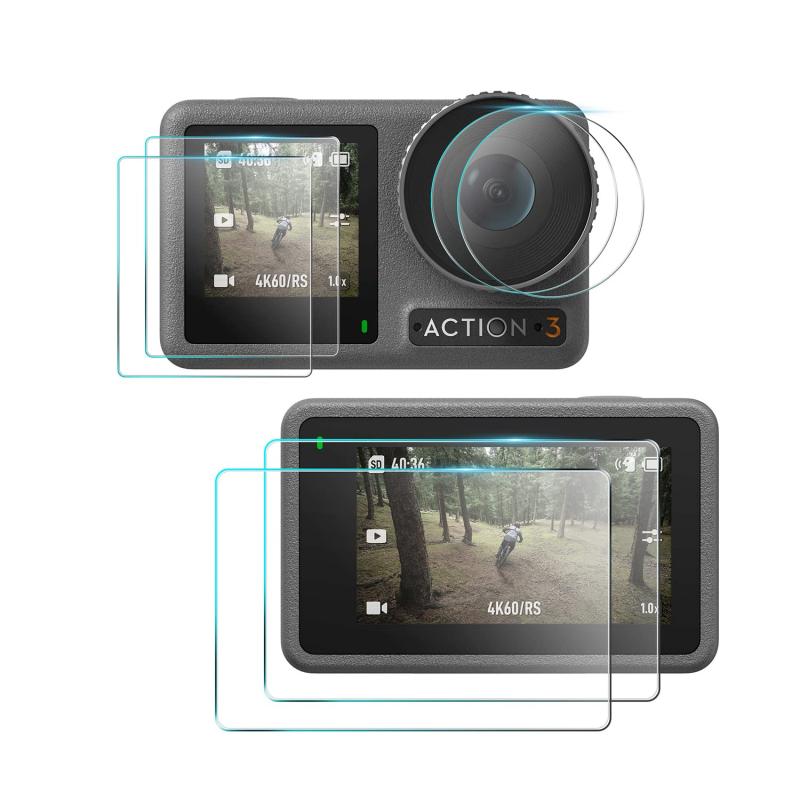
4 Steps to Clean a Tempered Glass Screen Protector
- Step 1: Sometimes, less is more. Remember that tempered glass protectors that sport an oleophobic coating are resistant to smudging, and typically clean easily. Sometimes, even a simple, dry wipe-down with a microfiber or lint-free cloth can give your phone a like-new shine. However, for especially stubborn marks, you've got to up your game.
- Step 2: The secret weapon. The secret weapon of how to clean tempered glass is dish soap. That's right: ordinary, everyday dish soap. However, it's a bit too strong by itself, so mix it with equal parts water to dilute it down to a less abrasive cleaning solution.
- Step 3: Gently wipe your woes away. With a microfiber cloth, carefully apply your soap-and-water mixture to the screen and rub in a circular motion. Don't douse your phone in liquid. A little goes a long way. The diluted dish soap will work its magic on any sticky smudges and dust particles by breaking down any grimy buildup. The oleophobic coating, however, will remain perfectly intact.
- Step 4: Dry and polish. With a dry, clean cloth, go ahead and remove any leftover cleaner. You should find that the smudges have been replaced by a pristine finish. If you find that some imperfections remain, rinse and repeat. Try leaving the soap mixture on the device for 10 or 20 seconds. Give the screen a final polish with the dry cloth to reveal a shiny display.
Cleaning the Sticky (Adhesive) Side of a Screen Protector
If the sticky side of your tempered glass is dirty, never use any cloth — including the microfiber cloth that comes with the package. Because it is the sticky side, it will be difficult to rub any cloth on it, and whatever cloth you use, very small lints will become stuck on the tempered glass and will make that side look even more dirty.
- Cellotape / Clear Tape Method
- The best way to clean the sticky side is to use cellotape. Just stick the tape onto the sticky side and remove it slowly — it will pull away the dirt automatically. You can use it for a small area or the whole surface depending on where and how much the dirt is. Then quickly apply it on your phone. Another user confirms: take some packing tape, stick it to the sticky side, and peel it off. Repeat for the whole screen protector.
- Microfiber Wipe Method
- Usually manufacturers suggest using a clean dry or wet microfiber wipe to wipe the dust on the sticky side. Do not rub the wipes; instead, press it lightly on the dust particle area with the corner of the wipe, or fold the wipe twice to form a thick corner. The dust particle will get attracted to the wipe due to the wipe's static nature.
- Finger or Fingernail Method
- If you don't have a wipe, you can use a finger or fingernail for the same purpose. However, in these cases, glue from the region might come off from the tempered glass and you might see some air bubbles when applied, so work very carefully.

When to Clean the Sticky Side
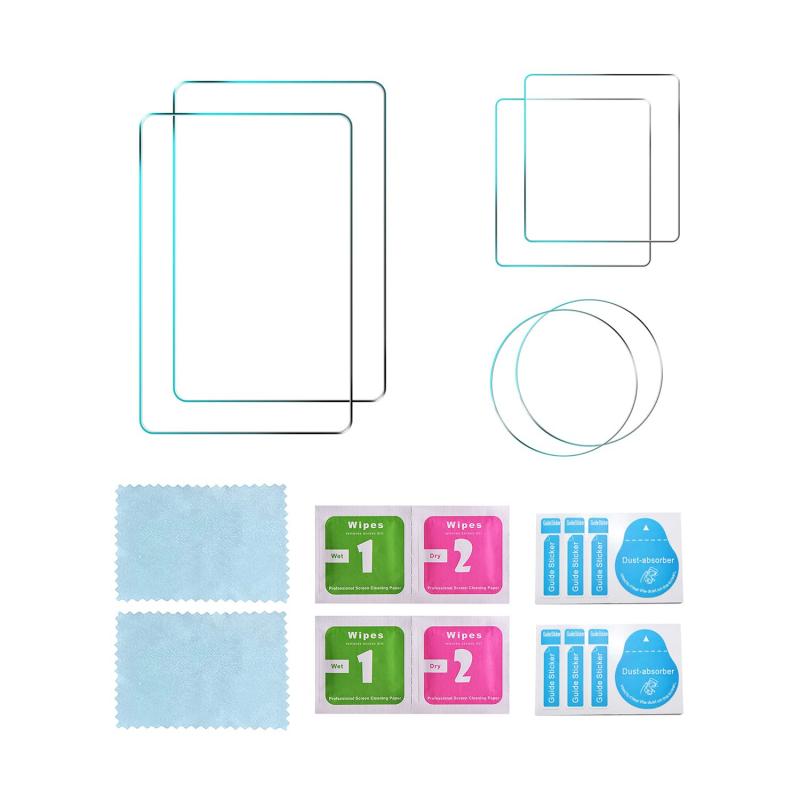
In rare cases, the sticky side of tempered glass gets a dirt particle or so. This is mainly due to dirt originally being on the smartphone screen that was not cleaned before applying the tempered glass. Lint or particles can also become stuck on the adhesion of the impact protection screen protector and 9H tempered glass during the application process.
Common Mistakes to Avoid
- Do not use microfiber cloths on the sticky side — small lints will stick to the adhesive and make it look dirtier.
- Avoid excessively harsh chemicals and cleaners like Windex or alcohol, which could remove the oleophobic coating.
- Do not scrub with abrasive materials such as dishwasher brushes, paper towels, or tough sponges, as these can scratch the protector.
- Do not douse your phone in liquid when cleaning — a little goes a long way.
- If using a wipe on the sticky side, do not rub; press lightly to avoid removing the adhesive glue from the tempered glass.
Troubleshooting After Cleaning
If air bubbles appear after reapplying the screen protector following cleaning of the sticky side, this may be because some adhesive glue has come off during the cleaning process. Working carefully and using the tape method rather than rubbing can minimize this risk. If sticky side cleaning results in the protector losing its stickiness, tempered glass screen protectors are generally inexpensive and some brands offer a warranty — you can contact the manufacturer and they may send you another one with no problem. If some imperfections remain after cleaning the top surface, try leaving the soap mixture on the device for 10 or 20 seconds before giving the screen a final polish with the dry cloth.