Can A Smartwatch Measure Blood Pressure?
can smartwatches actually measure blood pressure accurately?
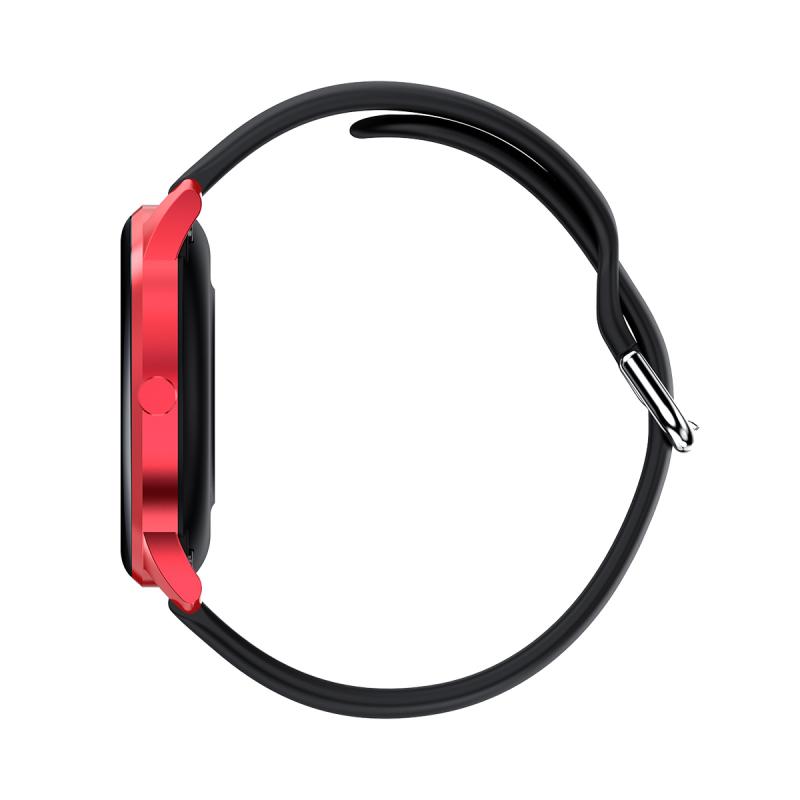
smartwatches today can track heart rate, sleep, stress levels, and in some cases, even display a blood pressure number.
but a growing number of consumers are asking:
can smartwatches actually measure blood pressure accurately?
the short answer is:
it depends on how the device works, what it is intended for, and whether it has regulatory clearance.
- not every device that shows a blood pressure reading measures blood pressure in the same wa, and not every device that advertises blood pressure tracking is cleared for medical monitoring.
- most consumer smartwatches that display blood pressure use optical sensors to estimate cardiovascular data.
- these devices typically rely on light-based technology combined with algorithms to estimate blood pressure values.
- the reading is derived from pulse wave patterns.
- calibration with a traditional arm cuff may be required.
- the feature is categorized as a wellness tool rather than a medical device.
how blood pressure measurement works with a smartwatch
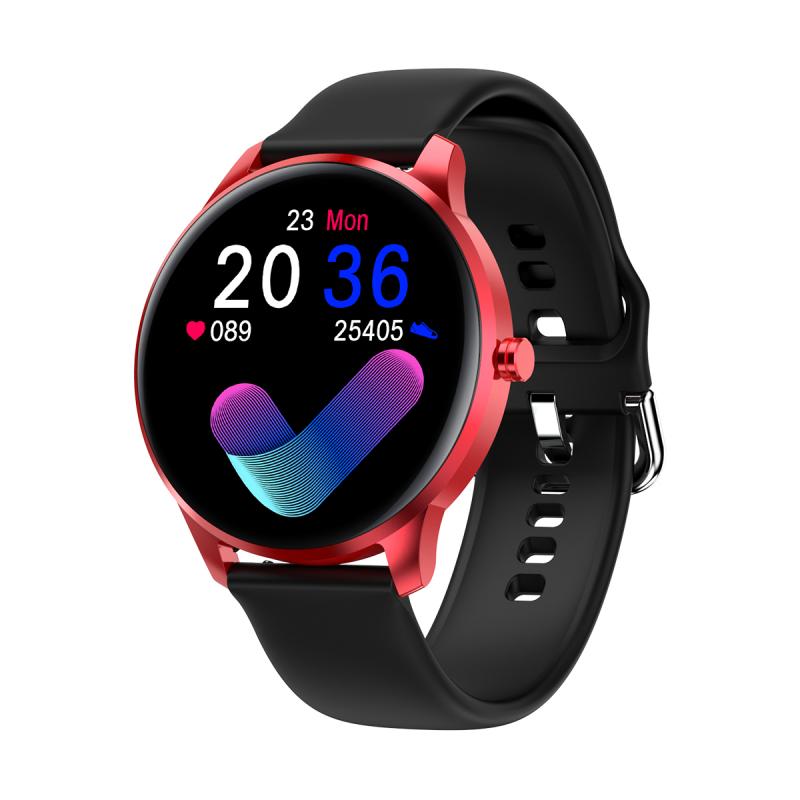
smartwatches, fitness trackers, and other devices that aim to measure your blood pressure without an inflated cuff, however, do things differently.
they gather other biological data from your body and use that to approximate your blood pressure.
- a number of devices do this by using optical sensors to detect the movement of blood inside your body.
- a common metric that can be used to estimate blood pressure, called pulse transit time, represents how long it takes a pressure wave created by a heartbeat to travel between two points along an artery.
- the optical sensor can measure changes in oxygenated blood vs deoxygenated blood, and it can measure pulsatility of blood.
- photoplethysmography (ppg) sensor, which measures the relative concentration of red blood cells by flashing an led and measuring how much of the light is absorbed by the body.
- this is typically used to monitor heart rate, as the local concentration of blood cells changes as the heart pumps blood through the body.
it can also be used to approximate blood pressure by taking a ppg measurement along with a reference blood pressure reading, then using changes in ppg value to estimate changes in blood pressure.
this is broadly valid in concept since usually higher blood pressure will result in more red blood cells per volume, but it is highly susceptible to external noise.
measuring pressure and estimating from pulse data
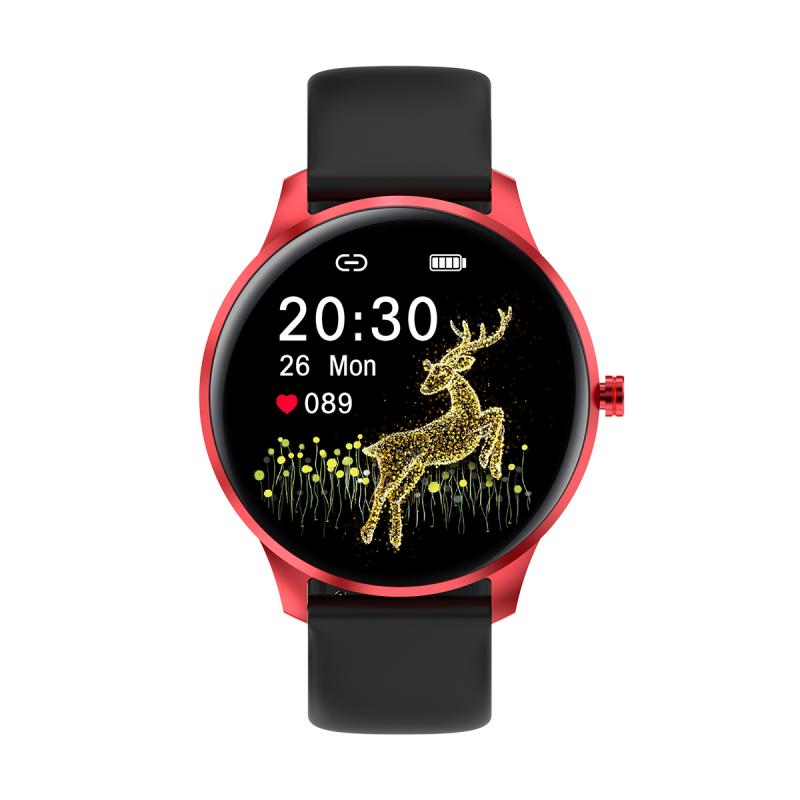
in medical practice, blood pressure is measured using a pressure-based method, typically involving a cuff that temporarily restricts blood flow.
the measurement detects pressure changes in the artery and calculates systolic and diastolic values based on those signals.
- when a device measures blood pressure directly:
- it captures pressure-related signals.
- it does not rely solely on algorithmic estimation.
- it follows a method commonly used in home and clinical monitors.
the distinction between measuring pressure and estimating from pulse data is one of the most important differences consumers should understand.
a traditional monitor measures blood pressure by sensing the pressure exerted by blood on an artery. that’s what is happening when the cuff tightens and then relaxes around your arm.
- some modern wrist blood pressure watches integrate a miniaturized aircuff, allowing oscillometric measurement in a wearable form factor.
- this approach combines the measurement principle used in traditional blood pressure monitors with the convenience of a wrist-worn device.
- designed for consistent daily monitoring using direct pressure measurement, not optical estimation.
calibration with a cuff
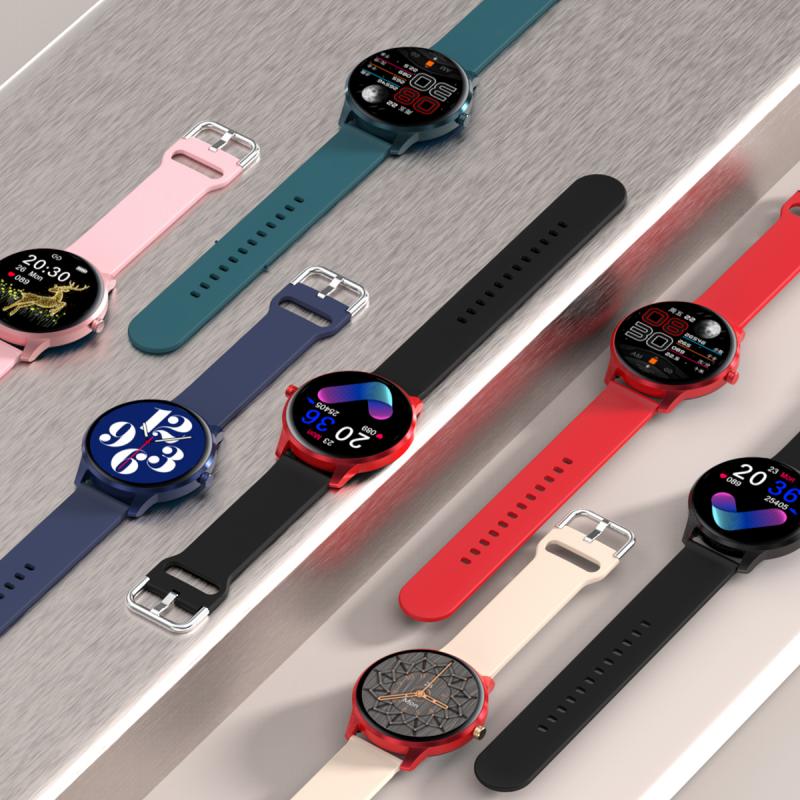
from a consumer perspective, however, there’s a major limitation with these types of technologies.
they can only measure relative changes in your blood pressure, not absolute numbers.
to get a blood pressure reading from these devices, you first have to establish a baseline by using a standard blood pressure cuff and entering the data into the device.
that calibrates the device to your body and allows it to provide you with blood pressure readings expressed in the familiar ratio of systolic to diastolic blood pressure measured in millimeters of mercury (for example, 120/80 mmhg).
- moreover, for devices that work in this way, you need to periodically repeat that process.
- that means you’d likely need to have a cuffed home blood pressure monitor on hand anyway.
- does it require frequent calibration with an arm cuff?
- frequent calibration may affect long-term stability and usability.
accuracy and validation
consumer reports has not yet tested the blood pressure measuring claims of fitness trackers, smartwatches, or apps.
but we reviewed the medical literature and talked with several independent experts.
they told us that while promising, the technologies used by these devices are still developing and might not match the accuracy of a more traditional home monitor, especially one with a cuff on the upper arm.
- experts aren’t yet sure how to verify cuffless monitors’ accuracy.
- scientists have settled on standards for testing the accuracy of traditional digital, cuff-based blood pressure monitors.
- but those standards don’t apply to available consumer cuffless devices and can’t be used to validate their accuracy.
- this optical technology is sometimes inaccurate in people with darker skin.
- optical estimation methods can fluctuate due to external factors and algorithmic assumptions, which may affect long-term reliability for blood pressure monitoring.
accuracy depends on how blood pressure is measured.
measurement methods that capture pressure-related signals directly tend to provide more consistent readings, particularly when tracking blood pressure trends over time.
what “fda-cleared” means
many consumers confuse the terms fda-cleared and fda-approved.
they are not the same.
- most home blood pressure monitors are fda-cleared under the 510(k) process.
- this means the device has been reviewed and determined to be substantially equivalent to a legally marketed product.
- fda approval typically applies to higher-risk medical devices and involves a more extensive review process.
- most home-use blood pressure monitors are not “approved”, they are “cleared.”
- some wearable devices are categorized as wellness products rather than medical devices.
- these products may not require fda clearance if they are not intended to diagnose, treat, or monitor medical conditions.
most consumer smartwatches that estimate blood pressure using optical sensors are not cleared as medical blood pressure monitors.
some wearable devices that incorporate pressure-based measurement systems may receive fda clearance for home monitoring use.
the key difference is not the shape of the device, it is the measurement method and intended use.
a smartwatch that estimates blood pressure for wellness insights is not the same as a wearable device cleared for blood pressure monitoring.
doctor use and daily-life data
your doctor may not be able to use the data you collect.
even if we currently had a trustworthy way of validating cuffless devices’ accuracy, it’s unclear how your doctor might interpret the blood pressure data your fitness tracker, watch, or other device collects.
- under very specific circumstances (you’re sitting in the correct position, not talking, having rested for a full 5 minutes beforehand, etc.).
- but what might it mean to have data on your blood pressure while you’re working, exercising, having a conversation, or participating in all the other activities of your daily life?
- “as clinicians, we’re going to be faced with a lot of info that we don’t know how to use,” says tammy brady, md, associate professor of pediatrics at johns hopkins university school of medicine in baltimore and co-chair of the association for advancement of medical instrumentation sphygmomanometer committee.
no device can replace professional medical evaluation. however, devices designed for consistent daily monitoring can help users better understand their patterns over time.
blood pressure trends and wrist-based devices
for users managing hypertension or monitoring daily blood pressure patterns, consistency and repeatability are often more important than single-point estimates.
when evaluating wearable blood pressure devices, it is helpful to shift the focus from a single number to long-term performance.
- for home monitoring, what often matters most is:
- consistency across repeated readings
- clear trend visibility
- proper usage under recommended conditions
- wrist-based blood pressure devices may be useful for:
- tracking daily blood pressure trends
- monitoring morning and evening variations
- sharing readings with healthcare providers
- long-term lifestyle management
proper positioning, following instructions carefully, and using the device consistently are essential for obtaining reliable readings.
steps for more accurate readings
whichever monitor you try, remember that blood pressure can vary depending on activity, emotions, and other factors.
to get the most accurate readings, take these steps, even in the doctor’s office.
- avoid eating, drinking alcohol, smoking, exercising, and bathing for 30 minutes and rest for 15 before starting the measurement.
- avoid taking a measurement during stressful times.
- take the measurement in a quiet place.
- sit in a chair with your feet flat on the floor.
- rest your arm on a table with your palm facing upward.
- the cuff should be level with your heart.
- do not talk or move during the measurement.
american heart association recommends taking it to your healthcare provider’s office to check its results against results from the equipment in the office.