How To Measure Blood Pressure Smart Watch?
Smartwatches have become an essential part of modern life, offering a range of health-monitoring features that were once only available in medical settings. Among these features, the ability to measure blood pressure is particularly valuable, as it provides users with a convenient way to monitor their cardiovascular health. However, many people are unsure about how to use this feature effectively or whether it can replace traditional blood pressure monitoring methods. In this article, we’ll explore how smartwatches measure blood pressure, the steps to use this feature correctly, and the limitations and benefits of relying on this technology.
How Smartwatches Measure Blood Pressure
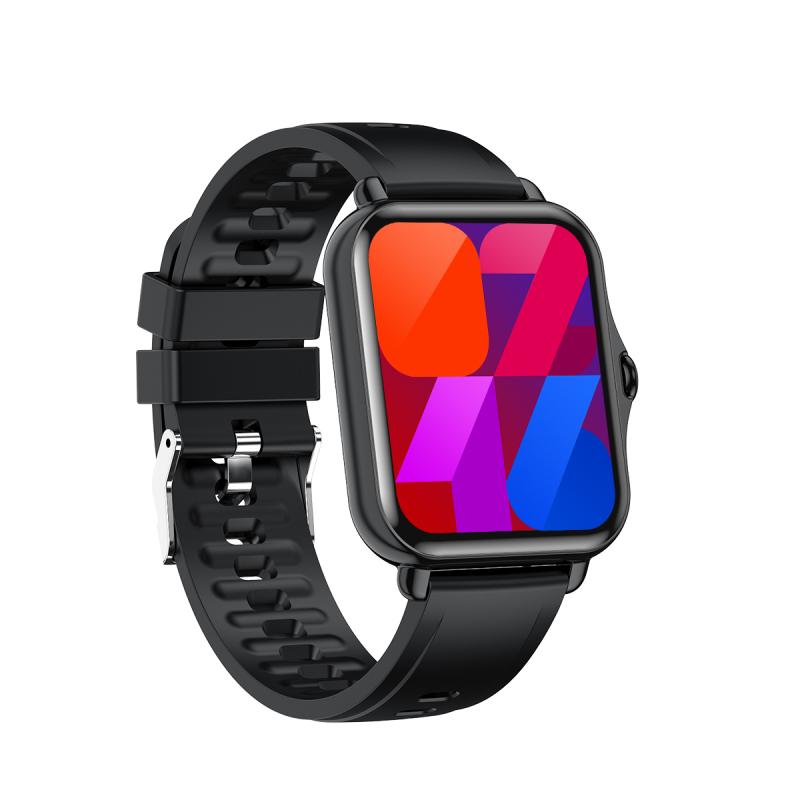
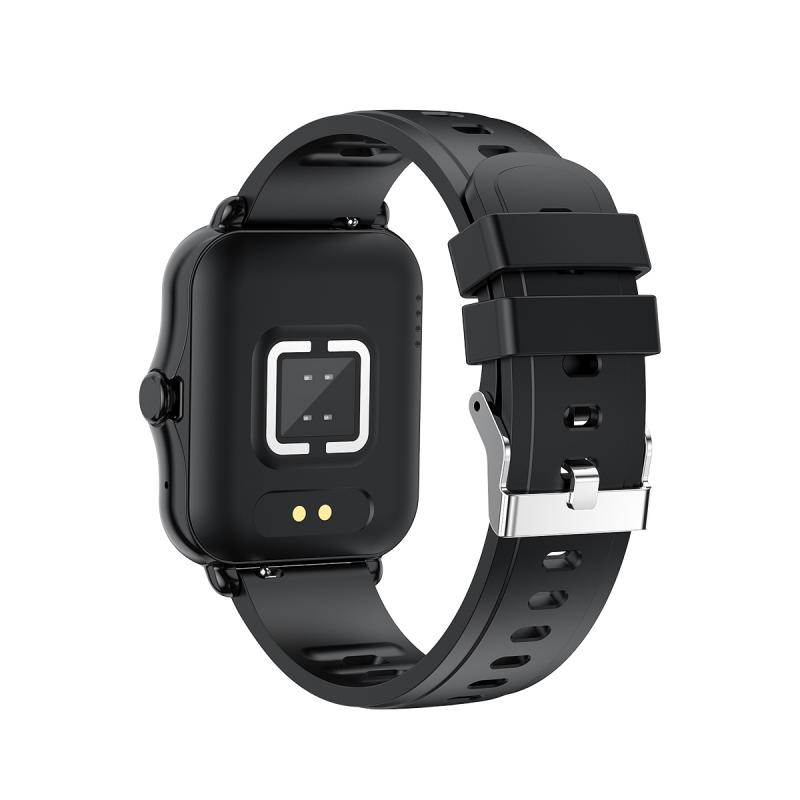
Smartwatches use advanced sensor technology to estimate blood pressure. Unlike traditional blood pressure cuffs that measure the force of blood against the walls of your arteries, smartwatches rely on optical sensors and algorithms. Here’s how it works:
1. Photoplethysmography (PPG): Most smartwatches use PPG sensors to detect changes in blood volume under the skin. These sensors emit light into the skin and measure the amount of light reflected back. Variations in light reflection correspond to changes in blood flow, which can be used to estimate heart rate and other metrics.
2. Pulse Transit Time (PTT): Some advanced smartwatches combine PPG data with electrocardiogram (ECG) readings to calculate Pulse Transit Time. PTT is the time it takes for a pulse wave to travel between two points in the body, such as the heart and wrist. This metric is correlated with blood pressure, allowing the smartwatch to estimate systolic and diastolic values.
3. Calibration: Most smartwatches require initial calibration with a traditional blood pressure monitor. During this process, the smartwatch learns your baseline blood pressure and uses this data to improve the accuracy of future readings.
4. Algorithms: The smartwatch’s software processes the sensor data and applies algorithms to estimate blood pressure. These algorithms are often based on large datasets and machine learning models, which help improve accuracy over time.
Steps to Measure Blood Pressure with a Smartwatch
If you’ve recently purchased a smartwatch with blood pressure monitoring capabilities, follow these steps to ensure accurate readings:
1. Calibrate the Device
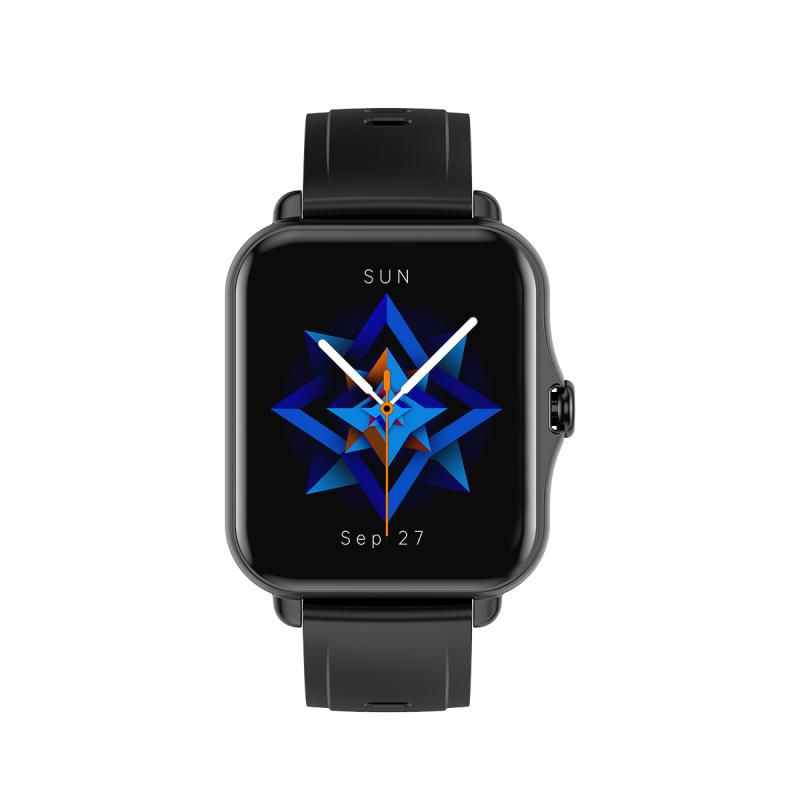
- Before using the blood pressure feature, you’ll need to calibrate the smartwatch with a traditional blood pressure monitor. This usually involves taking three consecutive readings with the cuff monitor while wearing the smartwatch. The smartwatch will use this data to establish a baseline.
2. Wear the Watch Correctly
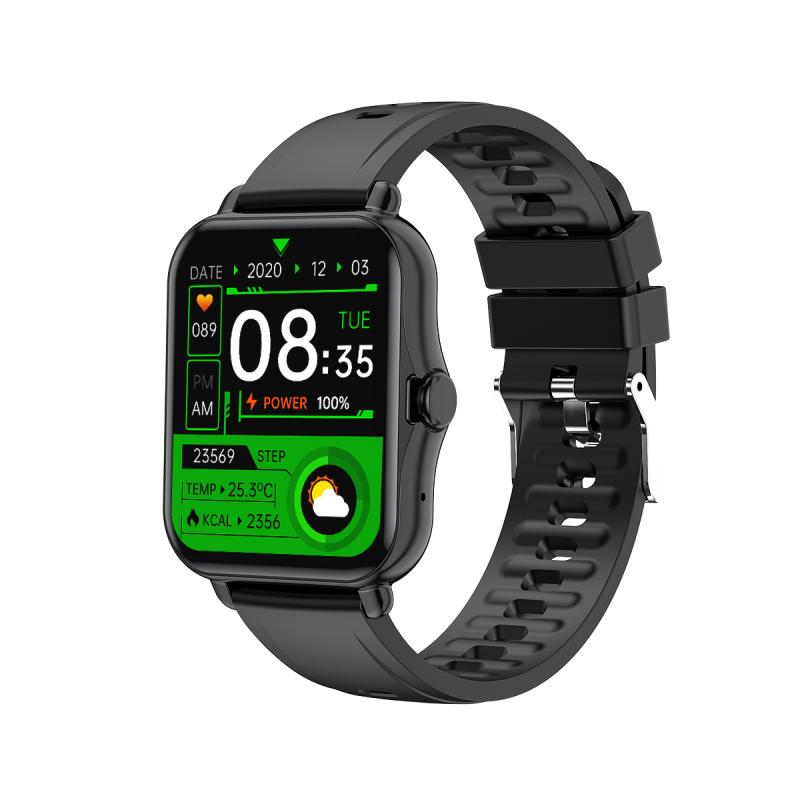
- Ensure the smartwatch is snug but not too tight on your wrist. The sensors need to maintain good contact with your skin to provide accurate readings.
- Wear the watch on your non-dominant hand, as this hand is generally less active and may provide more stable readings.
3. Sit in a Restful Position
- Sit in a comfortable chair with your back supported and feet flat on the ground. Rest your arm on a table at heart level.
- Avoid talking, moving, or crossing your legs during the measurement.
4. Initiate the Measurement
- Open the blood pressure app on your smartwatch and follow the on-screen instructions. The process usually takes 30–60 seconds.
- Remain still and relaxed while the watch takes the reading.
5. Review the Results
- Once the measurement is complete, the smartwatch will display your systolic and diastolic blood pressure values. Some devices also provide additional insights, such as trends over time or comparisons to normal ranges.
6. Repeat for Accuracy
- For the most reliable results, take multiple readings at different times of the day and average them. This can help account for natural fluctuations in blood pressure.
Benefits of Measuring Blood Pressure with a Smartwatch
Smartwatches offer several advantages for blood pressure monitoring:
1. Convenience: You can measure your blood pressure anytime, anywhere, without the need for bulky equipment.
2. Continuous Monitoring: Some smartwatches can track blood pressure trends over time, providing valuable data for long-term health management.
3. Early Detection: Regular monitoring can help identify potential issues, such as hypertension, before they become serious.
4. Integration with Other Metrics: Smartwatches often combine blood pressure data with other health metrics, such as heart rate, sleep patterns, and activity levels, giving you a more comprehensive view of your health.
Limitations and Considerations
While smartwatches are a convenient tool for blood pressure monitoring, they are not a replacement for medical-grade devices. Here are some limitations to keep in mind:
1. Accuracy: Smartwatches are less accurate than traditional blood pressure monitors, especially if not calibrated correctly. Factors like skin tone, wrist size, and movement can also affect readings.
2. Calibration Dependency: The initial calibration process is crucial for accuracy. If the calibration is off, subsequent readings may be unreliable.
3. Not Suitable for Diagnoses: Smartwatches are designed for general wellness monitoring and should not be used to diagnose or treat medical conditions. Always consult a healthcare professional for clinical assessments.
4. Battery Life: Frequent use of the blood pressure feature can drain the smartwatch’s battery more quickly.
5. Limited Validation: Not all smartwatches with blood pressure monitoring have been validated by regulatory bodies like the FDA or CE. Check the device’s certifications before relying on its readings.
Tips for Maximizing Accuracy
To get the most out of your smartwatch’s blood pressure feature, follow these tips:
- Calibrate Regularly: Recalibrate the device every few weeks or after significant changes in your health or lifestyle.
- Avoid External Interference: Remove any jewelry or accessories that might interfere with the sensors.
- Measure at Consistent Times: Take readings at the same time each day to track trends more effectively.
- Stay Hydrated: Dehydration can affect blood pressure readings, so make sure you’re well-hydrated before taking a measurement.
- Use as a Supplement: Treat smartwatch readings as a supplement to, not a replacement for, traditional blood pressure monitoring.
When to Seek Medical Advice
If your smartwatch consistently shows high or low blood pressure readings, consult a healthcare professional. Symptoms like dizziness, headaches, or chest pain should never be ignored, regardless of what your smartwatch indicates. A doctor can perform a thorough evaluation and recommend appropriate treatment if necessary.
The Future of Blood Pressure Monitoring in Smartwatches
As technology continues to advance, we can expect smartwatches to become even more accurate and reliable for blood pressure monitoring. Future innovations may include:
- Improved Sensors: Enhanced optical and bioelectrical sensors for more precise measurements.
- AI Integration: Smarter algorithms that adapt to individual users and provide personalized insights.
- Non-Invasive Calibration: Eliminating the need for traditional cuff-based calibration.
- Regulatory Approvals: More devices receiving validation from medical authorities, increasing consumer trust.
Measuring blood pressure with a smartwatch is a convenient and innovative way to monitor your health. While it’s not a substitute for traditional methods, it can provide valuable insights into your cardiovascular well-being. By understanding how these devices work, following best practices for use, and recognizing their limitations, you can make the most of this technology. Always remember to consult a healthcare professional for any concerns about your blood pressure or overall health. With the right approach, smartwatches can be a powerful tool in your journey toward better health.