How To Clean Camera Lens Of Phone?
2026-07-15 00:56:32
0 Comments
why your lens gets filthy so fast
- modern phone design created a problem that didn't exist before: that camera bump everyone hates? it's a dirt magnet.
- every time you set your phone down, the camera touches the surface first. restaurant tables with food grease. your car's dashboard releasing plastic fumes in the heat. the bathroom counter with soap spray dried on it. your desk with dust from that bag of chips you ate while scrolling.
- and that metal ring around your lens? it's a particle trap. dust settles in the gap between the ring and the glass. pocket lint gets stuck there. each time you pick up your phone, you drag that debris across the lens.
- the raised module design means your camera lens is constantly exposed to surface contamination that the rest of your phone never touches. most flagship phones have camera bumps that protrude between 1.5 to 3 millimeters from the phone body. that's enough to make first contact with surfaces 100% of the time.
the oil transfer you don't see
- your fingers transfer oil to everything you touch. not gross oil, just sebum, the natural oil your skin produces. but it's sticky enough to trap particles.
- you scroll instagram for twenty minutes holding your phone by the edges. set it down. touch your face to adjust your glasses. pick up the phone. now the oil from your face is on your fingers, and your fingers transfer it to the phone body. you do this fifty times a day.
- by evening, there's oil on your lens despite you never touching it directly. and that oil is covered in dust from your pocket, creating a film that wrecks your photos. the oil isn't the problem. it's what sticks to the oil.
- the oil itself attracts and holds airborne particles, making the contamination problem compound over time. dry wiping just spreads the oil around and grinds the particles across your lens.
where your phone lives matters
- where you carry your phone determines what contaminants you're dealing with.
- gym bags expose your lens to protein residue from workout supplements, fabric fibers from towels, and moisture from sweat.
- purses with cosmetics introduce talc particles from powder makeup, aerosol propellants from hairspray, and oil from skincare products.
- pockets accumulate lint, dust, and whatever particles your clothing picked up throughout the day.
- each environment introduces specific debris types that require different cleaning approaches. you can't treat gym bag contamination the same way you'd handle office desk exposure. the particle size, composition, and adhesion properties vary significantly.
the invisible coatings you're destroying
- your phone's camera lens has three invisible coatings, each thinner than a hair, each more fragile than the glass underneath. when you clean your lens, you're not wiping glass. you're wiping precision coatings that cost millions to develop.
- your lens has three nano-coatings that degrade every time you clean wrong. even when the lens looks fine, your photo quality suffers
- alcohol wipes (yes, even the "safe" ones) strip protective coatings. microfiber cloths trap sand and dust that scratch your lens on the next cleaning
- your case design determines how fast your lens gets dirty and whether you can clean it safely
- wipe in straight lines, never circles. use solution, not spit. check for particles before you touch the lens, or you'll grind them across the glass
- oleophobic (outer layer)
- 10-20 nanometers
- repels oils and fingerprints
- water no longer beads, oils spread wider
- 18-24 months
- 6-12 months
- anti-reflective
- 100-150 nanometers
- reduces lens flare, improves light transmission
- increased flare in photos, reduced contrast
- 3-5 years
- 12-18 months
- scratch-resistant
- 50-100 nanometers
- protects against minor abrasions
- visible micro-scratches, hazy appearance
- 4-6 years
- 18-24 months
what to use to clean your smartphone
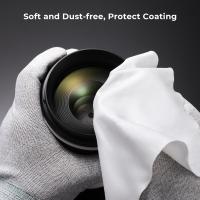
- instead, stick with a microfibre cloth. not only are they reusable and able to be used to clean other gadgets and surfaces, but they’re designed to pick up bits of dust and dirt with ease. making them the perfect choice for cleaning prized possessions like your phone.
- a dry cloth is best for your phone’s camera lens, but if there are some tougher bits of dirt on your phone, lightly dampen the microfibre cloth and use that.
- i keep a microfiber cloth in my pocket and try to touch only the phone edges while shooting lens wipes before every take also help a lot, especially if you shoot outdoors or use your phone all day
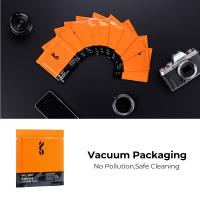
- keep a soft cloth handy to keep the lens frt of dust or any other debris. the cloths that are sold everywhere for eyeglasses work just fine for this purpose. when the cloth gets dirty, you can just wash it in the laundry, and it’s clean to use again.
- i use an eye glasses cleaning cloth (not the wet cleaning towelettes) but any micro fiber cloth would do.
what not to use to clean your smartphone
- don’t use any harsh alcohol or chemicals to clean your smartphone as they can harm either the glass screen or the camera lens. even those designed to clean your windows at home.
- don’t reach for the nearest thing like a piece of kitchen roll or your jumper sleeve, either, the rough textures of the materials could scratch your phone screen or camera lens.
- instead, use a dry cloth and opt for no solution - this way you’re not at risk of harming your phone.
- note: do not use facial tissues. facial tissues have a rough texture and will scratch your lens.
- for my glasses, i've been told, soft cloths are ok, and to not use any paper products (i imagine this means stuff like paper towels, napkins, tissues, etc).
how to safely clean your mobile phone
- you're best off cleaning your phone while it’s switched off.
- turn it off and remove your phone case and accessories.
- use the microfibre cloth to wipe down the surfaces of your phone, allowing it to pick up any dust or dirt trapped on the screen and back panel.
- try to shape the cloth into those harder-to-reach places like between the side buttons, in the ear speaker and the charging port.
- use the cloth to carefully go around the camera lens, wiping its surface delicately without pressure.
- this will allow the cloth to remove the dust that may be ruining your photos, without scratching the glass.
cleaning fluid or water
- when cleaning the lens on your camera, use a lens cleaning cloth or lens cleaning tissues, and lens cleaning fluid or water.
- add a few drops of lens cleaning fluid or water to a lens cleaning cloth or lens cleaning tissue.
- gently rub the dampened cloth or tissue on the lens, moving counter clockwise.
- with a dry lens cleaning cloth, gently dry the damp areas of the lens.
- repeat until the lens is clean.
dust, fingerprints, and oily marks
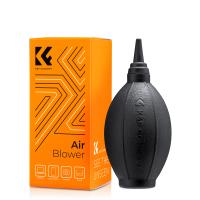
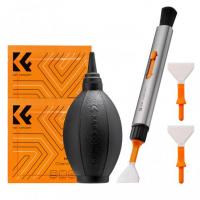
- for the lens glass itself i use a hand blower, soft brush to remove dust.
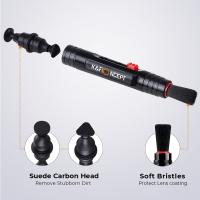
- for fingerprints or other oily marks, i use a ‘lenspen’ that dispenses little carbon bits that pick up oils.
- move in a circular motion from the middle to the sides.
- lens wipe (moistened alcohol type wipes), pretend you're "sweeping" the lens. you want to brush any dust off, and use the other side to wipe again, so you don't possibly grind dirt or dust onto the surface.
phone case and accessories
- yes, there’s no point in cleaning your phone to put it back into a dirty phone case.
- wipe your phone case and any other accessories down with the microfiber cloth before putting your clean phone back into it.
- regular maintenance of your phone is another way to ensure it has longevity and stays clean.
- opting to clean your phone and camera lens every week stops any dirt and dust from building up and prolongs your phone’s lifespan.
Leave your comment
Note: HTML is not translated!