Which Camera Is Best For House Security?
When it comes to safeguarding your home, security cameras are a pivotal component of modern surveillance systems. With countless options on the market, choosing the best camera for house security may feel overwhelming. However, understanding your specific needs and aligning them with the features available will help you make an informed decision. Whether you're looking for reliable indoor monitoring, wide-angle outdoor surveillance, or advanced AI-enabled functionality, there’s a solution for every homeowner. In this article, we will explore key considerations when selecting a security camera, discuss some of the most popular choices, and provide tips for optimizing your home security setup.
Key Factors to Consider When Choosing a Security Camera
1. Type of Camera
The two main types of security cameras are wired and wireless. Wired cameras are connected to your home network via cables and often offer stable performance, but they can be challenging to install, especially if your property isn’t pre-wired for surveillance. Wireless cameras are easier to install because they communicate via Wi-Fi; however, they can be more vulnerable to connectivity issues.
Additionally, cameras come in various designs depending on their placement:
Indoor Cameras: Ideal for monitoring entrances, hallways, or rooms.
Outdoor Cameras: Designed to withstand weather elements and provide coverage for yards, driveways, or perimeters.
Doorbell Cameras: Combine camera functionality with a doorbell, allowing for real-time visitor identification.
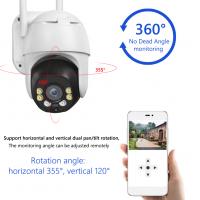
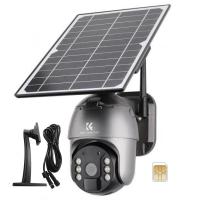
Pan-Tilt-Zoom (PTZ) Cameras: Offer dynamic movement and zooming capabilities to cover large areas.
2. Resolution
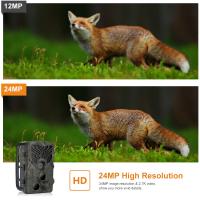
Camera resolution significantly impacts video quality. Opt for at least 1080p HD to ensure you can clearly identify faces, objects, or license plates in your recordings. If you want even sharper detail, you can upgrade to 4K UHD cameras.
3. Field of View
The field of view determines how much area the camera can cover. Wide-angle cameras, with a field of view ranging from 130° to 180°, can monitor larger spaces, while a narrower focus may be better suited for smaller areas.
4. Night Vision
Most security cameras include infrared (IR) night vision or color night vision capabilities, which are crucial for clear monitoring after dark. Cameras with strong night vision functionality allow you to see visitors or intruders clearly regardless of lighting conditions.
5. Motion Detection
Cameras equipped with motion detection alerts notify you when movement is identified within a predefined area. More advanced systems can distinguish between human activity and environmental factors, reducing false alarms.
6. Storage Options
Decide whether you prefer local storage (via memory cards or hard drives) or cloud storage to save and access recorded footage. Cloud storage is convenient but may require a monthly fee.
7. Integration with Smart Home Devices
If you use smart home devices, consider cameras compatible with platforms like Amazon Alexa, Google Assistant, or Apple HomeKit for seamless integration. This allows you to control cameras using voice commands or automate their functions as part of a broader home security system.
8. Power Source
Security cameras can be battery-powered or plugged into a power outlet. Battery-powered cameras are easy to install and portable but may require regular charging. Cameras connected to a power outlet provide reliability but have stricter placement constraints.
9. Durability for Outdoor Cameras
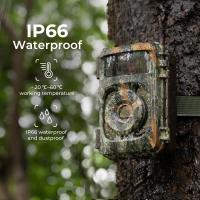
Outdoor cameras should be weather-resistant and have an IP rating (Ingress Protection) that denotes their ability to resist water and dust. For instance, an IP65 or higher rating ensures the camera is robust for outdoor use.
10. Budget
Security cameras span a broad price range, from budget-friendly options under $50 to premium solutions surpassing $500. Define your budget and explore options that prioritize crucial features for your needs.
Popular Security Camera Choices
Here are some trusted recommendations for house security cameras that cater to different requirements:
1. Arlo Pro 4
The Arlo Pro 4 stands out for its wireless functionality, 2K resolution, and color night vision. It includes motion and sound detection and integrates with Alexa and Google Assistant. While not the cheapest option, it packs robust features into a sleek design suitable for indoor and outdoor use.
2. Ring Video Doorbell
Ring Video Doorbells are invaluable for monitoring front entrances. Offering HD video with two-way audio communication, they enable homeowners to interact with visitors using their smartphone. Ring’s ecosystem also seamlessly connects other Ring security products, including outdoor lights and additional cameras.
3. Nest Cam (Outdoor/Indoor, Battery)
The Nest Cam, part of Google’s smart home ecosystem, is versatile and battery-operated. With 1080p video resolution and intelligent alerts that distinguish between people, animals, and vehicles, it’s a good option for upgraded surveillance. Its compatibility with Google Assistant simplifies smart home integration.
4. Wyze Cam v3
Wyze Cam v3 delivers outstanding performance at a budget-friendly price. Featuring 1080p resolution, color night vision, and motion detection alerts, it’s ideal for basic home monitoring. Additionally, its compact design and affordable subscription plans for cloud storage make it popular among cost-conscious users.
5. EufyCam 2C
The EufyCam 2C stands out with its long battery life, local storage options, and AI-enhanced facial recognition. With an IP67 rating, it’s highly durable for outdoor use, and its compatibility with popular smart home platforms adds to its appeal.
6. Reolink Argus 3 Pro
Equipped with 4MP Super HD resolution, color night vision, and powered by a solar panel (optional), the Reolink Argus 3 Pro is perfect for outdoor use. It boasts a wide-angle view and offers reliable motion detection.
7. Blink Outdoor
For those seeking a simple, affordable solution, Blink Outdoor cameras provide HD video recording, motion detection, and extended battery life. These cameras are ideal for both renters and homeowners on a budget.
Tips for Optimizing Your Home Security Setup
1. Strategic Placement
Identify the most vulnerable areas of your home, such as entrances, windows, and the driveway. Position cameras to cover these zones effectively while avoiding blind spots. For example:
- Doorbell cameras should be installed at your main entrance.
- Outdoor cameras should focus on the driveway, garage, or backyard.
- Indoor cameras should monitor main hallways leading to critical areas like bedrooms or valuables.
2. Prevent Tampering
Ensure outdoor cameras are mounted high enough to prevent intruders from tampering with or disabling them. Consider protective housings if theft or vandalism is a concern.
3. Regular Maintenance
Regularly check and update the software for your cameras to avoid vulnerabilities. Clean camera lenses for optimal video quality and verify battery levels if your cameras are battery-powered.
4. Enable Notifications
Set up motion detection alerts to receive real-time warnings of unexpected activity. Combine these alerts with an action plan, such as calling law enforcement or triggering an alarm.
5. Backup Storage
Invest in a backup option, whether local or cloud-based, to preserve footage in case of theft or technical issues.
6. Integrate Other Security Devices
A robust security ecosystem often includes other devices, such as smart locks, alarms, sensors, and lighting. Integrating these with your cameras creates a comprehensive defense strategy.
Final Thoughts
The best camera for house security ultimately depends on your unique situation, goals, and budget. High-resolution video quality, reliable motion detection, night vision capabilities, and compatibility with smart home systems are some of the features to prioritize as you explore options. Broadly speaking:
- If you want an overarching solution for indoor and outdoor monitoring, options like the Arlo Pro 4 or EufyCam 2C are worth considering.
- For specific needs like front-door monitoring, Ring Video Doorbells excel.
- Budget-conscious consumers may prefer Wyze Cam v3 or Blink Outdoor.
By assessing your home’s vulnerabilities and strategizing the placement and features required, you can build a surveillance system that keeps your