How Can A Smart Watch Track Your Sleep?
2026-07-08 00:47:01
0 Comments
advanced sleep tracking
- advanced sleep tracking in compatible devices takes into account multiple factors to help you understand your sleep.
- in addition to the basics, such as when you fell asleep and when you woke up, you can see times when you were awake and how much time you spent in key sleep stages (light, deep, rem).
- you will also see when those stages occurred during the night.
- sleep times and sleep stages are identified by using a combination of heart rate, heart rate variability (hrv) and body movement data.
- age information that you enter during setup, along with detected personal physiological baselines, provides valuable context for the analysis and improves the reliability of your sleep tracking.
- compatible devices also track your respiration rate and blood oxygen saturation (pulse ox) levels during the night.
- adding this information to your sleep chart offers a more comprehensive view of your sleep.
what triggers sleep detection
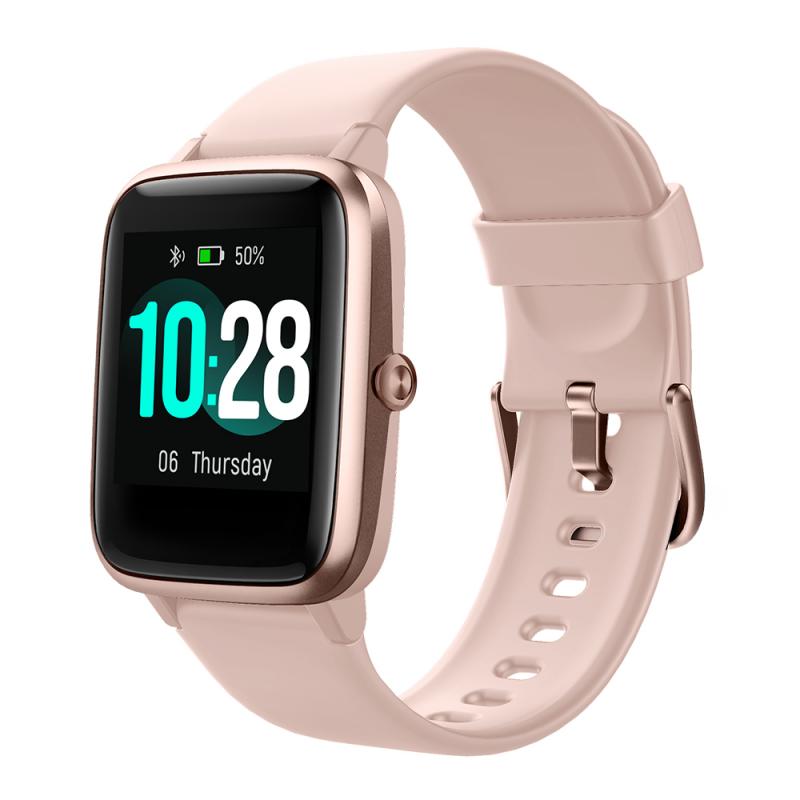
- at the core, smartwatches look for one big clue: stillness.
- when you stop moving for an extended period—especially during typical sleeping hours—your watch assumes you’re heading into sleep mode.
- but it’s not just about lying still.
- most modern smartwatches also monitor your heart rate, skin temperature, and even oxygen levels to confirm you’re truly asleep.
- smartwatches have built-in motion sensors like accelerometers and gyroscopes.
- these detect how much and how often you move.
- when you’re tossing and turning, your watch knows you’re restless.
- when you’re still, especially for a while, it’s a good sign you’re asleep—or at least trying to be.
heart rate and heart rate variability
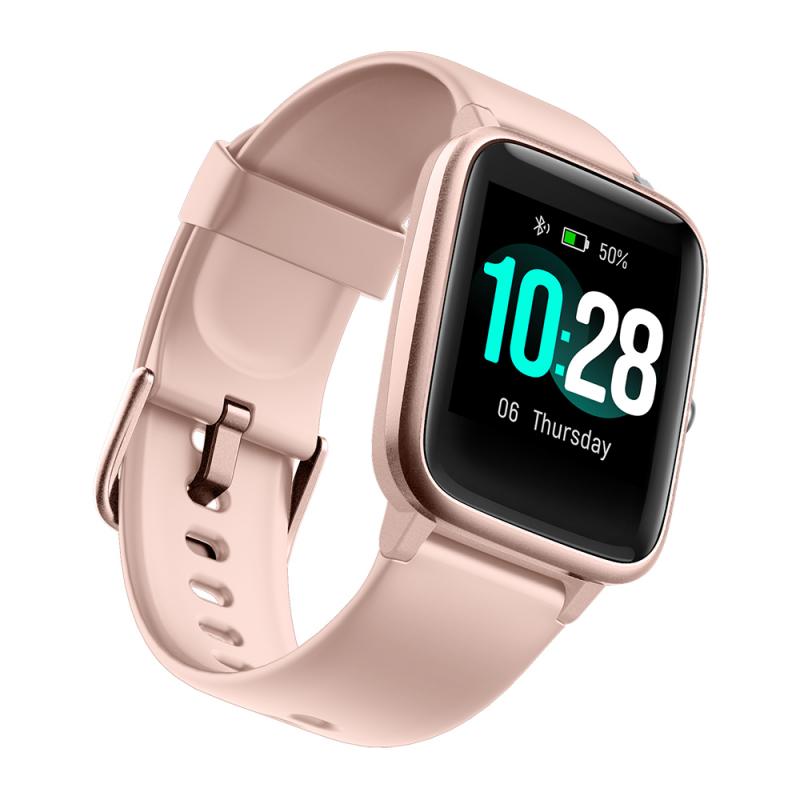
- your heart rate slows down when you fall asleep.
- so, a drop in your resting heart rate can signal to your watch that you’ve moved from wakefulness to sleep.
- some models also track wrist temperature, which tends to fluctuate differently when you’re sleeping.
- your heart rate and its variability (hrv) change in predictable patterns across different sleep stages, giving trackers important clues about whether you're awake or in light, deep, or rem sleep.
- your body’s autonomic nervous system, the system that controls involuntary functions like breathing and heart rate, operates differently depending on your sleep stage, and your heart activity reflects these changes.
- heart rate variability, or hrv, is a measure of the variation in time between each of your heartbeats.
- during the night, heart rate variability patterns also align with sleep stages.
- parasympathetic activity and hrv tend to increase during deep sleep, while sympathetic activity increases and hrv decreases during rem sleep and periods of wakefulness.
- this provides another layer of data for sleep-tracking algorithms.
photoplethysmography
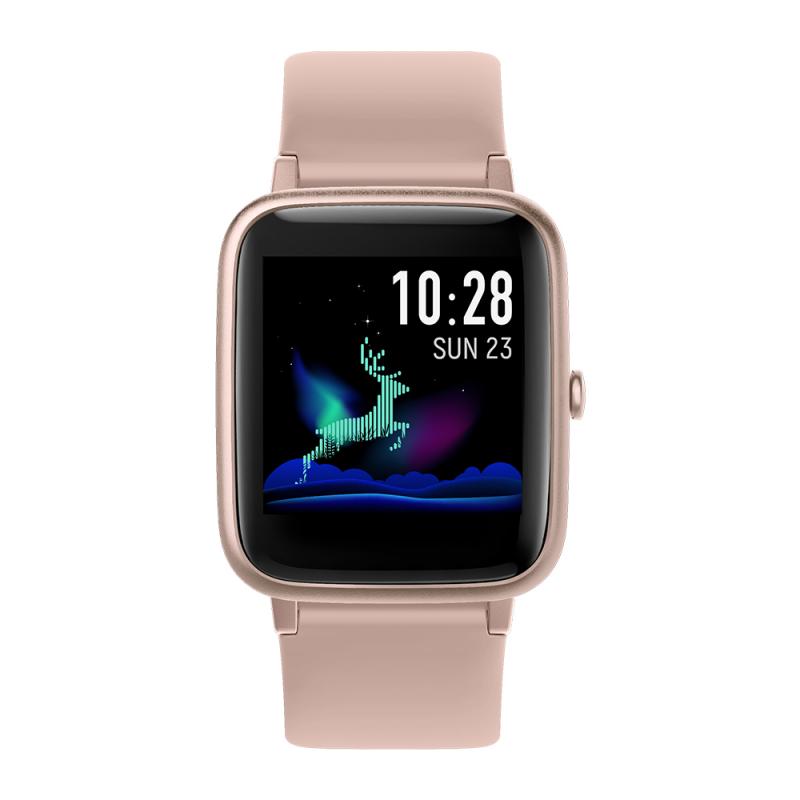
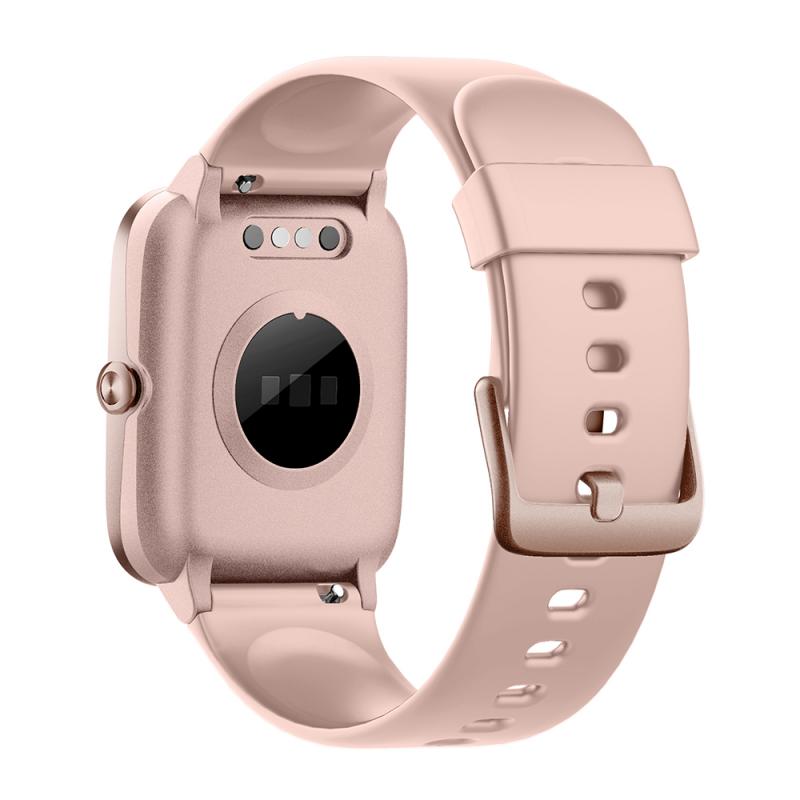
- most smartwatches and fitness trackers measure your heart rate using an optical technique called photoplethysmography, or ppg.
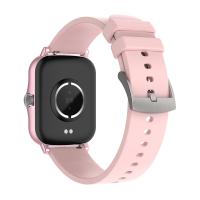
- this is the technology behind the flashing green lights on the underside of your device.
- the process is straightforward: leds shine light through your skin, and a sensor measures how much of that light is reflected back.
- when your heart beats, it pumps blood through the arteries in your wrist.
- since blood is red, it absorbs green light.
- therefore, when there is more blood flow during a heartbeat, more green light is absorbed, and less is reflected.
- between beats, less blood is flowing, so less light is absorbed, and more is reflected.
- by flashing these leds hundreds of times per second, the device can detect these tiny changes in light reflection and calculate your heart rate and hrv.
how smartwatches track sleep cycles
- once your smartwatch thinks you’re asleep, the next step is tracking what kind of sleep you’re getting.
- light sleep, deep sleep, and rem—all those stages your brain goes through are estimated using physical signals your body gives off.
- smartwatches use accelerometers to track movement and optical sensors to monitor your heart rate.
- some advanced models even include pulse oximeters (to measure blood oxygen) and thermometers.
- these sensors work together to create a picture of your rest.
- your watch looks for patterns—like steady movement slowing down, heart rate dipping, then cycling through highs and lows.
- this helps estimate when you’re in light sleep (easy to wake), deep sleep (hard to wake), or rem (when dreams happen).
sleep stages
- in a sleep laboratory, sleep stages are identified with specific brain wave and neuronal activity patterns.
- these patterns are typically reflected physiologically as changes in heart rate, heart rate variability and respiratory patterns.
- identifying these physiological changes while you are asleep provides valuable clues for recognizing sleep stages in real-world conditions outside the confines of a sleep laboratory.
- studies indicate that each sleep stage plays a role in your mental and physical recovery processes.
- light sleep (n1, n2)
- light sleep is the first stage of sleep. eye movements and muscle activity slow during light sleep as your body gets ready for deep sleep.
- deep sleep (n3)
- as you transition to deep sleep, eye and muscle movements stop completely. your heart rate and breathing slow. at this point, you become difficult to rouse and are disoriented if awakened. it’s generally agreed that deep sleep has a myriad of health benefits. for example, it helps aid muscle recovery.
- rapid eye movement (rem) sleep
- rem sleep is considered the final stage of a sleep cycle. dreams are common during rem sleep. rem sleep stages tend to start short and grow longer throughout the night. the rem sleep stage is believed to be when your brain has a chance to process and make sense of data. it may even be linked to how you learn new skills.
- awake
- in general, it’s best for sleep to be continuous through the night, with few to no stretches of awake time.
sleep score
- select devices with advanced sleep tracking also include a sleep score.
- nightly scores (0–100) may be paired with personalized insights derived from your own activity and lifestyle data.
- these tips appear when an opportunity is identified to help you understand how factors such as daily stress levels, activity patterns and bedtimes influenced your sleep.
- your nightly sleep score is calculated based on a combination of sleep duration and sleep quality factors.
- how long you slept is compared to globally accepted age-based recommendations.
- quality aspects of your sleep score come from a combination of sleep architecture, stress data, interruptions during the night and other factors.
- sleep architecture refers to how much time you spent in light, deep and rem sleep stages and the patterns formed by transitions between these stages during the night.
- other contributors to your sleep score include restlessness, the number of times you are awake for longer than 5 minutes, and the total amount of time you spent awake.
movement-based sleep tracking
- older devices and those without integrated wrist-heart rate monitoring capabilities use movement-based sleep tracking to analyse wrist or body movement captured with an accelerometer.
- this algorithm also considers the time of day and provides more basic insight into sleep.
- it can estimate whether you are awake, in a light level of sleep or a deeper level of sleep.
- however, detection of specific sleep stages is not possible in these devices.
- actigraphs use an internal sensor called an accelerometer, a tiny piece of hardware that detects motion.
- algorithms then translate this movement data into estimates of sleep and wakefulness.
- actigraphs are great for getting general sleep/wake/movement data over time, especially helpful for understanding circadian rhythms.
- while useful for tracking general sleep patterns over weeks or months, traditional actigraphy has one persistent weakness.
- it struggles to distinguish between sleep and periods of "quiet wakefulness".
- if you are lying in bed awake but not moving, the device is likely to incorrectly score that time as sleep.
accuracy and limits
- while sleep trackers can collect a lot of information about your slumber habits, they don’t measure sleep directly.
- instead, they often measure inactivity as a surrogate for estimating sleep.
- most sleep tracking devices make some guesstimate as to how much you’re actually sleeping.
- sleep stages are technically defined by patterns of brain wave activity, which can only be measured with an electroencephalography (eeg), a test that records electrical activity in the brain.
- since a watch or ring can't read your brain waves, it uses signals like heart rate and movement as substitutes.
- while the algorithms are getting smarter, they are not a substitute for a real eeg.
- research has shown that trackers are much more accurate when classifying sleep into three broad categories (wake, nrem, and rem) than when trying to break it down into five stages (wake, n1, n2, n3, rem).
- they are generally good at telling sleep from wake but vary in their ability to accurately identify specific sleep stages.
- the sleep stage data from your tracker should be viewed as an estimate, not a fact.
sleep studies and diagnosis
- sleep study, which monitors brain waves to analyze the stages of sleep you cycle through during the night.
- such studies are helpful for diagnosing conditions like sleep apnea and other sleep disorders.
- without brainwave sensors (like in lab sleep studies), smartwatches can’t directly measure sleep phases.
- instead, they use algorithms.
- these compare your sensor data to typical patterns seen in each sleep stage.
- for example, if your movement stops and your heart rate dips, the watch may log that as deep sleep.
- you should not rely on a consumer wearable to diagnose sleep apnea unless it has an fda clearance for diagnosis.
- sleep apnea is a medical condition where breathing repeatedly stops and starts during sleep, causing brief arousals and drops in blood oxygen.
- while some newer devices include a pulse oximeter, a sensor that typically shines a red light through your skin, to estimate blood oxygen levels, they are not yet accurate or reliable enough for clinical use.
patterns and trends
- check your sleep data, and look for changes and trends over time.
- this will help you gain insight into the often-complex relationship between what you do when you are awake to how well you sleep at night.
- still, tracking devices can definitely be useful for helping you recognize patterns in your sleep habits.
- the tracker will give you something to reflect on, often with user-friendly graphs or reports that make it easy to spot trends.
- you should use the data from your sleep tracker to understand broad patterns and trends in your sleep, rather than getting fixated on the exact numbers from a single night.
- these devices are most powerful when used to monitor your habits over time.
Leave your comment
Note: HTML is not translated!