Baby Monitor What To Look For?
When welcoming a new baby into your home, one of the essential items many parents consider purchasing is a baby monitor. This seemingly simple gadget provides peace of mind by keeping parents connected with their little ones while allowing them the freedom to tend to other tasks or rest. However, with an abundance of options and features on the market, selecting the right baby monitor can be overwhelming. In this article, we’ll dive into the key factors to look for when purchasing a baby monitor, helping you make an informed decision that meets your needs and ensures the safety and comfort of your baby.
Why Invest in a Baby Monitor?

A baby monitor is more than just a convenience—it's a tool for ensuring your baby’s safety and well-being. It allows parents to keep an ear or an eye on their child from another room or even another location. In the early months, it’s particularly helpful for newborns who may sleep more frequently or irregularly. For toddlers, a monitor can help ensure they have restful naps or alert you if they wake and need assistance. That said, having the appropriate baby monitor tailored to your needs can reduce stress and improve your overall parenting experience.
Key Features to Look for in a Baby Monitor
Choosing the right baby monitor involves identifying features that align with your priorities. Here’s what to consider:
1. Audio vs. Video Monitors
Baby monitors come in two primary forms: audio and video. Understanding the difference between them helps narrow down your options.
- *Audio Monitors*: Designed to transmit sound, these are typically more affordable and widely used. They let you listen for signs of discomfort, crying, or movement. These are ideal for parents who may prefer simplicity and don’t need a visual component.
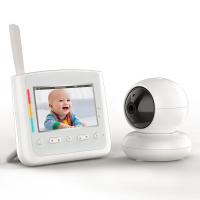
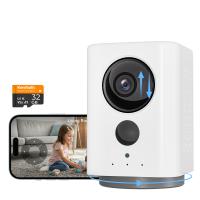
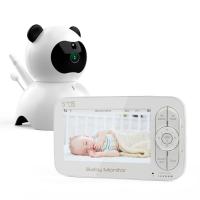
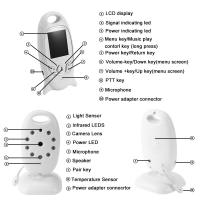
- *Video Monitors*: These models offer real-time video and audio, allowing you to see your baby as they sleep or play. Video monitors generally include screens on a dedicated receiver or apps for your smartphone. They’re helpful for parents who want visual reassurance.
2. Range
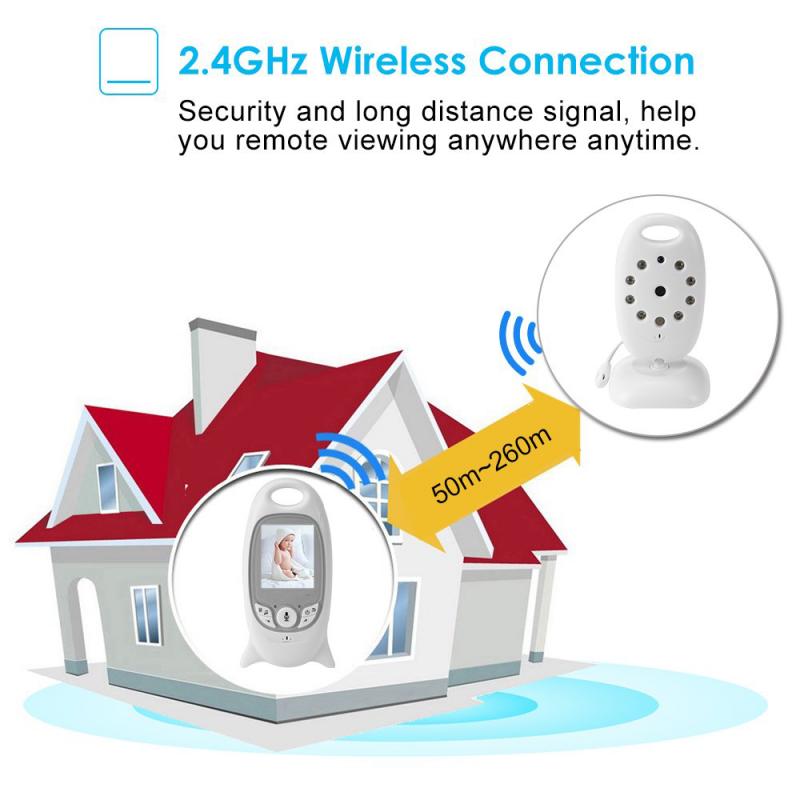
The range of your baby monitor determines how far you can roam while staying connected. If you live in a smaller apartment, range might not be much of a concern. However, in larger homes or spaces, monitors with extended range are worth considering. Look for models boasting ranges of 900 to 1,000 feet or higher for expansive coverage. Walls, large furniture, and interference from other electronics can impact range, so invest in one that accommodates your home size and layout.
3. Signal and Interference Protection
A baby monitor’s signal can be disrupted by Wi-Fi networks, cordless phones, and even other monitors. To reduce interference, opt for models with features like DECT technology or 2.4 GHz wireless band support. Monitors with secure, encrypted transmission also protect your connection, ensuring privacy and preventing outsiders from accessing the feed.
4. Battery Life and Power Options
Monitors with longer battery life and versatile power options (e.g., rechargeable batteries or plug-ins) are ideal for extended use. Look for monitors that notify you with alerts when the battery level is low. Some parents may prefer devices with eco-mode for conserving battery life when noise or video activity is minimal.
5. Camera Quality and Night Vision
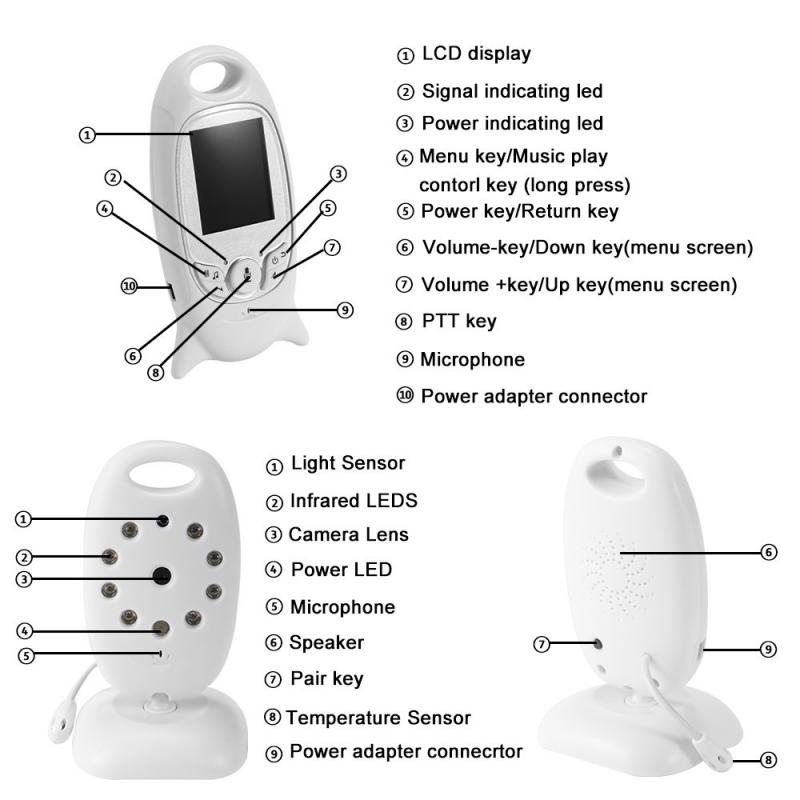
For video monitors, camera quality plays a vital role in defining their effectiveness. Look for high-resolution models, preferably with HD capabilities, to ensure a clear image. Night vision functionality is an indispensable feature for nighttime use, providing a clear view in low-light conditions. Infrared LED technology is often used in baby monitors for effective night vision.
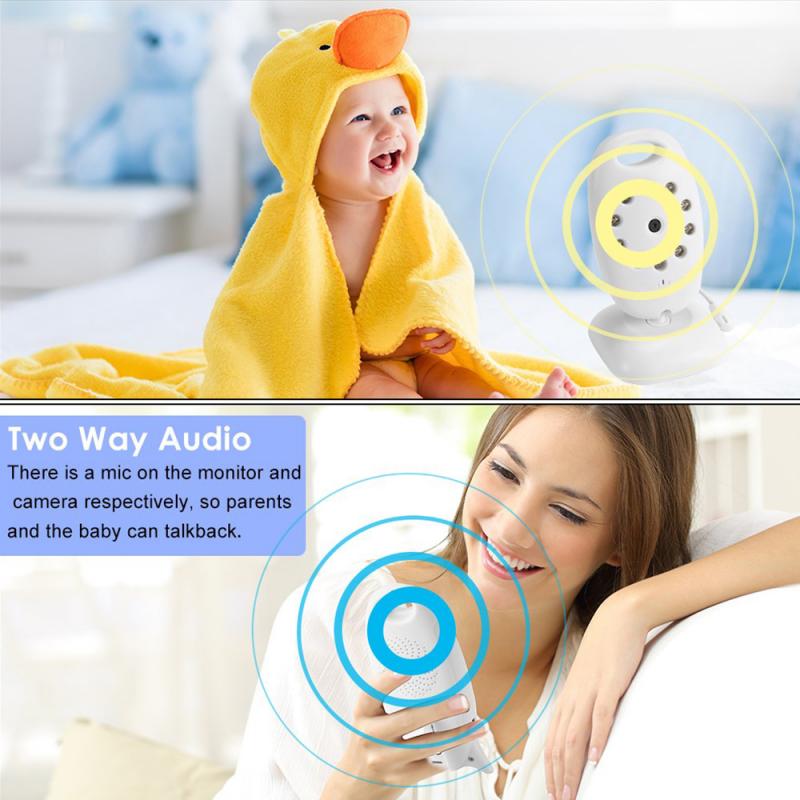
6. Two-Way Audio
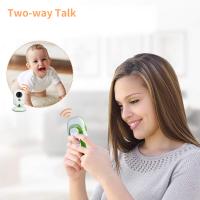
Many modern monitors feature two-way communication, enabling parents to talk back through the device to soothe their baby. This eliminates the need to rush in immediately, letting you reassure your child from another room when they stir or fuss.
7. Screen Size and Display Quality
Video monitors come with dedicated screens or smartphone app support. If you opt for a model with a display screen, prioritize one with ample size and resolution for ease of monitoring. Models with screen sizes around 5 inches or higher generally offer good visibility.
8. Smart Features and App Connectivity
If you're tech-savvy and want to leverage modern conveniences, consider smart monitors equipped with Wi-Fi connectivity that sync with mobile apps. These allow you to monitor your baby remotely from your phone or tablet. Some models include advanced features such as sleep tracking, movement alerts, or room temperature monitoring.
9. Portability and Mounting Options
If you travel often or need a monitor for various rooms, portability is essential. Lightweight and compact models are easy to carry or pack for trips. Mounting options like wall mounts or adjustable stands offer flexibility in camera placement, ensuring optimal views.
10. Temperature Sensors
Temperature sensors on baby monitors offer a way to keep tabs on the room's climate, ensuring your baby stays comfortable. Monitors that alert you if the room becomes too hot or cold are particularly beneficial in environments with fluctuating temperatures.
11. Expandability for Multiple Rooms or Cameras
If you anticipate needing coverage in multiple spaces (such as a nursery and playroom), look for monitors that support additional camera units. Models with split-screen viewing or multi-camera capabilities let you monitor multiple areas simultaneously.
12. Price and Budget Considerations
Baby monitors vary significantly in terms of price. While basic audio models may cost around $30 to $50, high-end smart monitors with advanced features can range from $150 to $300 or more. Establish your budget in advance and weigh which features are most important before committing.
13. Durability and Warranty
Durability is essential, especially for parents who anticipate frequent use or travel. Look for monitors made from quality materials and backed by reliable warranties (generally one year or more). Reading reviews for long-term reliability can also be helpful.
Common Mistakes When Choosing a Baby Monitor
To avoid choosing a monitor that doesn’t meet your needs, steer clear of these common pitfalls:
Focusing Only on Brand Names: Well-known brands often deliver high-quality products, but lesser-known brands can also offer excellent value at competitive prices. Don’t dismiss them without proper research.
Ignoring Security Features: If you choose a smart monitor, ensure it uses encryption. Cybersecurity threats can be a concern with network-connected devices.
Overlooking Night Vision or Range Needs: These features are often overlooked yet prove crucial for nighttime monitoring and large homes.
Recommendations From Parents
Based on feedback from parents, here are a few considerations that might influence your decision:
- If your budget is limited, prioritize high-quality audio monitors—they’re simpler yet highly effective for keeping track of newborns at a reasonable cost.
- Tech-savvy parents often favor smartphone-connected monitors for the convenience of remote access and added functionality.
- If you're seeking durability and advanced features, look at contract-free options that don’t rely on subscriptions or additional fees.
Practical Tips for Using Baby Monitors
Once you've chosen the right monitor, maximize its effectiveness with these practical tips:
Test the Monitor Before Baby Arrives: Confirm the setup and audio/video quality by testing the monitor well in advance.
Position Carefully: Whether using a camera or audio device, place the monitor in a safe, unobstructed spot with a clear view of your baby’s crib. Avoid placing cords or devices near the crib to minimize safety risks.
Use Alerts or Notifications: Make use of sound/activity alerts to stay in the loop without needing constant observation.
Monitor Updates: If you’re using a smart monitor connected to an app, ensure the software is updated for optimal performance and security.
Choosing the right baby monitor depends on your specific needs, home layout, and technology preferences. Whether you prefer a simple audio monitor or a versatile, Wi-Fi-enabled model, understanding what features align with your lifestyle makes the process less daunting. Remember to focus on range, battery life, video quality, and security features, as these remain vital to both practicality and peace of mind.
Ultimately, a baby monitor isn’t just a gadget—it’s a tool that supports your parenting journey while fostering a greater sense of assurance as you navigate sleepless nights and precious early moments. By identifying what matters most in a monitor, you’ll not only safeguard your baby but also gain invaluable ease and convenience in your everyday life.