Can You Use A Lavalier Microphone For Music?
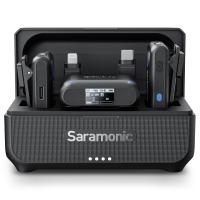
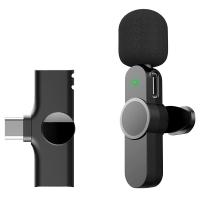
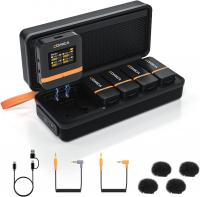
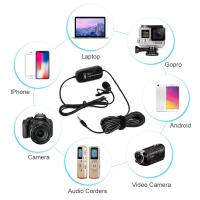
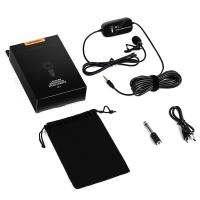
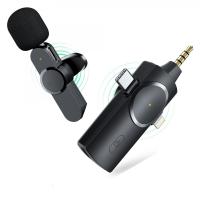
When it comes to recording music, the choice of microphone can significantly impact the quality of the sound captured. Lavalier microphones, also known as lapel mics, are small, discreet microphones often used in broadcasting, theater, and public speaking. They are designed to be clipped onto clothing and are typically omnidirectional, meaning they pick up sound from all directions. While lavalier microphones are not traditionally associated with music recording, they can be used in certain scenarios. However, their effectiveness depends on the specific use case, the type of music being recorded, and the desired sound quality.
Understanding Lavalier Microphones
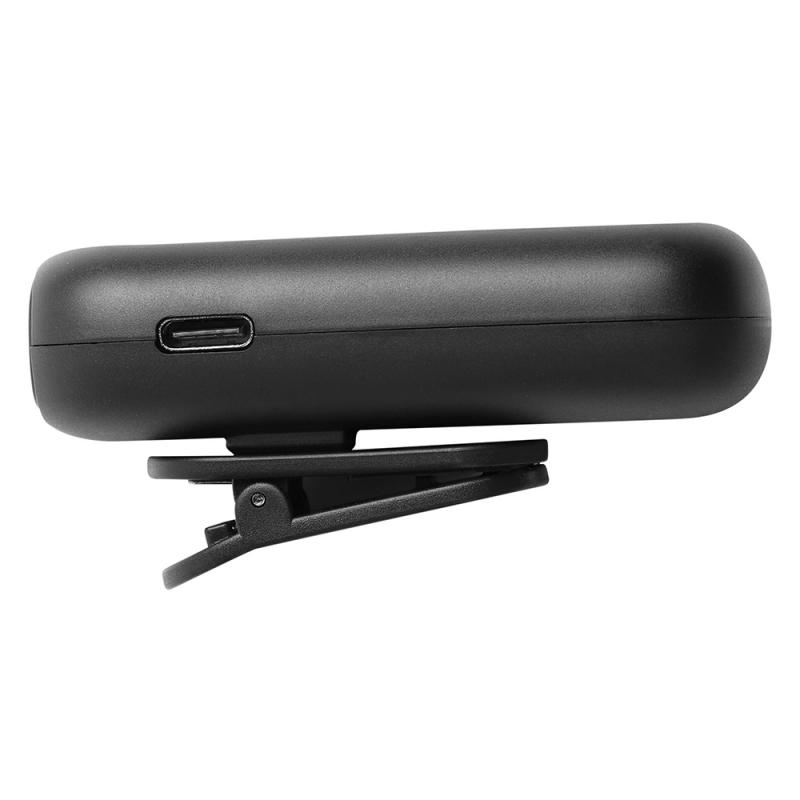
Lavalier microphones are prized for their portability and convenience. They are small, lightweight, and easy to position, making them ideal for situations where a larger microphone would be obtrusive. Most lavalier mics are designed to capture speech rather than music, which means they are optimized for midrange frequencies and may not perform as well in capturing the full dynamic range of musical instruments or vocals.
These microphones are typically omnidirectional, which can be both an advantage and a disadvantage. On the one hand, omnidirectional mics are forgiving in terms of placement, as they pick up sound from all directions. On the other hand, they are more likely to capture ambient noise, which can be problematic in music recording where clarity and isolation are often critical.
Scenarios Where Lavalier Microphones Can Be Used for Music
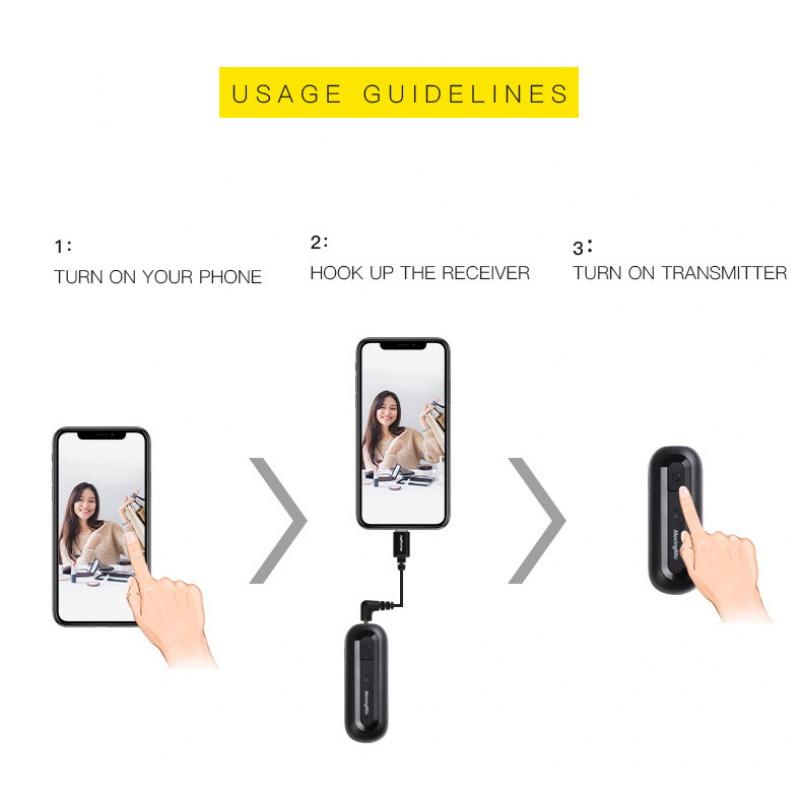
While lavalier microphones are not the first choice for music recording, there are specific scenarios where they can be effectively used:
1. Live Performances and Video Recording
Lavalier microphones are often used in live performances or video recordings where the visual aspect is important. For example, a singer-songwriter performing an acoustic set for a video might use a lavalier mic to capture their voice while maintaining a clean, unobtrusive look. In such cases, the focus is on convenience and aesthetics rather than studio-quality sound.
2. Field Recording and Ambient Music
For musicians or sound designers working on ambient music or field recordings, a lavalier microphone can be a useful tool. Its small size and portability make it ideal for capturing environmental sounds or unconventional musical elements. For instance, a lavalier mic could be used to record the subtle rustling of leaves, the sound of footsteps, or even the resonance of a small instrument in a natural setting.
3. Close-Miking Acoustic Instruments
In some cases, a lavalier microphone can be used to close-mic acoustic instruments like guitars, violins, or ukuleles. By positioning the mic close to the sound source, you can capture a focused sound. However, the results may vary depending on the quality of the lavalier mic and the instrument being recorded.
4. Experimental and Lo-Fi Music
For musicians working in experimental or lo-fi genres, the unique characteristics of a lavalier microphone can be an asset. The mic's limitations, such as its frequency response and sensitivity, can add a distinctive texture to the recording. For example, a lavalier mic might be used to capture a raw, unpolished vocal track or to create an intentionally "imperfect" sound.
Limitations of Lavalier Microphones for Music
Despite their versatility, lavalier microphones have several limitations that make them less suitable for professional music recording:
1. Frequency Response
Most lavalier microphones are designed for speech and have a limited frequency response. They may not capture the full range of frequencies produced by musical instruments or vocals, resulting in a less rich and detailed sound.
2. Dynamic Range
Lavalier microphones are not typically designed to handle the wide dynamic range of music. Loud sounds may cause distortion, while soft sounds may not be captured with sufficient clarity.
3. Noise and Isolation
Because they are often omnidirectional, lavalier microphones are more prone to picking up ambient noise. This can be a significant drawback in music recording, where isolation and clarity are crucial.
4. Build Quality and Durability
Many lavalier microphones are built for casual use and may not be durable enough for rigorous music recording sessions. Additionally, their small size makes them more susceptible to handling noise and vibrations.
Tips for Using a Lavalier Microphone for Music
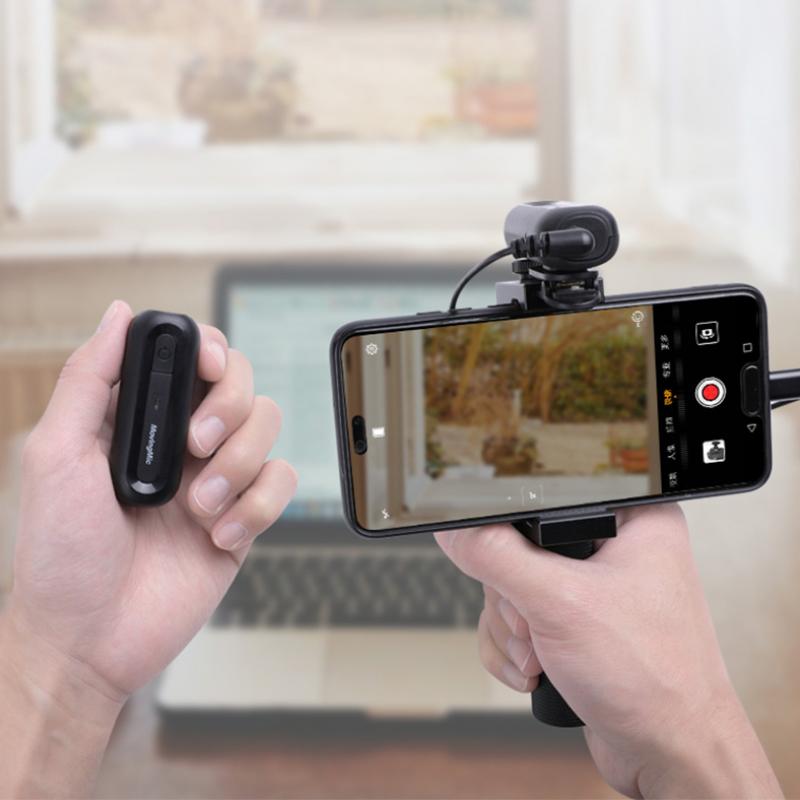
If you decide to use a lavalier microphone for music recording, here are some tips to get the best possible results:
1. Choose a High-Quality Lavalier Mic
Invest in a high-quality lavalier microphone with a wide frequency response and good sensitivity. Some professional-grade lavalier mics are designed to handle a broader range of applications, including music.
2. Experiment with Placement
The placement of the microphone can significantly impact the sound quality. Experiment with different positions to find the sweet spot for your instrument or voice. For example, placing the mic near the soundhole of an acoustic guitar or the bridge of a violin can yield better results.
3. Use a Pop Filter or Windshield
To reduce unwanted noise, consider using a pop filter or windshield with your lavalier microphone. This can help minimize plosive sounds and wind noise, especially when recording vocals.
4. Record in a Controlled Environment
To minimize ambient noise, record in a quiet, controlled environment. If possible, use soundproofing or acoustic treatment to improve the recording conditions.
5. Enhance the Recording in Post-Production
Use audio editing software to enhance the recording. Equalization (EQ) can help compensate for the mic's frequency response limitations, while noise reduction tools can minimize background noise.
Alternatives to Lavalier Microphones for Music
If you find that a lavalier microphone does not meet your needs, consider using a microphone specifically designed for music recording. Here are some popular alternatives:
1. Condenser Microphones
Condenser microphones are a popular choice for studio recording due to their sensitivity and wide frequency response. They are ideal for capturing vocals and acoustic instruments with clarity and detail.
2. Dynamic Microphones
Dynamic microphones are durable and versatile, making them suitable for live performances and recording loud instruments like drums and electric guitars.
3. Ribbon Microphones
Ribbon microphones are known for their warm, natural sound and are often used for recording vocals and string instruments.
4. Shotgun Microphones
Shotgun microphones are highly directional and can be used to isolate specific sound sources. They are a good option for recording in noisy environments.
While lavalier microphones are not the go-to choice for music recording, they can be used effectively in certain scenarios, such as live performances, field recordings, or experimental music. However, their limitations in frequency response, dynamic range, and noise isolation make them less suitable for professional studio recordings. If you are considering using a lavalier microphone for music, be prepared to experiment with placement and post-production techniques to achieve the best possible results.
For most music recording applications, investing in a microphone specifically designed for music, such as a condenser or dynamic mic, will yield better results. However, if you already own a lavalier microphone and want to explore its potential, it can be a creative tool for capturing unique sounds and textures. Ultimately, the best microphone for your needs will depend on your specific goals, budget, and recording environment.