What Size Sd Card For Trail Camera?
2026-07-14 00:56:21
0 Comments
choosing the right card
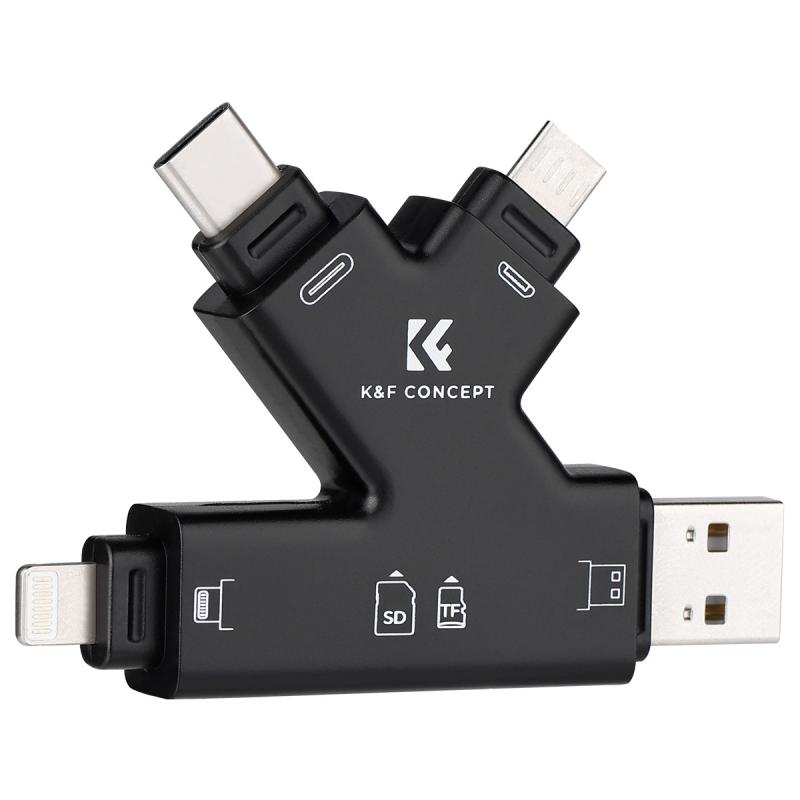
- an appropriate and well-functioning sd card is essential for successful camera trapping.
- when choosing an sd card for your trail camera, you should take into consideration both your personal requirements and the compatibility of the card with the camera itself.
- first and foremost, you must ensure the card capacity you pick is appropriate for your model of camera.
- different brands and models have varying maximum capacities from 16gb to 512gb.
- therefore, it is worth checking the manufacturer's user manual or the specifications on our product pages for clarification.
- you need to know how big a one your camera will take
- many trail cams can't handle more than 32gb cards - usually this is included in the description or manual ("up to 32gb").
- so don't buy over 32gb without checking the manual.
storage capacity
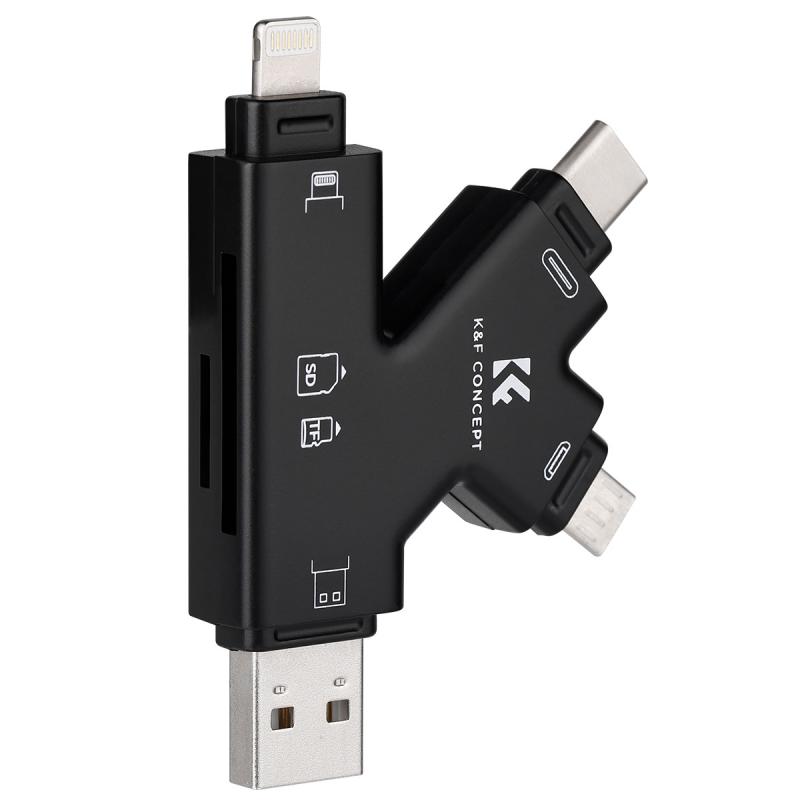
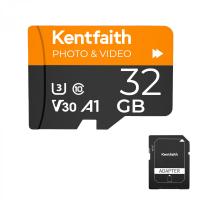
- for most people, a 32gb or 64gb sd card is almost certainly sufficient - especially when your camera is primarily used for watching garden wildlife.
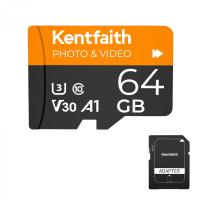
- however, if you are wanting to leave your camera somewhere remote, where it cannot be checked for a month or so, you should consider a 64gb card.
- for even longer periods, a 128gb card might be more suitable.
- trail cameras can generate a lot of data, especially if capturing hd video in a busy area.
- although most prefer a 16gb card in your trail camera, it may fill up in a month or two.
- you can also look for sd cards with 32gb to collect a whole season worth of content before needing to offload it.
- just doublecheck your camera specs to ensure compatibility with larger capacities.
- for the majority of hunters, a 16gb sd card will be enough.
picture mode and video mode
- 2gb is plenty for most of my spots.
- my really good spot that i only hunt during the rut are using 8 gb it only gets checked a few times and allows me to stay out of that area.
- if you go that small you cannot leave a camera out long term like a 4 month period over winter and using video or longer...
- i would suggest at least 16 gb or even 32 gb.
- if your game camera can use that large which most today can.
- you never know how many pictures or videos you get i just had 198 30 seconds videos in a 3 week time so again you will never know.
- so i would always go the next size than what you are thinking just to be covered...
- some use up a lot of space some use more than others being hd video....
checking frequency and location
- for some that check them daily or weekly then maybe a a smaller one
- again each person has different ideas and needs when using a game camera some just a picture might do but others want other things or watching a feeder and short interval between pictures or videos...
- first you need to know how big a one your camera will take , second it depends on where you are gonna put it , on trails and scrapes or rub lines you don't need more than 2gb i get about 15-30 pics every two weeks on unbaited spots.
- if you are putting it in a corn pile or bait you need a bigger card 8 gb or bigger
- i think it depends on how many megapixels your camera is also.
- the more megapixels the more space the pic takes up.
- how often you plan to check it?
- are you putting it over a good plot or feeder?
common card sizes
- i like my 16gb cards simply so i can feel confident that if i decide to set the cams to video mode that i'll have plenty of room to record for a couple weeks time.
- otherwise, just picture mode and 2gb should be good, but i like to have my options open.
- i don't consider anything less than 8gb just for that reason.
- i run 16 gb cards, they're not that much more money than a 4 or 8 when you find a good deal online.
- i like to be able to know i can leave my cam for 6-8 weeks and know it won't be full.
- i get a two pack of 2 gb from wally world for under 12 dollars.
- its hold a lot pf pictures.
- close to 500 or 600 at 8mp.
- i use 2 or 4gb.
- get the biggest one your cam will take...better safe than sorry
2gb, 4gb, 8gb, 16gb, and 32gb use
- i run 2 g in all my cameras.
- i have never ever had anything close to filling it up.
- i just set a cam 7 days ago and checked it yesterday and had 208 pics on it.
- last year in 3 weeks i had 600 pics on 1 card.
- i guess if you have a lot of deer movement it could be possible to fill up a 2g card, but they can hold up to 2000 pictures.
- i get several thousand pics at times.
- i usual run 8's just to be safe.
- i run mostly 16gb and a couple 8gb.
- memory cards are fairly inexpensive these days.
- also, the 16gb allows me to set it to video mode which helps me determine where the deer are traveling to and from
- i have anything from 2-32.
- i mostly use 4 gb cards on areas i check every 2-3 weeks.
- if i don't plan to check it very often i use the 32gb.
- i have never had a 4 fill up on me and i usually get between 1-2k pics
pics or vids
- depends on if your doing pics or vids......
- i do only pics and a 2 g card, depending on settings give me 1800 to over 2000 pics, i'll never get that many as i check them every 2-3 weeks.....
- if i was doing vids, i'd do 16-32g
- i run 4's.
- they hold plenty of pics as long as they're not in front of a feeder.
- i use the biggest card the camera will take...
- things to consider, how often will you check the camera?
- what picture resolution do you want as this affects the storage size of a photo?
- do you want video?
- are you going to do time lapse?
- you should also be mindful of the card speed class if you're wanting to do hd video....
speed class
- the read and write speeds of sd cards can quickly become very complicated.
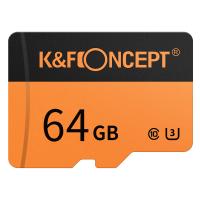
- these symbols both tell you that the minimum write speed of the card is 10mb/s - which is very suitable for use with a trail camera.
- different ratings occasionally cause issues as can be too fast/slow to work correctly with your camera
- the write speed determines how fast your trail cam can save content to the sd card.
- entry-level cards often have write speeds around 10-40mb/s.
- however, higher-end trail cameras demand faster speeds like 60-120mb/s.
- trail cameras don’t create video files or photos with a high bit rate, so you don’t need anything faster than 100mb/s.
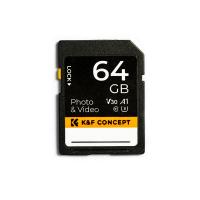
- search for cards rated uhs-i u3 or v30 for the best performance.
recommended sd card requirements
- you must be using the required sd card, as it affects the overall speed and performance of the camera.
- using cards that are not required will yield unexpected results, and make it difficult for us to troubleshoot your camera.
- note: not all class 10 cards are created equal.
- the minimum write speed of a class 10 card is 10mb/s.
- class 10 u1 cards will be too slow for the camera, as it requires at least 90mb/s for optimum performance.
- this is where the u3 rating is important.
- choosing a high-quality sd card is one of the most important things you can do to ensure the overall performance of your camera.
sd card specifications
- class 10 / not c4
- u3 / not u1
- 16gb or 32gb, no more, no less
- read speed must be at least 90 mb/s
- full-size sd card (not micro-sd with adapter)
estimated number of photos & videos
- 8gb sdhc class 10 memory card
- will hold over 2,000 photos when using a 10 mega-pixel camera, or 100 minutes of video when recording at 9mbps.
- 16gb sd card
- jpg photos: 4,310 photos
- raw photos: 295 photos
- hd video: 210 minutes
- 4k video: 40 minutes
- 32gb sd card
- jpg photos: 8,620 photos
- raw photos: 595 photos
- hd video: 425 minutes
- 4k video: 85 minutes
- 64gb sd card
- jpg photos: 17,245 photos
- raw photos: 1,190 photos
- hd video: 850 minutes
- 4k video: 170 minutes
a note on microsd cards
- some cameras don't like microsds cards in adapters
- some cameras also only use microsd cards
- spypoint trail camera is best used with a microsd card.
- get a great microsd card for your spypoint trail camera with an sd adapter to view photos on your computer.
- full-size sd card (not micro-sd with adapter)
durability
- trail cameras get exposed to temperature swings, humidity, dirt, and more.
- look for durable sd cards with ratings like waterproof, shockproof, or temperature proof.
- top brands like sandisk extreme can withstand harsher conditions than basic consumer sd cards.
- when buying sd cards for trail cams, consider quality control in with your research.
- as mentioned before, the quality of your sd card is important in outdoor weather.
- the slight savings of generic cards isn’t worth the risk of reliability issues or early failure in the wilderness.
- reputable brands rigorously test their cards in harsh environments during development, making them perfect sd cards for trail cameras.
maintaining your sd card
- in order to keep your sd card functioning as it should, we suggest formatting regularly.
- formatting an sd card essentially ‘resets’ it and erases every file stored on it.
- it also acts as a sort of ‘handshake’ between the card and camera, ensuring files are stored correctly in a suitable format.
- when your sd card has been in use over time it can slow down and affect your camera's overall function.
- a simple reformat will clear the sd card of any corrupt files and improve speed and functioning.
- also, keep in mind they don't last forever, so after a time, you may need to replace your sd card with a new one.
- we do not recommend swapping sd cards from one camera to another.
- please reformat your sd card, this will erase everything and make it like new again.
Leave your comment
Note: HTML is not translated!