How To Buy A Used Digital Camera?
Buying a used digital camera is a great way to save money and still get high-quality equipment that fits your needs. However, purchasing second-hand electronics requires careful consideration to ensure that you’re making a smart investment. This article will provide you with a step-by-step guide on how to buy a used digital camera, offering actionable advice and answering practical questions to help you make the best possible decision.
Understand Your Needs and Budget
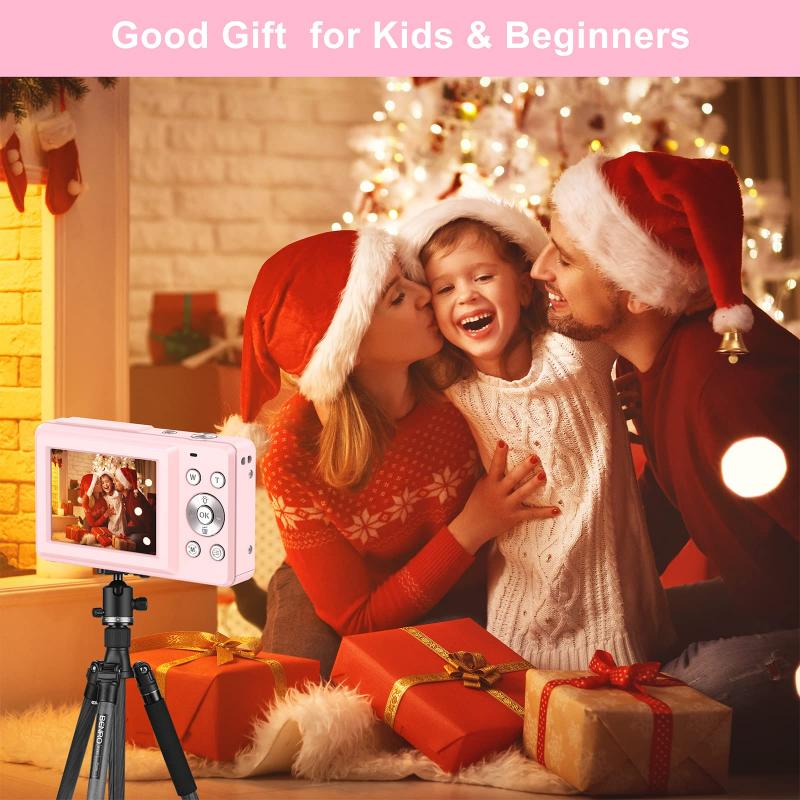
Before you start shopping for a used digital camera, it’s crucial to know what you’re looking for and how much you’re willing to spend. Ask yourself:
What will I use the camera for? Are you shooting landscapes, portraits, events, or videos? Your needs will dictate the type of camera you should buy, such as a DSLR, mirrorless, point-and-shoot, or action camera.
What features are essential? Do you need high resolution, low-light performance, fast autofocus, interchangeable lenses, or advanced video capabilities?
What is your budget? Setting a clear maximum amount ensures you won't overspend. Remember that you may also need to buy accessories like lenses, memory cards, or batteries.
Having a clear understanding of your requirements will help you focus on cameras that meet your expectations without wasting time or money.
Research Camera Models

Once you know your needs, start researching models that fit your criteria. Look up reviews, technical specifications, and user opinions on trusted websites and forums. Compare the features of various models to determine which one is ideal for your application.
For instance:
- A travel vlogger might prefer a compact mirrorless camera with high-quality video capabilities and good battery life.
- A beginner photographer may benefit from entry-level DSLRs that provide room to grow without being overly expensive or complex.
Look for reputable brands, such as Canon, Nikon, Sony, Panasonic, and Fujifilm, while keeping an eye out for models within your budget.
Choose the Best Marketplace
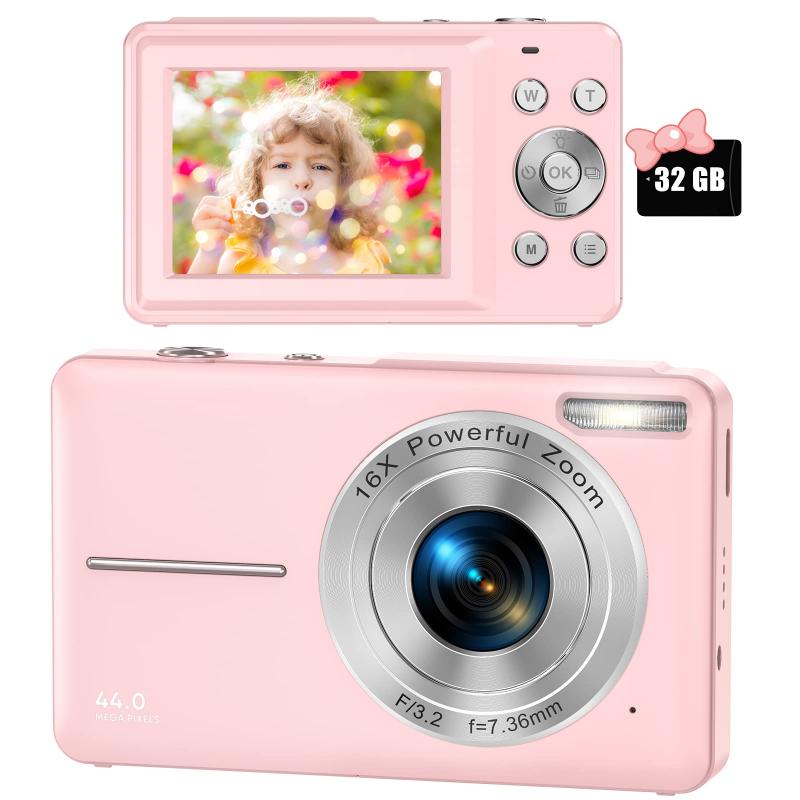
When buying a used digital camera, you need to choose the right marketplace. Consider both online and local options, as each comes with advantages and risks.
Online Marketplaces: Websites like eBay, Craigslist, Facebook Marketplace, and dedicated camera resale platforms (e.g., KEH, MPB, or B&H Photo Video) offer a broad selection of options. While these platforms provide greater variety, be cautious about fraudulent listings. Always check seller ratings, reviews, and feedback history to validate their credibility.
Local Sellers and Camera Stores: Buying locally or from a specialized camera shop allows you to inspect the camera in person before purchasing. Many camera retailers offer certified pre-owned cameras with warranties, which can reduce the risk associated with used gear.
Comparison shopping across various platforms will let you assess the prices and availability of specific models.
Evaluate the Condition of the Camera
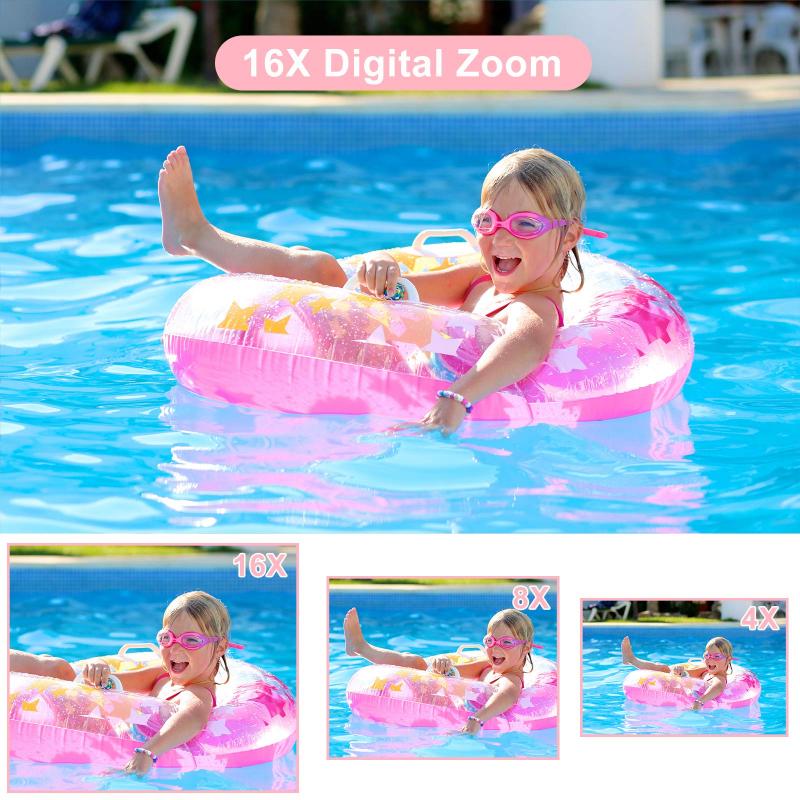
Whether you’re buying in person or online, assessing the condition of a used digital camera is a vital step. Here’s how you can perform a thorough evaluation:
Physically Inspect the Camera
If possible, inspect the camera physically. Pay attention to:
1. Exterior Condition: Look for dents, scratches, or worn-out buttons. Minor cosmetic flaws might not impact performance, but substantial physical damage could compromise functionality.
2. Lens Condition: Check for scratches, dust, or fungus inside the lens. Any of these can degrade image quality.
3. Mounts and Attachments: Ensure that lens mounts, tripod threads, and accessory ports are intact.
Test the Camera
If you meet the seller in person, turn on the camera and:
- Take test shots in different modes (auto, manual, burst, etc.) to ensure proper functionality.
- Test focus speeds, zoom, and stabilization features.
- Check the LCD screen for dead pixels or color irregularities.
- Play around with the camera’s menu system to verify button responsiveness.
Check the Shutter Count
For cameras with interchangeable lenses, like DSLRs or mirrorless models, shutter count is as important as mileage is for a car. It tells you how many photos the camera has taken, which provides an idea of its wear and tear. Most cameras are rated to last for several hundred thousand shutter clicks.
Ask the seller to provide the shutter count, and research that model’s expected lifespan to determine how heavily the camera has been used.
Review Online Listings
If buying online, ask sellers for detailed photos showing the condition of the camera. Request close-ups of any scratches or dents. For critical components like the lens or battery compartment, insist on seeing clear images.
Verify the Accessories
A digital camera is rarely functional without its complementary accessories. When buying used, confirm that the camera comes with the necessary gear; otherwise, factor add-ons into your budget.
1. Battery: Ensure the seller includes a functional battery and its charger. Check that the original brand components are provided, as third-party accessories might affect performance.
2. Memory Cards: Some cameras include memory cards, but if not, you’ll need to purchase one separately.
3. Lenses: If buying a camera with interchangeable lenses, confirm whether the sale includes any lenses and that they align with what you need for your photography style.
4. Manuals and Cables: Instruction manuals, data cables, and box packaging may not be essential but can enhance your resale value down the road.
5. Warranties: If the camera is still under manufacturer warranty or comes with a store guarantee, this is a major bonus. Confirm its validity.
Negotiate and Close the Deal
Negotiation is often possible when buying used gear, but make sure to strike a balance between affordability and fairness to the seller. If you’ve done your research and found comparable listings, use that information to negotiate confidently.
When finalizing the purchase:
Online Transactions: Use secure payment platforms, such as PayPal, to protect yourself from scams.
Local Purchases: Meet the seller in a public place and test the camera before handing over payment.
Make sure you receive a receipt or written confirmation of the transaction, especially for higher-value purchases.
Additional Tips for Buying Used Digital Cameras
Here are some extra tips to ensure you’re making the right decision:
1. Buy from Enthusiasts: Sellers who are passionate about photography or videography often take good care of their equipment.
2. Check Return Policies: If shopping at a store or online, confirm if they accept returns for any defects not disclosed during the sale.
3. Avoid Rushing: Don’t rush into the purchase. Take your time to fully evaluate the options, as there are usually multiple listings for similar items.
4. Trust Your Instincts: If something feels off, look for a different seller or listing.
Buying a used digital camera can be a cost-effective way to access high-quality equipment tailored to your needs. By thoroughly researching your desired model, choosing reputable marketplaces, inspecting the camera’s condition, verifying important accessories, and negotiating carefully, you can make a smart, confident purchase. The process may require extra patience and diligence compared to buying new, but the savings and rewards are worth the effort.
By following the steps outlined in this guide, you should be well-equipped to choose the right second-hand camera that meets your expectations without compromising quality or reliability. Good luck with your search, and happy shooting!
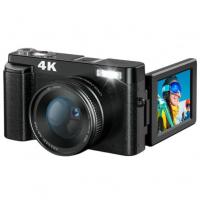
![4K Digital Camera for Photography & Video [Autofocus and Stabilisation] 48MP 16X Digital Zoom 3” 180° Flip Screen Vlog Camera with 32G SD Card, Flash](https://img.kentfaith.com/cache/catalog/products/us/GW41.0065/GW41.0065-1-200x200.jpg "4K Digital Camera for Photography & Video [Autofocus and Stabilisation] 48MP 16X Digital Zoom 3” 180° Flip Screen Vlog Camera with 32G SD Card, Flash")