What Type Of Digital Camera To Buy?
What Type of Digital Camera Should You Buy?
Choosing the right digital camera can be an overwhelming process, especially given the array of models, brands, and features available in today’s market. Whether you're stepping into photography for the first time or upgrading your existing gear, understanding your needs and comparing them against camera specifications is critical to making a confident decision. In this article, we'll delve into the key factors you should consider and help answer practical questions about finding the right digital camera for your unique situation.
Define Your Purpose: What Do You Need From a Camera?

Before jumping into technical features or brand comparisons, consider what you need your camera to achieve. Are you interested in photography as a hobby, or are you pursuing it professionally? Will you need a camera for travel, wildlife photography, weddings, vlogging, or studio work? The answers to these questions will narrow down your options considerably.
For example, if your goal is capturing action shots at sporting events or documenting birding expeditions, speed and zoom capability will rank high on your priority list. But if you're a travel enthusiast, you'll value portability and versatile zoom capabilities more. Meanwhile, portrait professionals may be seeking cameras with excellent depth-of-field control and high-res sensors for stunning detail.
Types of Digital Cameras: An Overview
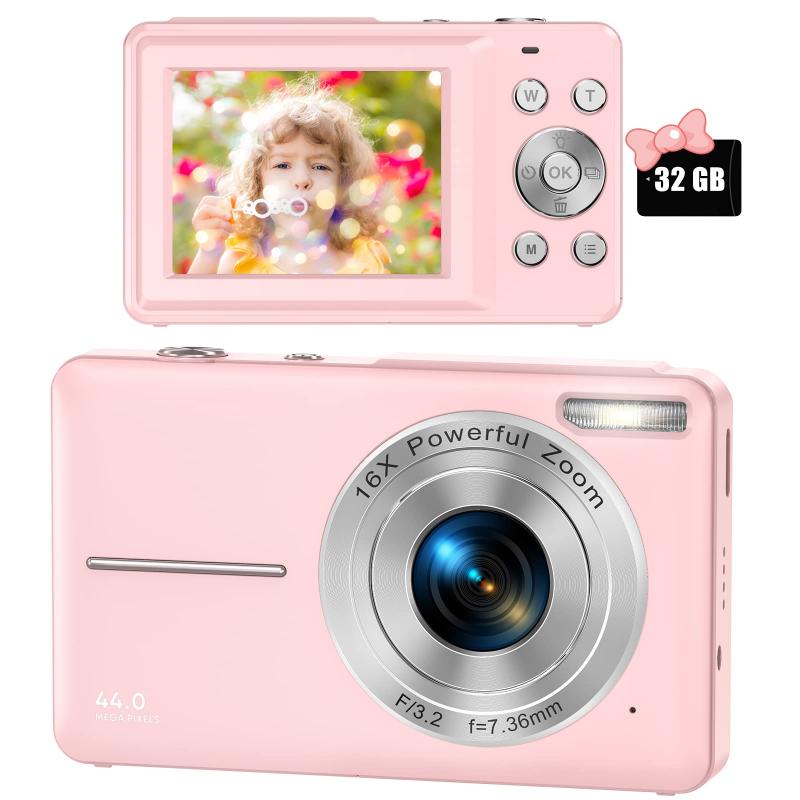
Let’s break down the major kinds of digital cameras available today so you can better understand which one might be the best fit for you.
1. Smartphones
While not technically cameras, the latest smartphones with advanced camera technologies deserve mention here due to their ubiquity. Many high-end smartphones offer impressive image quality, combining multiple lenses (wide, ultra-wide, telephoto) with algorithms that optimize pictures in challenging conditions like low light. For casual users or social media creators, smartphones are a compelling option.
Key Features: Compact, always-on-hand, AI-driven photo processing, seamless connectivity to online platforms
Ideal For: Everyday photography, social media, travel light packing
2. Point-and-Shoot Cameras
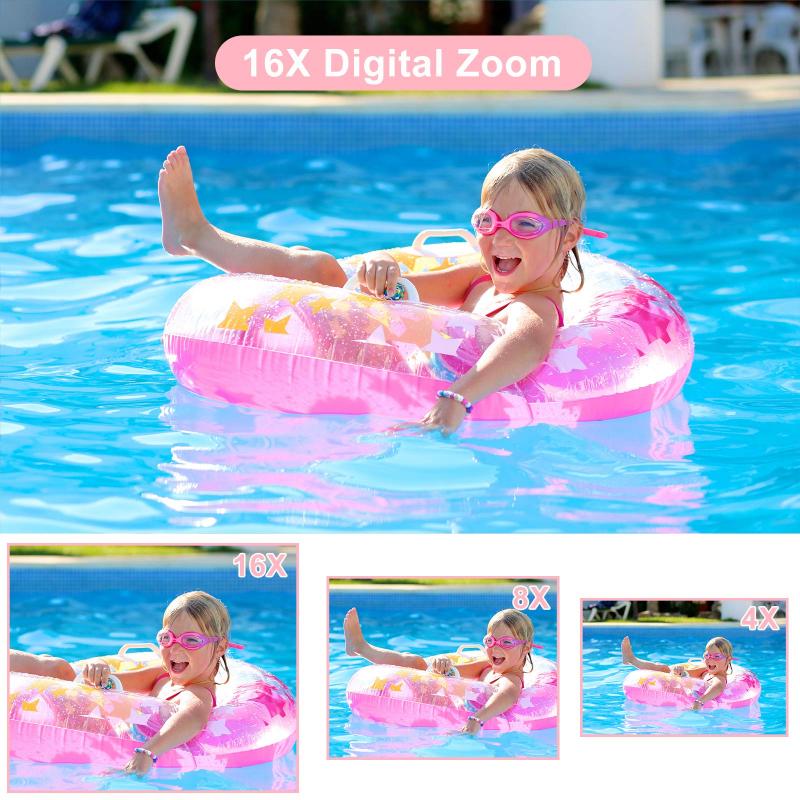
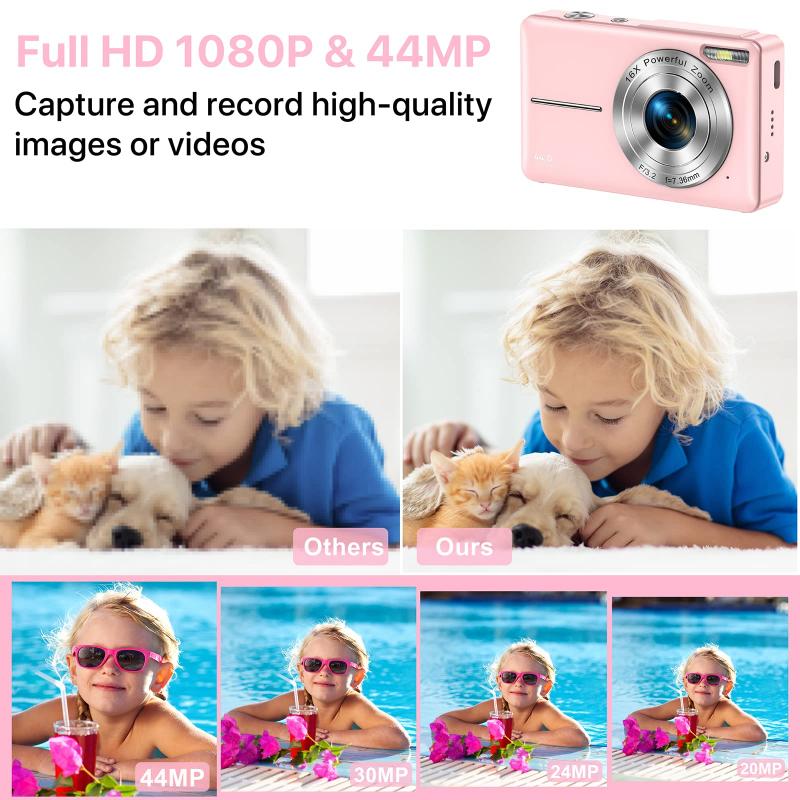
Point-and-shoot devices are compact, affordable cameras geared toward casual users who want better quality than smartphones without much technical effort. These cameras often boast auto settings that calculate optimal exposure, focus, and other details. Modern models sometimes come with features like optical zoom and built-in Wi-Fi connectivity for sharing photos directly.
Key Features: Easy to use, lightweight, affordable, zoom capabilities
Ideal For: Beginners, travelers, families
3. Bridge Cameras
Bridge cameras aim to bridge the gap between point-and-shoot cameras and DSLR or mirrorless technology. These types often carry longer zoom lenses, offering more flexibility. They’re bulkier than point-and-shoots but deliver better image quality and more manual control options.
Key Features: Fixed lens with extended zoom range, manual controls, affordable relative to DSLRs
Ideal For: Wildlife photography, intermediate-level hobbyists
4. DSLR Cameras
Digital Single Lens Reflex (DSLR) cameras offer flexibility, excellent image quality, and interchangeable lenses. They’ve been popular within both hobbyist and professional photography circles for years. They function using a mirror mechanism that allows direct optical viewing through the lens, making them especially helpful in capturing precisely what you see.
Key Features: Outstanding image quality, interchangeable lenses, robust manual controls, optical viewfinder
Ideal For: Professional photographers, enthusiasts looking for versatility
5. Mirrorless Cameras
One of the most rapidly growing categories, mirrorless cameras offer similar interchangeable lens capabilities as DSLRs but without the bulky mirror system. This results in lighter, more compact bodies while still maintaining high-quality imaging. Most mirrorless cameras come with electronic viewfinders or rely on live digital previews on their screens.
Key Features: Lighter than DSLR, interchangeable lenses, fast autofocus, excellent video quality
Ideal For: Vloggers, wedding photographers, street photography
6. Action Cameras
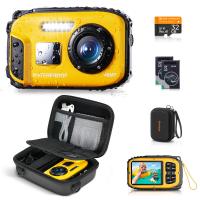
Action cameras are compact, rugged devices specifically designed for capturing on-the-go activities. They’re specifically tailored to adventure photography or sports, with features like waterproofing, stabilization, and ultra-wide lenses. Many are compatible with wearable gear like mounts and helmets.
Key Features: Small, durable, splashproof/waterproof, resilient to shocks
Ideal For: Sports enthusiasts, adventurers
7. Specialized Cameras (Medium Format, Instant Cameras, etc.)
Medium-format cameras are targeted at high-end professionals focused on studio photography, advertising, or landscapes. These cameras trade portability for incredible image quality and detail. Instant cameras, on the other hand, have surged back due to their nostalgic appeal, producing tangible prints instantly. While they lack advanced features, they are fun, user-friendly gadgets for casual photography.
Key Features: Specialized for specific use cases like studio photography or on-the-spot printing
Ideal For: Professionals or enthusiasts with niche photography goals
What Features Should You Look For?
Once you know your intended camera type, focus on the detailed specifications and features that can help maximize its performance. The following are essential considerations for your decision-making process:
1. Sensor Size
The bigger the sensor, the more light the camera can capture, resulting in improved image quality. A full-frame sensor delivers optimal results for professional image detail, though APS-C (crop sensors) and micro four-thirds sensors are also highly capable for casual and enthusiast-level photography.
2. Image Resolution (Megapixels)
Megapixels affect the detail captured in an image, but higher megapixels aren’t always better if sensor quality isn’t up to par. 16–24 MP is more than sufficient for most users unless printing larger designs is part of your task list.
3. Lens Quality
Lenses matter just as much, if not more, than the camera body itself. DSLR and mirrorless systems offer interchangeable lenses, providing flexibility in everything from portrait and macro shots to landscapes. Ensure your lens aligns with your priorities, such as low-light performance (lower aperture like f/1.8) or zoom lengths.
4. Manual Controls
For users who wish to experiment with aperture, shutter speeds, and ISO settings, ensure your camera offers easy manual overrides.
5. Connectivity
If transferring pictures wirelessly or posting instantly is essential, choose a device with Wi-Fi, NFC, or Bluetooth capabilities.
6. Size and Weight
Travelers and on-the-go creators often prioritize compact, lightweight designs over highly capable but bulky systems.
7. Video Capabilities
Creatives interested in vlogging, filmmaking, or streaming should ensure smooth 4K video recording, stabilization, and microphone inputs for audio quality.
Should You Focus On Brand?
Big brands like Canon, Nikon, Sony, Fujifilm, and Panasonic dominate the digital camera market, and many buyers become loyal lifelong customers. While brand familiarity is reassuring, don’t let it blind you into prioritizing popularity over your actual needs. Compare cameras based on features, price, and feel rather than brand alone. Many brands cater to niche interests, so do your research.
For example, Sony excels in mirrorless technology, while Fujifilm stands out with retro designs and excellent color profiles. Canon remains popular for DSLRs and beginner-friendly ecosystems, while Panasonic leads in video performance.
Budget Considerations
Cameras range from under $200 for point-and-shoot models to upwards of $5,000 for premium DSLRs or mirrorless systems. Be clear about what you’re willing to spend and consider future costs like lenses, memory cards, or other accessories. A good rule of thumb is to choose a camera that offers room to grow, even if it feels slightly above your current expertise.
Other Tips for Deciding on Your Camera
1. Experiment Before You Invest: Visit photography stores to physically handle camera models and assess comfort, size, and usability. Many shops allow hands-on trials that can clarify your choice.
2. Look for Online Reviews: Reading expert and user reviews on trusted platforms like DPReview or YouTube gives practical insights into strengths, weaknesses, and quirks.
3. Consider Used Models: Buying pre-owned or refurbished models from trustworthy vendors can be a cost-effective way to obtain high-quality devices.
Conclusion: Match Your Camera to Your Needs
Selecting the right digital camera can unlock your creative potential in photography or videography. To make the best purchase, clarify your goals, evaluate the camera types
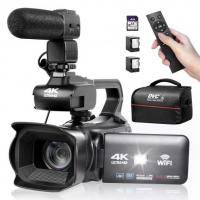
![4K Digital Camera for Photography & Video [Autofocus and Stabilisation] 48MP 16X Digital Zoom 3” 180° Flip Screen Vlog Camera with 32G SD Card, Flash](https://img.kentfaith.com/cache/catalog/products/us/GW41.0065/GW41.0065-1-200x200.jpg "4K Digital Camera for Photography & Video [Autofocus and Stabilisation] 48MP 16X Digital Zoom 3” 180° Flip Screen Vlog Camera with 32G SD Card, Flash")