What Is The Difference Between Binoculars And Telescope?
When exploring the vastness of the night sky or observing distant landscapes, people often turn to optical devices like binoculars and telescopes for magnification and clarity. Both instruments can bring distant objects closer to the human eye, but their purposes, designs, and ideal use cases set them apart. Understanding the fundamental differences between binoculars and telescopes can help hobbyists, skywatchers, and outdoor enthusiasts make informed decisions about which instrument best suits their needs.
Understanding Binoculars
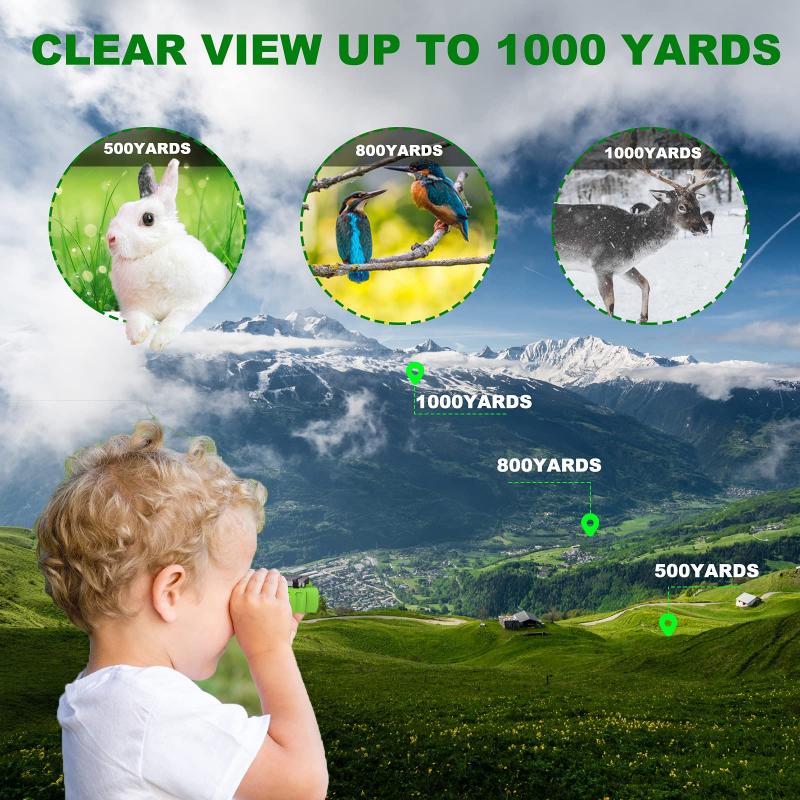
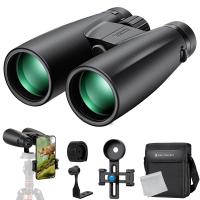
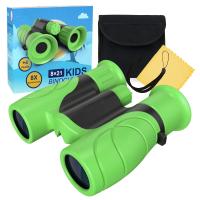
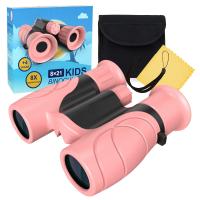
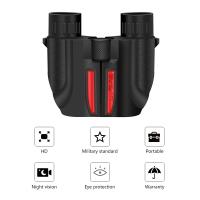
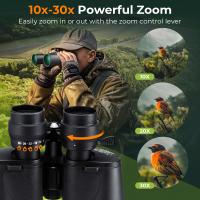
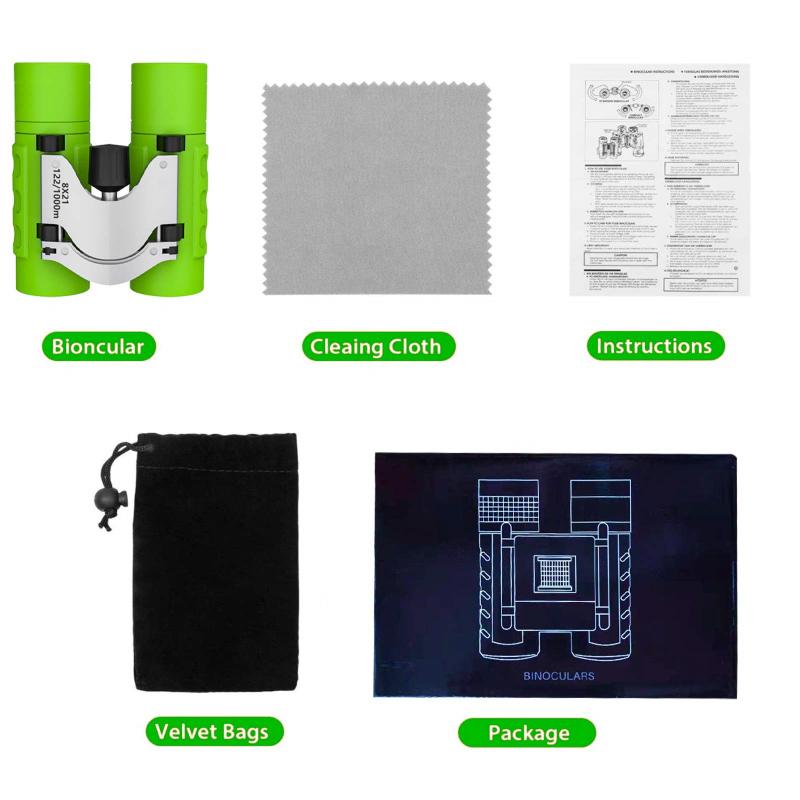
Binoculars are optical devices composed of two side-by-side telescopes that align to provide a magnified view with both eyes. By offering a stereoscopic view, binoculars create a sense of depth and clarity that is highly regarded for general observation.
Key Features of Binoculars:
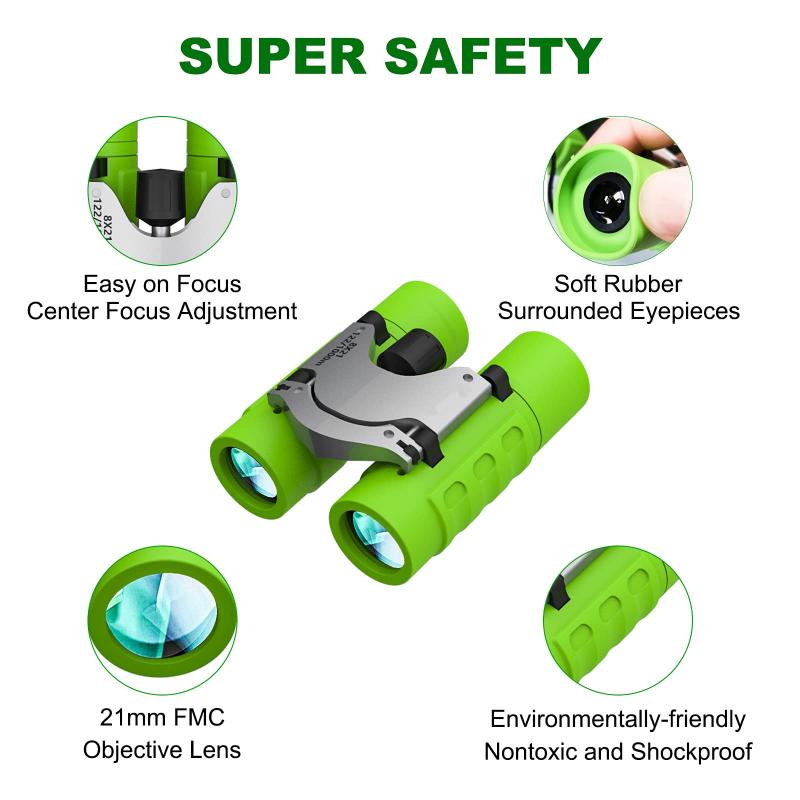
1. Design: Binoculars consist of two parallel barrels housing lenses and prisms, enabling users to see through both eyes.
2. Magnification and Field of View: Binoculars generally have moderate magnification compared to telescopes, making them ideal for observing large areas, such as landscapes or clusters of stars. Magnification values, such as 10x or 12x, indicate how many times closer an object will appear than with the naked eye.
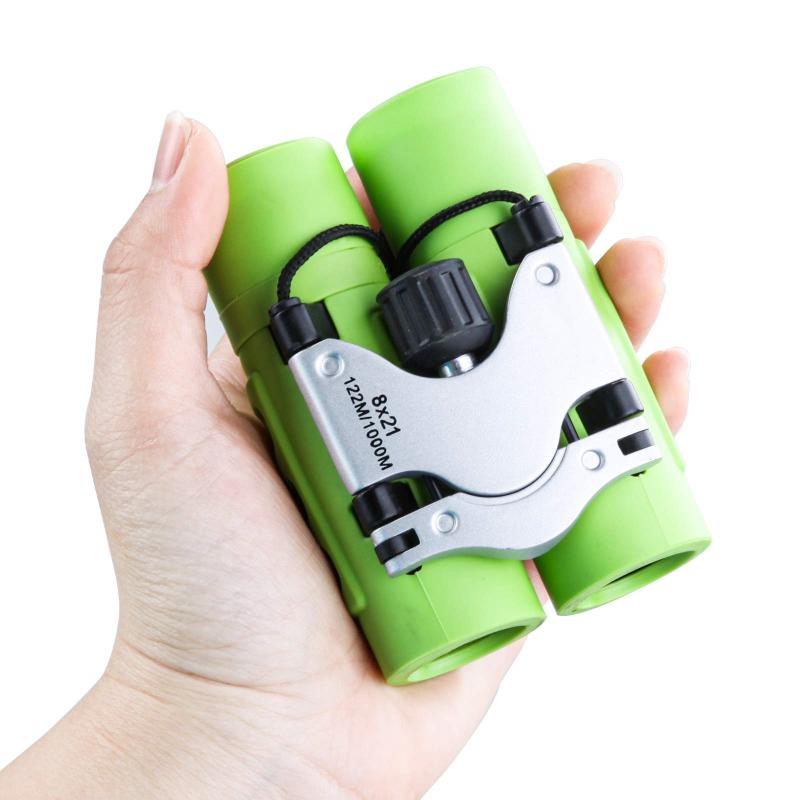
3. Portability: Binoculars are lightweight and compact, making them easy to carry for general outdoor activities such as hiking or birdwatching.
4. Ease of Use: For beginners, binoculars are less complex to operate, as they don’t require tripods or precise alignment. Simply adjust the focus, and you’re good to go.
5. Low-Light Capability: Binoculars often have wide apertures, allowing for decent performance in low-light situations. Astronomy binoculars, for instance, can reveal faint celestial objects.
Applications of Binoculars:
- Birdwatching and wildlife observation
- Outdoor sports and events
- Stargazing (lighter astronomical use)
- Navigation (marine or terrestrial)
Understanding Telescopes
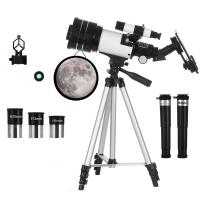
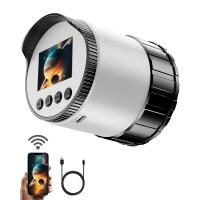
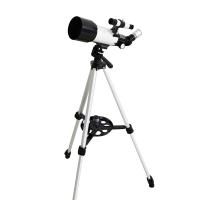
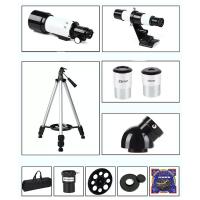
Telescopes are single-barreled optical devices designed primarily for viewing distant celestial objects, including stars, planets, and galaxies. Telescopes emphasize magnification and resolution to reveal details that are often impossible to discern with binoculars.
Key Features of Telescopes:
1. Design: Unlike binoculars, telescopes have a single optical pathway designed for one eye. They use mirrors or lenses to collect and focus light from distant objects.
2. Magnification and Resolution: Telescopes offer significantly higher magnification than binoculars, enabling close-up views of celestial bodies. With advanced adjustments, telescopes can display finer details like surface textures on planets or individual stars in a cluster.
3. Specialized Focus: Telescopes excel in isolating distant objects but have a narrower field of view compared to binoculars. They are ideal for observing single, prominent entities like the Moon or Mars.
4. Stability Requirements: Due to high magnification levels, telescopes typically require tripods, mounts, or specialized equipment to stabilize the view. Even the smallest movement of the telescope can dramatically disrupt the image.
5. Light-Collecting Power: Telescopes typically have larger apertures than binoculars, allowing them to collect more light and show distant objects more clearly—even in total darkness.
6. Accessories and Complexity: Telescopes often come with additional accessories, such as computerized mounts or eyepieces for enhanced configurations, making them more complex compared to binoculars.
Applications of Telescopes:
- Amateur and professional astronomy
- Viewing planets, stars, and galaxies
- Long-distance terrestrial observation (in niche cases)
- Scientific research and astrophotography
Key Differences Between Binoculars and Telescopes
Now that we’ve explored their features individually, let’s delve into the core differences that set binoculars and telescopes apart:
1. View Compatibility (Binocular Vision vs. Monocular Vision):
Binoculars are used with both eyes, offering a more natural and comfortable viewing experience with depth perception, while telescopes are intended for single-eye use, focusing primarily on magnification.
2. Field of View:
Binoculars offer a broader field of view, making them ideal for observing larger areas, such as star clusters, landscapes, or wildlife. Telescopes, on the other hand, specialize in narrower, focused views tailored for singular celestial objects.
3. Magnification:
While binoculars typically have magnifications up to 20x for general use, telescopes surpass these levels significantly, offering magnifications up to hundreds or even thousands of times closer.
4. Portability:
Binoculars are generally compact, easy to carry, and suitable for on-the-move outdoor observations, whereas telescopes are bulky and require stable setups, making them better suited for stationary observations or home use.
5. Use Cases:
Binoculars cater to diverse purposes, including stargazing, birdwatching, and sports events, due to their versatility. Telescopes are designed specifically for celestial studies, boasting advanced optical power but less adaptability.
6. Complexity:
Binoculars are user-friendly and straightforward, whereas telescopes often demand a steeper learning curve, particularly when dealing with mounts, tripods, or computerized settings.
7. Price Range:
Binoculars tend to be more affordable across the board, while telescopes range significantly in price depending on the optical system, aperture size, and additional features.
Choosing Between Binoculars and Telescopes
For potential buyers, selecting between binoculars and telescopes boils down to understanding your primary needs and intended use.
When Binoculars Are Better:
- You want a lightweight, portable option for general-purpose observations.
- You plan to view landscapes, wildlife, or broader clusters of stars.
- You're starting out with stargazing and don’t want to invest heavily in equipment.
- You require a device for on-the-go use without complex setups.
When Telescopes Are Better:
- Your focus is on astronomy and detailed observation of celestial objects.
- You’re interested in exploring planets, distant galaxies, and deep-sky phenomena.
- You’re okay with an immobile setup that requires a bit of assembly and configuration.
- You’re passionate about long-term exploration and possibly astrophotography.
Practical Advice for Beginners
For beginners keen on diving into stargazing, quality binoculars may serve as a great starting point. Not only are they affordable, but they also offer enough magnification to see prominent features in the night sky, including the Moon, constellations, and even the occasional glimpse of Jupiter or Saturn. Look for binoculars with specifications like 7x50 or 10x50; these numbers represent magnification and lens aperture. Wider apertures gather more light, improving the visibility of faint objects.
On the other hand, aspiring amateur astronomers might consider entry-level telescopes like refractors or Dobsonian reflectors. These telescopes offer higher magnification and are specifically designed to bring space closer to Earth. A good beginner telescope should have an aperture of at least 90mm (3.5 inches) to enable good light collection without being prohibitively expensive.
Final Thoughts
The choice between binoculars and telescopes ultimately depends on the activities you want to pursue and the level of detail you want to see. Binoculars are multitaskers that act as excellent all-purpose tools, perfect for beginners and those who treasure their portability and ease of use. Telescopes, on the other hand, are unmatched in astronomical detail and depth, making them ideal for those passionate about exploring the universe at a more advanced level.
Regardless of your choice, both instruments can enrich your viewing experiences, open up new worlds of exploration, and provide endless opportunities to marvel at the wonders of life on Earth and beyond. With a clear understanding of their differences and strengths, you’ll be equipped to make the most of your observation adventures.