Can I Watch Solar Eclipse With Mobile Camera?
How to Safely Observe a Solar Eclipse Using Your Mobile Camera
A solar eclipse is one of the most extraordinary celestial events that people eagerly look forward to. The moon passes between the sun and Earth, partially or fully obscuring the sun for a short period. This phenomenon evokes awe and curiosity, and many people want to capture it using their mobile cameras to preserve the memory. However, as fascinating as it is, solar eclipses come with risks, especially when attempting to observe or photograph them directly. In this article, we’ll dive into whether you can use your mobile camera to view and capture a solar eclipse, how to do so safely, and the precautions you should take.
Can You Watch a Solar Eclipse With a Mobile Camera?
Yes, you can capture or view a solar eclipse using your mobile camera. However, the method comes with limitations and risks, both for your eyes and your camera equipment. Direct observation of the sun—even during an eclipse—can cause permanent damage to your eyesight due to the intense ultraviolet (UV) and infrared (IR) radiation. Similarly, pointing your camera directly at the sun without proper protection can damage its sensor, as cameras are not equipped with UV and IR filters tailored for solar observation.
In other words, while it is technically possible to use your mobile camera to document the eclipse, critical safety measures should be taken to ensure the viewing process doesn’t harm your vision or ruin your device.
Why Is Direct Sunlight Dangerous?
Whether the sun is fully visible or partially covered during a solar eclipse, its rays emit intense radiation. When the moon’s shadow partially obscures the sun, the remaining exposed area can still damage your retina if you stare directly at it. This damage, known as solar retinopathy, can lead to blindness and is often irreversible.
Your mobile camera's lens acts as a magnifying glass and focuses light onto the sensor. Without protection, this could permanently harm the sensor within seconds. Therefore, extra caution is necessary for anyone attempting to use a smartphone camera to view or photograph the eclipse.
How to Safely Capture a Solar Eclipse With Your Mobile Camera
If you plan to observe or document a solar eclipse using your mobile camera, follow these guidelines to protect both your vision and your device.
1. Use Solar Filters
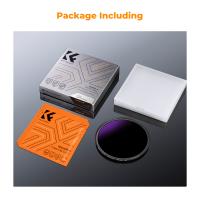
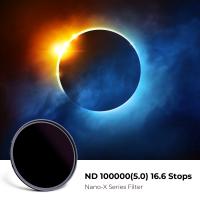
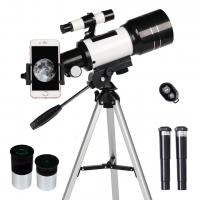
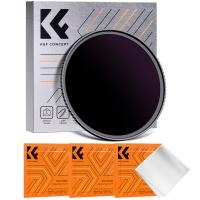
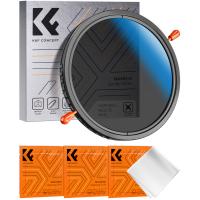
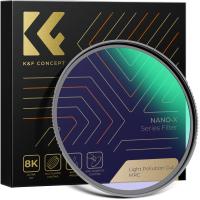
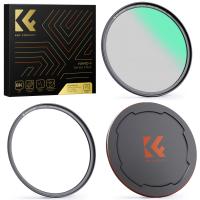
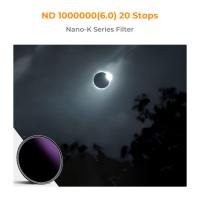
The safest and most reliable way to capture a solar eclipse is by using solar filters. These filters are specially designed to block harmful UV and IR rays while allowing safe amounts of visible light to pass through. You can attach solar filter sheets or eclipse-specific filter films to your mobile camera lens.
Alternatively, solar glasses, often referred to as eclipse glasses, can also be placed directly in front of your mobile camera lens to block the harmful radiation.
2. Avoid Direct Observation
Even if you're using your mobile camera, do not rely on the viewfinder to stare directly at the sun. Instead, use the screen of your phone to observe the eclipse as it’s captured. This eliminates the risk of inadvertently exposing your eyes to harmful rays.
3. Use a Tripod
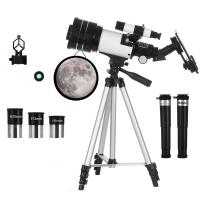
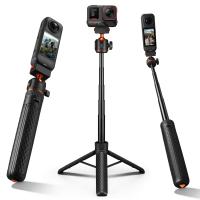
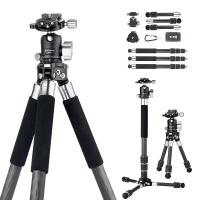
A tripod will stabilize your phone and align it accurately with the sun. This not only prevents shaky images but also ensures you don’t accidentally lift the camera and expose it to the unfiltered sun.
4. Specialized Eclipse Apps
Some mobile applications are designed to assist enthusiasts in observing and documenting celestial events like solar eclipses. These apps often include settings that adjust exposure levels and help protect the camera sensor.
5. Capture Indirect Visuals
If you’re unsure of the safety measures, choose an indirect form of eclipse viewing. Pinhole projection is a popular, safe method where an image of the eclipse is projected onto another surface rather than looking directly at the sun. You can also capture the eclipse’s projection using your mobile camera without pointing it directly at the sun.
Common Mistakes to Avoid
Even with precautions, there are a few mistakes people tend to make during solar eclipse observations. Let’s address them:
Mistake 1: Using Your Phone Without Protection
Many enthusiasts impulsively point their phones at the sun without using any solar filters. Although it seems harmless initially, prolonged exposure risks damaging the sensor and leaves your device unable to capture images properly.
Mistake 2: Watching the Eclipse via a Camera Viewfinder
Some DSLR cameras come with optical viewfinders that may seem convenient for viewing solar eclipses. However, this can amplify sunlight entering your eyes and increase your risk of retinal damage.
Fortunately, mobile cameras don't use optical viewfinders. This means your risk is reduced as long as you avoid staring directly at the sun through your phone’s screen for extended periods.
Mistake 3: Neglecting Proper Technique
Holding your phone in hand to capture the eclipse may produce subpar results and distort your images due to shakiness. Stabilize your phone with a tripod or rest it on a stable surface to improve the quality of your eclipse documentation.
Mistake 4: Ignoring Eclipse Timing
Solar eclipses are time-sensitive. Missing the peak moments because of disorganization or improperly set equipment can be frustrating. Plan and prepare in advance to ensure you don’t miss capturing the key moments.
How to Improve Your Eclipse Photography Skills
If you’re excited about documenting a solar eclipse and want your photos to stand out, here are advanced tips to enhance your experience:
1. Set the Right Camera Settings
- Lower the exposure value (EV) to accommodate the brightness of the sun.
- Use light-meters provided in some third-party mobile camera apps.
- Experiment with manual focus since automatic focus may struggle with the high contrast.
2. Capture the Environment
Don’t limit your shots to just the sun; consider capturing your surroundings during the eclipse. The eerie dimming light, changing shadows, and reactions of people all contribute to the ambiance and tell a fuller story.
3. Practice in Advance
Before the eclipse day, practice capturing bright light sources at different camera settings. Testing your equipment and filter will prepare you to adapt to real-time scenarios when the eclipse occurs.
Can You Rely Solely on Your Mobile Camera?
Mobile cameras have improved significantly over the years, and many smartphones now feature advanced sensors that allow users to capture stunning photos. However, the dynamic range required to photograph the sun during an eclipse pushes the limits of mobile cameras. While it is possible to use your phone, the results may not match the level of detail captured by professional-grade equipment like telescopes with solar filters or DSLRs equipped for astrophotography.
Still, mobile phones remain a convenient option for hobbyists and casual observers who want quick, accessible ways to preserve the memory safely.
Final Thoughts: Is It Worth It?
Solar eclipses are rare occurrences, and witnessing one will likely become a lasting memory. While mobile cameras make it easier to capture and share these moments, safety should not be overlooked. Properly using solar filters, avoiding direct exposure, and following photography best practices ensures a safe and satisfying experience.
Whether you’re a seasoned enthusiast or a casual observer looking to snap a quick photo, being prepared can make all the difference in how you experience the event. So go forth and document this remarkable celestial spectacle — just make sure you do it responsibly!




-200x200.jpg "Can You Point Phone Camera At Solar Eclipse?")