Where Can I Buy Solar Filter For Camera?
A Comprehensive Guide to Buying Solar Filters for Cameras
Capturing the sun in all its glory is a fascinating endeavor for photographers, whether you're documenting a solar eclipse, photographing sunspots, or simply exploring astrophotography. However, photographing the sun requires specialized equipment to protect both your camera and your eyes. A solar filter is an essential tool for this purpose, as it reduces the sun's intensity and prevents damage to your camera's sensor while allowing you to capture stunning solar images. If you're wondering where to buy a solar filter for your camera, this guide will walk you through the options, considerations, and practical tips to make the best purchase.
Why Do You Need a Solar Filter for Your Camera?
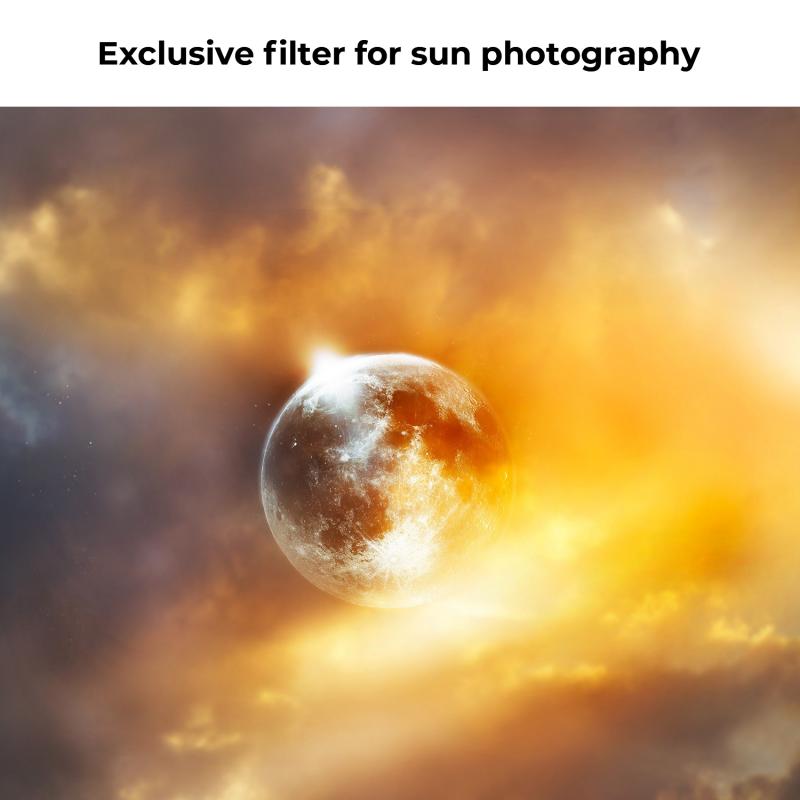
Before diving into where to buy a solar filter, it’s important to understand why it’s necessary. Solar filters are designed to block the majority of the sun’s light and harmful radiation, allowing you to safely photograph the sun without damaging your camera’s sensor or lens. Without a solar filter, the intense light and heat from the sun can permanently damage your equipment and even pose a risk to your eyesight.
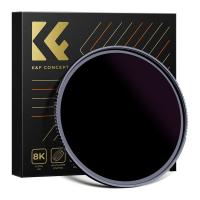
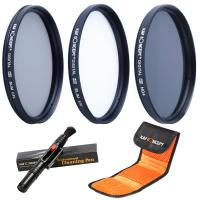
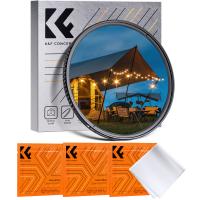
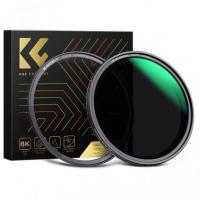
Solar filters are typically made from specialized materials such as black polymer or metal-coated glass, which reduce the sun’s brightness by up to 99.999%. They are available in various formats, including sheets, screw-on filters, and custom-made options for specific camera models.
Where Can You Buy Solar Filters for Cameras?
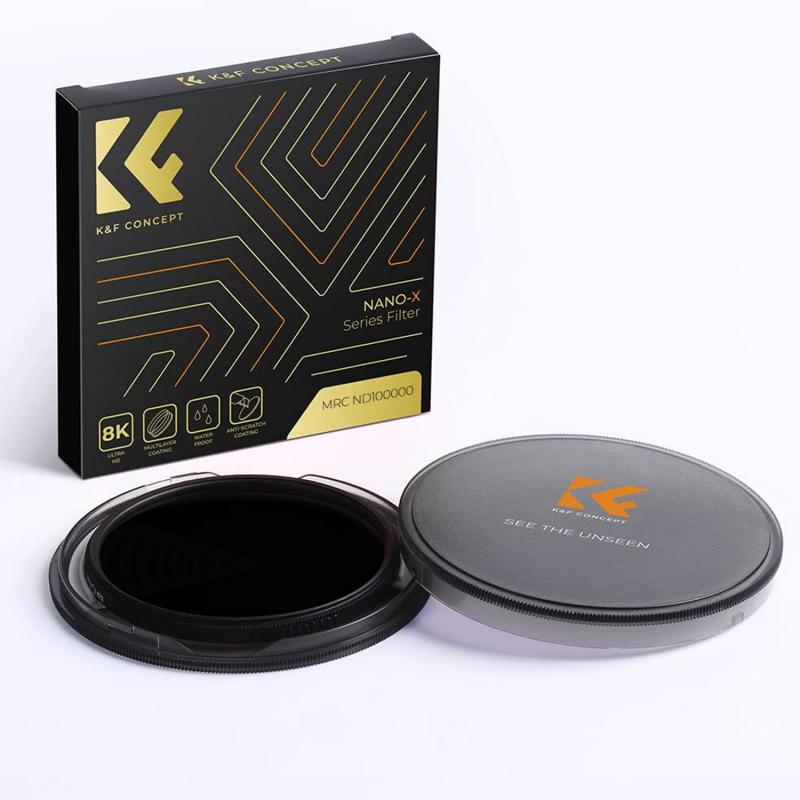
There are several reliable sources for purchasing solar filters, ranging from specialized astronomy retailers to general online marketplaces. Below are the most common options:
1. Specialized Astronomy Stores
Astronomy stores are one of the best places to buy solar filters because they cater specifically to astrophotography and solar observation needs. These stores often carry high-quality filters designed for cameras, telescopes, and binoculars. Some popular astronomy retailers include:
- Thousand Oaks Optical: Known for their high-quality solar filters, including screw-on filters and sheets for custom applications.
- Baader Planetarium: Offers premium solar film and filters that are widely used by astrophotographers.
- Orion Telescopes & Binoculars: Provides a range of solar filters for cameras and telescopes.
These stores often have knowledgeable staff who can help you choose the right filter for your camera model and intended use.
2. Online Marketplaces
Online marketplaces like Amazon, eBay, and Etsy offer a wide selection of solar filters, ranging from budget-friendly options to high-end products. When shopping on these platforms, pay close attention to customer reviews, ratings, and product descriptions to ensure you’re purchasing a genuine and safe solar filter. Some tips for buying on online marketplaces include:
- Look for filters from reputable brands like Thousand Oaks Optical or Baader Planetarium.
- Verify the filter’s specifications, such as its ability to block harmful UV and infrared radiation.
- Check for compatibility with your camera model.
3. Photography Equipment Stores
Many photography equipment stores carry solar filters, especially during periods of high demand, such as before a solar eclipse. Stores like B&H Photo Video and Adorama often stock solar filters and other astrophotography accessories. These retailers are a great option if you want to consult with experts who understand both photography and solar observation.
4. Local Astronomy Clubs and Events
If you’re part of an astronomy club or attend astronomy-related events, you may find vendors selling solar filters. These events are also a great opportunity to learn more about solar photography and get recommendations from experienced astrophotographers.
5. DIY Solar Filter Kits
For those who enjoy crafting their own equipment, DIY solar filter kits are available from various retailers. These kits typically include solar film and instructions for creating a custom filter that fits your camera lens. While DIY filters can be cost-effective, it’s crucial to ensure that the materials meet safety standards for solar observation.
Factors to Consider When Buying a Solar Filter
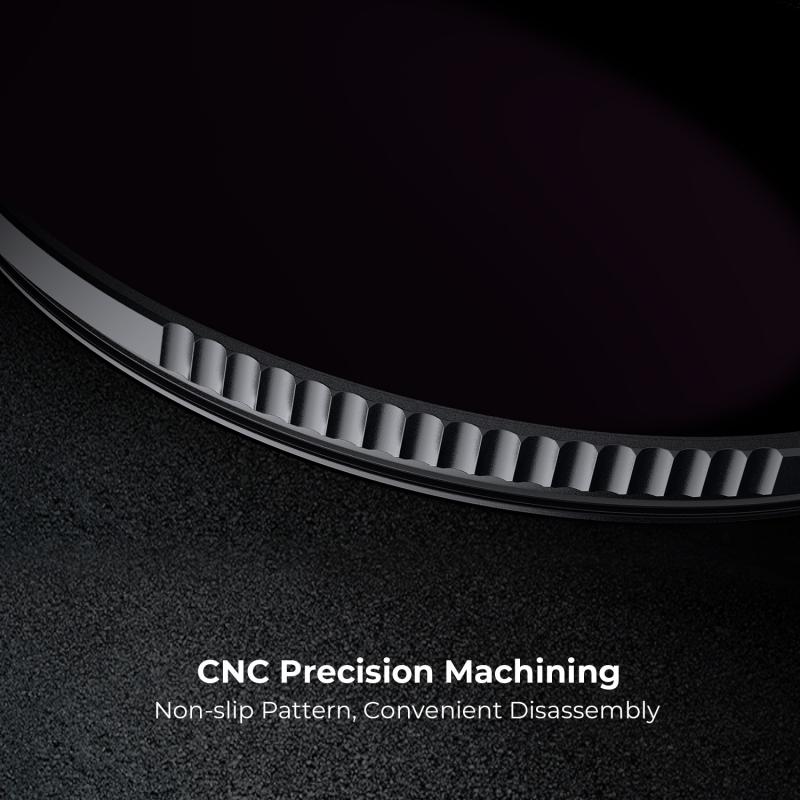
Not all solar filters are created equal, and choosing the right one depends on several factors. Here are some key considerations to keep in mind:
1. Compatibility
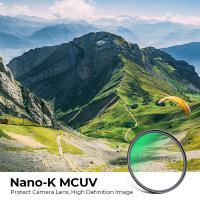
Ensure the solar filter is compatible with your camera and lens. Some filters are designed to screw onto specific lens sizes, while others are universal and can be attached using an adapter or custom mount.
2. Material
Solar filters are made from different materials, each with its own advantages:
- Black Polymer: Durable and affordable, black polymer filters are popular for both photography and visual observation.
- Metal-Coated Glass: Offers superior optical quality and durability but tends to be more expensive.
- Solar Film: Lightweight and versatile, solar film is often used in DIY filters.
3. Safety Standards
Always choose a solar filter that meets international safety standards for solar observation, such as ISO 12312-2. This ensures the filter effectively blocks harmful UV and infrared radiation.
4. Price
Solar filters vary widely in price, depending on their material, size, and brand. While it’s tempting to opt for the cheapest option, investing in a high-quality filter is essential for both safety and image quality.
5. Purpose
Consider your specific needs when choosing a solar filter. If you’re photographing a solar eclipse, you may need a filter with a specific density to capture the event’s different phases. For general solar photography, a standard filter will suffice.
Tips for Using a Solar Filter
Once you’ve purchased a solar filter, it’s important to use it correctly to achieve the best results and ensure safety. Here are some tips for using a solar filter with your camera:
1. Attach the Filter Securely
Make sure the solar filter is securely attached to your camera lens to prevent light leaks. If you’re using a DIY filter, double-check that it fits snugly and covers the entire lens.
2. Use a Tripod
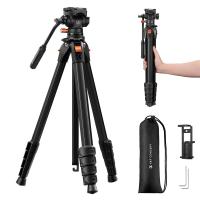
Solar photography often requires long exposure times, so using a tripod will help stabilize your camera and prevent blurry images.
3. Adjust Camera Settings
Experiment with your camera settings to achieve the best results. Start with a low ISO, a small aperture, and a fast shutter speed, then adjust as needed.
4. Avoid Direct Eye Contact
Never look directly at the sun through your camera’s viewfinder, even with a solar filter attached. Use the camera’s live view mode or an external monitor to compose your shot.
5. Test Before the Event
If you’re photographing a solar eclipse or another rare event, test your equipment and settings beforehand to ensure everything works as expected.
Buying a solar filter for your camera is an essential step in safely capturing stunning images of the sun. Whether you choose to purchase from a specialized astronomy store, an online marketplace, or a photography equipment retailer, make sure to prioritize quality and safety. By considering factors like compatibility, material, and safety standards, you can find the perfect solar filter for your needs.
With the right solar filter and proper techniques, you’ll be well-equipped to explore the fascinating world of solar photography. Whether you’re documenting a solar eclipse or capturing the sun’s surface details, your efforts will result in breathtaking images that showcase the beauty of our closest star.