How To Watch Movies Outdoor Projector?
What you’ll need for your outdoor theater
Building your own outdoor movie theater is easier than it sounds and can be scaled to suit your budget, from a simple projector/sheet combo to a full-fledged theater, with a big outdoor screen and add-on speakers.
Here’s what you’ll need for your outdoor theater, along with some tips on how to make everything work together.
- a projector
- a projector screen (or not)
- a media player
- a better speaker
- some helpful accessories
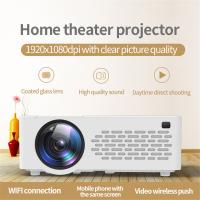
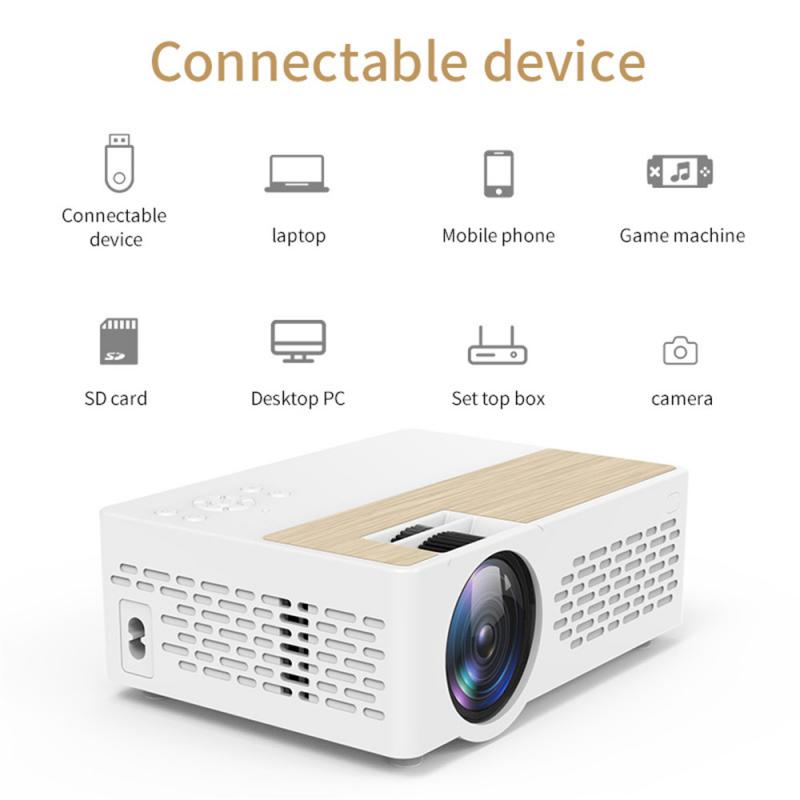
Modern home-theater projectors offer excellent picture quality, and a brighter image than you’d expect — not bright enough to compete with the sun during the day or even at dusk, but ample for a movie night under the stars.
Less expensive projectors on the market that will do for the occasional outdoor movie night, but understand that they may not be as bright or they may just have worse image quality than our picks — so they aren’t going to look as good when showing movies on a large screen.
Wait until it’s totally dark
No home theater projector is bright enough to compete with the sun; even at dusk, the image will look washed out. so you’ll want to wait until it’s totally dark to start your movie.
- i do outdoor movies several times per year. i am using a 2000 lumen projector, and it does a good job. but the catch is... it has to be dark. dark. really dark. not dim. not dusk. dark.
- any unwanted light makes the image look poor, and it's a short trip from poor to unwatchable.
- that's true inside too, it's just the nature of projectors.
- get the most brightness you can afford. expect not to see anything until it gets dark out.
- wait for full darkness for the best picture experience.
When you watch a projected movie indoors, it's generally (and ideally) in a room that's perfectly dark and controlled. this allows for the type of viewing experience you'd expect in a theater environment; however, it's never perfectly dark outside, even after sunset.
Your out-of-the-house projector will be competing with ambient light from passing headlights, house lights, street lamps, your fire pit, your barbecue grill, the moon, and even the stars on a clear night. you'll need to select a projector and screen capable of offsetting the interference caused by these light sources.
Projector brightness
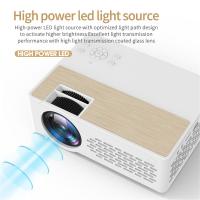
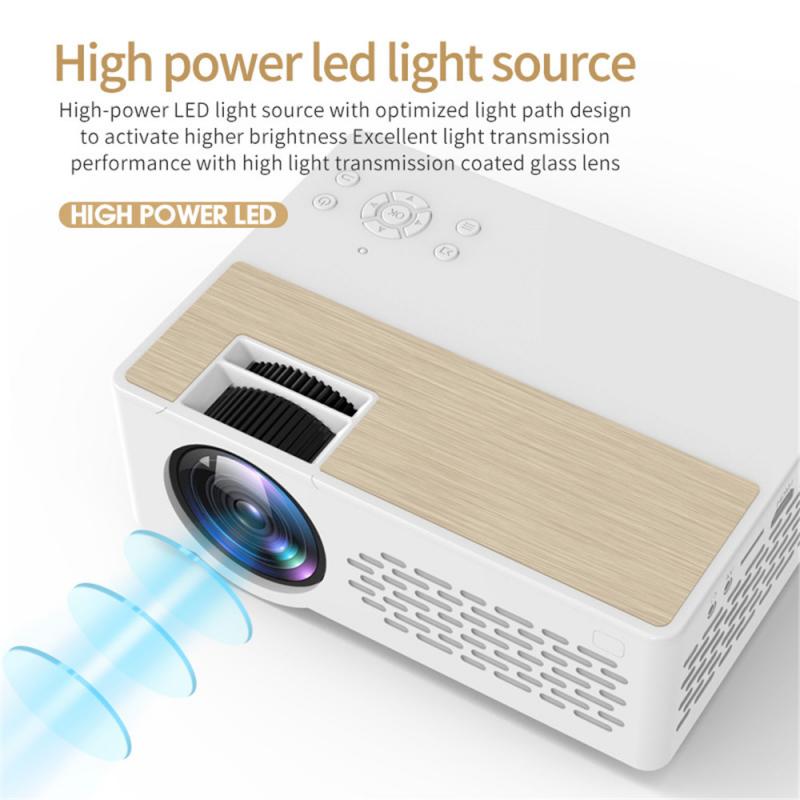
When it comes to a backyard projector, it’s all about the lumens.
You want to choose an exterior projector that is bright enough to project a strong, clear image that will look just as good outdoors as it would indoors.
- the larger your screen, the more lumen power you'll need to have at your disposal.
- if you're working with a relatively small screen that measures 100 inch diagonally, you'll be fine sticking to video projectors that output at least 1600-2000 lumens for night time watching.
- however, if you're dealing with a jumbo 200 inch projector screen option instead, you'll need between 5400 and 7200 lumens to deliver a quality, theater-grade viewing experience at night.
- the earlier you start your movie, the more sun light you'll need to contend with and the more lumens you'll need to overcome that light.
- 100 in
- 3000-4000
- 2500-3000
- 2000-2500
- 1600-2000
- 120 in
- 4200-5200
- 3100-3500
- 2600-3100
- 2200-2600
- 150 in
- 6700-7700
- 4500-5200
- 3700-4200
- 3000-3500
- 200 in
- 10800-12000
- 7200-8500
- 6700-7200
- 5400-6000
*daytime projecting is not recommended without talking to a projection expert
Outdoor projector and screen combo
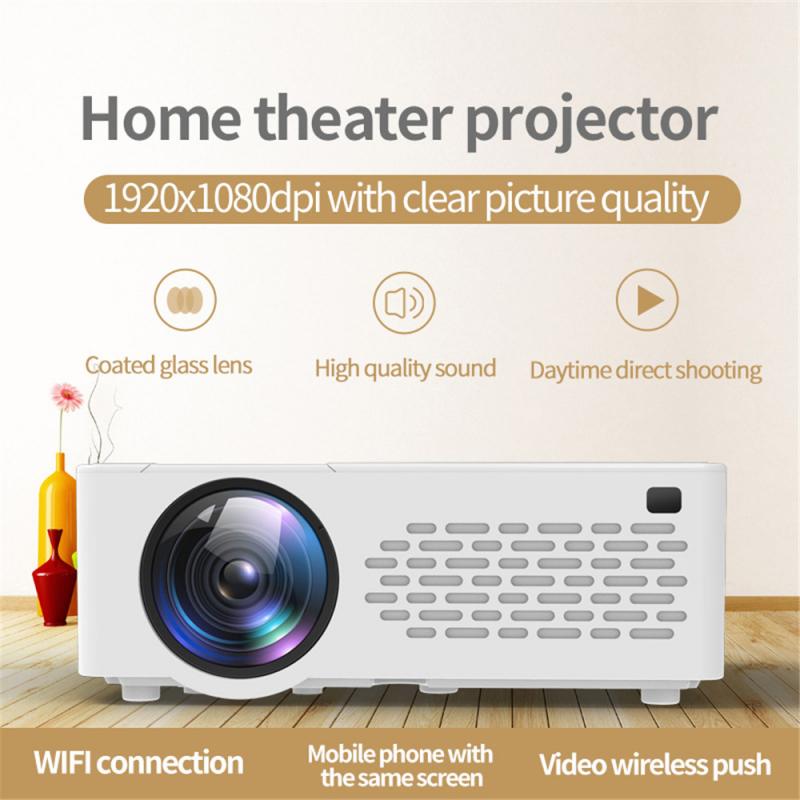
When it comes to visuals for movie watching outdoors you can have a huge backyard cinema screen but if it’s not paired with the right projector, you’re going to have a subpar movie watching experience.
When pairing an outdoor projector and screen, it’s all about the system foot-lamberts. the system foot-lamberts is the way to measure if your backyard projector and screen are working together as a projection system to provide enough brightness to give you an optimal viewing experience.
- when it comes to watching movies outside it’s much more difficult to control the light levels.
- you’ll need to deal with light coming from the moon, stars, streetlights, neighbors lights and general light pollution.
- for an outdoor home cinema build you’ll likely need to have at least 40ftl for spaces with moderate levels and of ambient light and 60ftl for environments with high levels of ambient light.
- if you want to start your outdoor movies at dusk you’ll need at least 60ftl.
- for daytime viewing you’ll need to have even more luminance.
- if you don’t have enough foot lamberts, your projected image will look dull and washed out with poor contrast.
Choosing an outdoor projector screen
The simplest way to watch an outdoor movie is to just shine the projected image on a wall of your house, but we don’t recommend this approach. there’s a reason why movie screens are so smooth. you’ll be able to see the texture and surface of the “screen” material no matter how bright the projector is.
The film’s colors will also shift with those of the wall. this option is certainly simple (and free), but you can do better.
- the first half of a backyard projection system is the outdoor projector screen.
- these outside screens come in all different shapes and sizes.
- some can be hung up, some fold up, some come with stands, and some are even inflatable.
- there are a few features and attributes that will help you pick the best outdoor projector screen for your backyard theater setup.
When you buy an outdoor projector screen there are a few qualities you need to consider that you wouldn’t with an indoor display.
Stability and tensioning
- make sure when you get your outdoor projector screen setup that it stays up.
- wind can quickly ruin an evening's events, which makes stability paramount.
- exterior cinema screens are made to be both large and lightweight.
- because of this, they can easily act like a sail on a boat catching the wind, making them easy to blow over.
- the larger the screen, the more surface area for the wind to catch, so the more likely it is to fall over.
- especially for large outdoor movie screens, you’ll want to make sure you have pegs, stakes, and ropes to anchor the screen to the ground.
- consider adding extra weight and positioning the screen strategically away from the wind, if possible.
Getting a tensioned projector screen is especially important for movie screens outside. if you don’t use a tensioned projection surface you’ll be projecting on a surface that isn’t smooth, you’ll see every wrinkle and fold line.
On top of that, if you don’t get a tensioned outdoor projector screen you’ll be watching movies with tremendous annoyance as every little gust of wind will cause the surface to ripple, taking you out of the immersive film watching experience.
- i went with a cloth screen and simple metal frame to hold it up.
- it will blow over in the wind so sandbags were a necessity.
Screen size
When it comes to projector screen size for an open air cinema, no one has ever said, “man, i wish i bought a smaller screen.” we always recommend getting the biggest movie screen your budget and space limitations would allow for.
A 20 foot inflatable screen would be awesome but it isn’t ideal for small outdoor spaces. not to mention you’d need a significantly bright projector to pair with it.
- measure your backyard and figure out what the maximum size screen you can fit would be.
- you’ll also want to measure the approximate location of the viewer.
- the way to measure this is that for every 12 inches of screen width you want to be sitting 10 inches from the screen.
- by figuring out where you’ll be sitting and the maximum space your screen can fit you’ll be able to calculate the recommended projector screen size for outdoor viewing.
And that 14 ft screen, that is pretty damn big. it will take a bright projector and a dark night to fill that thing. depending on the size of your seating area you may be able to get away with a smaller screen, which will also make the image brighter.
- honestly, i would go smaller.
- something like 100 inches.
- that’s still pretty big 120 is huge.
Types of outdoor projector screens
When it comes to open air projection screens, you’ve got a few options: retractable, foldable, tripods, inflatable and screen paint. each kind of screen is great for different types of outside situations.
- Retractable outdoor screens
- if you’re the type of homeowner who loves family movie nights outside on a deck or patio, then a permanently installed retractable projector screen is the way to go.
- with either an exterior manual or a motorized projection screen, you can roll it down to watch a film and roll it up when you’re done.
- these roll up display surfaces are made to stay outside in all types of weather, thanks to their weather and insect resistant housing.
- Inflatable screens
- an inflatable projector screen is one that can be blown up to a significantly large size.
- inflatable outdoor projector screens offer immense size, support, and convenience for your outdoor cinema needs.
- for a reasonable price, you can get a large blow up projector screen, ready to project on in only a few minutes.
- these air filled screens offer great picture quality and are made of a material that could withstand the outdoor elements.
- Foldable screens
- foldable outdoor projector screens are the perfect option for smaller temporary backyard home theater setups.
- simply, unfold the frame; attach the surface material and legs, then project.
- you can set one up anywhere in your backyard.
- Tripod screens
- similarly to foldable cinema screens, outdoor tripod screens are a great low budget choice for the occasional family movie night.
- just set up the tripod and pull down the screen.
- backyard tripod screens are also excellent for watching movies in the great outdoors as they’re very portable and easy to take with you camping.
- Projector screen paint
- last and certainly not least, is to use projector screen paint to make a permanent display surface.
- while you might think you can just paint a wall white and call it a day, exterior projector screen paint is made to create an ideal surface to project on.
Media player options
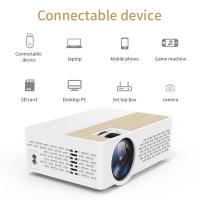
Some projectors have built-in streaming platforms so you don’t need to connect an external source, but not every projector is equipped with these features.
- a streaming stick connects directly to the hdmi input on the projector, draws power from the projector’s usb connection, and uses your home’s wi-fi to stream movies from the ol’ interwebs.
- just make sure your projector has a powered usb port that supplies at least 1 amp of output.
- older projectors might have the usb port but may not be able to provide enough power.
- in that case, you’ll need to supply external power to the streaming stick.
- if the projector has usb-c or usb-a inputs, you may be able to attach a thumb drive to play videos without needing a network connection at all.
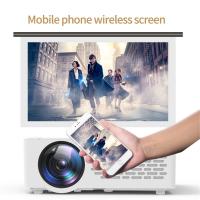
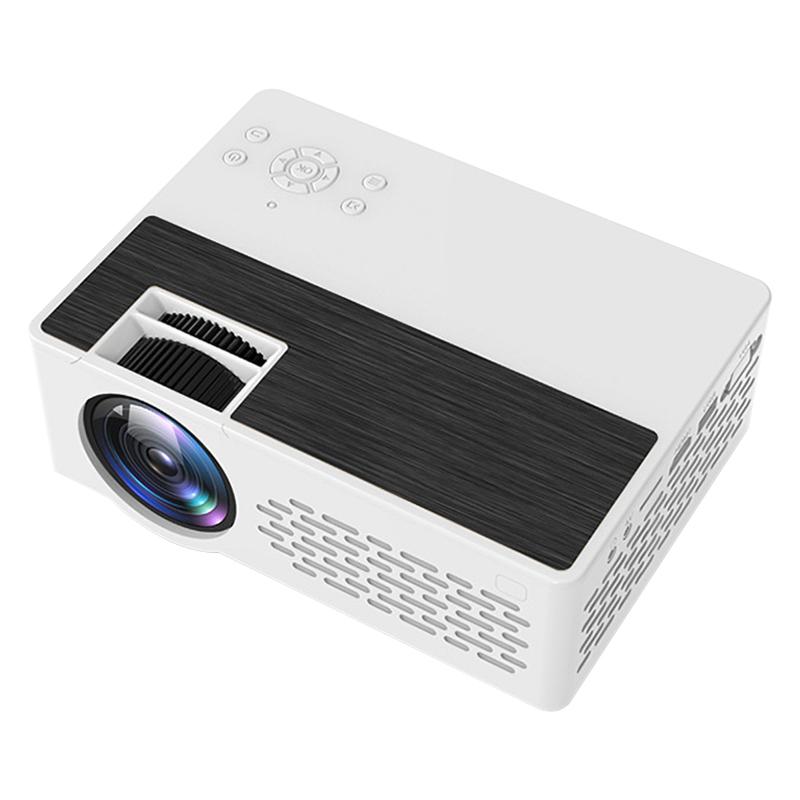
Because of the projector’s built-in wifi, you can easily sign into your netflix, youtube, or prime video accounts and stream directly from the projector.
Audio and speakers
You probably want to be able to hear your movie, too. technically, you can use the projector’s built-in speaker.
If we’re talking about a few people seated closer to the projector, that internal speaker might be fine. but if you’ve got a big yard or any kind of background noise (quiet, kids!), it could be hard to hear. besides, if you’ve got a big screen, wouldn’t it be great to have big sound to go with it?
- don't rely on the projector speakers for the audio.
- i have a large speaker i can use for the audio as long as it has aux out.
- just a side note: you can buy a bluetooth adapter that plugs into the auxiliary port to make the speaker wireless.
- wired connection is always best, but the option does exist.
- use an external speaker.
However, this approach may create a noticeable lip-sync issue, wherein you see something happen on screen and hear it through the speaker an instant later. this is a common bluetooth issue, but for an outdoor movie night it’s probably not a dealbreaker.
Setting up a backyard movie night
Our goal was to keep the setup process easy and painless, because we knew anything complicated would discourage us from actually using it.
- first, you want to set-up your screen. that way you’ll have your projection surface ready when it comes time to adjust the picture on the projector.
- next, find a good spot for your projector.
- projector we bought automatically adjusts focus and keystone as soon as it turns on.
- you can reset or fine-tune these later if needed, but we found this feature to be very helpful!
- it works better when it’s dark enough outside, so you may need to be patient.
- you’ll need to connect them to the projector from the settings menu.
- because of the projector’s built-in wifi, you can easily sign into your netflix, youtube, or prime video accounts and stream directly from the projector.
Screen assembly takes less than 5 minutes. it’s kind of like putting up a tent – only much easier! the frame is made from pvc pipes that pop together with the provided connectors. slide each section through the fabric sleeves on the edges of the screen, connect the corners, and set it onto the metal stands. that’s it.
Pack it up and keep equipment inside
Being able to break down quickly was another big must for us. especially since we’re usually tired by the end of the evening (can’t start the movie until it’s dark, so movie nights often end pretty late!). but we also don’t want to leave stuff out overnight to get wet or dewy.
- the projector is easy to put away – just turn off and unplug!
- same with the speakers.
- the screen takes a little more time to disassemble and arrange back into the carrying pouch.
- bring your projector for outside inside when when not in use
- while there are tvs made for the outdoors, there aren't any projectors designed just to be used outside in all weather.
- you won't want to keep your projector outside, due to weather, excessive heat or cold, and other elements can affect the picture quality or even break your projector.