Which Speed Cameras Flash?
Understanding Speed Cameras: Which Ones Flash and Why?
Speed cameras are an integral part of modern traffic management systems, designed to enforce speed limits and improve road safety. However, many drivers are often left wondering which speed cameras flash and why. This article aims to demystify the functionality of speed cameras, explain the circumstances under which they flash, and provide practical advice for drivers to avoid penalties while staying safe on the road.
What Are Speed Cameras?
Speed cameras are automated devices used to monitor and record the speed of vehicles. They are strategically placed in areas prone to speeding or accidents, such as highways, school zones, and intersections. These cameras work by detecting vehicles that exceed the posted speed limit and capturing evidence, typically in the form of photographs or video footage, to issue fines or penalties.
There are several types of speed cameras, each with its own technology and operational mechanism. Understanding these types is key to knowing whether or not they flash.
Types of Speed Cameras
1. Fixed Speed Cameras
Fixed speed cameras are permanently installed at specific locations, such as busy intersections or accident-prone areas. These cameras use radar or laser technology to measure the speed of passing vehicles.
- Do They Flash?
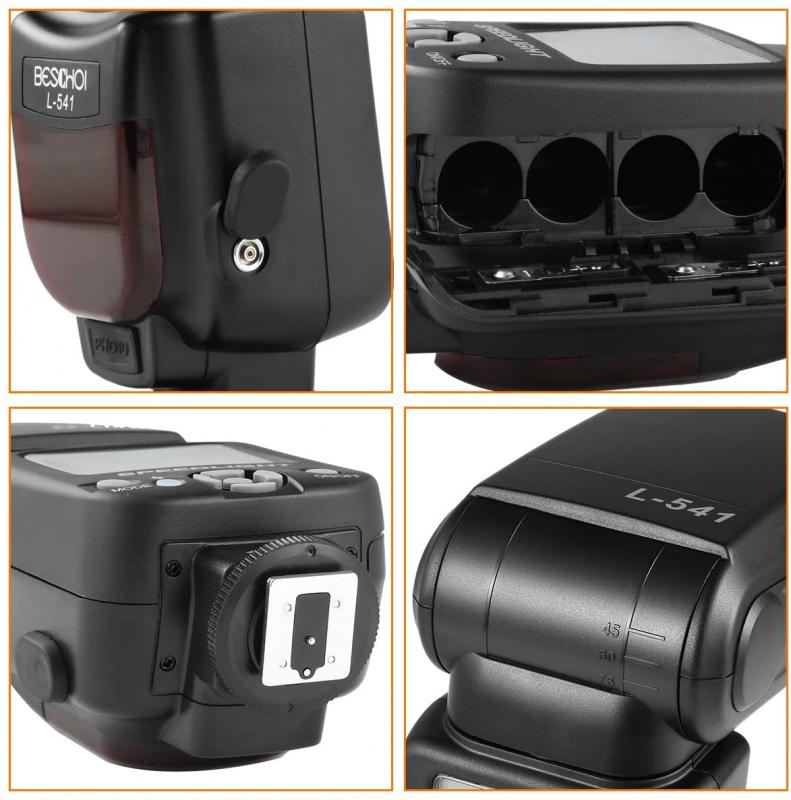
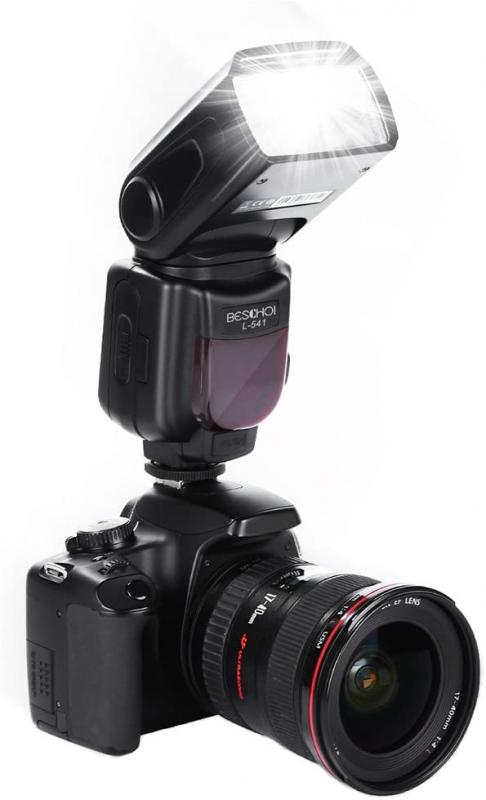
Most fixed speed cameras flash when they capture an image of a speeding vehicle. The flash is used to illuminate the license plate and ensure the photograph is clear, especially in low-light conditions or at night. However, some modern fixed cameras use infrared technology, which does not require a visible flash.
2. Mobile Speed Cameras
Mobile speed cameras are operated by law enforcement officers and can be set up temporarily in various locations. These cameras are often mounted on tripods or inside police vehicles.
- Do They Flash?
Mobile speed cameras typically do not flash. They use advanced radar or laser systems to measure speed and capture images discreetly. Drivers may not even realize they’ve been caught until they receive a ticket in the mail.
3. Average Speed Cameras
Average speed cameras work by monitoring a vehicle’s speed over a stretch of road rather than at a single point. They calculate the average speed between two or more cameras.
- Do They Flash?
These cameras do not flash because they do not capture individual images of speeding vehicles. Instead, they rely on time-stamped data to calculate speed.
4. Red-Light Speed Cameras
Red-light speed cameras are installed at intersections to catch drivers who run red lights or speed through intersections.
- Do They Flash?
These cameras often flash when capturing images of violations. The flash ensures the license plate and vehicle are clearly visible in the photograph.
5. Infrared Speed Cameras
Infrared speed cameras are a newer technology that uses infrared light to capture images. These cameras are designed to work in all lighting conditions without the need for a visible flash.
- Do They Flash?
No, infrared cameras do not emit a visible flash. They are less noticeable to drivers and are often used in areas where discretion is preferred.
Why Do Some Speed Cameras Flash?
The primary reason some speed cameras flash is to ensure the captured image is clear and usable as evidence. The flash illuminates the vehicle and its license plate, especially in poor lighting conditions such as nighttime or bad weather. However, advancements in camera technology have led to the development of systems that do not require a visible flash, making them less conspicuous.
How Can Drivers Identify Flashing Speed Cameras?
While it’s not always possible to identify whether a speed camera will flash, there are a few clues that can help:
- Visible Flash Units: Some cameras have a visible flash unit attached, which is often noticeable during the day.
- Location: Cameras in poorly lit areas or tunnels are more likely to flash to compensate for low light.
- Type of Camera: Fixed and red-light cameras are more likely to flash, while mobile and average speed cameras typically do not.
Practical Tips for Drivers
Understanding how speed cameras work is important, but the best way to avoid penalties is to drive responsibly and adhere to speed limits. Here are some practical tips:
1. Stay Alert to Speed Limits
Always pay attention to posted speed limits, especially in areas where speed cameras are likely to be installed, such as school zones, construction sites, and highways.
2. Use GPS or Navigation Systems
Many modern GPS devices and navigation apps provide alerts for speed camera locations. These tools can help you stay aware and adjust your speed accordingly.
3. Invest in a Speed Camera Detector
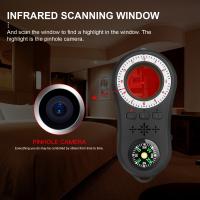
Speed camera detectors are legal in some regions and can alert you to the presence of cameras. However, be sure to check local laws before using one.
4. Practice Defensive Driving
Defensive driving not only helps you avoid speeding but also reduces the risk of accidents. Maintain a safe following distance, anticipate potential hazards, and avoid aggressive driving behaviors.
5. Understand Local Laws
Speed camera regulations vary by country and region. Familiarize yourself with the rules in your area to avoid surprises.
Common Misconceptions About Speed Cameras
There are several myths and misconceptions surrounding speed cameras. Let’s address a few:
- “If a camera doesn’t flash, I won’t get caught.”
This is false. Many cameras, such as mobile and infrared cameras, do not flash but are still capable of capturing violations.
- “Speed cameras only work during the day.”
Modern speed cameras are equipped to operate 24/7, regardless of lighting conditions.
- “I can avoid detection by speeding past the camera quickly.”
Speed cameras are designed to detect vehicles traveling above the speed limit, regardless of how fast they pass the camera.
The Future of Speed Cameras
As technology continues to evolve, speed cameras are becoming more sophisticated. Infrared and average speed cameras are increasingly being used to improve accuracy and reduce the need for visible flashes. Additionally, integration with artificial intelligence (AI) is enabling cameras to detect other violations, such as seatbelt usage and mobile phone distractions.
For drivers, this means that adhering to traffic laws is more important than ever. The days of relying on visible flashes to determine whether you’ve been caught are quickly fading, as newer systems operate discreetly and efficiently.
Speed cameras play a vital role in promoting road safety and reducing accidents caused by speeding. While some cameras flash to capture clear images, others operate discreetly without a visible flash. Understanding the different types of speed cameras and their functionality can help drivers stay informed and avoid penalties.
Ultimately, the best way to navigate speed cameras is to drive responsibly and adhere to speed limits. By doing so, you not only avoid fines but also contribute to safer roads for everyone. Remember, speed limits are in place for a reason—to protect lives. So, the next time you’re on the road, keep your speed in check and drive with care.