Which Light Is Good For Study?
Choosing the Best Light for Studying: A Comprehensive Guide
Lighting plays a crucial role in creating an effective study environment. The right lighting can enhance focus, reduce eye strain, and improve overall productivity. However, with so many options available, it can be challenging to determine which type of light is best suited for studying. In this article, we’ll explore the factors that influence lighting choices, the types of lights available, and practical tips for optimizing your study space.
Why Lighting Matters for Studying
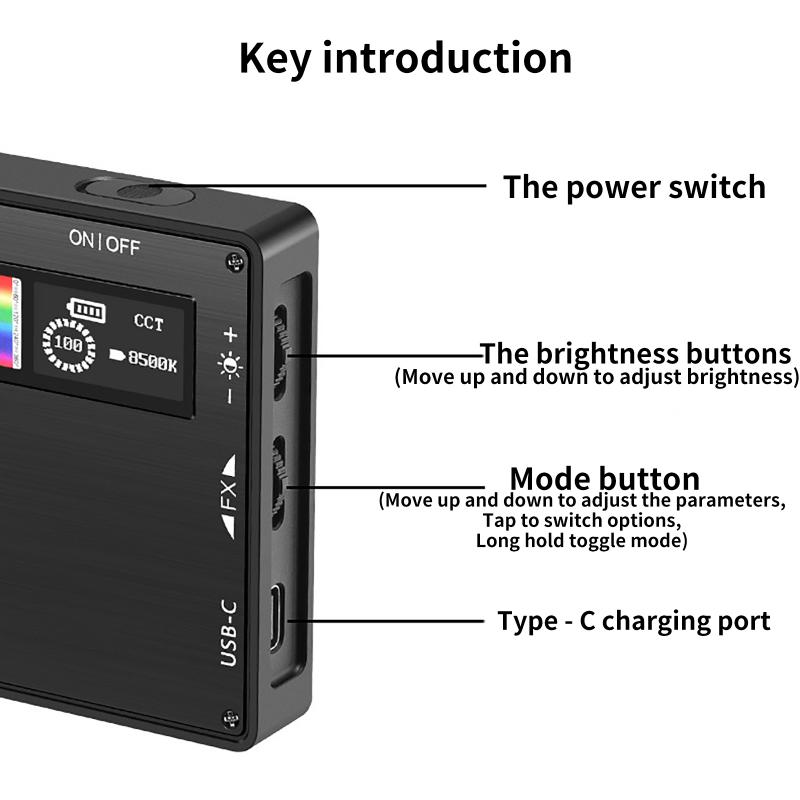
Before diving into specific lighting options, it’s important to understand why lighting is so critical for studying. Poor lighting can lead to eye fatigue, headaches, and difficulty concentrating. On the other hand, proper lighting can:
1. Improve Visual Comfort: Adequate lighting ensures that your eyes don’t have to strain to read or focus on tasks.
2. Enhance Mood and Energy: Bright, well-balanced lighting can boost alertness and motivation, while dim or harsh lighting can make you feel tired or irritable.
3. Increase Productivity: A well-lit study space helps you stay focused and reduces distractions caused by discomfort.
Factors to Consider When Choosing Study Lighting
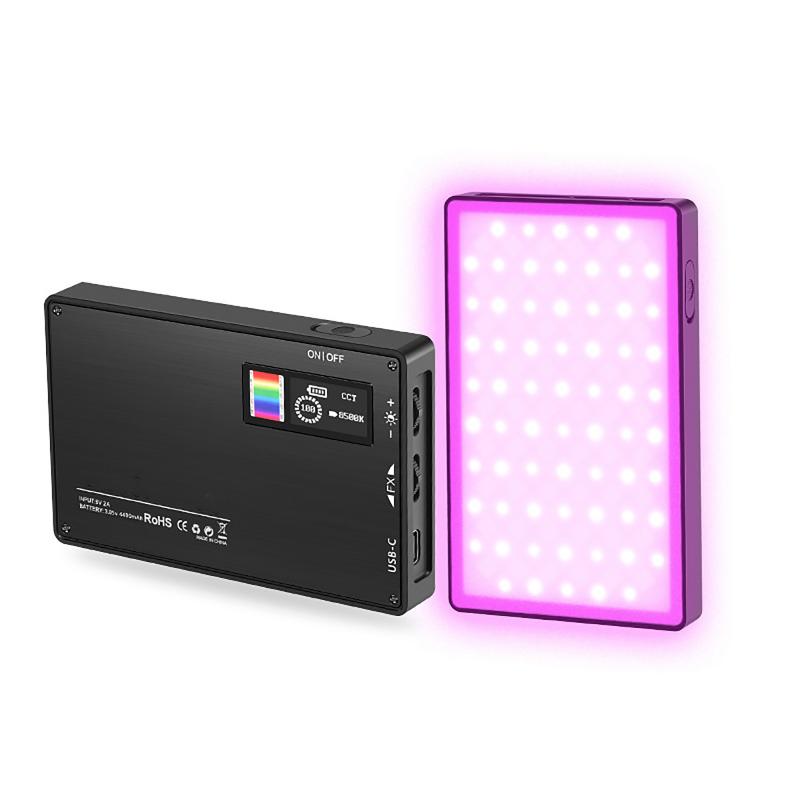
Several factors influence the effectiveness of lighting for studying. Here are the key considerations:
1. Brightness (Lumens): The brightness of a light source is measured in lumens. For studying, a light with 450–800 lumens is generally recommended. Too dim or too bright lighting can strain your eyes, so aim for a balanced level of brightness.
2. Color Temperature (Kelvin): Color temperature refers to the warmth or coolness of light, measured in Kelvin (K). For studying, a color temperature between 4000K and 6500K is ideal. Cooler light (closer to 6500K) mimics daylight and promotes alertness, while warmer light (closer to 4000K) is more relaxing and suitable for evening study sessions.
3. Light Distribution: Uneven lighting can create shadows and glare, making it harder to focus. Ensure that your study area is evenly lit, with no dark spots or overly bright areas.
4. Type of Light Source: Different types of light sources, such as LED, fluorescent, and incandescent bulbs, have varying effects on your study environment. LED lights are generally the most energy-efficient and versatile option.
5. Natural Light: Whenever possible, incorporate natural light into your study space. Sunlight is the most balanced and beneficial light source, but it should be supplemented with artificial lighting during cloudy days or nighttime.
Types of Lights for Studying
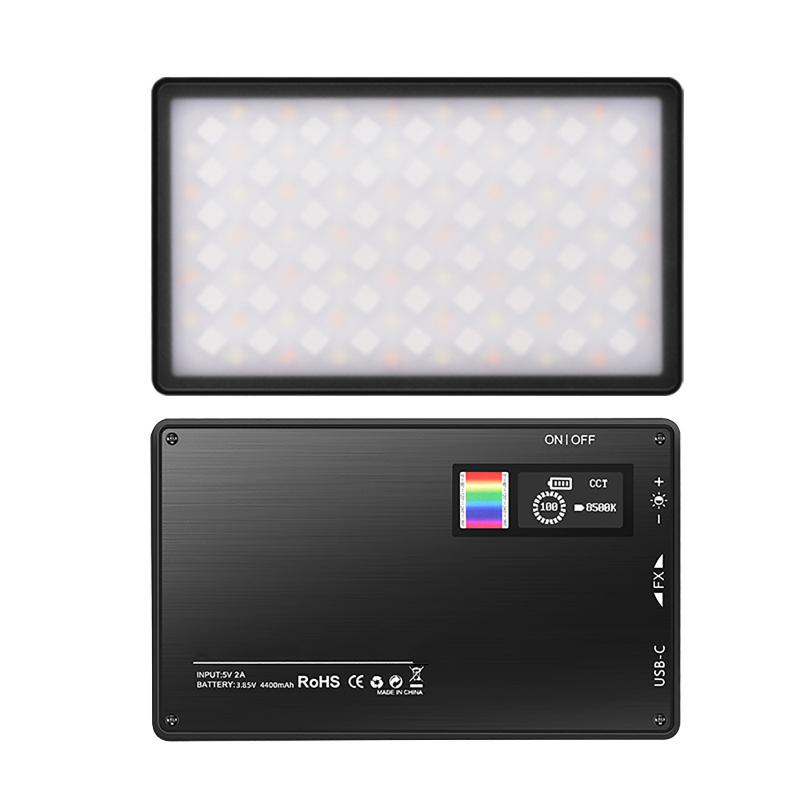
Now that we’ve covered the key factors, let’s explore the different types of lights that are suitable for studying:
1. LED Lights
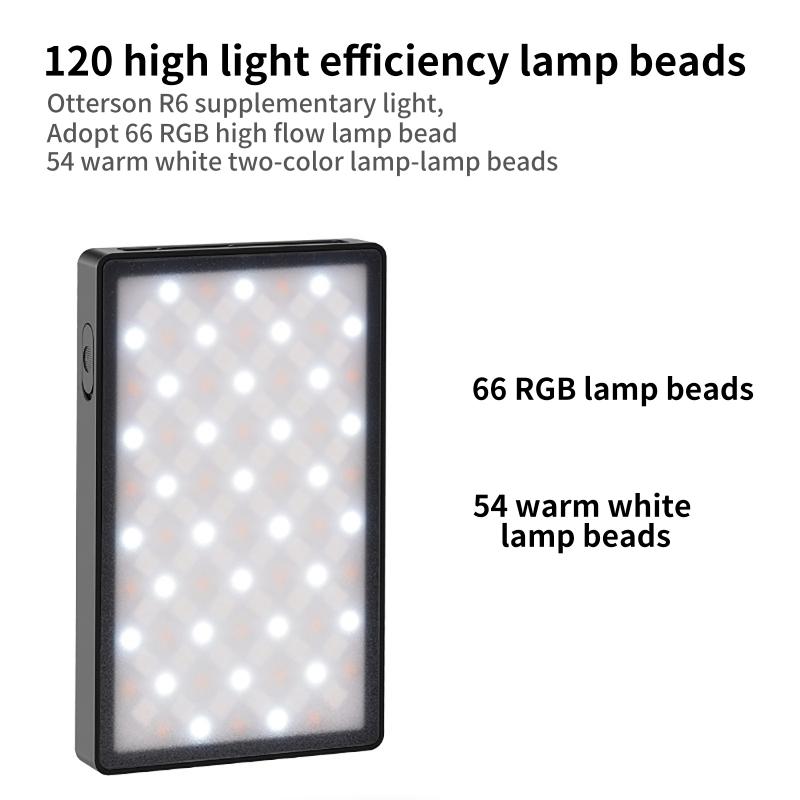
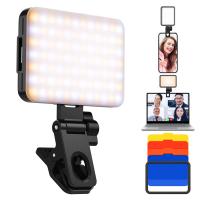
LED lights are the most popular choice for study lighting due to their energy efficiency, long lifespan, and versatility. They come in various brightness levels and color temperatures, allowing you to customize your study environment. Additionally, LED lights produce minimal heat, making them comfortable for extended use.
Best for: Students who need adjustable lighting and want to save on energy costs.
2. Desk Lamps
Desk lamps are a practical option for focused lighting. They allow you to direct light exactly where you need it, such as on your books or laptop. Many modern desk lamps come with adjustable brightness and color temperature settings, making them ideal for studying.
Best for: Individuals who need task-specific lighting and prefer a compact, portable solution.
3. Overhead Lighting
Overhead lighting provides general illumination for the entire room. While it’s not as focused as desk lamps, it ensures that your study space is evenly lit. Pairing overhead lighting with a desk lamp can create a balanced lighting setup.
Best for: Those who study in shared spaces or need overall room lighting.
4. Floor Lamps
Floor lamps are a versatile option for adding ambient lighting to your study area. They can be positioned to reduce shadows and glare, and many models come with adjustable heads for targeted lighting.
Best for: Students who want a combination of ambient and task lighting.
5. Smart Lights
Smart lights allow you to control brightness and color temperature through a smartphone app or voice commands. They often come with preset modes for activities like reading, studying, or relaxing. Smart lights are a great option for tech-savvy individuals who want customizable lighting.
Best for: Tech enthusiasts who value convenience and personalization.
Tips for Optimizing Your Study Lighting
Once you’ve chosen the right type of light, follow these tips to maximize its effectiveness:
1. Position Your Light Correctly: Place your light source so that it illuminates your study materials without casting shadows. For right-handed individuals, the light should come from the left side, and vice versa for left-handed individuals.
2. Avoid Glare: Glare can cause eye strain and reduce focus. Use lampshades or diffusers to soften the light and position your screen or books to minimize reflections.
3. Combine Natural and Artificial Light: If possible, set up your study space near a window to take advantage of natural light. Supplement it with artificial lighting during darker hours.
4. Use Adjustable Lighting: Choose lights with adjustable brightness and color temperature settings to adapt to different times of day and tasks.
5. Maintain Your Lighting Setup: Regularly clean your light fixtures and replace bulbs as needed to ensure consistent illumination.
6. Consider Blue Light Filters: If you use screens for studying, invest in blue light filters or glasses to reduce eye strain during prolonged sessions.
Common Mistakes to Avoid
While setting up your study lighting, be mindful of these common mistakes:
1. Using Harsh Lighting: Bright, harsh lighting can cause discomfort and make it harder to concentrate. Opt for diffused or soft lighting instead.
2. Ignoring Shadows: Shadows can make it difficult to read or write. Ensure that your light source is positioned to minimize shadows.
3. Relying Solely on Overhead Lighting: Overhead lighting alone may not provide sufficient illumination for focused tasks. Pair it with task lighting for better results.
4. Neglecting Color Temperature: Using lights with inappropriate color temperatures can affect your mood and productivity. Choose a temperature that suits your study needs.
The right lighting can make a significant difference in your study experience. By considering factors like brightness, color temperature, and light distribution, you can create a comfortable and productive study environment. Whether you opt for LED lights, desk lamps, or smart lighting, the key is to tailor your setup to your specific needs and preferences.
Remember, lighting is just one aspect of an effective study space. Combine it with ergonomic furniture, minimal distractions, and a well-organized layout to maximize your learning potential. With the right lighting and environment, you’ll be well-equipped to tackle your academic goals and achieve success.