Can You Plug A Microphone Into Your Phone?
Phone microphone connection options
- there are definitely microphones for phones. they just connect with a cable or bluetooth (much less reliable though).
- yes depending on the phone will depend on how - lots of external mics out there just need to ensure it doesn’t need to draw power.
- you’ll need a trs to trrs 3.5mm adaptor. and you just plug it into your phone’s socket headset jack and it’ll automatically switch.
- but you possibly will need a usb-c/lighting to 3.5mm jack adaptor if there’s no 3.5mm socket.
- ensure that your phone cover has a hole for the tiny microphone hole in the phone and that they both line up. also make sure that your hand position does not cover the microphone aperture.
Using an external microphone with a smartphone
using an external microphone is the single best way to improve your smartphone audio. however, there are a few things you need to consider when using a mic with any mobile device.
to help you get recording faster, we've put together this helpful guide that covers the different connection types most phones have, what mics are most suitable, and some other factors you may need to think about.
If your smartphone has a usb-c or lightning port
with most smartphone manufacturers moving away from utilising 3.5mm audio connections, the easiest way to connect a microphone to your device is via its usb-c or lightning port.
there are two main ways to do this: either use a microphone that has a usb-c or lightning output or, if you have a microphone with a 3.5mm output, use an interface or adaptor to connect it to your device.
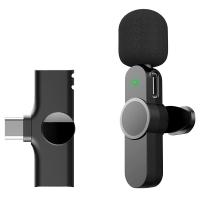
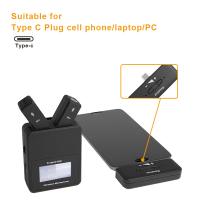
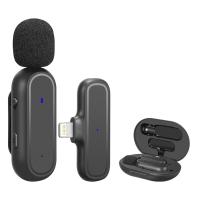
using a microphone that has a usb-c or lightning output is very simple. all you have to do is plug it into your smartphone and it will be immediately recognised as the default audio device, bypassing the internal microphone and instantly giving you much better audio quality. that's it – you're ready to record.
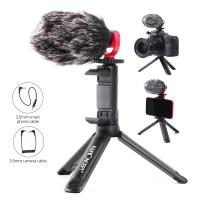
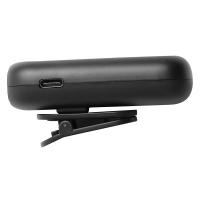
- these super-compact microphones plug into any smartphone with an included cable or directly via usb-c or lightning port.
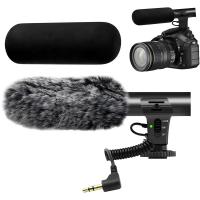
- they are directional microphones, meaning they focus on what they are pointed at while minimising surrounding sounds, and they mount directly onto the phone with no additional equipment required.
- they also allow you to monitor your audio via the 3.5mm output on the back of the microphone, which is a simple but hugely important feature.
Connecting a 3.5mm microphone to a usb-c or lightning smartphone
- røde sc4 in conjunction with the 3.5mm to usb-c/lightning adaptor that came with your phone to connect your 3.5mm mic.
- however, you will not be able to monitor your audio with headphones or control the level of your mic like you can with the ai-micro.
Monitoring your audio
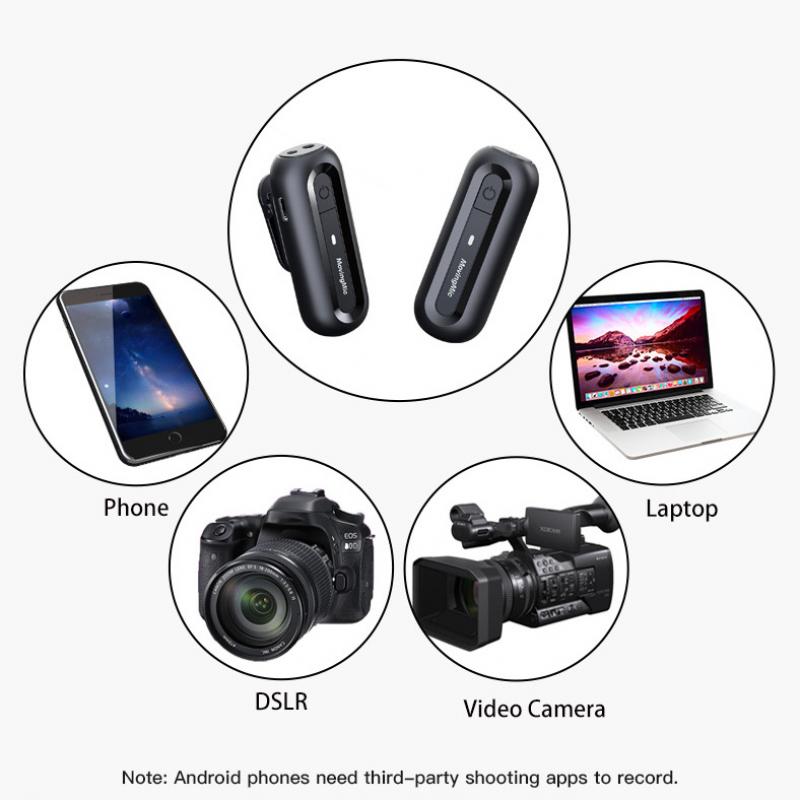
a crucial factor to consider is the importance of monitoring your audio while recording. the last thing you want is to do is make a lengthy video or podcast, only to realise afterward that your levels were too high or too low, or that your microphone wasn't recording at all.
"monitoring" your microphone's audio - i.e. listening to it in real-time through headphones – allows you to make adjustments before recording if required.
seeing as you are using your phone's headphone port (the usb-c or lightning port) to connect your microphone, there is nowhere to plug your headphones into, unless your microphone has a headphone output.
Connecting two microphones to a smartphone
the simple notion of recording with more than one microphone to a smartphone has been historically fraught with complex connectivity issues and the need for multiple adaptors, cables and splitters to even get started.
with its dual microphone inputs, universal usb output for connecting to smartphones with either usb-c or lightning ports, and a headphone output for audio monitoring, it's the easiest way to record great-sounding two-person podcasts, interviews and video calls anywhere you like.
TRS vs TRRS
smartphones typically need a trrs cable (with three rings around the plug) before we move ahead, it's important to understand what trs and trrs mean in relation to 3.5mm connectors and how they are different.
- the terms trs and trrs refer to the type of connector a microphone or audio cable has.
- trs stands for tip-ring-sleeve and trrs stands for tip-ring-ring-sleeve, referring to the segments of the cable plug.
- they are easy to differentiate by the black bands on the plug: two bands = trs, three bands = trrs.
If your smartphone has a 3.5mm jack
if you have a smartphone with a 3.5mm headphone jack (and no usb-c or lightning port), you can use any microphone with a 3.5mm output.
as most smartphones have a trrs jack, you will need to make sure your microphone either has a trrs connector or you are using a trs to trrs cable or adaptor as mentioned above.
- any microphone with a 3.5mm output and a trrs cable will work
- in addition to capturing high-quality audio, it also features a headphone output so you can monitor your recording.
Microphone type and phone connection
- usb microphone
- if it’s a usb microphone, then you simply need an adapter to connect usb to your phone’s data port and most phones and apps will recognize the mic.
- professional xlr microphone
- if it’s a professional xlr microphone, then you’ll need a preamp with a compatible connection for your phone.
- 3.5 mm audio plug
- if it’s a 3.5 mm audio plug, you’ll need a trrs headset splitter that will give you a separate 3.5 mm input.
- other kind of mobile phone
- the easiest way to do that would probably be with an appropriate trrs cable connected to the microphone or a preamp/interface.
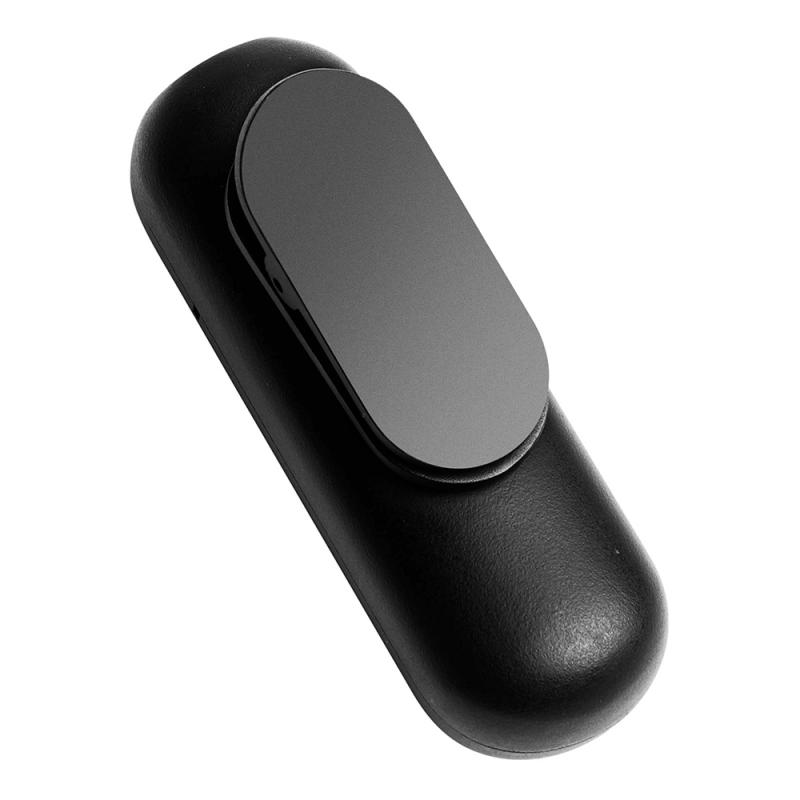
Android external microphone steps
- confirm whether your android phone supports an external microphone
- choose a suitable external microphone
- prepare the required accessories and adapters
- connect the external microphone correctly
- download and configure a recording/filming app that supports an external microphone
- test the microphone connection
- formal recording or filming
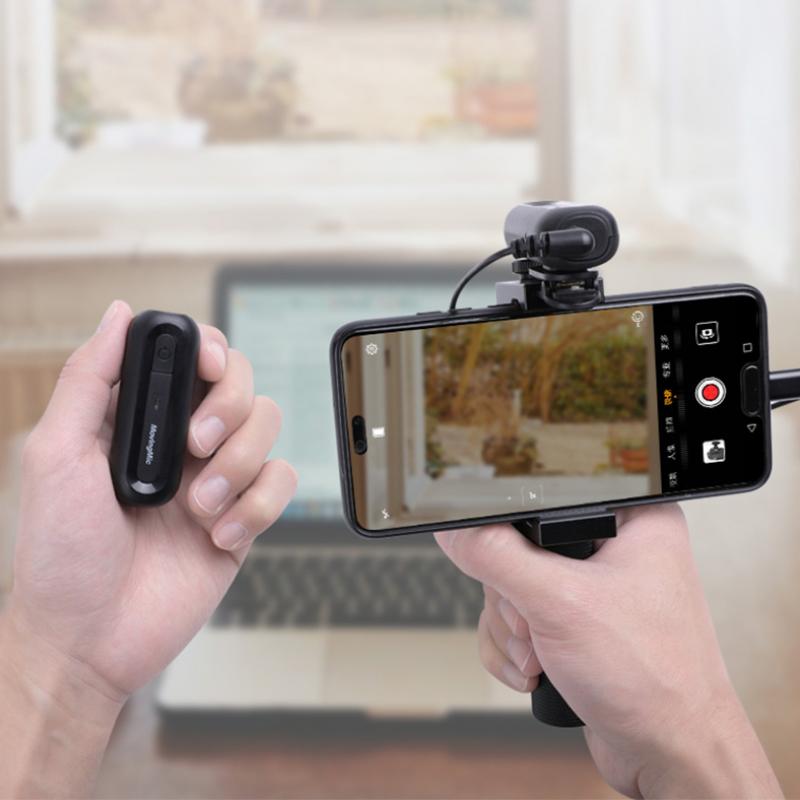
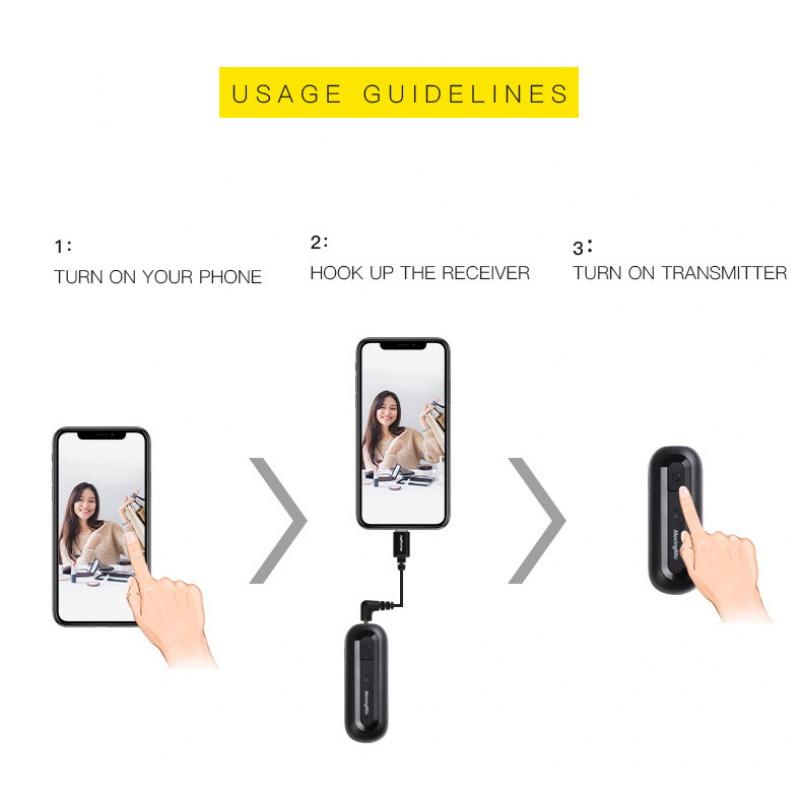
Android microphone compatibility
- 3.5mm microphone
- plug in directly (requires support trrs) or add trs to trrs adapter
- usb-c to 3.5mm adapter
- lightning microphone
- ❌ not compatible
- ❌ not compatible
- usb-c microphone
- ❌ not compatible
- direct connection (phone supports otg function)
- usb-a microphone
- ❌ not compatible
- usb-c to usb-a otg adapter (phone supports otg function)
- xlr microphone
- sound card device or xlr to 3.5mm audio cable
- xlr to 3.5mm audio cable + usb-c to 3.5mm adapter
- wireless microphone
- bluetooth: direct pairing
- 2.4ghz: receiver connected to 3.5mm audio hole
- bluetooth: direct pairing
- 2.4ghz: usb-c receiver
iPhone and Android external microphone
if you're looking to improve the sound quality of your videos or recordings, you may be wondering how to connect anexternal microphone to your iphone or android.
while the microphone on your phone is goodfor general use, an external microphone canprovide a significant boost in sound quality.
with a smartphone and a microphone that plugs into phone as an external recording device, you can record videos.