Where To Find Coins With A Metal Detector?
Places That Influence What You Find
Where you search with your metal detector greatly influences what you find. Different places have different kinds of treasures. Therefore, selecting the best places to use your metal detector depends on what you’re looking to find. Seeking gold coins or historical artifacts? Old homesteads and public lands could be your best bet. Want to find jewelry or unique valuables? Beaches and public city parks could be ideal.
Metal detecting is a popular activity due to its simplicity and the excitement of discovering something valuable. You might find old coins, an expensive gold ring, or even artifacts from many years ago. It’s a treasure hunt in your own backyard, local park, or favorite beach.
- Beaches are jackpots for metal detecting. With the constant flow of people, they are a favorite place for finding lost jewelry, coins, and occasionally, historical artifacts washed ashore.
- Public parks and even your backyard can be rich with valuables. Over the years, these places accumulate a variety of lost items, from lost jewelry and silver coins to relics of the past.
- Areas like campgrounds and soccer or football fields often have interesting finds. With the high volume of people who visit these locations every day, you are sure to find lost jewelry and precious metals.
- Although many people thinkhistorical sites and state parks are excellent places to metal detect, it is considered an illegal activity through the antiquities act and thearchaeological resources protection act (ARPA).
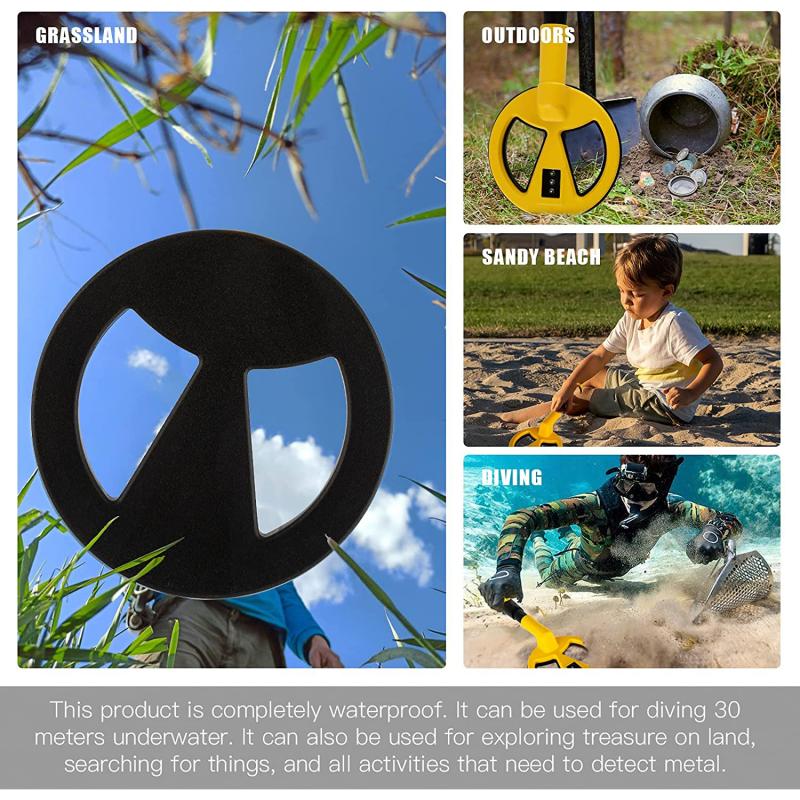
Beaches, Parks, Backyards, Campgrounds, And Fields
- Beaches are jackpots for metal detecting. With the constant flow of people, they are a favorite place for finding lost jewelry, coins, and occasionally, historical artifacts washed ashore.
- Low tide is often the best time for a beach hunt because it exposes areas where items are more likely to be found.
- Remember to take note of any regulations that are specific to the beach.
- Public parks and even your backyard can be rich with valuables. Over the years, these places accumulate a variety of lost items, from lost jewelry and silver coins to relics of the past.
- Searching around picnic areas, playgrounds, and walking trails is great for beginners to practice and hone their skills.
- Always make sure you have permission and follow regulations, especially when digging in public spaces.
- Take care to leave the area you dig in the same or better condition than you found it.
- Remove all trash you find and properly cover every small hole you dig.
- Areas like campgrounds and soccer or football fields often have interesting finds.
- With the high volume of people who visit these locations every day, you are sure to find lost jewelry and precious metals.
- However, be sure to detect these areas during slower, less busy times to avoid disrupting activities and to gain more access to potential hotspots.
- Never cause damage to playing fields that could ruin the sport for others.
Old Properties And Farm Sites
- In Canada, I look at old maps. Old properties. I look at documents and try to plan a route where events took place once upon a time.
- Places were people would have rummaged through their pockets to buy some ice cream a hundred years ago.
- I live in a rural area and there were many farmsteads near me that have been torn down in the mid 1900’s.
- Most farms in the late 1800’s and early 1900’s were very small one family farms [ 20 to 40 acres] that could be works with horses or mules.
- I use a website called Historic Aerials to find those old farm sites.
- You won’t find tons of coins but you will find some and lots of relics.
- One farmer can own thousands of acres now and can be good resource for many permissions.
- I hunt when crops are out and I remove all the junk I find return the favor to the farmer.
As someone who lives in Indiana aswell, I'd say the best thing to do is check Historic Aerials and set it back to the latest date. Look around for an old house/town and if its still there when you set it back to modern times check Zillow for the date it was built. This method works for me!
Older Residences, City Parks, And Private Property
- Don't think it's your detector rather the locations your hunting.
- Talk to your friends in town in the older sections and do some door knocking if you can as yards offer the best chances for older coins.
- My best luck comes from older city parks and private property.
- Also, any unpaved parking lots that have some age to them should help produce silver.
- I've found all of my silver coins at older residences that date pre-60's.
- X2 on rather-be-hunting I've found most of my silver around pre 60s homes there wasn't much money around back in the early 1900s and late 1800s unless u were rich lol
- I hit old houses due to there are no old parks in my area.
- I do well at old homes.
Fairgrounds, Old Buildings, Schools, And Picnic Groves
- Fairgrounds , sites where old buildings were demolished , around old houses , old schools , etc. have been good spots for me to find silver.
- But silver coins can literally turn up just about anywhere , you just have to get the detector coil over them.
- I'd look for old one room school houses or picnic groves.
- I had a gentlemen tell me a story the other day about his grandfather dumping sawdust out and throwing coins into it for the kids to dig in to find the coins at a church picnic.
- Ballfields that have been in use for at least 60-70 years are the best for old silvers.
- Hunt the outfields.
- Spots that date from before the early 60's are the best places to look for silver...
Old Resorts, Woods, Riverbanks, And Swimming Holes
- I once found a rosie and an IH together 2" down.
- Don't know if you have much for lakes down there but old resorts are usually pretty good spots.
- Not many people could afford a weekend at the lake back in the early 1900's so the ones that did were usually wealthy.
- Since most of the obvious place have been hunted over the years one trick to get the easier silver is to look for the places not so obvious , places that are likely to be passed over by all those looking to hunt the obvious places.
- Sometimes "easy" silver turns up in the woods and in plain looking sections of riverbank since a lot fewer people hunt there.
- Old swimming holes are good too.
Researching Area History
- Research on your particular area or towns history is very important since they usually looked very different back when there were a lot of silver coins in circulation.
- That open field at the edge of town or stand of trees may have been the site of a thriving business back in the 40's or 50's for example.
- Everyone passes these places up thinking there wouldnt be anything there judging by how they look now but they dont know they could hold some really good old coins.
- Being on the board of the local historical society I have a lot of access to information concerning history and I am in research mode for the winter.
- I have hunted several of the suggested locations but an kind of looking for the high percentage places.
Timing And Terrain
- As mentioned, beaches are best explored during low tide when more of the beach is exposed.
- Items that are usually underwater might be revealed after the tide moves.
- Peak times are also after a storm because shifted sands and soils bring hidden items closer to the surface.
- Whether on a beach or in a public park, these times are great for metal detecting.
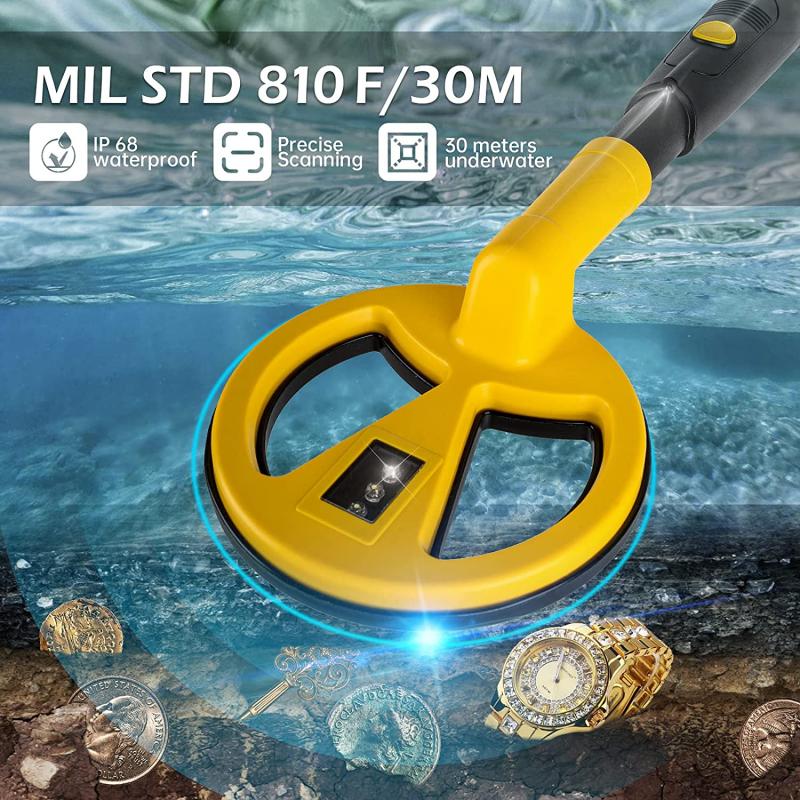
- Saltwater can affect the functioning of some metal detectors.
- If you’re detecting at a public beach, make sure your detector can operate in saltwater conditions.
- Slow and steady sweeps over the sand are more effective in these environments.
- For public lands and parks, different terrains require different sensitivity and discrimination settings.
- In parks with a lot of trash, adjust your detector’s settings to discriminate against common junk items while still picking up signals for valuable items.
Permission And Responsible Searching
- But remember, with metal detecting comes responsibility.
- You must respect private property, obtain necessary permissions, and be aware of local laws that might impact your experience.
- Responsible practices ensure that metal detecting remains a fun activity for everyone.
- Regardless of the location, always remember the importance of securing permission and respecting private land.
- Always leave the site as you found it by filling the holes you dig or disposing of any trash you find.
- A key part of metal detecting is caring for and respecting the environment in which you are exploring.
- Artifacts from national parks and historical locations should be left alone and never collected.
- Consider volunteering for a professional archaeological project if you wish to be involved with a protected site.