How To Turn Dslr Into Video Camera?
Use your DSLR as a webcam with free webcam software
in 2020, it got a lot easier. manufacturers like canon, nikon, fujifilm and others released free webcam software to easily use your dslr as a webcam. all you need is a usb-to-mini-hdmi cable or usb-to-mini-usb cord, depending on your camera's port.
tip: make sure your model camera is supported by the software. some manufacturers only support a selection of models.
- canon eos and powershot
- nikon
- fujifilm
- panasonic lumix - beta
- sony
- gopro
- olympus
this is a good tip, but the point of this post is that all of the above can be done for free if you happen to own a supported model of dslr. no need for a capture card anymore.
part of this post was to explain that there's no need for an elgato if you have a newer dslr because the utility is available natively now. my dslr from 2013 provides focus lock and clean hdmi output perfectly fine with a mini-usb and the free software from canon.
Use HDMI output and a video capture card
if your dslr camera offers a "clean" hdmi output, then all you need is a video capture card and an hdmi cable. you can get a cheap video capture card for less than $10 - i got one from aliexpress and i've been using it for the past six months, it works like a charm.
if your camera doesnt have a way to pass video through a usb cable you can use the hdmi port on the camera but google your camera and “clean hdmi output” as well as how to disable autofocus in video mode
clean output means you wont be displaying iso, battery life, etc info and the constant autofocus box is just as bad. my (older) camera cant do either
oh, and you’ll need something like an elgato camlink. i only reccomend that one because it is automatically detected as a camera in the software i tried. there are other cheaper options that seem to get good reviews
- setup your canon camera as a webcam for live streaming. turn your eos or powershot into a gaming camera.
- use the hdmi to usb video capture device to go live in hd from your computer.
- canon hdmi streaming kits have everything you need to connect with your friends and followers online.
- canon camera streaming kits work perfectly with popular video conferencing and live streaming platforms.
Setting up HDMI streaming kits step by step
- insert the dc coupler, connect the ac adapter and plug your camera into the mains. the powershot g7 x mark iii and some other cameras can be powered via the pd-e1 or equivalent usb pd compatible power supply. this will enable you to use your camera for long periods of time.
- put your camera in movie mode and switch to auto mode. head to the hdmi info display menu and switch off the info display. based on your preference and hdmi video capture device compatibility you can stream in 4k or full hd.*
- insert the hdmi cable into your camera and connect the other end of the cable to the hdmi to usb video capture device. connect the video capture device to a usb port on your computer.
- it is now time to setup the camera on the tripod and angle it towards you.
- make sure you choose the hdmi video capture device in your live streaming software settings and go live with your canon camera.
- finally, for audio, the hdmi kits will allow you to use the built-in mic or external microphone attached to the camera.
Power, battery, and automatic shut off
- you should also think about getting an ac adapter for your dslr if you don't want to worry about your camera's battery life (don't forget about turning off the automatic camera shut off in the settings).
- you will want to pick up a tripod, and a usb dummy battery, as the cameras are not powered over usb when plugged into your pc so they will drain their battery being used as a webcam.
- dummy battery means they will run indefinitely.
- if you use hdmi and a capture card you have to remember to turn your camera off in between calls and it can get quite warm constantly being on and streaming over hdmi.
- the webcam app allows the camera to sleep and then wakes it when you open an app that uses the camera.
Focus and lens setup
eos utility makes it so damn simple. i'm the one in the meeting with an awesome focus on my face that tracks me and keeps my background out of focus.
- autofocus lens ai focus ai servo ", depending on your model.
- use a lens with a large aperture.
- i use the rf 50mm f1.8, and it gives me a lovely blurry background.
- if you get an old dslr it will work but likely won't autofocus while in webcam mode.
- i used a 5d mark ii as my teams webcam for several years and had to manually focus the lens, which is ultimately why i upgraded it to an eos r i got cheap off facebook marketplace.
- it does eye detect af in webcam mode so i am always in focus.
Camera compatibility and model limits
- caveat: not every dslr supports this.
- nikon cameras before the d7000 do not work at all, and the d7000 has a hard coded overlay.
- granted this is about a decade old now, but just realize it doesn't necessarily apply to the entire class of dslrs out there.
- if only my nikon d3300 didn't time out every 30 minutes in video mode.
- i still use it for short videos, but it would annoy me during a 60 min meeting.
- i know of some hacks to get to run longer, but i have yet to try them, and the hacks involve some wiring tricks.
i checked on the nikon tutorial and they said that you can change your timeout time in settings to "infinity", but they also weren't using the d3300 in the tutorial.
also, they said "we recommend movie mode", which hints to me that you may be able to connect in stills mode. i know that canon works in both movie and stills mode and fuji works only in stills mode.
- the entry level dslrs don't all have clean hdmi output but might still work through the canon webcam app.
- pretty much all the old canon dslr cameras can have clean hdmi if you use magic lantern.
- this combo also allows you to skip the eos webcam utility
- note that the real old dlsrs have neither webcam utility or live view (what you need for hdmi out) at all.
Canon webcam utility, USB-C, and clean HDMI
- canon webcam utility exists, but it's a bit fiddly and unreliable.
- the maximum output for that is 720p upscaled from 576p, and you would also need a dummy battery.
- the r6ii, r8 or r50 can be used with just a usb cable but you will need a dummy battery for power.
- any other r camera made from 2020 onwards (excluding the r100) would need an hdmi capture card but you can use usb-c pd to supply power.
- the three bodies mentioned before can also do this.
- r or ef mount cameras before 2020 would need a dummy battery and a capture card, and also a clean hdmi setting (which r cameras all have afaik).
all the newer rf mount cameras released in the last couple years can work as a plug and play webcam via usb-c. the exception being the r100.
anything older needs eos webcam utility. or clean hdmi.
Shooting video with a DSLR
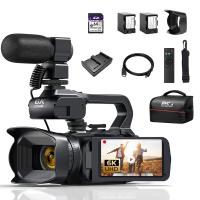
description related videos how to shoot video with a digital slr - we've been asked to make more films about video so here we have step one when using a dslr.
depth of fieldfocal length qualities of the lenses you already have. also you have two image capturing devices in one bit of kit so it's cost effective.
there are some downsides to shooting live action video on a digital slr though. they're tricky to hand hold because the viewfinder lcd has to be at arm's length making it difficult to keep the shot steady. especially when shooting live action. if you can invest in a video rig then it makes life a lot easier but lets start at the beginning for now.
- to get the best from your dslr video i suggest shooting shorter clips and editing them together rather than running around trying to capture everything in one long piece of footage.
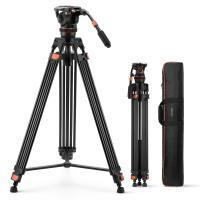
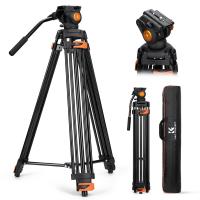
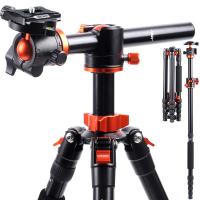
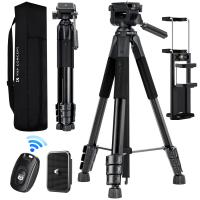
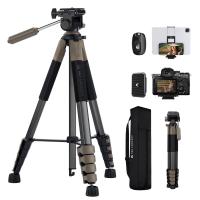
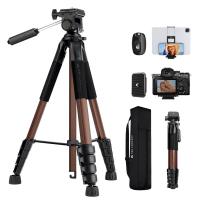
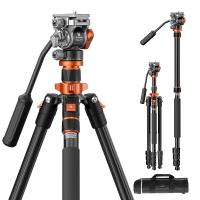
- shoot your clips from a tripod so the shot's steady - especially when using a longer lens.
- a tripod also lets you compose the image and lock it in place so you then have time to check other settings and focusing.
a word of caution about the tripod. digital slrs are quite heavy and if your tripod is wobbly or the tripod head isn't strong enough to take the weight, the wobble and vibration of any little movements will be captured in the video making it look fuzzy or worse.
i know i say this a lot but a cheaply made tripod or tripod head that isn't strong enough to support the weight of you camera is useless for filming video and stills.
Movement and learning video
- video making is different from shooting stills because you're capturing movement instead of freezing it so there are creative considerations about movement you'll have to make.
- sometimes it's better to allow things to move around in the frame or to enter and exit, other times you may need to follow the movement.
- these are creative choices for you to make and to begin with i suggest you film both.
- you can choose which to use when you edit the video.
when you're learning how to shoot video don't be too ambitious to begin with. take your time and think about what you're doing. and do it on your own because it will take a time commitment from you.
Overheating and sensor cautions
- using older dslrs as a webcam for extended periods can cause sensor burnout, leading to more noise and blown pixels.
- if you have the choice, aim for cameras with more notable video features over still features.
- be careful even trying this with older model dslr cameras though, most don't have adequate cooling to do long video runs and there's a possibility of cooking your image sensor.
- usually you'll end up with a noisier image or blown pixels over time, and most cameras will just shut down or idle.
- however there's no guarantees that worse can't happen.
- so if doing this, be selective in what models you use. mainly the ones that are known for having stronger video features.
such doesn't always apply to cameras that can take great still pictures.
please note some devices may overheat if streaming in 4k for extended periods of time.