Can You Use A Rangefinder On Water?
Using a Rangefinder on Water: A Comprehensive Guide
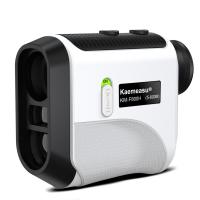
Rangefinders are versatile tools that have become increasingly popular in various fields, from golfing and hunting to construction and outdoor exploration. However, one question that often arises is whether rangefinders can be effectively used on water. This article delves into the practicalities, limitations, and potential applications of using a rangefinder in aquatic environments. Whether you're a boater, angler, or outdoor enthusiast, understanding how rangefinders perform on water can help you make the most of this technology.
How Rangefinders Work
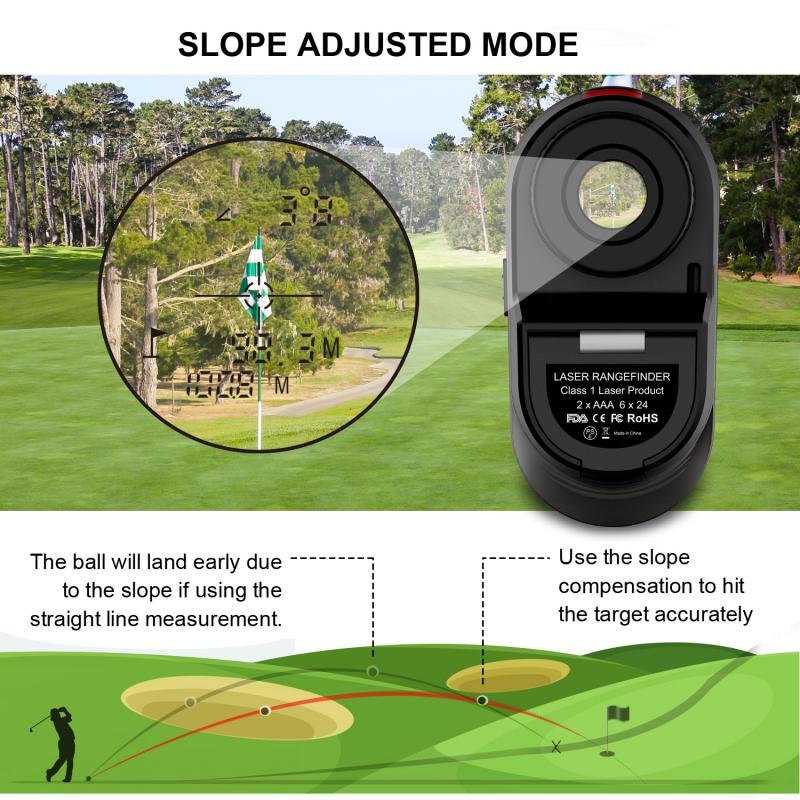
Before diving into the specifics of using a rangefinder on water, it’s essential to understand how these devices function. Rangefinders typically use one of two technologies: laser or optical.
- Laser Rangefinders: These devices emit a laser beam that bounces off a target and returns to the rangefinder. The device calculates the distance based on the time it takes for the laser to return.
- Optical Rangefinders: These rely on triangulation, using two lenses to measure the angle to a target and calculate the distance.
Both types of rangefinders are designed to measure distances to solid, reflective surfaces. This fundamental principle plays a significant role in how well they perform over water.
Challenges of Using a Rangefinder on Water
Water presents unique challenges for rangefinders due to its reflective and dynamic nature. Here are some of the primary issues:
1. Reflectivity of Water: Water surfaces, especially calm ones, can reflect laser beams in unpredictable ways. This can cause the rangefinder to struggle in detecting a clear return signal, leading to inaccurate or failed measurements.
2. Lack of a Defined Target: Rangefinders require a solid, distinct target to calculate distance effectively. Open water lacks such defined targets, making it difficult for the device to lock onto anything.
3. Wave Motion: On choppy or wavy water, the constantly shifting surface can further complicate the rangefinder’s ability to measure distances accurately.
4. Atmospheric Conditions: Over water, atmospheric conditions like humidity, haze, or glare from the sun can interfere with the laser beam, reducing the rangefinder’s effectiveness.
5. Limited Range: Even under ideal conditions, the range of a rangefinder over water is often shorter than over land due to the lack of reflective surfaces.
Practical Applications of Rangefinders on Water
Despite these challenges, rangefinders can still be useful in certain water-related scenarios. Here are some practical applications:
1. Measuring Distance to Shore or Landmarks
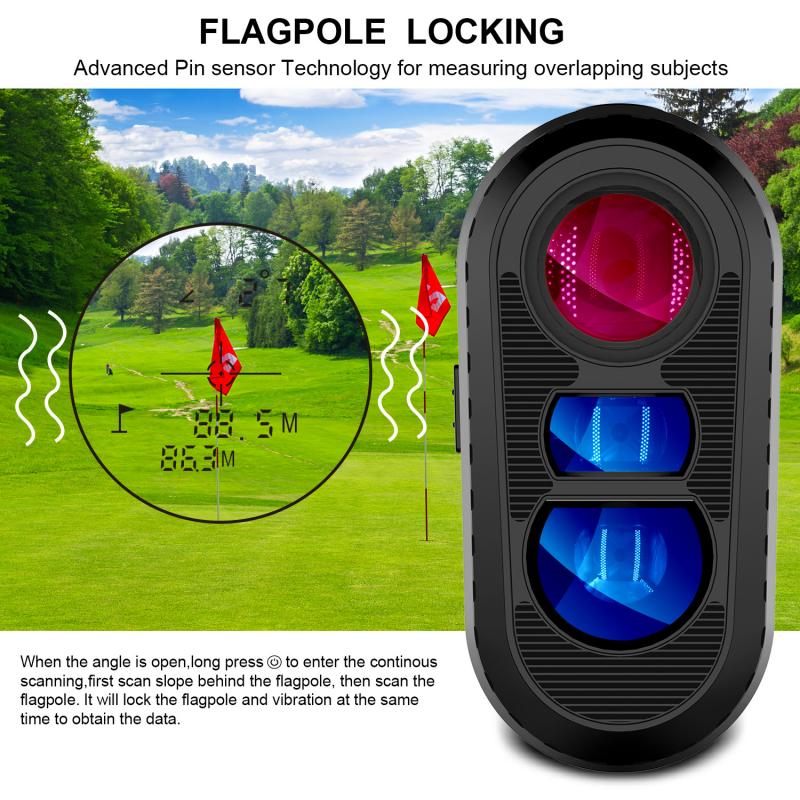
One of the most common uses of a rangefinder on water is to measure the distance to a visible shoreline, dock, or other landmarks. These solid, reflective targets provide the rangefinder with the necessary surface to calculate distances accurately. This can be particularly useful for boaters navigating unfamiliar waters or anglers trying to determine their proximity to a fishing spot.
2. Navigational Assistance
In some cases, rangefinders can assist with navigation by helping users gauge distances to buoys, markers, or other navigational aids. This can be especially helpful in low-visibility conditions where visual estimation is unreliable.
3. Fishing Applications
Anglers may use rangefinders to measure the distance to specific fishing spots, such as submerged structures or vegetation visible above the waterline. While the water itself may not provide a reliable target, objects protruding from the water can serve as effective reference points.
4. Safety and Collision Avoidance
Rangefinders can be used to measure the distance to other boats, obstacles, or hazards in the water. This can enhance safety, particularly in crowded or unfamiliar waterways.
5. Recreational Activities
For recreational activities like kayaking or paddleboarding, a rangefinder can help users estimate distances to their destination or track their progress.
Tips for Using a Rangefinder on Water
To maximize the effectiveness of a rangefinder on water, consider the following tips:
1. Choose the Right Target: Always aim at a solid, reflective target, such as a buoy, dock, or shoreline. Avoid pointing the rangefinder at open water, as it is unlikely to yield accurate results.
2. Stabilize the Device: Holding the rangefinder steady is crucial, especially on a moving boat. Consider using a tripod or stabilizing your hands against a solid surface to improve accuracy.
3. Account for Weather Conditions: Be mindful of atmospheric conditions like fog, rain, or glare, which can affect the rangefinder’s performance. Using the device during clear weather will yield better results.
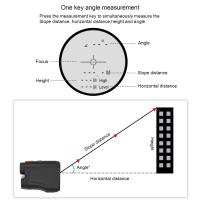
4. Use High-Quality Equipment: Not all rangefinders are created equal. High-end models often have better optics, more powerful lasers, and advanced features like angle compensation, which can improve performance over water.
5. Practice and Familiarity: Familiarize yourself with your rangefinder’s capabilities and limitations. Practice using it in different conditions to understand how it performs on water.
6. Consider Alternative Technologies: In some cases, other technologies like sonar or GPS may be more effective for measuring distances on water. These tools are specifically designed for aquatic environments and can complement the use of a rangefinder.
Limitations to Keep in Mind
While rangefinders can be useful on water, it’s important to recognize their limitations:
- Not Suitable for Open Water: Rangefinders are not designed to measure distances over open water without a solid target. For such applications, sonar or radar may be more appropriate.
- Reduced Accuracy in Poor Conditions: Factors like waves, glare, and atmospheric interference can significantly reduce the accuracy of a rangefinder on water.
- Limited Range: The effective range of a rangefinder is often shorter over water than over land, especially in challenging conditions.
Using a rangefinder on water is entirely possible, but it requires an understanding of the device’s limitations and the unique challenges posed by aquatic environments. While rangefinders may struggle to measure distances over open water, they can be highly effective when used to target solid, reflective objects like shorelines, buoys, or other boats. By choosing the right equipment, practicing proper techniques, and being mindful of environmental conditions, you can make the most of your rangefinder in water-related applications.
Whether you’re a boater, angler, or outdoor enthusiast, a rangefinder can be a valuable tool for enhancing your experience on the water. However, it’s essential to recognize that it is not a one-size-fits-all solution. For tasks that require precise measurements over open water, alternative technologies like sonar or GPS may be more suitable. By combining these tools, you can navigate, fish, and explore with greater confidence and accuracy.