Can Trail Cameras Be Used For Home Security?
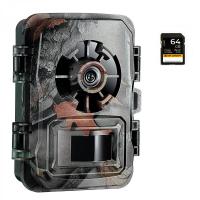
Yes, trail cameras can be used for home security, and in the right situation they work surprisingly well. They’re especially useful for driveways, sheds, barns, cabins, gates, rural properties, and places where running power or Wi-Fi is a headache.
They are not a perfect replacement for a proper home security camera system, though. A trail camera is built to catch wildlife and trespassers quietly, not to give you smooth live video, two-way audio, doorbell alerts, or continuous recording. If you understand that difference, a trail camera can be a very practical security tool.
Where trail cameras make sense around a home
Trail cameras are best in places where you want to know who or what passed through an area, not necessarily watch it live every second.
They work well for:
- A long driveway
- A back gate or side entrance
- A detached garage or shed
- A barn, workshop, or equipment area
- A vacation cabin
- A hunting property or rural land
- A spot where packages, fuel, tools, or equipment have gone missing
- A remote entrance with no power nearby
I’ve seen trail cameras used very effectively on farm lanes and private roads where normal Wi-Fi cameras were useless. Mount one on a tree facing the driveway, and you can get clear images of vehicles, people, and sometimes license plates if the angle and distance are right.
They’re also good when you don’t want an obvious camera staring from the house. Many trail cameras are camouflaged, battery-powered, and easy to tuck into a fence line or tree. That can be a benefit if you’re trying to catch repeat trespassing, dumping, theft, or vandalism.
The big advantage: no wiring and no home Wi-Fi required
The main reason people use trail cameras for security is simple: they can operate almost anywhere.
A regular security camera usually needs at least one of these:
- House power
- Wi-Fi
- A hub or recorder
- A subscription service
- A nearby outlet
- Mounting close to the home
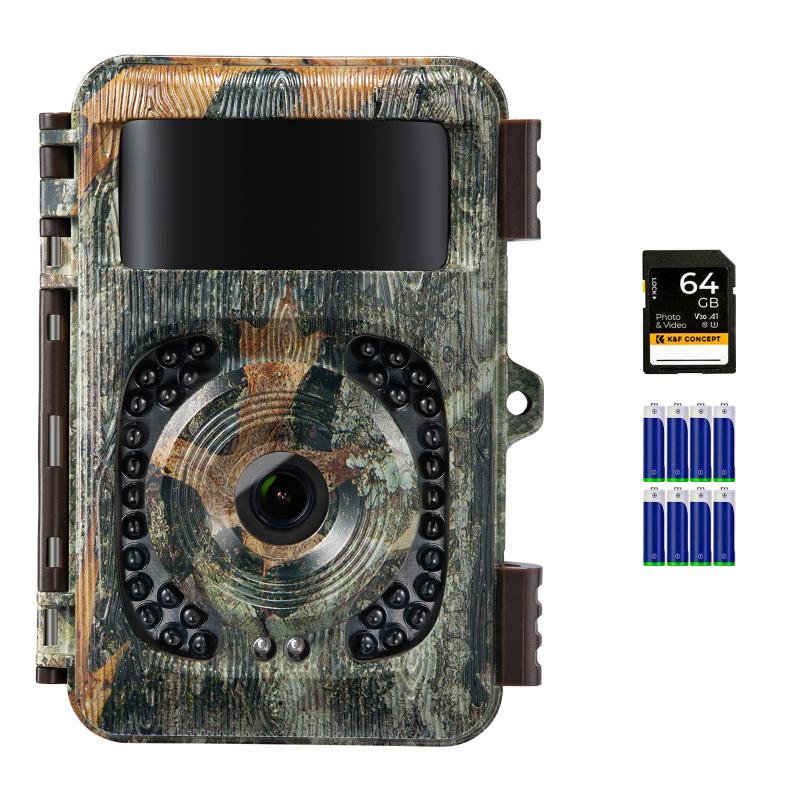
A basic trail camera can run on AA batteries and save photos or video clips to an SD card. That makes it handy for locations far from the house. You can strap it to a tree, fence post, utility pole, or corner of a shed and let it run for weeks.
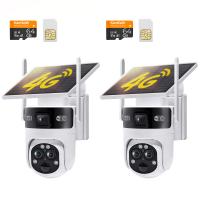
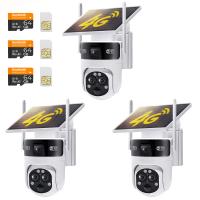
Cellular trail cameras go a step further. They use a mobile network to send photos or short video clips to your phone. These are more useful for security because you don’t have to physically retrieve the SD card to see what happened. If someone drives through your gate at midnight, you may get a photo within minutes, depending on signal strength and the camera plan.
The catch is that cellular trail cameras usually require a data plan, and the signal has to be reliable where you place the camera. A weak signal burns battery faster and may delay alerts.
What trail cameras do better than normal security cameras
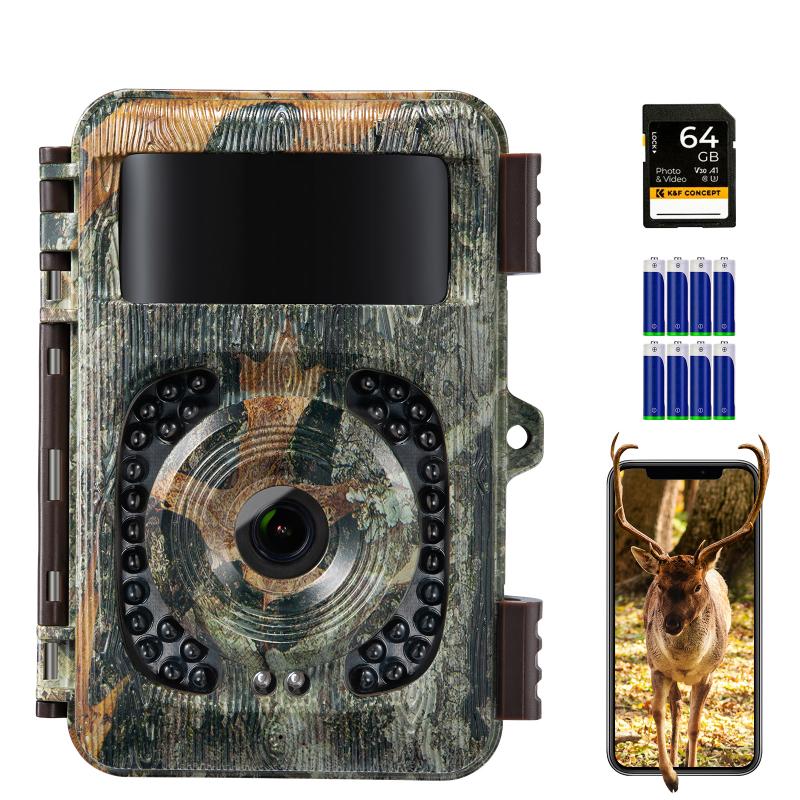
Trail cameras have a few real strengths.
Battery life is one of them. A decent trail camera can last weeks or months on a set of batteries if it’s not being triggered constantly. That’s very different from many Wi-Fi security cameras, which may need recharging often if they’re mounted in a busy area.
They’re also weather-resistant. Trail cameras are designed to sit outside through rain, snow, heat, and dust. You still need to mount them carefully and close the battery and SD card doors properly, but they’re generally tougher than many cheap indoor/outdoor Wi-Fi cameras.
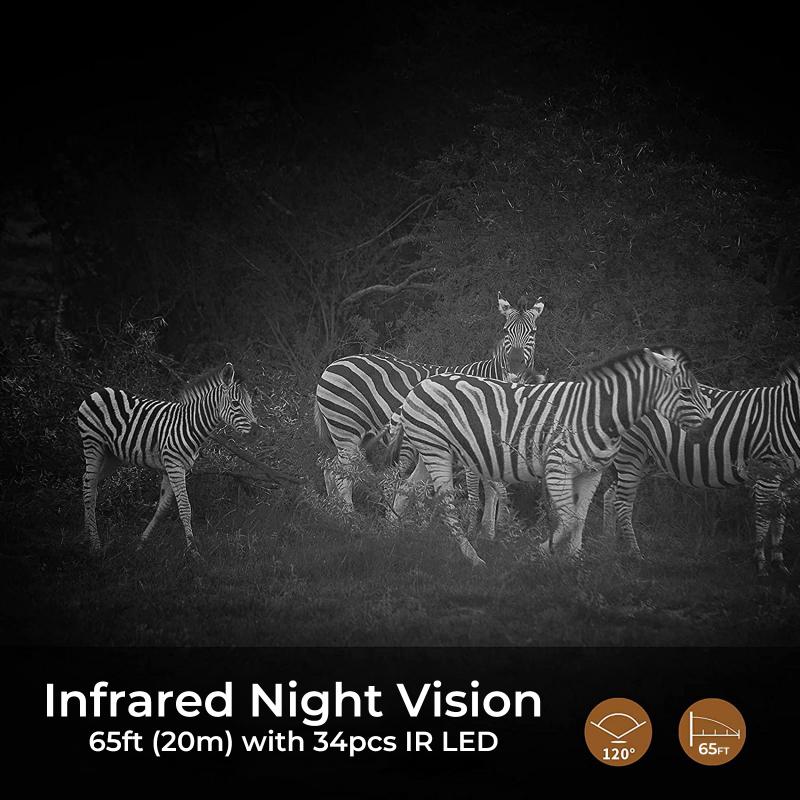
Night performance can be good too, especially at short to medium distances. Most trail cameras use infrared flash, so they can capture activity in darkness without a bright visible light. For home security, “no-glow” infrared models are often preferred because they don’t give off the obvious red glow that cheaper cameras sometimes show at night.
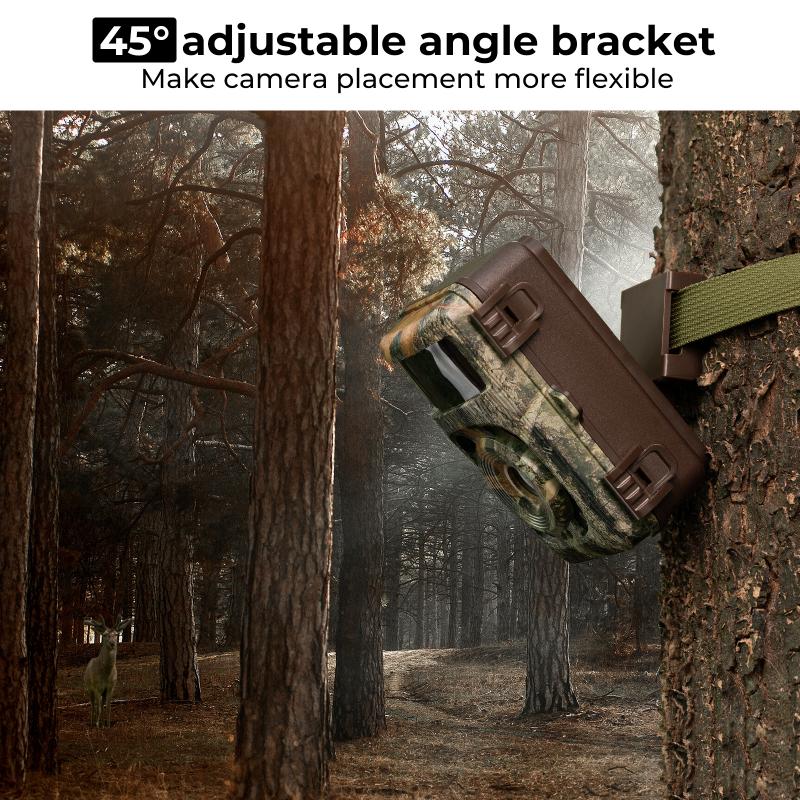
Another benefit is placement flexibility. You can aim a trail camera low across a driveway, hide it near a gate, or put it where a normal camera would be too obvious or inconvenient.
Where trail cameras fall short
This is where expectations matter.
Most trail cameras are motion-triggered. They don’t usually record 24/7. If the motion sensor misses something, or if the subject moves too quickly across the detection zone, you may not capture the best image.
There can also be a delay between motion detection and the first photo. Better cameras react quickly, but cheaper models may wake up late and catch only the back of someone walking away. For security use, trigger speed matters more than people realize.
Trail cameras are also not great for live monitoring. Some cellular models let you request photos or change settings remotely, but they’re not the same as a live Wi-Fi camera pointed at your porch. If you want to open an app and watch your front door in real time, a trail camera will probably frustrate you.
Audio is limited or absent. Two-way talk is almost never available. If you want to speak to a delivery driver, scare off a prowler, or hear what’s happening, a normal security camera is better.
Video quality can also be misleading. Many trail cameras advertise high megapixel numbers, but the real-world image depends on the sensor, lens, lighting, and motion blur. A camera claiming huge resolution may still produce muddy night images.
Can a trail camera capture license plates?
Sometimes, but don’t count on it unless you set it up carefully.
License plates are tricky at night because infrared light can reflect off the plate and wash it out. During the day, you have a much better chance if the vehicle is moving slowly and the camera is positioned at the right angle.
For a driveway, place the camera where vehicles naturally slow down — near a gate, bend, narrow section, or parking area. Aim it slightly downward and avoid pointing straight into headlights. A side angle often works better than a head-on angle at night, though too much angle can make the plate unreadable.
Distance matters. If the vehicle is too far away, you’ll get a nice picture of the truck but not the plate. For license plates, closer is usually better, but not so close that the vehicle moves through the frame too quickly.
If license plates are the main goal, test the setup with your own car during the day and at night. Drive past at realistic speeds, then check the photos. Most people skip this step and only discover later that every night shot is overexposed or blurry.
Best places to mount a trail camera for security
Height and angle make a huge difference.
For people and vehicles, mounting the camera around chest height often gives better identification than putting it high in a tree. High mounting can hide the camera, but it often captures hats, hoods, and the tops of vehicles instead of faces or plates.
Try to aim the camera across the path of movement rather than straight down a long open area. Trail cameras detect heat and motion, and they usually perform better when a person or vehicle moves across the detection zone.
Avoid aiming at:
- Busy roads
- Moving branches
- Tall grass
- Water reflections
- Direct sunrise or sunset
- Heat sources like vents or metal buildings in strong sun
False triggers are annoying, but they also drain batteries and fill the SD card. A camera watching a windy tree branch all day will burn through power and storage faster than expected.
If theft of the camera is a concern, use a lock box and cable lock. Also consider placing a second hidden camera watching the first one. It sounds excessive until you’re dealing with someone who already knows or suspects cameras are on the property.
Trail camera vs security camera: which should you choose?
Use a trail camera if the area is remote, has no power, has no Wi-Fi, or you mainly need evidence of activity. It’s a good fit for rural driveways, sheds, fields, gates, and outbuildings.
Use a regular security camera if the area is near your home and you want instant alerts, live viewing, continuous recording, better app features, two-way audio, or integration with lights and alarms.
For many properties, the best answer is both. A regular camera watches the front door, garage, and backyard. A trail camera covers the far gate, shed, tree line, or driveway entrance where your Wi-Fi camera can’t reach.
That combination gives you broader coverage without spending a fortune on trenching cables, extenders, or a full surveillance system.
What to look for in a trail camera for home security
For security use, don’t buy based only on megapixels. Look for practical features.
A fast trigger speed is important. Around half a second or faster is useful for people and vehicles. Recovery time also matters because you may want multiple shots in a row.
No-glow infrared is better if you want the camera to stay discreet at night. Low-glow cameras can still work fine, but a person nearby may notice the faint red LEDs.
Cellular capability is worth considering if you need alerts while you’re away. Just check which carrier network the camera uses and whether that network has strong signal on your property.
Good battery life matters more than fancy specs. Lithium batteries usually perform better than alkaline batteries, especially in cold weather. Some users add a solar panel or external battery box for long-term setups.
Also make sure the camera supports a decent SD card size and has a clear time-and-date stamp. If you ever need to show footage to law enforcement or an insurance company, accurate timestamps help.
Privacy and legal concerns
You generally can use cameras on your own property, but avoid pointing them into a neighbor’s windows, private yard areas, or places where people reasonably expect privacy. A camera watching your driveway is one thing. A camera aimed into someone else’s bedroom window is another.
Audio recording laws can be stricter than video recording laws, depending on where you live. Many trail cameras don’t record useful audio anyway, but if yours does, check your local rules.
For shared driveways, rental properties, HOAs, and workplaces, the rules can get more complicated. A little care with placement prevents a lot of trouble.
The realistic answer
A trail camera can absolutely be used for home security, especially for outdoor, remote, or low-traffic areas. It can help you identify trespassers, monitor vehicles, watch a shed, document suspicious activity, and keep an eye on places normal cameras can’t reach.
Just don’t expect it to behave like a doorbell camera or full security system. It’s more of a rugged, motion-triggered evidence tool. Set up properly, it can be very useful. Set up casually, it may give you hundreds of squirrel photos and one blurry picture of the person you actually wanted to catch.
For best results, place it where people or vehicles must pass, test it during day and night, use fresh batteries and a quality SD card, and check the angle before relying on it. A little setup work makes the difference between a camera that merely exists on your property and one that actually helps protect it.