How Do You Buy A Trail Camera?
How to Buy the Right Trail Camera: A Comprehensive Guide for Beginners and Enthusiasts
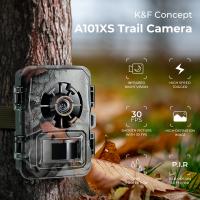
Trail cameras, also known as game cameras or scouting cameras, are invaluable tools for hunters, wildlife enthusiasts, researchers, and property owners. They allow you to monitor wildlife activity, track game movements, identify trespassers, and even conduct ecological studies. However, with countless options available in the market, choosing the right trail camera can feel overwhelming. This guide will walk you through everything you need to know about buying a trail camera that fits your specific needs.
Assessing Your Primary Purpose for the Trail Camera
The first step in buying a trail camera is understanding why you need it. Your primary purpose will drive most decisions about features and specifications. Here are some common applications:
1. Hunting and Game Analysis: Hunters use trail cameras to analyze animal behavior, track herd patterns, or monitor movement during different times.
2. Wildlife Observation: Nature enthusiasts and photographers use trail cameras to capture candid images of wildlife over extended periods.
3. Security Surveillance: Property owners use trail cameras to monitor entrances, record intrusions, or assess foot traffic in specific areas.
4. Ecological Research: Researchers may need cameras for long-term ecological studies or behavioral analysis of specific species.
Each purpose requires a slightly different set of features, and knowing why you're using the camera ensures you focus on what matters most for you.
Features to Consider When Buying a Trail Camera
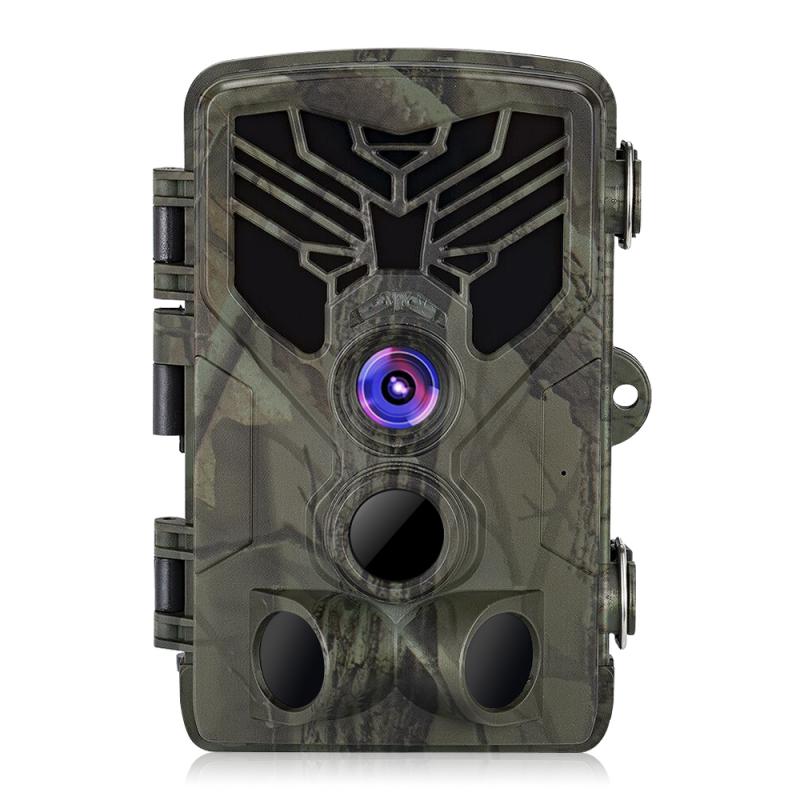
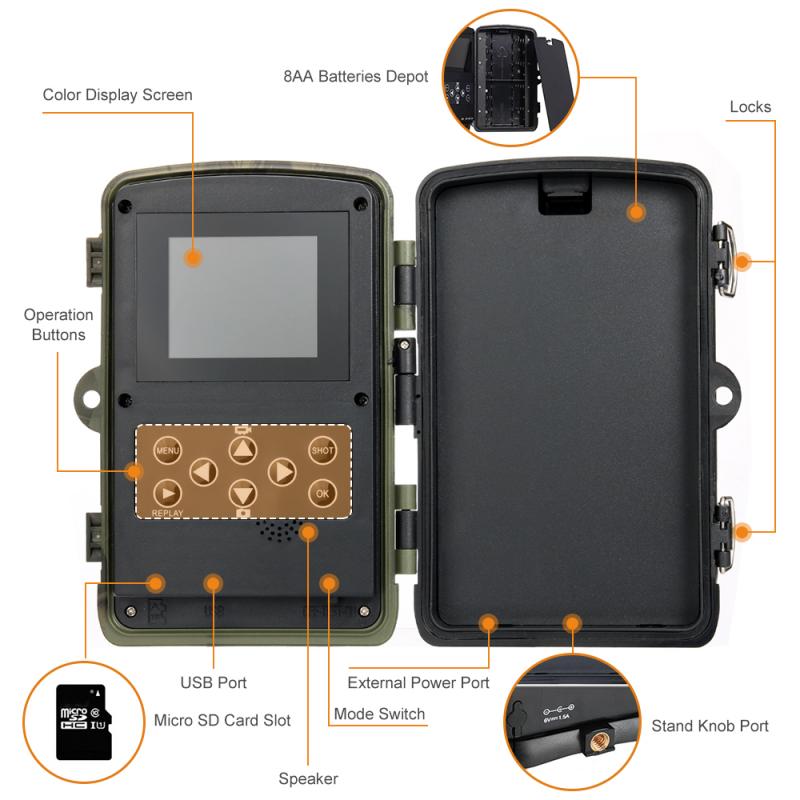
Trail cameras come with a range of features, each targeted toward enhancing performance or utility. Here are the critical aspects to examine before purchasing one:
1. Resolution (Photo and Video Quality)
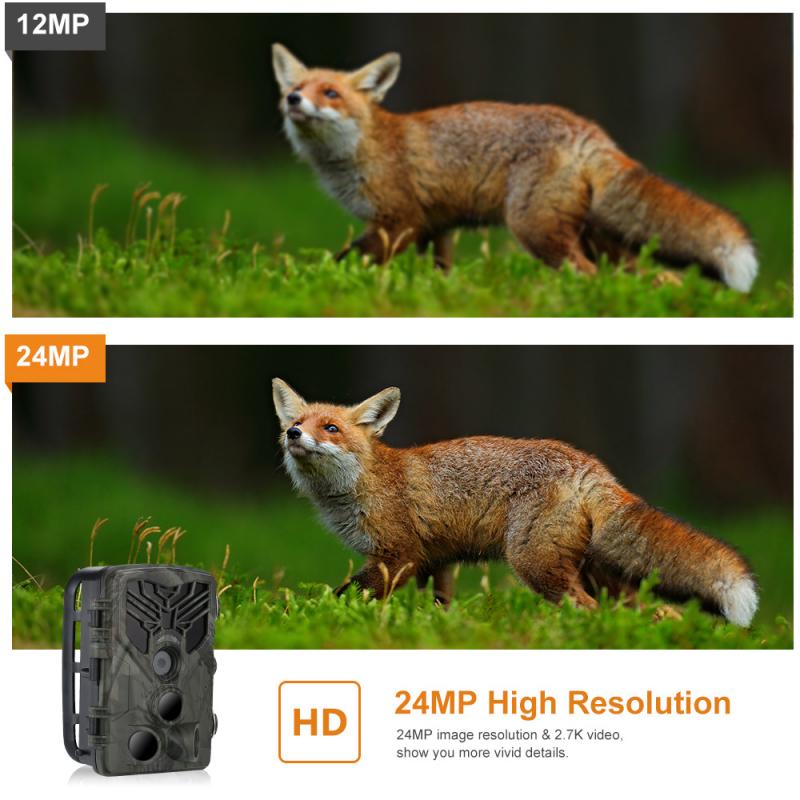
Trail cameras offer a variety of resolutions. Higher resolution produces more detailed and clear images, but it also increases the cost of the camera. Typical resolutions include:
Photo Quality: Cameras come with resolutions ranging from 5 megapixels to 30 megapixels or more. For hunting or wildlife tracking, 8–16 megapixels are generally sufficient, as they balance quality and affordability.
Video Quality: Some trail cameras can record in HD (720p or 1080p) or Ultra HD (4K). If you’re planning to create documentaries or review intricate behaviors, investing in high video resolution is recommended.
TIP: If you’re worried about storage, choose a camera with customizable resolution settings to save space when needed.
2. Detection Range and Speed
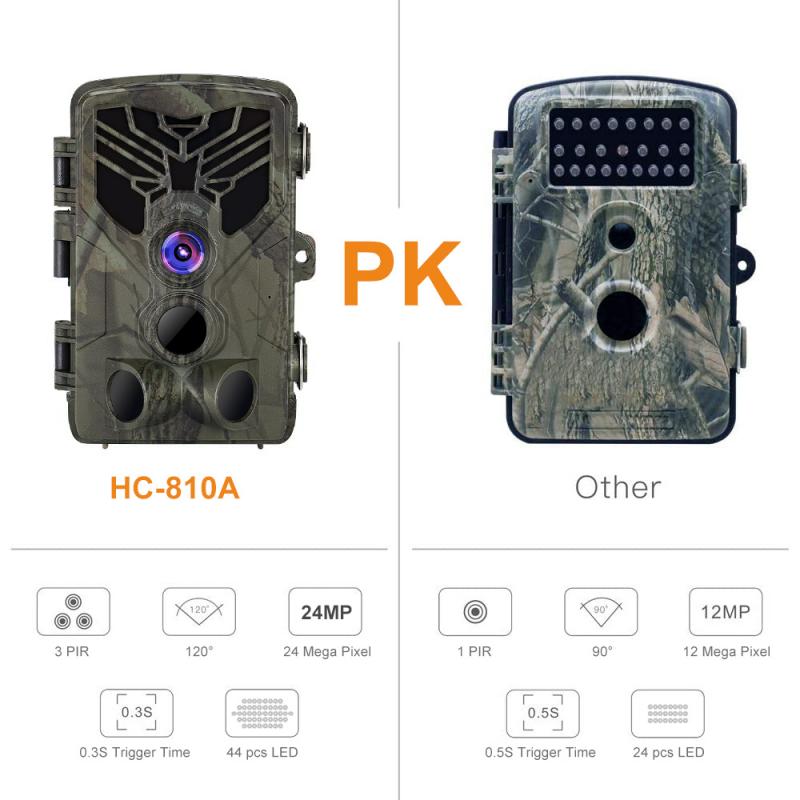
Detection range refers to how far away the camera can detect motion and trigger a photo or video capture. This is usually implemented with passive infrared sensors (PIR) that detect heat signatures. Make sure to examine:
Detection Distance: Cameras usually range from 40 to 110+ feet. For wildlife on open land, a higher detection range is preferable.
Trigger Speed: Trigger speed refers to how quickly the camera reacts once it detects motion. Faster trigger speeds (0.1–0.5 seconds) prevent missing fast-moving animals and ensure clear captures.
For security purposes, these features are crucial as intruders might move quickly past the camera, leaving you with blurry or incomplete images if the trigger speed isn't fast enough.
3. Night Vision Capabilities
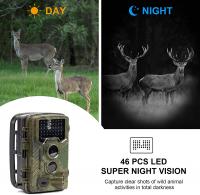
Wildlife tends to be most active during dusk, dawn, and nighttime, making your camera’s night vision ability essential. When evaluating how a trail camera handles darkness, consider:
Invisible Infrared (Low Glow): These LEDs produce faint light that is nearly invisible to animals and humans, offering stealth advantages. They’re commonly called "black flash" cameras.
Standard Infrared (Red Glow): Produces visible light that may startle animals or alert trespassers.
Flash Range: Ensure the camera uses a powerful flash with adequate range to illuminate subjects clearly in total darkness.
For discreet security or wildlife monitoring, "black flash" or invisible infrared is the ideal option.
4. Battery Life
Battery life determines how often you’ll need to replace or recharge the power source, especially for cameras used in remote settings. Features to look for include:
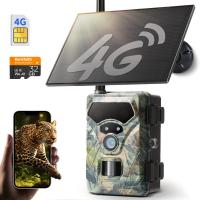
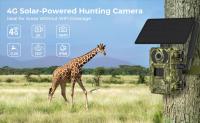
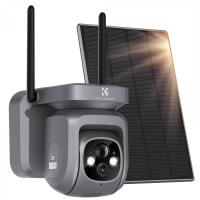
Battery Type: Some cameras use AA batteries, while others use rechargeable lithium-ion batteries or even solar panels for consistent power.
Power-Saving Features: A longer standby mode helps conserve battery life, particularly for low-activity areas.
TIP: Choose cameras that display battery life clearly to avoid sudden outages, especially when placed in hard-to-reach areas.
5. Storage and Connectivity
Trail cameras store media on internal links (such as SD or microSD cards), with storage typically ranging from 8GB to 256GB. However, some modern cameras offer wireless connectivity for seamless media transfer.
SD/Memory Capacity: If you’re using the camera for extended periods, opt for one with expandable SD card storage so you won’t have to change cards often.
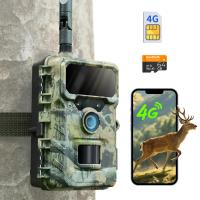
Wireless Features: Cameras now include Wi-Fi, Bluetooth, or cellular network connectivity for real-time image or video uploads to your smartphone or cloud storage. Cellular cameras are particularly popular in security applications but come with subscription costs for network plans.
6. Durability and Weather Resistance
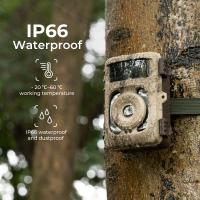
Buying a trail camera that can withstand the elements is non-negotiable. Look for cameras with:
IP Ratings: Weatherproof ratings like IP66 or IP67 ensure the camera can handle rain, snow, and dust without fail.
Casing Material: Sturdy construction helps protect the device against heat, moisture, cold temperatures, and physical contact with wildlife.
7. Additional Features
Timers and Scheduling: Some cameras allow you to schedule shooting times. This is particularly helpful for focused tracking during peak hours.
Customization and Alerts: High-tech cameras may offer personalized motion sensitivity settings and notification alerts for real-time surveillance.
Identifying Your Budget Range
Your budget is an important factor that dictates the camera quality and features. Popular trail cameras can range from $50 to $500 or more, depending on specifications. Here’s a general idea of what to expect:
Entry-Level Cameras ($50–$150): Basic specs suitable for beginners, with reliable photo resolution and short detection range.
Mid-Range Cameras ($150–$300): A balance of resolution, trigger speed, night vision, and storage options typically favored by enthusiasts.
High-End Cameras ($300+): Professional-grade cameras with features like cellular connectivity, long battery life, high-resolution photos/videos, and advanced customization.
TIP: Don’t overspend on features you won’t frequently use. Always ensure your camera meets your core requirements before upgrading to pricier models.
Where to Buy Trail Cameras
After knowing your desired specifications, consider where to purchase the camera. You can buy trail cameras online or in physical stores specializing in outdoor or hunting equipment. Here are some options:
Online Retailers: Amazon, eBay, and specialized wildlife stores offer extensive reviews and specifications, helping you with comparisons.
Outdoor Sports Stores: These physical shops often have knowledgeable staff who can assist with buying decisions and warranties.
Direct Manufacturer Websites: If you prefer specific brands like Bushnell or Browning, buying directly through their websites ensures authenticity and access to exclusive models.
TIP: Look for deals during hunting season or holiday sales for discounted prices.
Practical Tips for Beginners
Test Before Deployment: Before placing the camera in its permanent location, conduct trial runs near your home or yard to familiarize yourself with its settings and operation.
Geographic Placement: For wildlife, focus on areas with food sources, waterholes, or game trails. For security, choose entry or exit points around your property.
Monitor Regularly: Check the camera every few weeks to review footage, replace batteries, and ensure it’s functioning properly.
Trail cameras are only effective if maintained correctly, so make this a routine part of your monitoring.
Closing Thoughts
Investing in a trail camera is an exciting step into either wildlife observation or property security. As you shop for one, focus on features directly aligned with your goals. Whether it's for catching glimpses of elusive animals or protecting your home, the right camera will make your life easier and more insightful.
By considering resolution, detection capabilities, connectivity options, and durability, combined with an understanding of your budget, you’ll be able to make a well-informed decision. Remember, a trail camera isn’t just about its specs—it’s a long-term companion in understanding and monitoring your surroundings. Happy scouting!