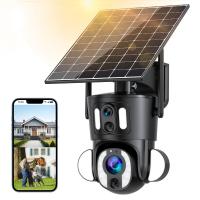
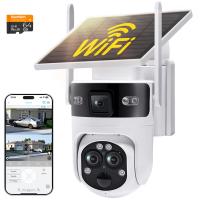
Can Wire Free Security Camera Used Without Wifi?
In today’s world, security is a top priority for homeowners and businesses alike. With the rise of wireless technology, wire-free security cameras have become a popular choice for those seeking a convenient and flexible way to monitor their property. However, one common question arises: Can wire-free security cameras be used without Wi-Fi? The answer is yes, but it depends on the type of camera and the specific features you need. In this article, we’ll explore how wire-free security cameras can function without Wi-Fi, the scenarios where this might be useful, and the alternatives available for those who want to avoid relying on a Wi-Fi connection.
Understanding Wire-Free Security Cameras
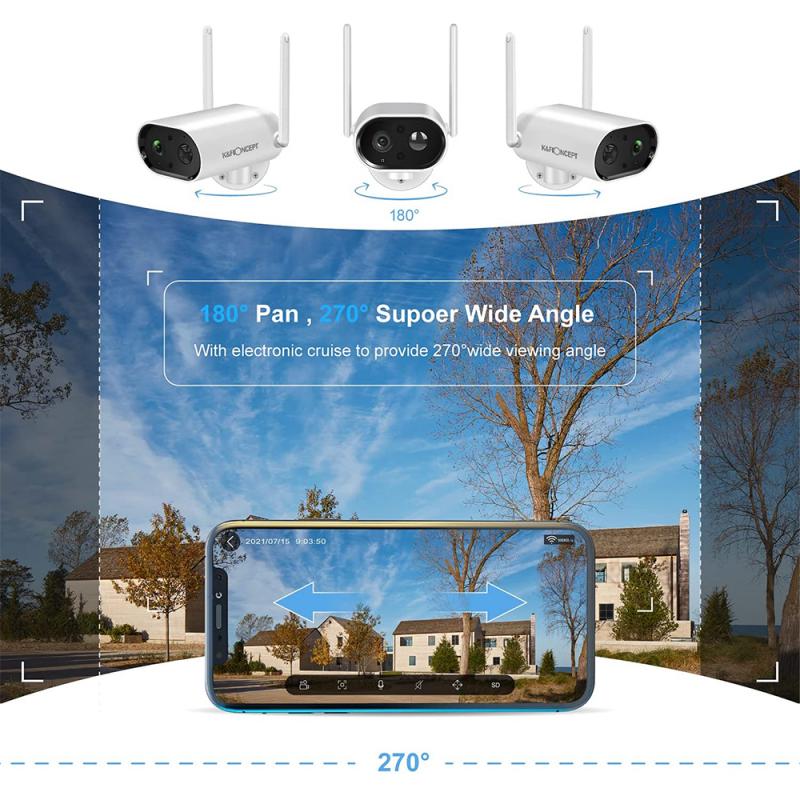
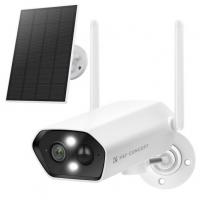
Wire-free security cameras are a subset of wireless cameras that operate without any physical cables for power or data transmission. These cameras are typically battery-powered and transmit video footage wirelessly, often via Wi-Fi. Their portability and ease of installation make them an attractive option for many users. However, the reliance on Wi-Fi for data transmission can be a limitation in certain situations, such as in remote areas without internet access or in cases where users prefer not to use Wi-Fi for security reasons.
How Wire-Free Security Cameras Work Without Wi-Fi

While many wire-free security cameras are designed to work with Wi-Fi, there are several ways they can function without it:
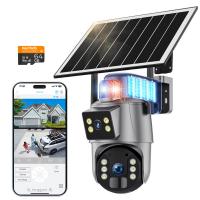
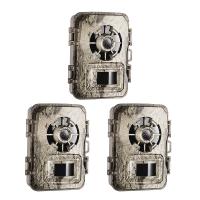
1. Local Storage: Some wire-free cameras come with built-in storage options, such as SD cards or internal memory. These cameras can record footage locally, eliminating the need for a Wi-Fi connection. Users can retrieve the footage by physically accessing the camera and transferring the data to a computer or other device.
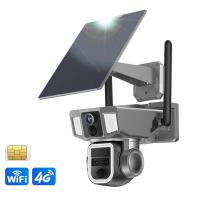
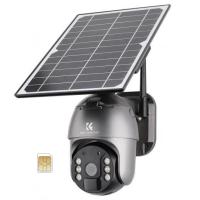
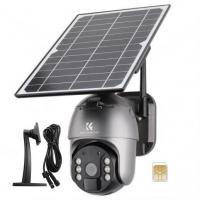
2. Cellular Connectivity: Certain wire-free cameras are equipped with cellular modules that allow them to transmit data over a mobile network. These cameras use a SIM card and a data plan to send footage to a cloud server or a mobile app, bypassing the need for Wi-Fi. This option is particularly useful in areas where Wi-Fi is unavailable but cellular coverage is strong.
3. Direct Connection to a Base Station: Some wire-free security systems include a base station that connects directly to the cameras. The base station can store footage locally or transmit it to a connected device. In this setup, the cameras communicate with the base station using proprietary wireless protocols, not Wi-Fi.
4. Standalone Operation: In certain cases, wire-free cameras can operate as standalone devices, capturing footage and storing it locally without any external connectivity. These cameras are ideal for users who only need to review footage periodically and don’t require real-time monitoring.
Scenarios Where Non-Wi-Fi Cameras Are Useful
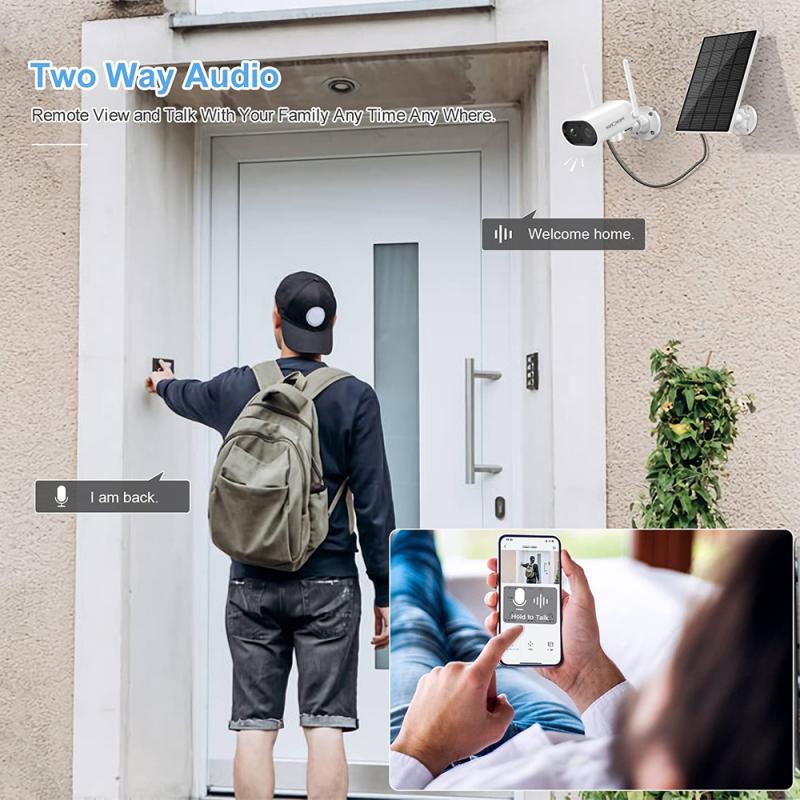
There are several situations where using a wire-free security camera without Wi-Fi is advantageous:
1. Remote Locations: In rural or remote areas where Wi-Fi is unavailable or unreliable, cameras with local storage or cellular connectivity can provide effective surveillance.
2. Temporary Installations: For short-term monitoring needs, such as at construction sites or during events, a wire-free camera with local storage can be a practical solution.
3. Privacy Concerns: Some users prefer to avoid Wi-Fi-based cameras due to concerns about hacking or data breaches. Cameras with local storage or direct connections offer a more secure alternative.
4. Power Outages or Network Failures: In cases where Wi-Fi networks are down, cameras with local storage or cellular connectivity can continue to function, ensuring uninterrupted surveillance.
Advantages and Limitations of Non-Wi-Fi Wire-Free Cameras
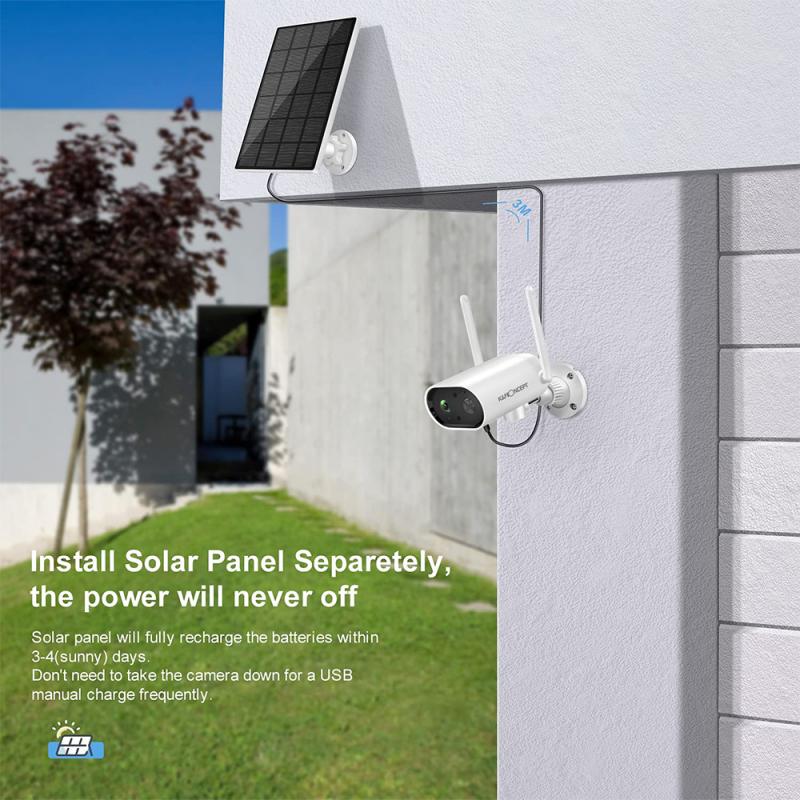
Advantages:
- Flexibility: These cameras can be used in locations without internet access, making them suitable for a wide range of applications.
- Enhanced Privacy: By avoiding Wi-Fi, users can reduce the risk of unauthorized access to their camera feeds.
- Independence from Power Sources: Battery-powered cameras can operate without being tethered to a power outlet, increasing their versatility.
Limitations:
- Limited Features: Without Wi-Fi, certain features like live streaming, remote access, and cloud storage may not be available.
- Storage Constraints: Cameras with local storage may have limited capacity, requiring regular maintenance to clear or back up footage.
- Higher Costs: Cellular-enabled cameras often come with additional costs for data plans, which can add up over time.
Choosing the Right Non-Wi-Fi Wire-Free Camera
When selecting a wire-free security camera that doesn’t rely on Wi-Fi, consider the following factors:
1. Storage Capacity: If you opt for a camera with local storage, ensure it has sufficient capacity to meet your needs. Look for models that support high-capacity SD cards or offer expandable storage options.
2. Battery Life: Since these cameras are typically battery-powered, choose a model with long battery life to minimize the need for frequent recharging or battery replacement.
3. Connectivity Options: If you need remote access or real-time alerts, consider a camera with cellular connectivity. Check the availability and cost of data plans in your area before making a decision.
4. Durability: For outdoor use, select a camera that is weatherproof and designed to withstand harsh conditions.
5. Ease of Use: Look for cameras with user-friendly interfaces and straightforward setup processes. This is especially important if you plan to access footage manually.
Alternatives to Wire-Free Cameras Without Wi-Fi
If a wire-free camera without Wi-Fi doesn’t meet your requirements, consider these alternatives:
1. Wired Cameras with Local Storage: These cameras are connected to a power source and record footage locally, often to a DVR or NVR system. They offer reliable performance and are not dependent on Wi-Fi.
2. Hybrid Systems: Some security systems combine wired and wireless components, providing flexibility and redundancy. For example, a wired camera can be paired with a wireless base station for local storage.
3. Professional Security Services: For comprehensive security solutions, consider hiring a professional service provider. These companies often offer systems that don’t rely on Wi-Fi and include features like 24/7 monitoring and maintenance.
Wire-free security cameras can indeed be used without Wi-Fi, making them a versatile option for various scenarios. Whether you’re monitoring a remote property, addressing privacy concerns, or preparing for network outages, there are solutions available to meet your needs. By understanding the different types of non-Wi-Fi cameras and their features, you can make an informed decision that aligns with your security requirements.
While the convenience of Wi-Fi-enabled cameras is undeniable, the ability to operate without Wi-Fi adds an extra layer of flexibility and reliability. As technology continues to evolve, we can expect even more innovative solutions in the realm of wire-free security cameras, ensuring that users have access to robust and adaptable surveillance options.